Small Seeds, Big Benefits for Healthy Aging
As the years go by, keeping up with good nutrition can feel more challenging than it should. Busy routines, shifting appetites, and slower digestion often make it harder to get the nutrients the body needs every day. The result can be low energy, occasional digestive issues, and the feeling that your usual sense of vitality is slipping.
The encouraging part is that nutrition support does not have to be complicated. A few simple additions to everyday meals can have a real impact without requiring a major lifestyle overhaul. Among the easiest options are seeds. These small foods are packed with nutrients that can help support heart health, digestion, and overall wellness in a practical, sustainable way. Even better, there is one simple habit that can help your body use their nutrients more effectively, and we will get to that shortly.
Why Seeds Are a Smart Choice for Older Adults
Seeds may be tiny, but they offer an impressive nutritional profile and have been valued in healthy eating patterns for generations. For adults over 50 or 60, they are an easy way to add more fiber, healthy fats, protein, and important minerals without making meals heavier or more complicated.
Studies continue to show that diets rich in plant-based foods can help support energy, digestion, and many of the body’s normal functions as we age. Seeds are especially helpful because they are affordable, easy to find, and simple to use. A small amount can go a long way, making them one of the most practical additions to a daily routine.
6 Nutrient-Dense Seeds Worth Adding to Your Diet
Below is a simple look at six seeds that stand out for older adults. Each one offers unique benefits, and all of them are easy to include in meals you already enjoy.
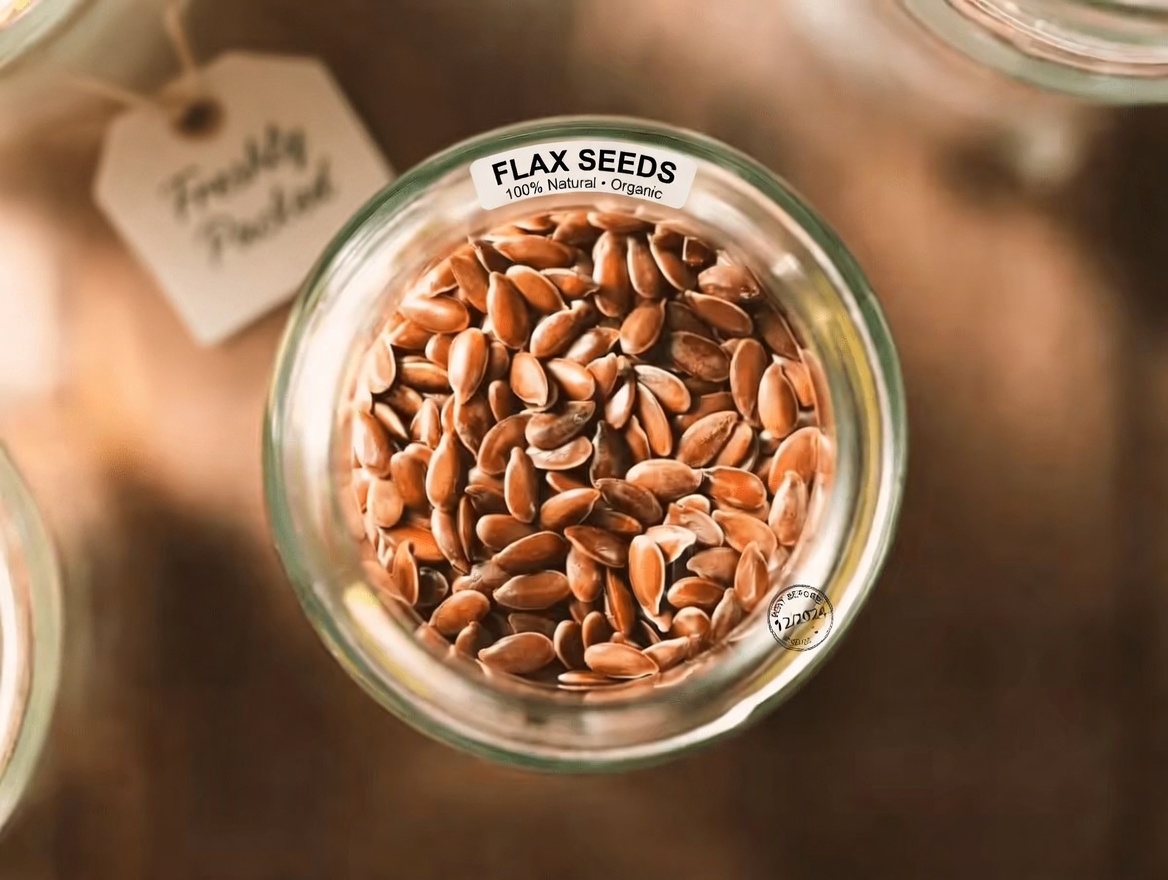
1. Flaxseeds: A Fiber and Omega-3 Standout
Flaxseeds are best known for their high level of alpha-linolenic acid, a plant-based omega-3 fat that is linked to heart health and balanced cholesterol support. They are also rich in soluble fiber, which can promote smoother digestion and help maintain regularity.
Another advantage is their lignan content. These natural plant compounds act as antioxidants, helping the body manage normal oxidative stress from daily life. For many older adults, flaxseeds can be a gentle way to support both digestive comfort and steady energy.
A key tip: flaxseeds are best eaten ground rather than whole, because grinding helps the body absorb more of their nutrients.
2. Chia Seeds: Small Seeds with Strong Hydration Support
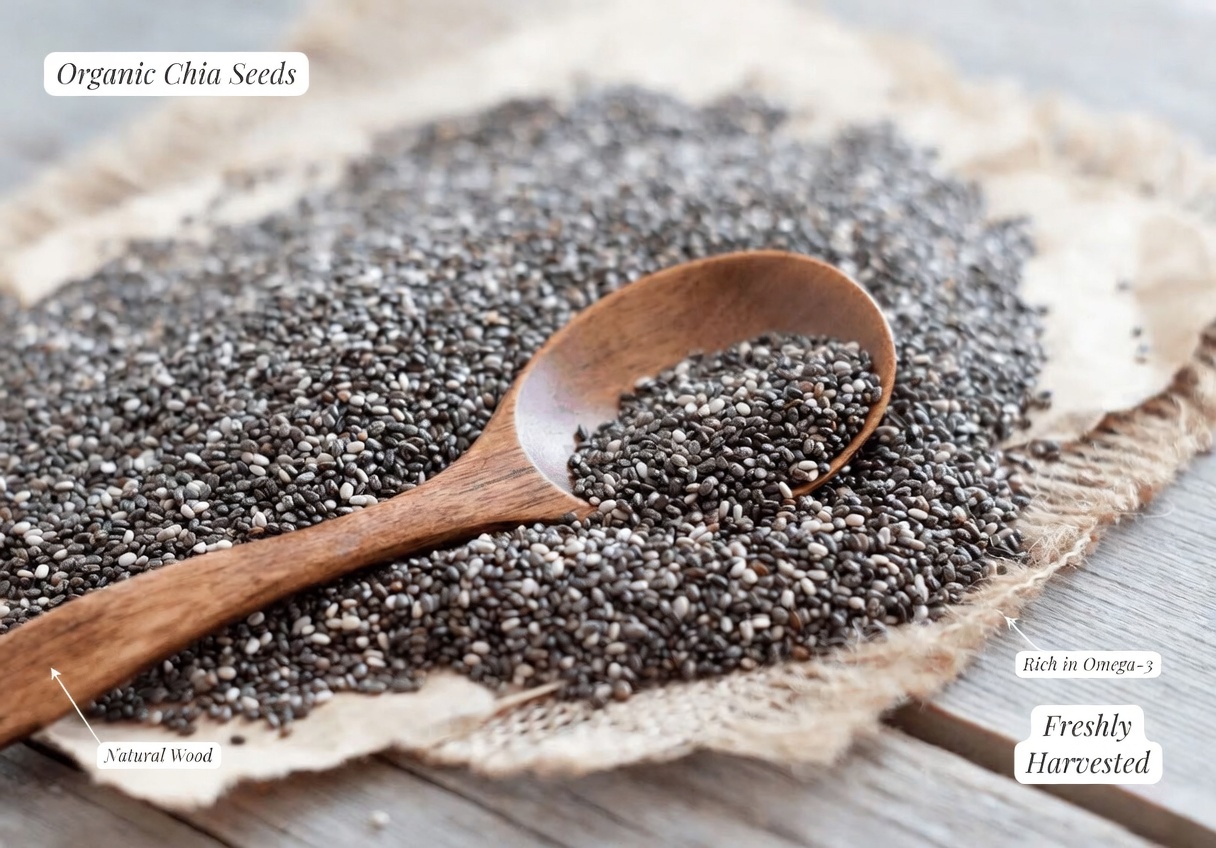
Chia seeds may look modest, but they deliver fiber, plant protein, and omega-3 fats in a compact form. When soaked or mixed with liquid, they form a gel-like texture that can help support hydration, which becomes increasingly important with age as thirst signals may become less noticeable.
They also contain minerals such as magnesium, which plays a role in muscle function and relaxation. Their fiber content may help support more stable blood sugar levels and longer-lasting fullness.
Adding just a tablespoon of chia seeds to breakfast can be an easy way to give your body a more balanced nutritional start to the day.
3. Pumpkin Seeds: Minerals for Energy, Immunity, and Bone Health
Pumpkin seeds, also called pepitas, are especially rich in zinc and magnesium. These two minerals are important for immune support, muscle function, and maintaining bone strength, which deserve extra attention later in life.
They also provide healthy fats and protein, helping support more consistent energy compared with sugary or highly processed snacks. Some observational research suggests that people who consume more of these nutrients may enjoy better vitality as they age.
Whether eaten raw or roasted, pumpkin seeds add a satisfying crunch that makes healthy eating feel enjoyable.
4. Sunflower Seeds: Antioxidant Protection in Every Bite
Sunflower seeds offer valuable amounts of vitamin E and selenium, two nutrients known for helping protect cells from everyday wear and tear. Since oxidative stress builds over time, these nutrients can be especially useful for older adults looking to support resilience and general wellness.
They also contain healthy fats that may contribute to skin hydration and joint comfort. A modest serving mixed into salads, yogurt, or a homemade snack mix can instantly make a meal more nourishing.
5. Sesame Seeds: A Simple Way to Add Calcium and Healthy Fats
Sesame seeds are often used as a topping, but they do much more than add flavor and texture. They provide calcium, a key nutrient for preserving bone density with age, along with healthy fats that support nutrient absorption.
They also contain compounds such as sesamin, which have been studied for their antioxidant properties and their possible role in supporting cardiovascular wellness. Because sesame seeds have a mild taste, they are ideal for people who want a subtle nutritional upgrade rather than a strong flavor.
6. Hemp Seeds: Complete Plant Protein for Muscle Support
Hemp seeds are especially notable because they contain complete protein, meaning they provide all the essential amino acids the body needs. Since muscle mass naturally declines with age, this makes hemp seeds particularly helpful for supporting strength and everyday mobility.
They also supply a balanced ratio of omega-3 and omega-6 fats. Their soft texture and mild, nutty flavor make them easy to blend into smoothies, yogurt, or cereal. Many people also find hemp seeds easier to digest than other protein-rich foods, which can be helpful for sensitive stomachs.
A Quick Nutrient Comparison
If you want an easier way to decide which seeds to try first, here is a simple overview:
- Flaxseeds: Best known for omega-3 fats and soluble fiber
- Chia seeds: Excellent for gel-forming fiber, hydration support, and plant protein
- Pumpkin seeds: Rich in zinc and magnesium for energy and immune health
- Sunflower seeds: High in vitamin E and selenium for antioxidant support
- Sesame seeds: Provide calcium and distinctive antioxidant compounds
- Hemp seeds: Offer complete protein and well-balanced essential fats
Rotating these seeds throughout the week can help you cover several nutritional needs without getting bored.
Easy Ways to Start Using More Seeds Today
You do not need special tools or advanced recipes to make seeds part of your routine. A few simple habits are enough:
- Start with 1 to 2 teaspoons daily of one seed to give your digestive system time to adjust
- Grind flaxseeds fresh before eating for better nutrient absorption
- Keep seeds in airtight containers in the refrigerator to protect their healthy fats
- Stir them into oatmeal, yogurt, or smoothies at breakfast
- Add them to muffins, homemade energy bites, or baked snacks
- Sprinkle them on salads, soups, or grain bowls
- Work toward 1 to 2 tablespoons total per day, using a mix of different seeds if you like
The Simple Trick That Helps You Get More Benefits
Choosing the right seeds matters, but preparation matters too. One often-overlooked step is soaking or lightly toasting most seeds before eating them. This can help improve digestibility and may make it easier for the body to access some of their nutrients.
With the exception of flaxseeds, which are best ground fresh, soaking or lightly toasting seeds takes only a few minutes and can help you get more from each serving.
Common Questions About Eating Seeds
How much should I eat each day?
A general guideline is 1 to 2 tablespoons total per day, divided between meals if you prefer. If you are not used to high-fiber foods, begin with a smaller amount and increase gradually while drinking enough water.
Are there any precautions for older adults?
Seeds are usually well tolerated, but if you use blood-thinning medication or have digestive concerns, it is a good idea to speak with your doctor first. Individual needs and tolerances can vary.
Can I combine different seeds?
Yes. Mixing two or three kinds together is a simple way to create a more balanced nutrient blend. Many people keep a small jar of mixed seeds in the fridge so they are ready to use anytime.
Final Thoughts: A Small Daily Habit with Lasting Value
Adding these six seeds to your meals is a simple step that can support better nutrition as you age. They provide fiber, healthy fats, plant protein, and important minerals in a form that is easy to use, affordable, and versatile.
The real advantage is consistency. A small amount each day can help support digestion, heart health, bone strength, and steady energy without requiring a major change in your routine. When paired with smart preparation like grinding, soaking, or light toasting, these tiny foods can deliver even more value.
Sometimes the most effective wellness habits are also the simplest. Seeds are a perfect example: small in size, but powerful in daily impact.