6 Silent Heart Attack Signs Many People Overlook
You may go through your day with a strange ache in your neck or jaw and assume it is just stress, poor posture, or a rough night of sleep. Maybe sudden nausea appears and you blame lunch, a stomach bug, or simple exhaustion. These symptoms can seem minor and easy to ignore because they do not match the dramatic chest pain people often associate with heart attacks. However, subtle warning signs can sometimes point to a much more serious heart problem. The encouraging part is that noticing these early clues may help you protect your heart before the situation becomes more dangerous.
What if the symptoms most people dismiss are actually some of the most important signals your body can give?
What Is a Silent Heart Attack?
A silent heart attack, or silent myocardial infarction, happens when blood supply to the heart becomes blocked, but the usual intense chest pain is absent or so mild that it goes unnoticed. According to research cited by the Cleveland Clinic, as many as 45% of heart attacks may be silent. They are especially common among women, older adults, and people living with diabetes.
Even without obvious symptoms, these events can still injure the heart muscle and increase the risk of future cardiovascular complications. The challenge is that the signs often resemble everyday discomforts, such as indigestion, muscle tension, fatigue, or general malaise.
Many people expect a heart attack to look like it does in movies: sudden collapse, severe chest pressure, and immediate panic. In reality, silent heart attacks often do not announce themselves so clearly. Instead, they show up as quiet, easy-to-miss warnings that people brush aside until a later medical exam reveals what happened.
The 6 Silent Heart Attack Symptoms Doctors Want You to Notice
The American Heart Association warns that silent heart attacks are more common than many realize, and their symptoms are often hidden in plain sight. Knowing what to watch for can make a real difference.
1. Jaw Pain That Seems Harmless
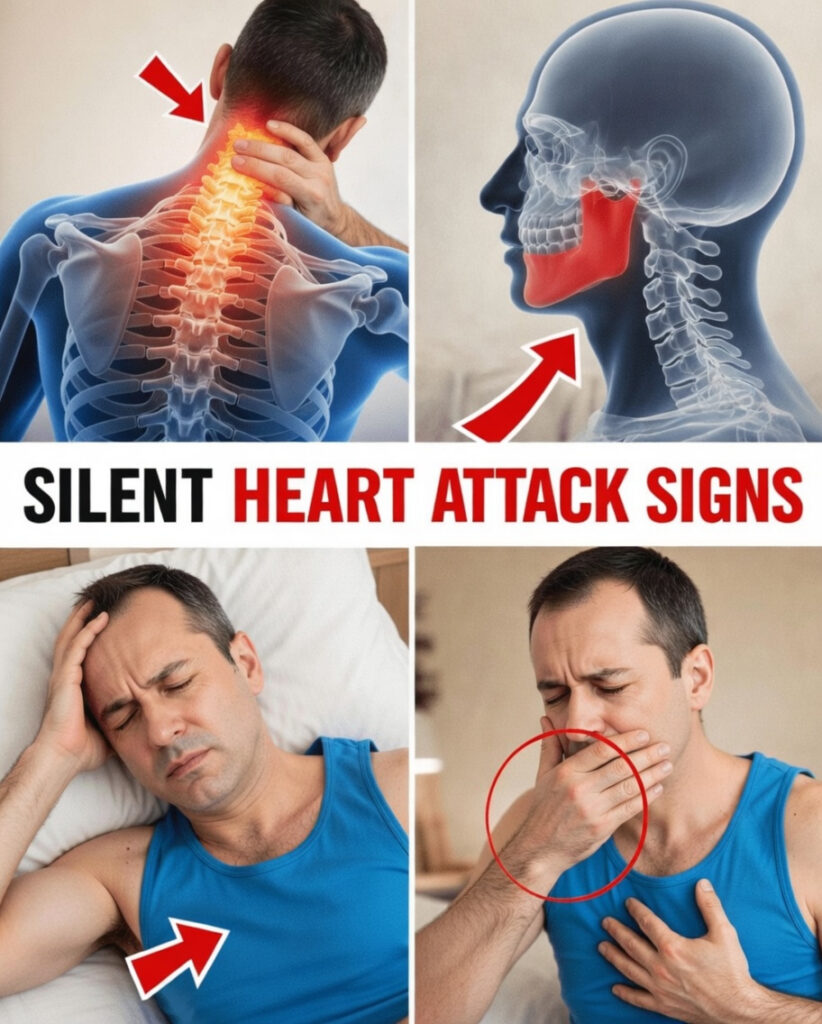
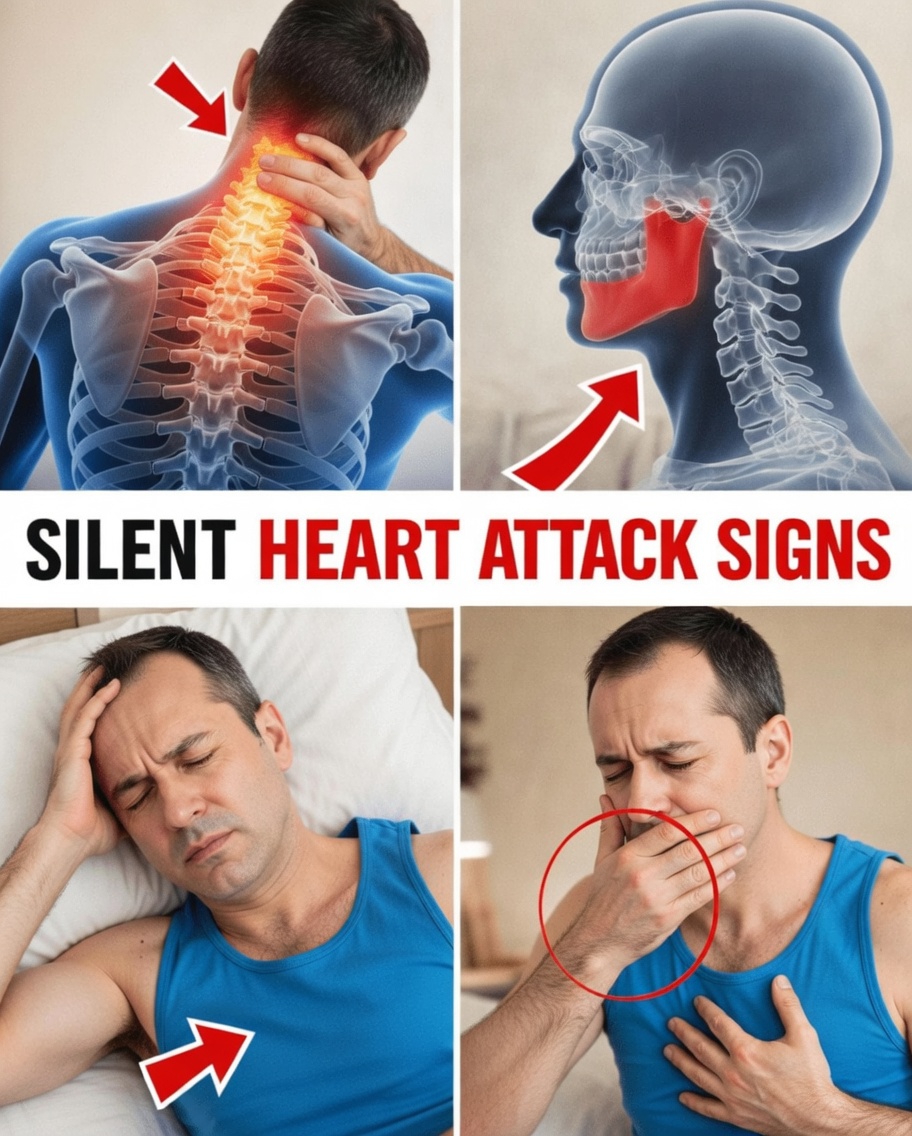
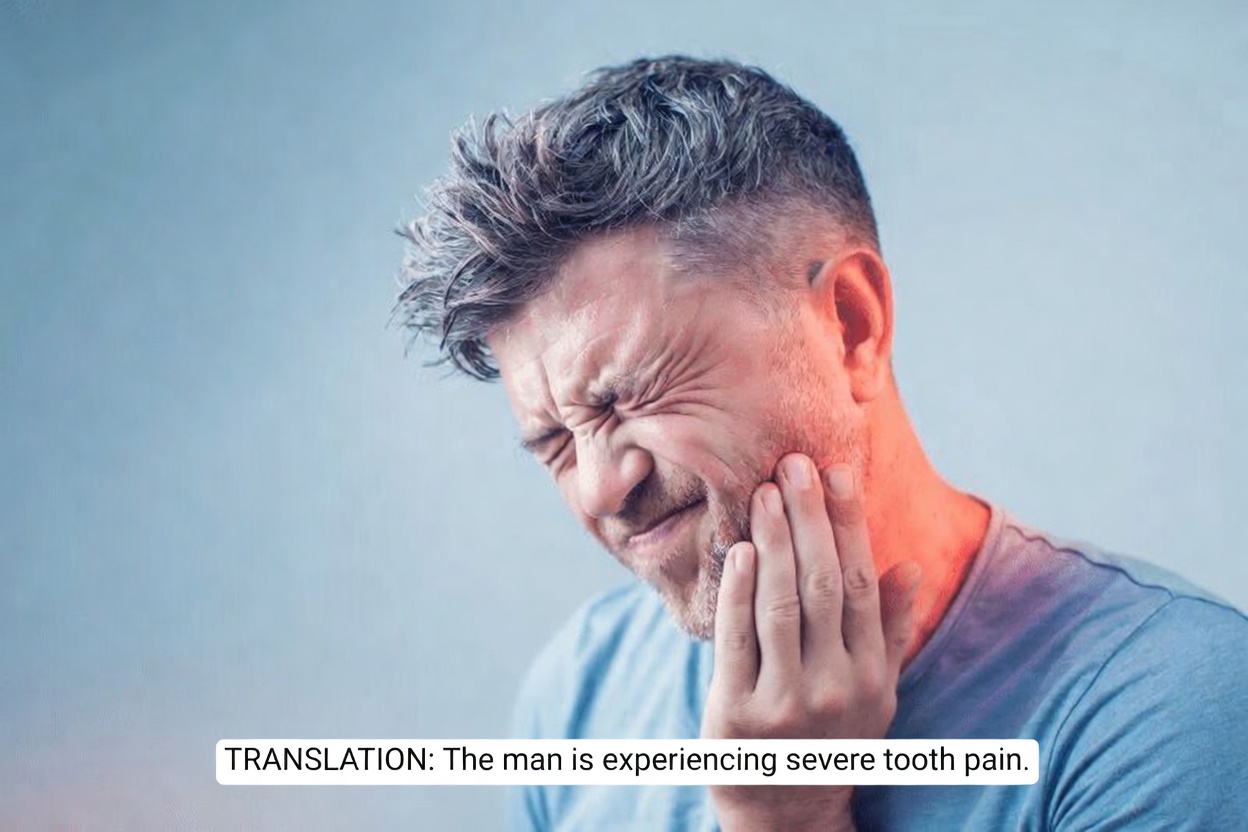
A dull ache, pressure, or discomfort in the jaw, especially on the left side, may feel like a dental issue or TMJ irritation. Yet this kind of referred pain can also happen when the heart is not getting enough blood flow. It may come and go, appear while resting, or show up after light activity, even when there is no clear dental cause.
2. Neck or Shoulder Pain That Feels Like a Pulled Muscle
Tightness, burning, or soreness in the neck, shoulders, or upper back is often mistaken for muscle strain. Many people assume they slept in a bad position or overused a muscle. However, the Cleveland Clinic notes that this kind of discomfort may also be linked to reduced oxygen reaching the heart.
3. Sudden Fatigue or an Unexplained Headache
If you wake up feeling drained despite getting enough sleep, or develop a vague but persistent headache with no clear reason, it may be more than stress or dehydration. This type of flu-like tiredness is one of the lesser-known signs associated with silent heart events, especially when it lingers and is not accompanied by typical cold or illness symptoms.
4. Nausea, Indigestion, or Ongoing Stomach Discomfort
A queasy stomach, heartburn, or digestive discomfort that will not go away can be easy to dismiss as something you ate. But the American Heart Association points out that these symptoms are often mistaken for digestive issues when they may actually reflect heart trouble. This is particularly important for women, who frequently experience less typical heart attack symptoms.
5. Shortness of Breath Without a Clear Cause
If walking up a few stairs suddenly leaves you unusually winded, or you feel breathless even while sitting still, do not ignore it. Many people blame this on poor fitness, allergies, or aging. Mayo Clinic experts caution that unexplained shortness of breath can be a key sign that the heart is struggling to function properly.
6. Dizziness, Lightheadedness, or Cold Sweats
Feeling faint, dizzy, or breaking into a cold sweat for no obvious reason can resemble anxiety, low blood sugar, or simple overexertion. Still, cardiology experts consistently list these as commonly missed signs of a silent heart attack.
Why These Symptoms Are So Often Ignored
One reason silent heart attacks are so dangerous is that their symptoms do not seem urgent. Research highlighted by the Cleveland Clinic shows that many people only recognize the warning signs in hindsight. At the time, they often attribute the symptoms to stress, aging, overwork, or minor illness.
Women in particular are more likely to report subtle symptoms rather than the classic crushing chest pain more often seen in men. That is why awareness matters so much. When you recognize the pattern early, you are more likely to seek medical attention quickly and improve your outcome.
5 Practical Ways to Support Your Heart Today
Taking care of your heart does not always require major changes. A few consistent habits can have a meaningful impact.
-
Keep track of symptoms
- Make a note on your phone whenever you notice any of the six signs above.
- A recurring pattern is often more important than a single episode.
-
Book a heart health check
- If you experience two or more symptoms that last more than a few minutes, contact your doctor or visit urgent care.
- It is always better to check than to wait.
-
Add more movement to your routine
- Even a brisk 20-minute walk each day can improve circulation and lower cardiovascular risk.
-
Choose heart-friendly foods
- Build meals around fruits, vegetables, whole grains, and lean protein.
- Reduce processed foods, excess sodium, and highly refined snacks.
-
Improve sleep and lower stress
- Long-term stress and poor sleep can quietly raise your risk of heart disease.
- Aim for 7 to 9 hours of sleep and include some form of daily relaxation.
What to Do If You Notice These Signs
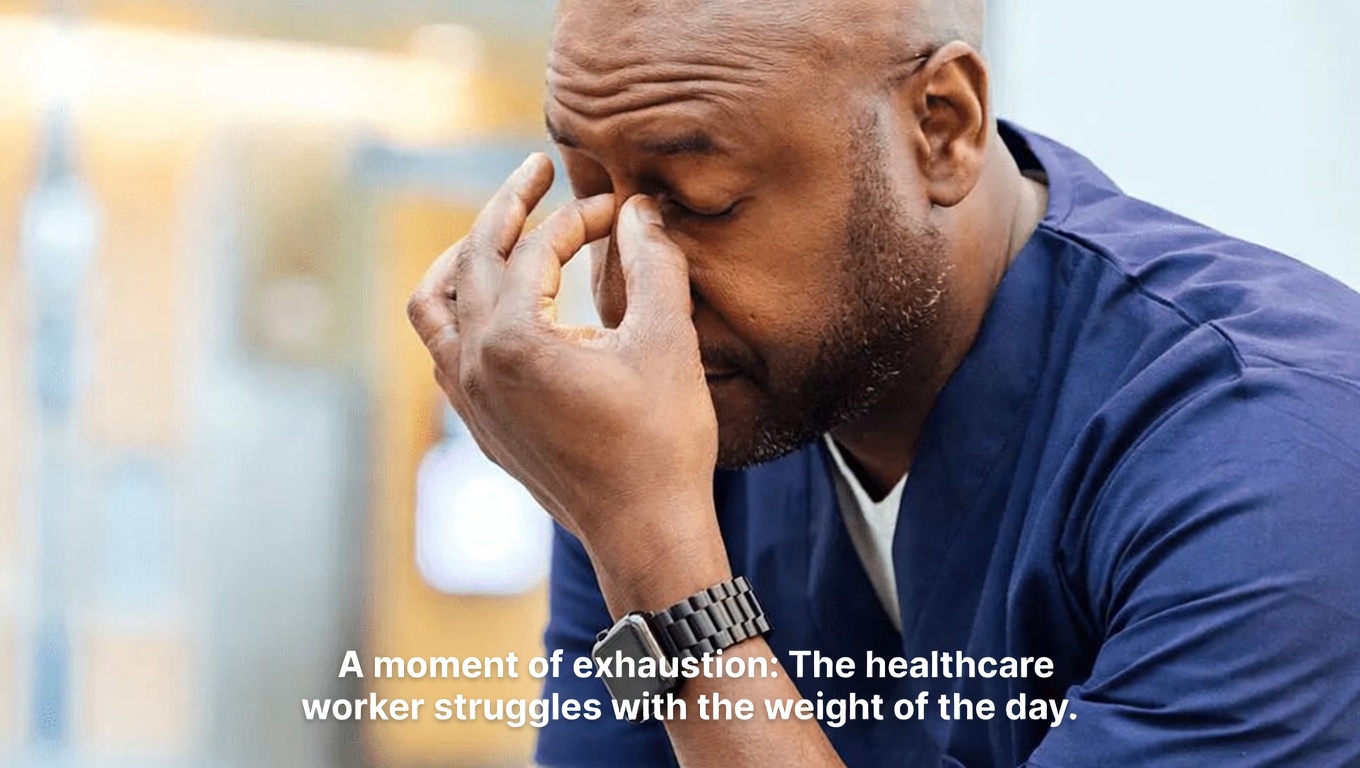
Do not wait for dramatic chest pain before taking action. If any of these symptoms feel unusual, persistent, or concerning, contact a healthcare professional as soon as possible. Early treatment can reduce damage to the heart and improve recovery.
Frequently Asked Questions About Silent Heart Attack Symptoms
What makes a heart attack “silent”?
A heart attack is considered silent when the symptoms are mild, unclear, or mistaken for something less serious, such as fatigue, indigestion, or muscle pain. Heart health organizations report that up to half of all heart attacks may fall into this category.
Who faces the highest risk of a silent heart attack?
People at greater risk include older adults, women, individuals with diabetes, and those with high blood pressure or high cholesterol. Smoking, inactivity, and other lifestyle factors can also increase the risk.
Can lifestyle changes really reduce the risk?
Yes. Regular physical activity, a balanced diet, smoking cessation, stress management, and routine medical checkups can all significantly lower your chances of heart disease, even if you have already experienced subtle warning signs.
Final Thoughts
Silent heart attacks are dangerous precisely because they are easy to miss. But they do not have to remain unnoticed. By learning these six commonly ignored signs, from jaw pain and neck tension to nausea and extreme fatigue, you are already taking an important step toward better heart health.
Listen to what your body is telling you, stay consistent with healthy habits, and seek medical care whenever something does not feel right.
Disclaimer: This article is for informational purposes only and should not be considered medical advice, diagnosis, or treatment. Always speak with a qualified healthcare professional about any symptoms or health concerns.