

6 Everyday Signs of Kidney Disease You Should Not Ignore
Waking up more exhausted than normal, noticing swollen ankles after a day of sitting, or seeing urine that looks darker than usual may seem like minor issues. Many people blame these changes on stress, not drinking enough water, or simply aging. However, these small daily signals can sometimes point to a problem with your kidneys — the organs responsible for filtering waste from the blood and helping keep the body in balance.
This article covers six common signs of kidney disease that may appear in everyday life, based on information from trusted health organizations. Be sure to read to the end, because one simple daily habit that many people forget may help support overall kidney wellness.
Why Kidney Health Is So Important
Your kidneys work continuously, filtering roughly 200 quarts of blood each day to remove excess fluid and waste products. When kidney function starts to decline, the warning signs are often subtle and easy to miss. According to the National Kidney Foundation, many people do not realize they have an issue in the early stages because symptoms can be mild or mistaken for something else.
That is why recognizing these signs early can make a meaningful difference.
1. Ongoing Fatigue or Unusual Tiredness
Feeling drained all day, even after getting enough sleep, is one of the most frequently reported signs. Reduced kidney function may allow waste to build up in the bloodstream, and it can also contribute to anemia by affecting the production of red blood cells.
Health sources such as the Mayo Clinic note that fatigue is often among the first noticeable changes. If your usual routine suddenly feels harder and even basic tasks leave you worn out, it may be worth paying closer attention.
This kind of tiredness can slowly interfere with work, home responsibilities, and everyday energy levels.
2. Changes in Urine Frequency, Color, or Appearance
A shift in bathroom habits can be another important clue. You may find yourself urinating more often, especially during the night, or notice that your urine looks darker, foamy, or otherwise unusual.
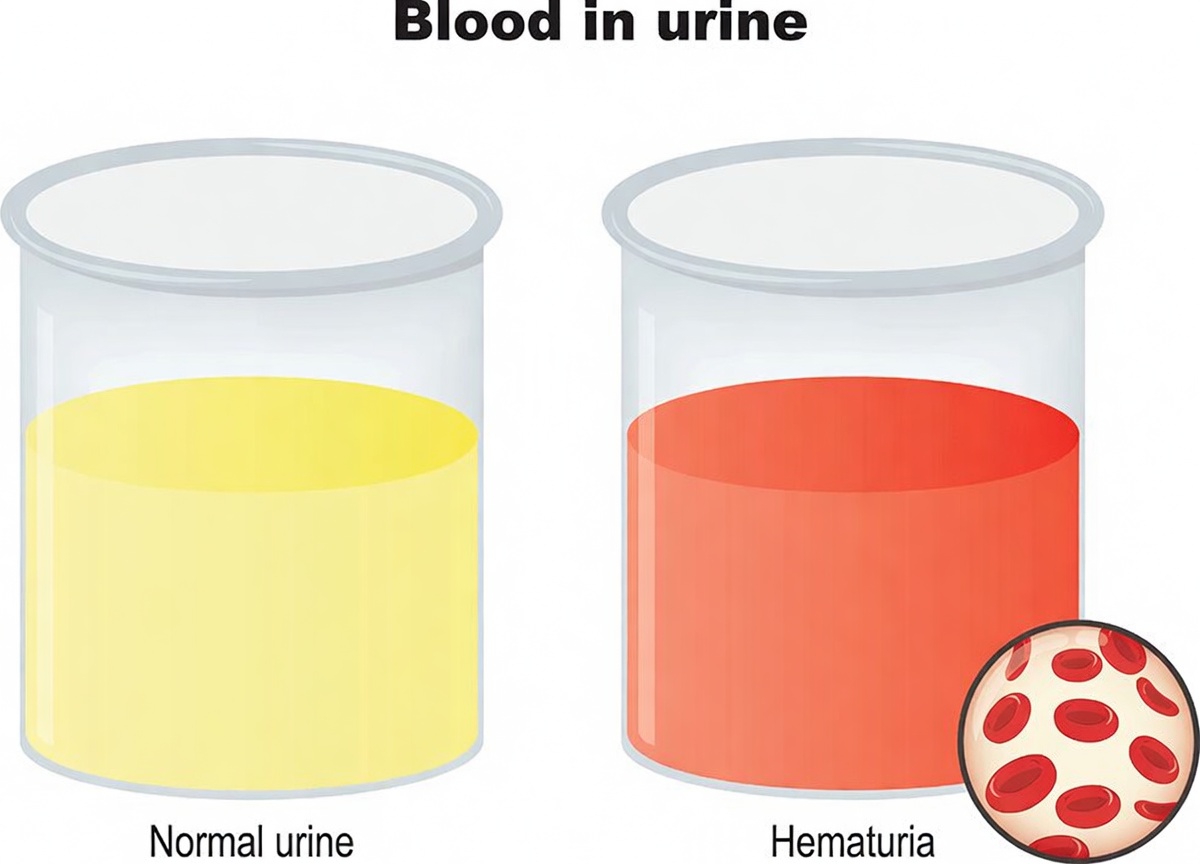
Dark yellow, brownish, or cola-colored urine may suggest concentrated waste or, in some cases, blood. Foamy urine can sometimes indicate that protein is leaking into the urine. Normally, healthy kidneys help regulate these substances, so visible changes should not be ignored.

At the same time, context matters. Urine changes can also happen because of dehydration, so it is important to look at the full picture rather than one symptom alone.
3. Swelling in the Feet, Ankles, or Legs
If your shoes feel tighter than usual or your socks leave deep marks by the end of the day, fluid retention may be the cause. This swelling, known as edema, can happen when the kidneys are not removing extra salt and water effectively.
As fluid builds up instead of being properly filtered, puffiness often becomes more noticeable in the lower legs, ankles, and feet. For many people, it is one of the first visible signs that something may be off.
In some cases, the swelling becomes worse as the day goes on and may affect comfort, movement, and daily activity.
4. Pain or Discomfort in the Lower Back or Side
Pain in the lower back or along one side of the body may sometimes be linked to kidney problems, especially when there is no obvious explanation such as muscle strain or injury.
Not everyone with kidney disease experiences pain, but for some, the discomfort shows up during movement, while sitting, or even at rest. It may feel different from typical back pain and deserves attention if it keeps returning.
Because many people assume it is just ordinary soreness, this sign is often overlooked until it begins to interfere with daily life.
5. Dry and Itchy Skin
Skin that stays dry, irritated, or itchy despite regular moisturizing may be another sign connected to kidney issues. Healthy kidneys help maintain the correct balance of minerals and nutrients in the blood. When this balance is disrupted, the skin can be affected.
This symptom may start mildly, then gradually become more uncomfortable over time. Persistent itching can be especially frustrating during the day and may even disturb sleep.
Although dry skin has many possible causes, ongoing irritation along with other symptoms could point to an underlying kidney concern.
6. Difficulty Sleeping or Trouble Concentrating
Poor sleep and mental fog can also be part of the picture. Some people have trouble falling asleep, staying asleep, or feeling mentally sharp during the day when kidney function is impaired.
A buildup of waste in the body may affect sleep quality and concentration. These symptoms are commonly reported along with fatigue and other early changes. If you are struggling to focus at work or feel mentally sluggish without a clear reason, it may be worth noting.
These signs often do not appear alone. A combination of symptoms can provide a clearer warning than any single issue by itself.
Practical Ways to Support Kidney Health
The good news is that daily habits can play a major role in supporting healthy kidneys. Here are several simple steps you can take:
- Stay hydrated: Drinking enough water throughout the day helps the kidneys remove waste more efficiently.
- Choose a balanced diet: Focus on fruits, vegetables, whole grains, and reduce heavily processed foods that are high in sodium.
- Be physically active: Walking, stretching, and regular exercise can help support blood pressure and circulation.
- Track blood pressure and blood sugar: These are important factors in kidney health and should be monitored regularly.
- Use medications carefully: Some over-the-counter pain relievers may affect kidney function when used too often or for long periods, so discuss them with your doctor.
Another useful habit is keeping a simple symptom journal. Write down what you eat, how much water you drink, and any physical changes you notice. This record can be very helpful when speaking with a healthcare professional.
Why Early Attention Matters
Noticing small day-to-day changes gives you the chance to act early. The kidneys are strong organs, but they depend on healthy lifestyle choices and timely medical care when something feels wrong.
Being aware of these warning signs can help you protect your long-term health before a more serious issue develops.
Frequently Asked Questions
1. Can kidney disease develop without clear symptoms?
Yes. In many cases, kidney problems progress quietly, especially in the early stages. That is why routine check-ups and awareness of subtle body changes are so important.
2. What should I do if I notice several of these signs?
Make an appointment with your doctor. Simple tests such as blood work and urine analysis can help evaluate how well your kidneys are functioning.
3. What lifestyle habits help support kidney health?
Healthy habits include drinking enough water, eating a low-sodium balanced diet, exercising regularly, avoiding smoking, and keeping conditions like high blood pressure and diabetes under control.
Final Thoughts
Paying attention to these six everyday signs of kidney disease may help you recognize potential problems sooner. Your kidneys perform essential work every day, and giving them proper care through awareness and healthy routines is a smart investment in your well-being.
Disclaimer
This article is for informational purposes only and should not be considered medical advice. It is not intended to diagnose, treat, or cure any disease. Always consult a qualified healthcare professional if you have concerns about your health or before making changes to your lifestyle, medications, or medical care.