When Not to Drink a Lot of Water: 6 Key Moments to Avoid
Reaching for a large glass of water whenever you feel thirsty seems harmless, even healthy. Yet overdoing it at the wrong times can disturb your sleep, cause bloating, and leave you uncomfortable for hours. These small missteps often turn normal routines into daily annoyances, from waking up exhausted to feeling heavy after meals.
Understanding when not to drink a lot of water helps you stay hydrated while still feeling light, rested, and energized. And at the end, one simple daily habit will help you put everything into practice effortlessly.
1. Avoid Drinking a Lot of Water Right Before Bed
Downing a big glass of water just before bedtime can turn a restful night into a series of bathroom trips. Each time you wake to urinate, your sleep cycle is interrupted, making it harder to reach deep, restorative sleep.
This is one of the most important times when not to drink too much water. Your kidneys continue working overnight, so any excess fluid taken right before sleep is more likely to wake you up.
A better approach is to hydrate steadily throughout the evening and have your last larger drink about 1–2 hours before bed. That way, you support your body’s needs without sacrificing quality sleep.
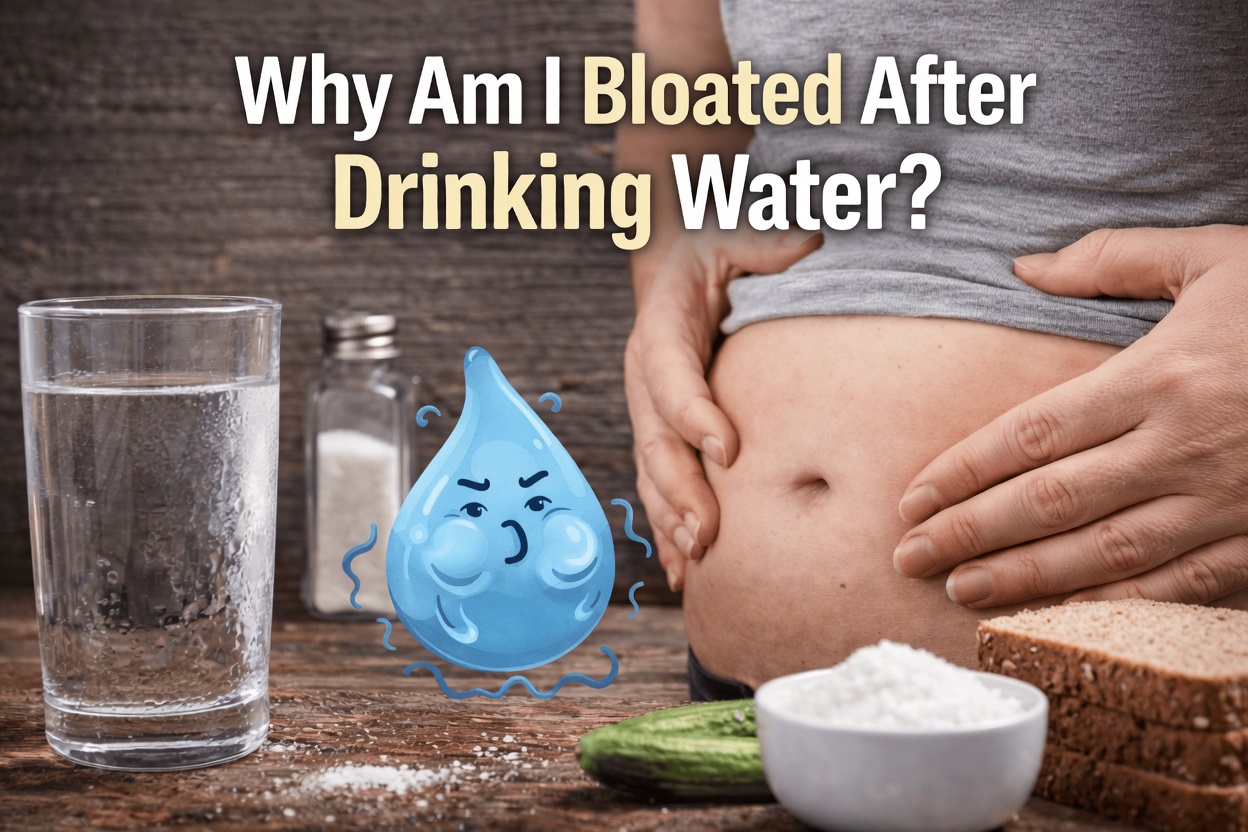
2. Avoid Drinking a Lot of Water During a Large Meal
Chugging water while eating a heavy meal can leave you feeling puffed up, overly full, and sluggish afterward. A large volume of liquid on top of a big plate of food can:
- Increase bloating and gas
- Make you feel weighed down
- Slow the digestive process for some people
This mealtime window is another key moment when not to drink a lot of water quickly. Your stomach is already busy breaking down food, and adding excess liquid may make you more uncomfortable.
Many people feel better when they take small sips with meals instead of full glasses, and focus most of their water intake between meals.
3. Avoid Gulping a Lot of Water Immediately After Intense Exercise
After a tough workout, it is tempting to guzzle a huge bottle of water all at once. However, drinking a lot of water too quickly right after intense exercise can cause:
- Stomach cramps
- Nausea or dizziness
- A sudden drop in electrolyte concentration
Rapidly flooding your system with plain water may dilute important minerals like sodium and potassium, leaving you feeling off balance.
This is a moment when not to drink a lot of water in one go. Instead, sip gradually while you cool down and rest. Consistent, moderate sipping supports smoother recovery and comfort.
4. Avoid Drinking a Lot of Water on an Already Full Stomach
When your stomach is already packed from a big meal or snack, adding a large amount of water can push you over the edge into discomfort. Common results include:
- Bloating
- Pressure or tightness in the upper abdomen
- Acid reflux or heartburn
This is another situation when not to drink a lot of water at once. Your digestive system is under enough strain from the volume of food alone.
Waiting 20–30 minutes before having more water often gives your body time to start moving food along, reducing the chance of discomfort.
5. Avoid Only Drinking Plain Water Right After Heavy Sweating
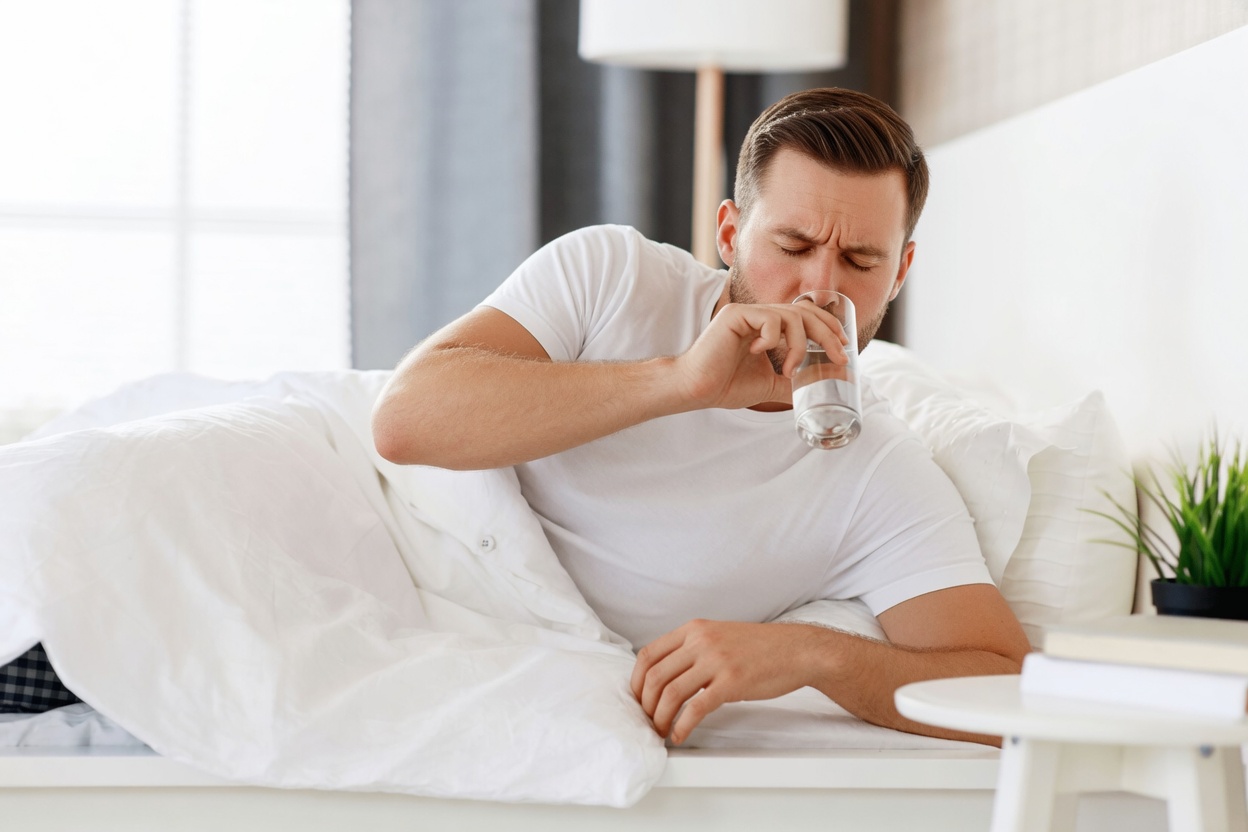
After heavy sweating—from a hot day, sauna session, or long workout—drinking large amounts of plain water alone can sometimes cause an electrolyte imbalance. This may lead to:
- Headaches
- Weakness or fatigue
- Lightheadedness
The issue is not hydration itself, but the lack of minerals. When you sweat, you lose sodium and other electrolytes. Replacing that loss with only water can dilute your blood sodium level.
During and after periods of heavy sweating, it is a time when not to drink a lot of water without adding some electrolytes. Options like electrolyte drinks, oral rehydration solutions, or coconut water can help restore balance more effectively.
6. Avoid Drinking a Lot of Water Immediately After Certain Medications
Some medications work best when they stay in contact with specific parts of your digestive tract for a certain amount of time. Drinking a lot of water right after taking them may:
- Reduce how well the medicine is absorbed
- Increase stomach upset for sensitive medications
- Move the medication through your system too quickly
This makes medication time another moment when not to drink a lot of water automatically. Antacids, stomach treatments, and some other prescription drugs may have special directions.
Always follow the instructions on the label or from your healthcare provider about how much water to drink and when.
Smarter Hydration Habits That Make Every Day Easier
Once you recognize these six key times when not to drink a lot of water, improving your hydration routine becomes simpler. You do not need strict rules—just a bit of timing and awareness.
By shifting most of your water intake to calmer moments between meals, workouts, and sleep, many people notice:
- Fewer nighttime wake-ups
- Less bloating after eating
- More steady energy throughout the day
Below is a quick comparison to guide better choices.
Quick Comparison Table: Better Choices for When Not to Drink a Lot of Water
| Situation | What Happens If You Drink a Lot of Water | Smarter Alternative |
|---|---|---|
| Before bed | Nighttime bathroom trips, broken sleep | Drink more 1–2 hours earlier, small sips later |
| During large meals | Bloating, heaviness, slower digestion | Take small sips only while eating |
| Right after intense exercise | Cramps, dizziness, diluted electrolytes | Sip slowly while resting and cooling down |
| On a very full stomach | Pressure, acid reflux, prolonged bloating | Wait 20–30 minutes before having more water |
| After heavy sweating | Possible electrolyte drop, headaches | Add electrolytes or coconut water, sip steadily |
| Right after medications | Possible interference with effectiveness | Follow label or doctor instructions on timing |
Simple Action Steps You Can Start Today
You do not need to overhaul your entire routine at once. Try these small, practical steps:
- Pick one of the six times above and adjust your water intake during that moment today.
- Flavor your water with lemon slices, cucumber, or mint to encourage slow, steady sipping instead of chugging.
- Pay attention to how you feel after meals, workouts, and before bed, then fine-tune your timing based on your body’s response.
To reflect on your current habits, ask yourself:
On a scale from 1–10, how often do you drink a lot of water during these six “no-go” times right now?
The One Habit That Brings It All Together
Imagine starting your day rested, enjoying meals without feeling overly full, and finishing workouts feeling balanced instead of drained. That easier rhythm often comes from one core habit:
Hydrate consistently throughout the day, and avoid large amounts of water during the six key times above.
Bookmark this guide and choose one change to test tomorrow. Small adjustments made consistently can lead to noticeable improvements faster than you might expect. Sharing these insights with a friend can also help both of you build smoother hydration habits.
Frequently Asked Questions About When Not to Drink a Lot of Water
How much water is safe to drink in a day?
Many adults do well with roughly 8–10 glasses (about 2–2.5 liters) spread throughout the day. However, needs vary based on body size, climate, activity level, and health conditions. Always check with your doctor for guidance tailored to you.
Can I still stay well hydrated if I avoid these times?
Yes. The goal is not to drink less overall, but to redistribute your intake to more comfortable times. By drinking regularly between meals, workouts, and sleep, you can stay fully hydrated without the side effects.
What if I feel very thirsty during one of these “avoid” times?
If you are truly thirsty, do not ignore it. Instead of chugging a full glass, take small sips, pause, and consider the smarter alternatives above—for example, using an electrolyte drink after heavy sweating or waiting a bit after a big meal.
This information is for educational purposes only and does not replace professional medical advice. Consult your healthcare provider for recommendations based on your individual health and circumstances.