

7 Best Fruits for Heart Health and Healthy Arteries After 60
As the years go by, many people begin to notice subtle changes in energy, stamina, and daily rhythms. It is also common to think more about how well the heart and blood vessels are holding up over time. Everyday stress, reduced physical activity, and normal aging can all affect circulation, making cardiovascular wellness a growing priority.
The encouraging news is that simple food choices can help. In particular, adding more fruit to your routine can be an enjoyable and practical way to support heart health.
Research continues to show that certain fruits provide valuable nutrients linked to healthy blood flow, balanced cholesterol, and better blood pressure support. In this guide, we will look at seven standout fruits often highlighted in nutrition studies, plus an easy habit at the end that can make eating them every day feel effortless.
Why Fruit Is a Smart Choice for Heart Support
Whole fruits contain a powerful combination of fiber, vitamins, minerals, and antioxidants. Together, these nutrients help the body manage oxidative stress, support circulation, and maintain healthy blood vessels.
After age 60, these benefits become especially meaningful. Nutrients such as potassium can help with blood pressure balance, soluble fiber can assist with cholesterol control, and plant compounds like polyphenols may help protect artery walls.
People who regularly eat more whole fruit often show better overall cardiovascular markers. That is not due to one single miracle ingredient, but rather the combined effect of many helpful compounds working together.
Best of all, these benefits come from foods that are naturally flavorful, refreshing, and easy to enjoy.
The 7 Best Fruits for Heart Health
Below are seven fruits that frequently appear in research on heart-friendly eating patterns. Each one offers its own nutritional advantages, making variety a smart approach.
1. Kiwifruit
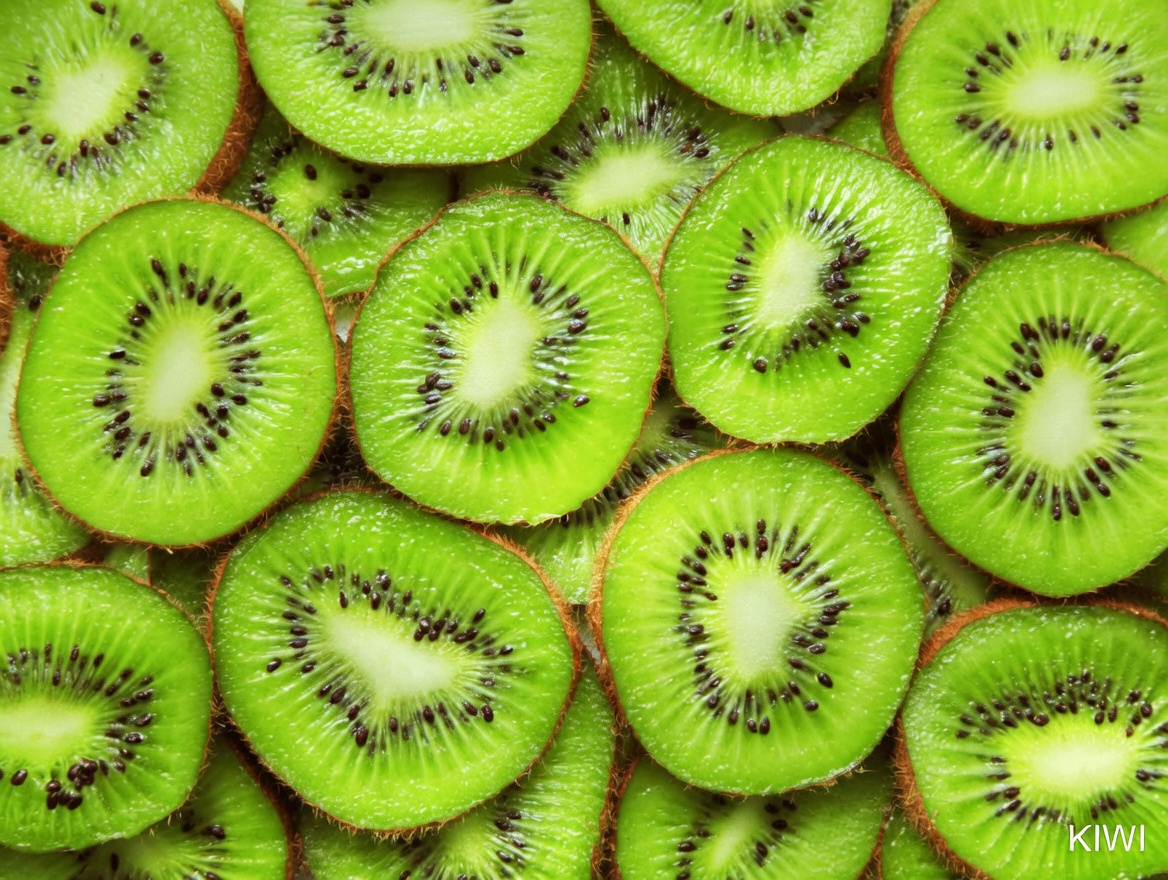
Kiwis may look modest, but they are packed with nutrition. They provide vitamin C, potassium, and beneficial fiber that supports digestion and may also help maintain healthy cholesterol levels.
Some studies suggest that regular kiwi intake may support healthy blood pressure and circulation. This may be partly due to natural compounds that gently influence platelet activity and blood flow. Kiwis are also rich in antioxidants, which help the body defend itself against everyday cellular stress.
A simple way to enjoy them is to peel and eat one on its own or add slices to yogurt at breakfast.
2. Blueberries
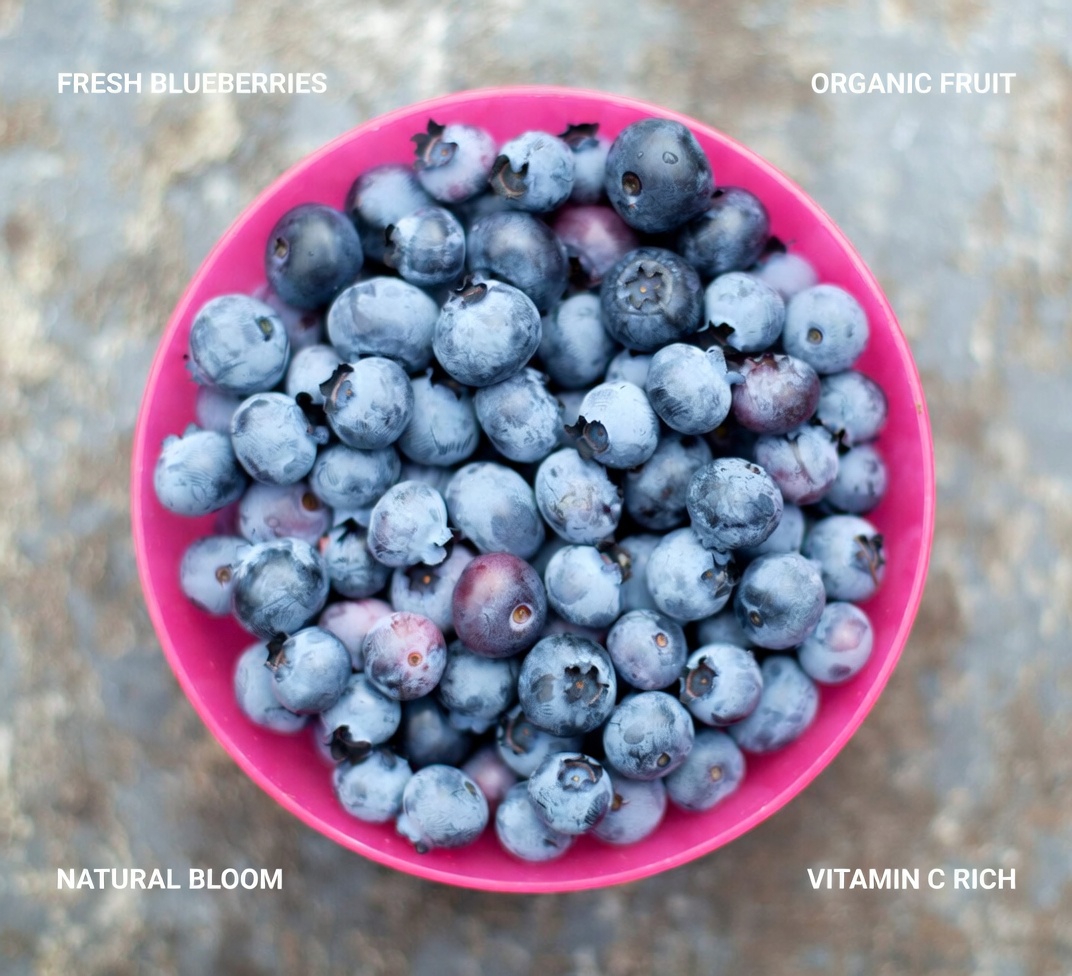
Blueberries are especially valued for their anthocyanins, the antioxidants responsible for their deep blue color. These plant compounds have been linked in research to better blood vessel function and lower oxidative stress.
They are naturally sweet, low in calories, and easy to add to meals or snacks without extra sugar. Whether fresh, frozen, or blended into a smoothie, blueberries are one of the easiest heart-supportive fruits to include in a regular diet.
3. Strawberries
Strawberries offer vitamin C, fiber, and a wide range of polyphenols. These nutrients may help the body maintain healthy inflammation levels and support cholesterol balance.
Another reason strawberries are so popular is their versatility. They work well in oatmeal, yogurt, smoothies, or simple fruit bowls. Their bright flavor can make nutritious eating feel more enjoyable and less restrictive.
4. Apples
Apples remain a classic healthy choice for good reason. They contain pectin, a soluble fiber known for helping the body remove excess cholesterol through digestion. The skin also supplies quercetin, a flavonoid associated with cardiovascular support.
Eating apples whole gives you the most fiber, but sliced apples also make an easy and satisfying snack. They are convenient, filling, and widely available year-round.
5. Oranges
Oranges and other citrus fruits provide plenty of vitamin C along with flavonoids that may help support blood vessel flexibility. They also contain potassium, which plays an important role in blood pressure regulation.
Their juicy texture and fresh taste make them a refreshing option at any time of day. Enjoy one as a snack or add orange segments to salads for a simple nutrition boost.
6. Pomegranates
Pomegranates are prized for their punicalagins and other antioxidant compounds. Research suggests these nutrients may help support healthy circulation by protecting the lining of the arteries from daily wear and tear.
The ruby-red seeds can be sprinkled over yogurt, salads, or oatmeal for extra flavor, texture, and nutritional value. They add a colorful touch while contributing to a heart-conscious eating pattern.
7. Avocados
Although many people think of them as vegetables, avocados are technically fruits. They stand out because they provide monounsaturated fats, fiber, and potassium.
These nutrients are often associated with healthy cholesterol levels and blood pressure support. Avocados are also satisfying and creamy, which makes healthy meals feel more enjoyable. Try spreading a small amount on whole-grain toast or blending it into a smoothie.
How These Fruits Help Arteries and Circulation
The real advantage comes from variety. Different fruits contribute different nutrients, and those nutrients complement one another.
For example:
- Apples and avocados provide fiber that can support cholesterol management.
- Blueberries, strawberries, and pomegranates supply antioxidants that help protect blood vessels.
- Kiwis and oranges add potassium, which supports healthy blood pressure.
This means you do not need expensive supplements or a complicated eating plan. Consistently choosing a mix of these fruits can be a practical way to support arterial wellness over time.
Easy Ways to Add More Heart-Healthy Fruit to Your Day
Making fruit a daily habit does not have to be difficult. Small steps are often the most sustainable.
-
Start the morning well
- Add sliced kiwi or orange to breakfast for a fresh nutrient boost.
-
Choose better snacks
- Keep strawberries or blueberries in the refrigerator so you can reach for them instead of processed snacks.
-
Upgrade everyday meals
- Add apple slices to salads or avocado to sandwiches for more fiber and healthy fats.
-
Blend simple combinations
- Mix pomegranate seeds with banana and a little yogurt for a quick smoothie that supports hydration and heart health.
-
Use a practical serving goal
- Aim for 2 to 3 servings of fruit per day.
- One serving is usually one medium fruit or about one cup of berries.
These small habits tend to feel realistic, especially for adults who want long-term results instead of extreme changes.
Why Consistency Matters More Than Perfection
Heart health responds better to steady daily habits than to occasional bursts of effort. Eating more fruit regularly, staying hydrated, getting enough rest, and including light movement each day can all work together to support long-term cardiovascular wellness.
You do not need to eat perfectly. What matters most is building routines you can maintain.
A Simple Daily Habit That Makes It Easier
One of the easiest strategies is to prepare a daily fruit bowl or pre-portioned fruit container each morning. Fill it with one or two of your favorites and keep it visible in the kitchen or refrigerator.
When healthy options are already washed, sliced, and ready to eat, you are much more likely to enjoy them consistently. That one simple habit can make heart-friendly eating feel effortless.
Conclusion
Including these seven fruits in your weekly routine can be one of the most pleasant and effective ways to support heart health as you age. They are delicious, affordable, easy to find, and supported by strong nutrition research.
From fiber-rich apples to antioxidant-packed berries and circulation-friendly pomegranates, each fruit offers something valuable. Start with one or two favorites this week and build from there. Over time, those small choices can make meals more satisfying and support better cardiovascular wellness.
Your heart benefits from thoughtful care, and fruit is one of the simplest places to begin.
FAQ
1. How soon might I notice benefits from eating more of these fruits?
Some people say they feel more refreshed or energized within a few weeks of eating better overall. Measurable improvements in heart-related markers usually take longer and are more likely to appear over months, especially when fruit intake is combined with a balanced diet and healthy lifestyle habits.
2. Are these fruits okay if I am monitoring blood sugar?
In most cases, yes. Whole fruits contain natural fiber, which helps slow digestion and makes them easier to tolerate than sugary processed foods. Pairing fruit with protein or healthy fats, such as nuts or yogurt, may help keep blood sugar steadier. For individualized guidance, it is always best to speak with your doctor or dietitian.
3. Can I use frozen or dried fruit instead of fresh?
Yes, frozen fruit can be an excellent option and often retains much of its nutritional value. Dried fruit can also work, but it is more concentrated in sugar and calories, so portion size matters. Choose unsweetened versions whenever possible and prioritize whole fresh or frozen fruit most often.