
Subtle Digestive Changes You Should Never Ignore
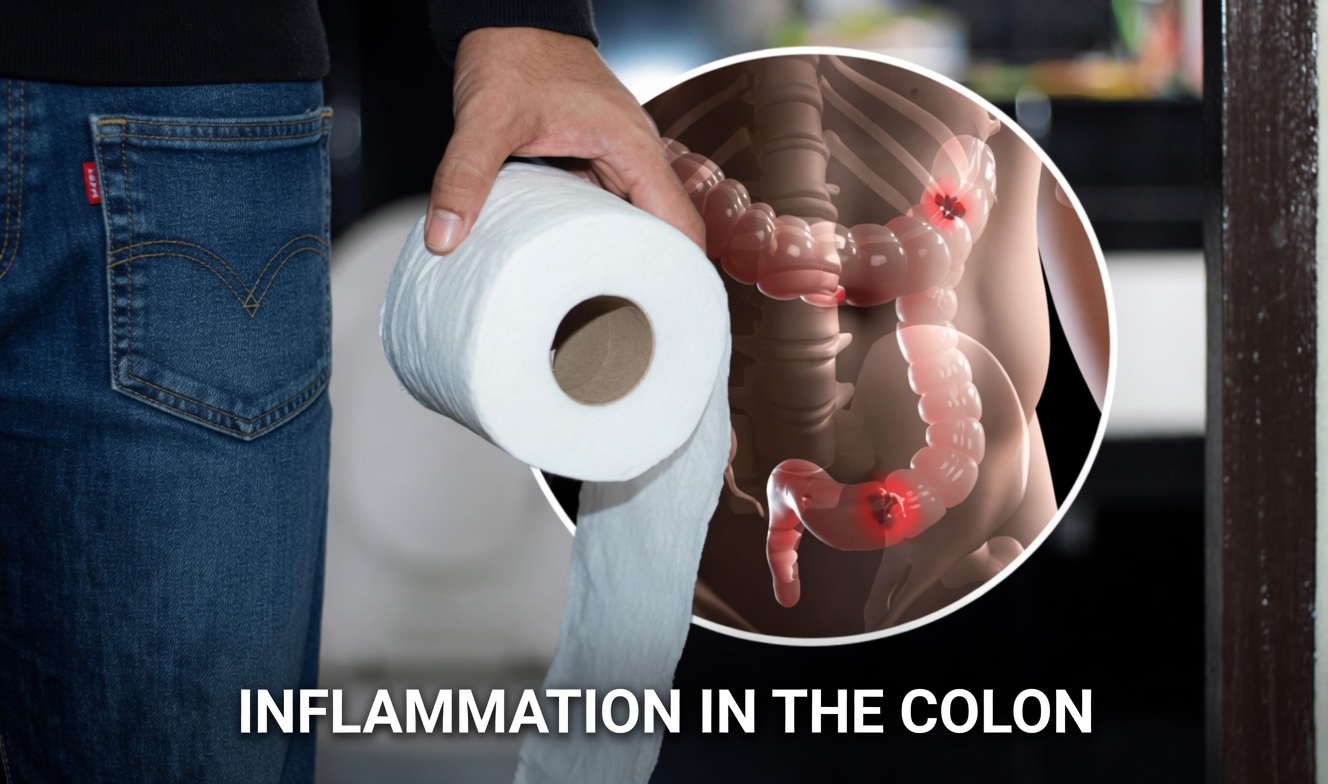
Changes in your bathroom habits or ongoing discomfort in your abdomen can feel easy to dismiss, especially when your schedule is already full. At first, these issues may seem minor. But when they continue, they can affect your comfort, confidence, and overall quality of life more than you might expect.
The good news is that awareness can make a real difference. Knowing what to watch for helps you respond early and make informed decisions. And there is one important takeaway that connects everything in this article: understanding your body’s signals can completely change the way you care for your health.
Why Colon Health Deserves More Attention
Many people assume occasional bloating, constipation, or an unusual bowel movement is no big deal. However, guidance from trusted organizations such as the Mayo Clinic suggests that many colon-related problems begin with subtle warning signs that are easy to overlook.
Your body often sends early clues before a bigger issue develops. Ignoring those clues does not make them go away. It only delays action.
The encouraging part is that you do not need medical training to become more aware. You simply need to notice recurring patterns and recognize when it is time to seek advice. Even better, when you combine symptom awareness with supportive daily habits, you gain more control over your digestive wellness.

7 Important Symptoms to Watch Closely
According to experts from the Mayo Clinic and the American Cancer Society, several digestive changes deserve attention. These symptoms do not automatically point to one specific condition, but they should not be ignored.
1. Changes in bowel habits
A sudden shift in your normal routine may be one of the earliest signs that something is different. This can include:
- More frequent diarrhea
- Constipation that does not resolve
- Stools that become noticeably thinner than usual
If these changes continue for more than a few days, it may be time to look more closely.
2. Rectal bleeding or blood in the stool
Seeing blood can be alarming, whether it appears as bright red streaks on toilet paper or as dark, tarry stool. The Mayo Clinic notes that this is a common symptom people report, yet many hesitate to bring it up. Even one occurrence is worth paying attention to.
3. Ongoing abdominal discomfort
Persistent cramping, gas, bloating, or a dull ache in the belly can be frustrating, especially when it does not improve after eating or using the bathroom. If the discomfort keeps returning or lasts for weeks, it is a sign to start tracking it.
4. A feeling of incomplete bowel emptying
If you still feel like you need to go after using the restroom, that sensation may seem minor at first. Still, the CDC identifies this as an important change that many people notice early on.
5. Unexplained weight loss
Losing weight without changing your eating habits or activity level may seem harmless at first. But when weight loss happens alongside digestive changes, it deserves a closer look.
6. Persistent fatigue or weakness
Unusual tiredness that does not improve with rest can sometimes be linked to low iron levels caused by slow internal blood loss. Research suggests this symptom may be more common than many people realize.
7. Narrow or ribbon-like stools
If your stool becomes pencil-thin or ribbon-shaped for several days in a row, it may reflect narrowing within the colon or rectum. The American Cancer Society recommends discussing this change with a healthcare professional promptly.
It is also important to remember that these symptoms do not always appear together. They can also overlap with more common issues such as stress, diet changes, or temporary digestive upset. That is exactly why careful observation matters.
5 Easy Ways to Monitor Symptoms at Home
Paying attention to your health does not have to be stressful. Small tracking habits can help turn uncertainty into useful information.
Practical steps you can start today
- Keep a short daily note on your phone about bowel movements, discomfort, and how long symptoms last.
- Take a clear photo of concerning stool if needed, so you can show it to a healthcare provider later.
- Monitor your energy levels and note any unusual fatigue along with what you eat.
- Watch for patterns connected to certain foods, since triggers can become obvious over time.
- Set a reminder every two weeks to review your notes and decide whether a medical check-in makes sense.
These simple habits can help you describe symptoms more clearly if you need professional guidance. In some cases, people even notice improvements simply because they begin paying closer attention and making small lifestyle changes.

Daily Habits That Support Colon and Digestive Health
Healthy routines can have a powerful impact on how your digestive system functions. Research regularly shows that a few everyday choices can support better colon health and overall well-being.
Helpful habits to build into your routine
- Eat more fiber-rich foods, including fruits, vegetables, legumes, and whole grains.
- Drink water consistently throughout the day instead of waiting until you feel thirsty.
- Stay physically active, even if it is just a 20-minute daily walk.
- Cut back on processed meats and meals that are very low in fiber when possible.
- Try to use the bathroom regularly rather than delaying the urge to go.
An added benefit is that these habits often support energy, comfort, and general wellness at the same time.
When to Speak With a Healthcare Professional
If any of the symptoms listed above continue for more than two weeks, or if something simply does not feel right, it is wise to contact a healthcare professional sooner rather than later.
The Mayo Clinic recommends preparing for your visit by writing down:
- What symptoms you have noticed
- When they began
- How often they occur
- Any family history related to colon health
This information can help your doctor guide the next steps without making assumptions too quickly.
In many cases, these symptoms are caused by something less serious. Still, getting clear answers can provide reassurance and help you move forward confidently.
The Key Insight That Changes Everything
Here is the most important point: people who stay proactive by tracking symptoms and maintaining healthy habits often identify changes earlier and feel more in control of their health.
This is not about fear. It is about empowerment.
Your body gives signals for a reason. When you learn to notice and respect them, you put yourself in a much stronger position to protect your long-term wellness.
Frequently Asked Questions
Can these symptoms happen for reasons other than a serious condition?
Yes. Stress, medication, infections, and changes in diet can all cause symptoms that look similar. That is why professional evaluation is the best way to understand what is going on.
When should adults start thinking about colon health screening?
General guidelines often recommend starting the conversation around age 45. If you have symptoms or a family history of colon-related conditions, your doctor may suggest earlier screening.
What if I notice blood but feel completely fine otherwise?
Do not ignore it. Even a single episode should be mentioned to a healthcare professional. Early discussion may lead to reassurance, testing, or useful next steps.
Final Thoughts
Paying attention to your body does not need to feel complicated or frightening. By noticing changes, keeping simple records, and asking for help when needed, you give yourself a better chance of staying well and feeling your best.
Small actions truly matter, and over time, they can add up to meaningful protection for your digestive health.
Disclaimer
This article is for informational purposes only. It does not diagnose, treat, or replace professional medical advice. Always speak with a qualified healthcare provider if you have concerns about your health.