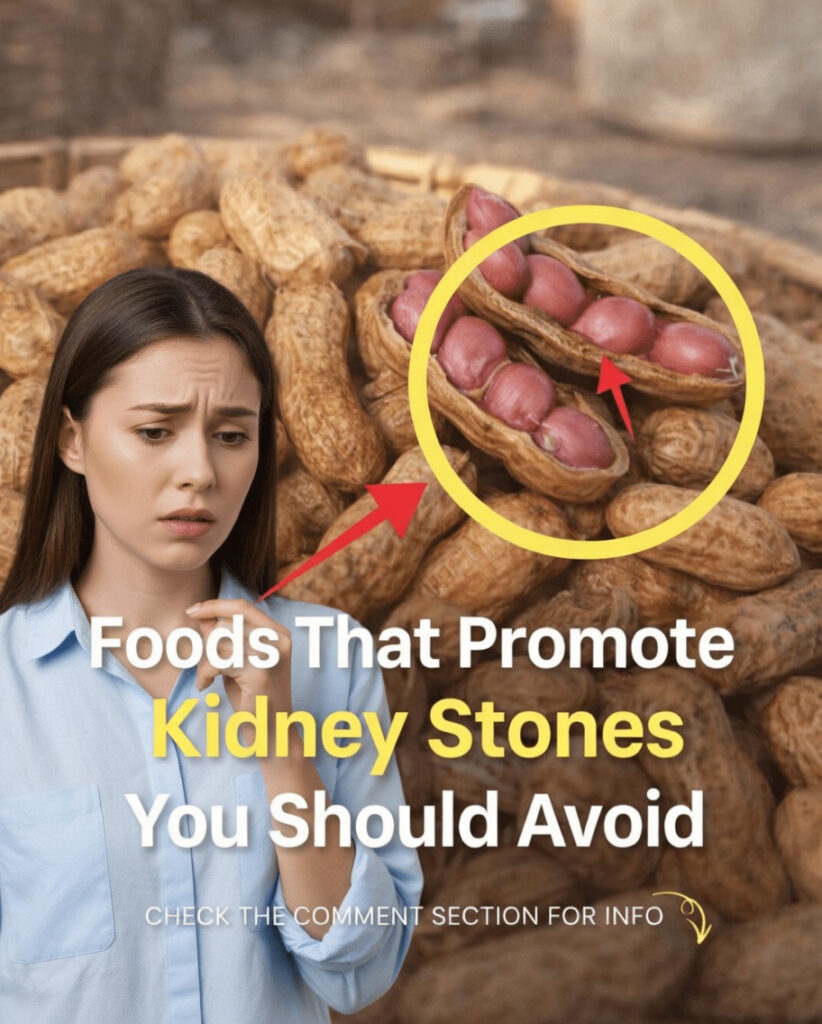
Foods and Drinks That May Increase Kidney Stone Risk
Worrying about kidney stones can be exhausting, especially when simple daily habits like eating and drinking may affect your risk. The pain of passing a stone—or dealing with related urinary issues—can interrupt normal life and make you more cautious about what goes on your plate.
The good news is that understanding a few common dietary triggers can help you make smarter choices. Certain foods and beverages are naturally higher in compounds such as oxalates, sodium, or purines, all of which may contribute to stone formation in some people.
And here’s the interesting part: at the end of this guide, you’ll find a surprisingly easy habit that can help you stay hydrated while still enjoying flavorful drinks.
How Kidney Stones Form and Why Diet Matters
Kidney stones develop when substances in the urine become concentrated and start to crystallize. This often happens when the body is dehydrated or when urine contains elevated levels of minerals and compounds that promote stone formation.
According to organizations such as the National Kidney Foundation, food and drink choices can influence how much of these stone-forming substances build up in the body.
That does not mean you need to completely avoid every favorite food. In many cases, the key is portion control and frequency. Below are seven common items often associated with a higher risk of kidney stones.
1. Iced Tea and Powdered Tea Beverages
Many iced teas—especially instant or powdered versions—contain significant amounts of oxalates, a natural substance found in many plants.
When oxalates are consumed in large amounts, they can combine with calcium and form crystals that may collect in the kidneys. Research published in the American Journal of Kidney Diseases suggests that high-oxalate beverages may raise urinary oxalate levels, increasing stone risk in susceptible individuals.
Tea also contains caffeine, which has a mild diuretic effect. If you are not drinking enough plain water, that may make it harder to stay properly hydrated.
Smarter ways to enjoy tea
- Have it occasionally instead of every day, such as once a week
- Drink at least two glasses of water afterward
- Choose herbal teas like chamomile for a lighter, lower-risk option
Spacing out your intake can help you enjoy the flavor without overloading on oxalates.
2. Chocolate and Cocoa-Based Drinks
Chocolate and cocoa naturally contain oxalates, which means frequent intake may increase oxalate levels in the urine over time.
This is important because calcium oxalate stones are the most common type, according to the Mayo Clinic. Daily hot cocoa, chocolate milk, or regular chocolate snacking may seem harmless, but it can add up for people who are already prone to stones.
Even dark chocolate, though often praised for its antioxidants, can still be an issue if eaten in large amounts.
Tips for keeping chocolate in moderation
- Limit yourself to a small piece or one serving per week
- Consider milk chocolate instead of dark chocolate, as it may be somewhat lower in oxalates
- Eat chocolate with dairy foods, since calcium may help bind oxalates in the digestive tract
A few small adjustments can make chocolate easier to enjoy more safely.
3. Spinach and Other High-Oxalate Greens
Spinach is packed with nutrients, but it is also one of the richest dietary sources of oxalates.
Eating large portions—whether raw in salads or cooked in meals—can increase oxalate intake considerably. Guidance from the Harvard T.H. Chan School of Public Health highlights spinach as a food that may matter for people at risk of kidney stones.
Cooking may lower oxalate content slightly, but portion size still matters.
Better ways to include leafy greens
- Keep portions to about half a cup cooked, only a few times a month
- Blanch spinach first to reduce some of the oxalates
- Combine it with lower-oxalate greens such as kale
This approach lets you benefit from its vitamins and minerals while staying mindful of stone risk.

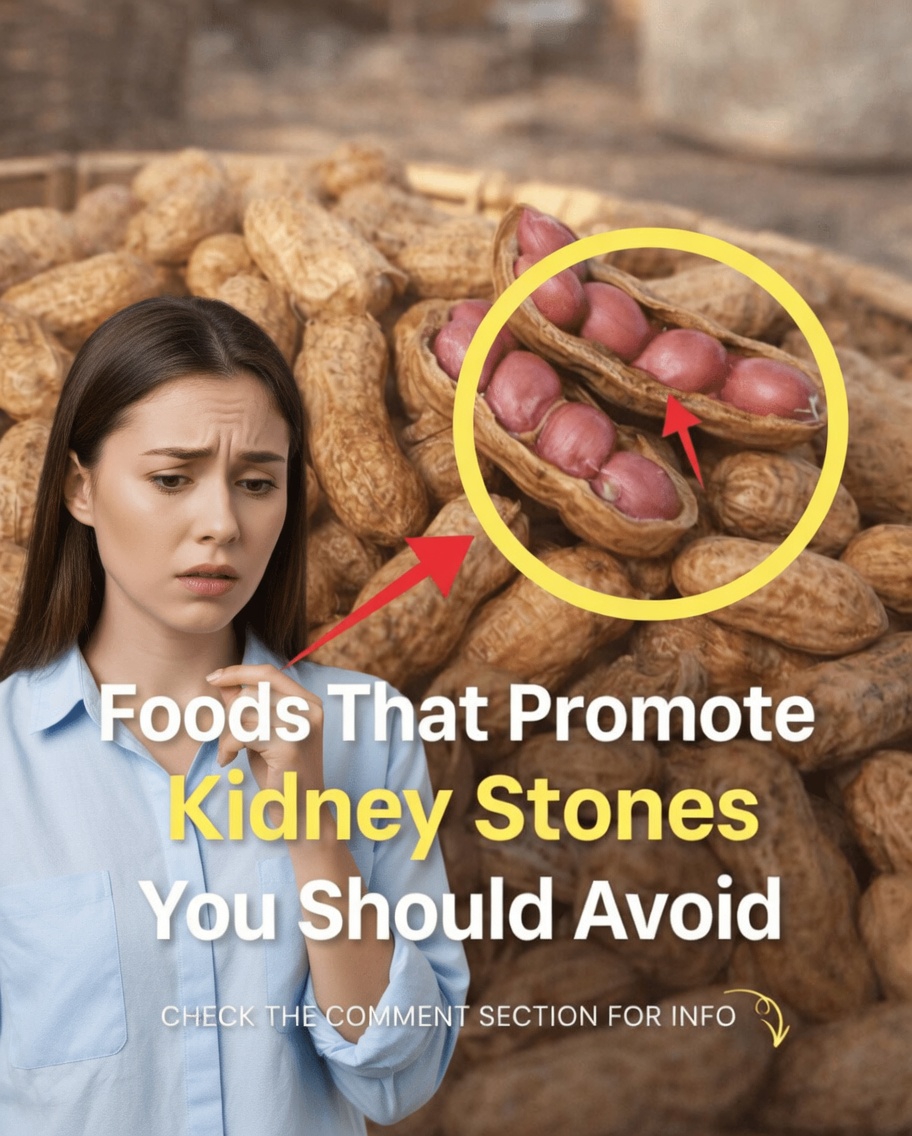
4. Nuts and Peanut Products
Nuts provide healthy fats, plant protein, and important nutrients, but many also contain moderate to high amounts of oxalates.
Regularly eating large servings of peanuts, peanut butter, almonds, or mixed nuts may raise urinary oxalate levels. Findings discussed in the Journal of Urology suggest this can be especially relevant for people with a personal or family history of kidney stones.
Roasting may reduce oxalate levels somewhat, but usually not enough to remove concern completely.
How to enjoy nuts more carefully
- Limit portions to about 1 ounce at a time
- Use peanut butter sparingly, such as a thin spread on whole-grain toast
- Rotate in lower-oxalate options like macadamia nuts when possible
Moderation allows nuts to remain part of a balanced diet without becoming excessive.
5. Very Salty Foods
Highly processed foods such as potato chips, instant noodles, salted dried fish, and many canned products can contain large amounts of sodium.
Too much sodium may increase the amount of calcium excreted in urine, creating conditions that support stone formation. The Cleveland Clinic notes that this is one reason high-salt diets can raise kidney stone risk.
Another issue is that salty foods may replace healthier meals and contribute to dehydration if water intake is poor.
Common high-sodium foods to watch
| Food Category | Common Examples | Suggested Limit |
|---|---|---|
| Snacks | Chips, pretzels | 1 small serving per week |
| Quick meals | Instant noodles | Avoid or reduce portions by half |
| Protein sources | Salted fish | Choose fresh alternatives when possible |
Practical ways to cut sodium
- Read food labels carefully
- Reduce packaged and processed snacks
- Use herbs and spices for flavor instead of extra salt
Lowering sodium can support both kidney health and overall wellness.
6. Foods Rich in Purines
Some foods are high in purines, compounds that break down into uric acid. Organ meats like liver, as well as sardines and anchovies, are among the best-known examples.
When uric acid levels become too high, crystals can form and contribute to uric acid stones, especially in people with gout or certain metabolic conditions. The National Institute of Diabetes and Digestive and Kidney Diseases points to purine-heavy diets as one factor that can influence this process.
Not all protein sources carry the same risk, which is why choosing leaner alternatives can help.
Ways to reduce purine overload
- Keep high-purine foods to 1 to 2 small servings per week
- Rinse canned sardines to remove some sodium
- Include more plant-based proteins like lentils and beans when tolerated
Balancing your protein choices can make meals more kidney-friendly.
7. Soft Drinks and Sugary Beverages
Sodas, sweetened fruit drinks, and similar beverages are often high in fructose, which may increase uric acid production.
They can also reduce total water intake if they replace plain water, leading to more concentrated urine. Studies published in the British Journal of Urology International have linked sugary drink consumption with a higher risk of kidney stone development.
Even diet sodas may not be ideal, as some contain phosphoric acid, which may affect kidney health over time.

Better beverage habits
- Replace soda with water infused with lemon or cucumber
- Treat soda as an occasional indulgence, such as once a month
- Keep a simple drink log to stay aware of how much you consume
Gradual changes are often easier to maintain than strict restrictions.
Additional Ways to Support Kidney Health
Limiting high-risk foods can help, but hydration remains one of the most important strategies for reducing kidney stone risk.
Helpful habits to prioritize
- Aim for 8 to 10 glasses of water daily
- Include citrus fruits such as lemons, which provide citrate, a substance that may help reduce crystal formation
- Stay physically active to support overall metabolic health
- Speak with a healthcare professional for guidance tailored to your stone history and medical needs
A personalized plan is especially important if you have had kidney stones before.
Final Thoughts
Being aware of these seven common triggers—iced tea, chocolate, spinach, nuts, salty foods, purine-rich foods, and sugary drinks—can help you make more informed choices for kidney health.
You do not always need to eliminate them completely. In many cases, small and consistent changes are enough to lower your risk and improve daily well-being.
And that surprising habit mentioned earlier? Try making low-oxalate herbal tea at home, such as peppermint with a squeeze of lemon. It is a refreshing way to increase fluid intake while avoiding some of the usual kidney stone concerns.
Frequently Asked Questions
What signs may suggest a risk of kidney stones?
Possible warning signs include:
- Sharp pain in the back, side, or lower abdomen
- Blood in the urine
- Frequent urinary tract infections
- Painful urination
These symptoms do not confirm kidney stones on their own, so a doctor should evaluate them properly.
Can I still eat these foods if I drink a lot of water?
Water helps dilute urine, which is beneficial. However, hydration does not fully cancel out the effects of regularly eating or drinking large amounts of high-risk items. Moderation is still important.
Does diet affect different types of kidney stones in different ways?
Yes. For example:
- Oxalate-rich foods may play a role in calcium oxalate stones
- Purine-rich foods may raise the risk of uric acid stones
Knowing the type of stone you have—through proper testing—can help guide better dietary choices.
Important Note
This article is for informational purposes only and should not replace medical advice, diagnosis, or treatment. Always consult a qualified healthcare professional for personalized recommendations.