

Muscle Support After 70: 7 Everyday Foods That Help You Stay Strong and Independent
As people enter their 70s and later years, daily tasks can begin to feel more demanding. Standing up from a chair, carrying groceries, or simply moving around the house may take more effort than before. Over time, these changes can affect balance, energy, and confidence, making it harder to maintain the independence you value.
The good news is that your body can still be supported in powerful ways. One of the simplest places to start is with your daily meals. In fact, some of the most common foods already in your kitchen may help support strength, mobility, and muscle function as you age.
Why Muscle Health Matters More After Age 70
After 70, the body naturally becomes less efficient at maintaining muscle tissue. This is a normal part of aging, but it can make strength and stability harder to preserve. Regular movement such as walking, stretching, or light resistance exercise can help, but nutrition is just as important.
Research shows that older adults benefit from eating enough high-quality protein along with essential nutrients that help muscles perform well. The most helpful foods are often those that combine protein with vitamins, minerals, and healthy fats in one convenient package.
7 Everyday Foods That Help Support Muscle Health
These seven familiar foods are easy to include in a regular routine. Each offers specific nutritional benefits that may help older adults maintain strength and function more effectively.
1. Eggs: A Simple Protein-Rich Start
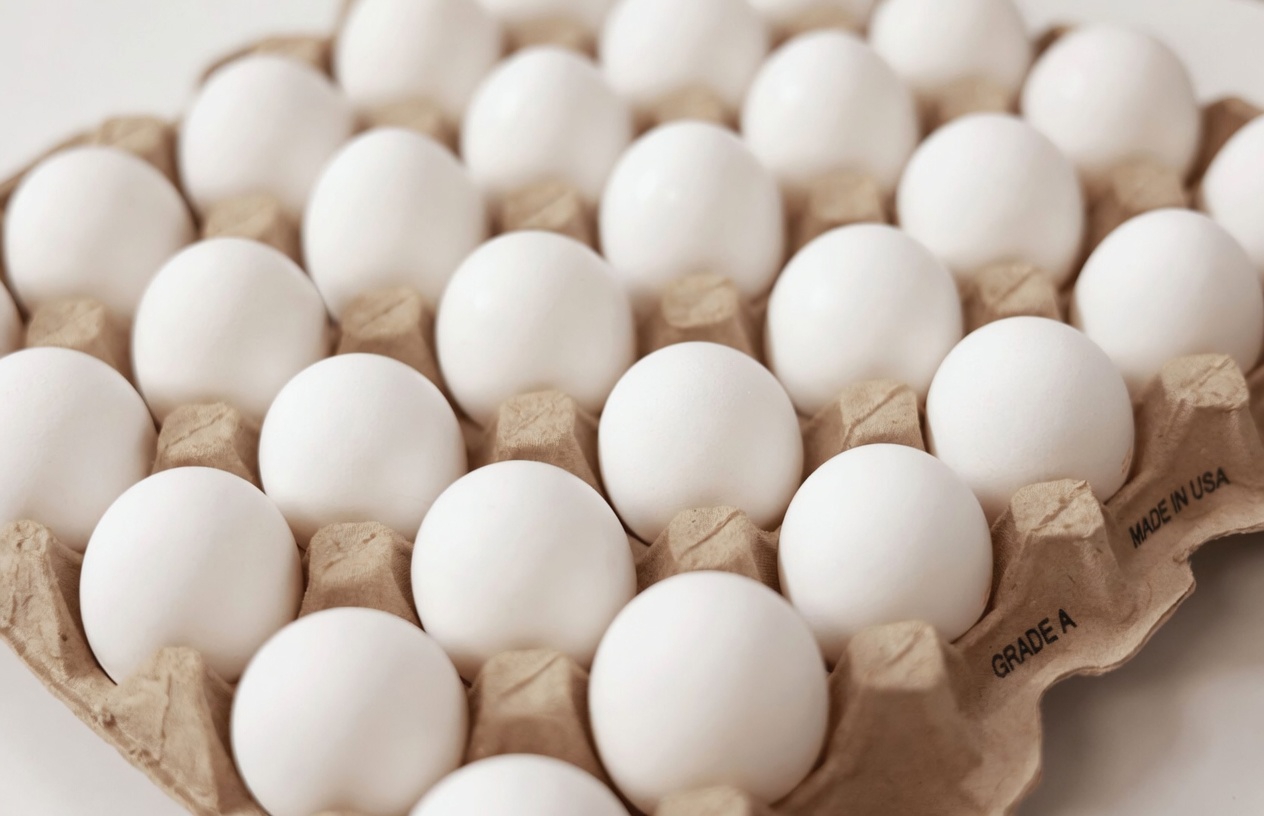
Eggs are one of the best all-around protein foods because they contain all the essential amino acids your muscles need. They are especially rich in leucine, an amino acid linked to muscle protein support, particularly when eaten earlier in the day. One large egg provides about 6 grams of protein, along with vitamin D, which also helps support muscle and bone function.
Preparation is easy and flexible:
- Scramble two eggs with spinach for breakfast
- Boil several eggs ahead of time for quick snacks
- Add eggs to toast, salads, or grain bowls
Having two eggs in the morning can be a practical way to start the day with steady nourishment.
2. Salmon: Protein Plus Healthy Omega-3s
Salmon is a nutrient-dense choice that offers around 22 grams of high-quality protein in a 3-ounce serving. It also contains omega-3 fatty acids, which studies associate with better muscle function and comfort in older adults. In addition, salmon provides vitamin D, which helps muscles contract properly.
You do not need elaborate recipes to enjoy it:
- Bake salmon with lemon and herbs
- Add canned salmon to salads or sandwiches
- Serve it with vegetables and whole grains
Eating salmon a couple of times a week can provide meaningful long-term support.
3. Greek Yogurt: Thick, Creamy, and High in Protein
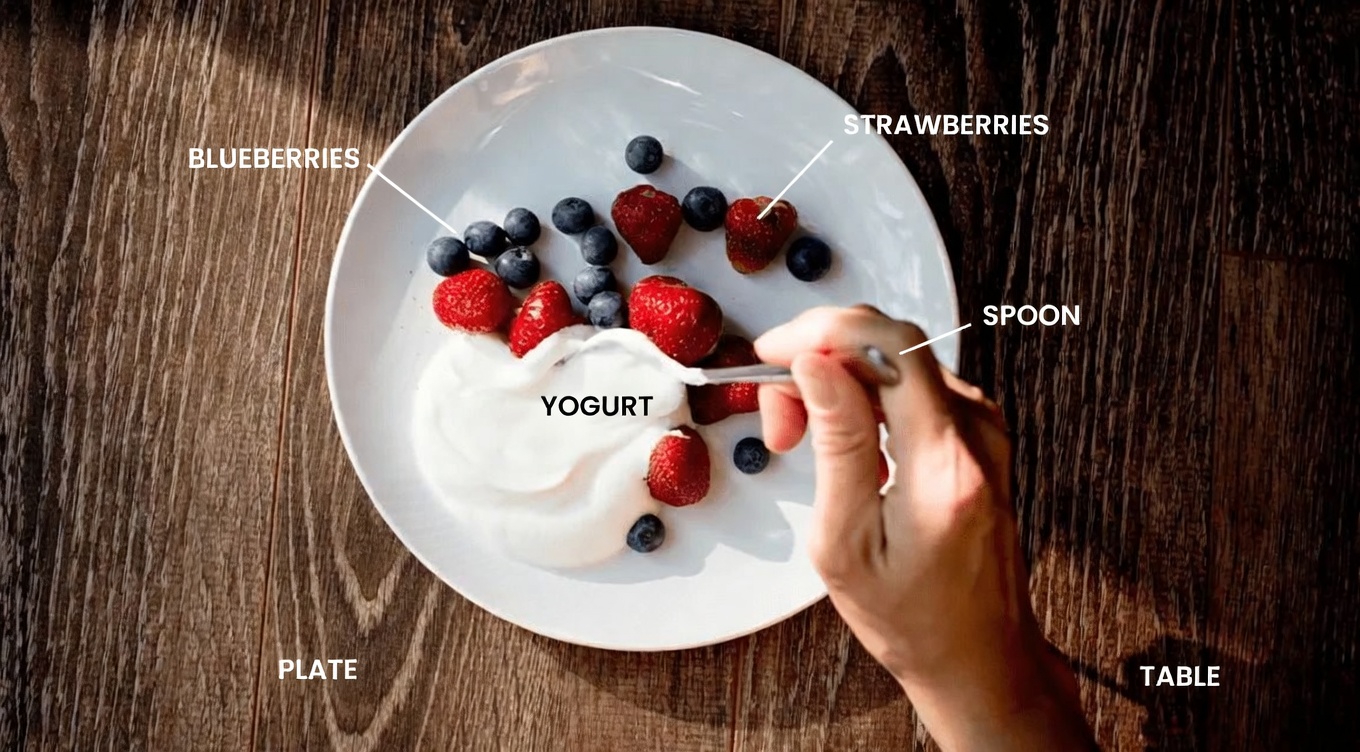
Plain Greek yogurt is an easy way to increase protein intake without much preparation. One cup can contain up to 20 grams of protein while remaining relatively low in sugar when unsweetened. It also supplies calcium and probiotics, which may support nutrient absorption and overall health.
Easy ways to use Greek yogurt include:
- Top it with berries or chopped nuts
- Blend it into smoothies
- Use it as a base for dips or sauces
When eaten regularly, dairy proteins like those in Greek yogurt may help support muscle maintenance in later life.
4. Cottage Cheese: A Quiet Protein Champion
Cottage cheese is often overlooked, but it is one of the easiest foods for reaching daily protein goals. One cup contains about 25 grams of protein. It is especially rich in casein, a slowly digested protein that provides a steady supply of amino acids over time, which can be particularly useful in the evening.
Simple serving ideas include:
- Pair it with pineapple or berries
- Spread it on whole-grain toast
- Mix it into pancake batter or savory bowls
A small serving before bed can be an easy habit for consistent protein intake.
5. Chicken Breast: Lean Protein You Can Count On
Skinless chicken breast remains one of the most practical lean protein options. A 3-ounce cooked portion provides roughly 26 grams of protein, making it an excellent choice for supporting everyday muscle repair and strength.
It is also easy to prepare in advance:
- Grill or bake several portions at once
- Slice it into salads and wraps
- Add it to soups or stir-fries
Pairing chicken with vegetables and whole grains creates a balanced meal that supports both energy and muscle health.
6. Lentils: Affordable Plant-Based Protein
Lentils offer around 18 grams of protein per cooked cup, along with fiber and iron. Iron is especially important because it helps deliver oxygen throughout the body, including to your muscles. Although lentils are not a complete protein by themselves, combining them with grains or other plant foods can help create a more complete amino acid profile.
Practical ways to use lentils:
- Make a large batch for the week
- Add them to soups and stews
- Toss them into salads
- Serve them with rice or roasted vegetables
They are budget-friendly, versatile, and easy to include several times a week.
7. Almonds: A Handy Snack With Extra Benefits
A 1-ounce serving of almonds, about 23 nuts, provides 6 grams of protein along with magnesium, vitamin E, and healthy fats. These nutrients are linked to muscle function, recovery, and general comfort in daily movement.
Try almonds in simple ways such as:
- Sprinkling them over yogurt or oatmeal
- Keeping a small bag with you for snacks
- Adding chopped almonds to salads or cooked vegetables
A small daily portion can be an easy and consistent addition to your routine.
How to Add These Foods to Your Routine
Knowing which foods help is important, but using them regularly makes the real difference. These simple habits can make healthy eating easier throughout the week:
-
Start the day with protein
- Choose eggs or Greek yogurt with fruit at breakfast
-
Include protein at lunch and dinner
- Add foods like chicken, salmon, or lentils to your main meals
-
Choose smarter snacks
- Replace heavily processed snacks with cottage cheese or almonds
-
Prepare food ahead of time
- Cook proteins in batches so healthy options are ready when needed
-
Aim for consistent intake
- Many experts recommend about 25 to 30 grams of protein at each main meal for adults over 70
Small changes done regularly can lead to noticeable improvements over time.
Habits That Strengthen the Benefits
Food is only part of the picture. Research suggests that combining good nutrition with light daily activity can support even better results. Helpful movement may include:
- Short walks
- Chair squats
- Gentle resistance exercises
- Basic stretching
Hydration also matters. Drinking enough water helps your body use nutrients efficiently and supports overall physical function. If any of these foods are new to you, introducing them gradually may help your body adjust more comfortably.
Final Thoughts
Supporting muscle health after 70 does not require a major lifestyle overhaul. Often, it comes down to adding a few reliable foods to your meals and snacks on a regular basis. Eggs, salmon, Greek yogurt, cottage cheese, chicken breast, lentils, and almonds each offer practical nutrition that may help you stay active, steady, and independent.
When your body gets the nourishment it needs day after day, everyday movement can feel more manageable, and you may find it easier to keep enjoying the activities you love.
Frequently Asked Questions
How much protein do adults over 70 need each day?
Many experts recommend about 1.2 to 1.6 grams of protein per kilogram of body weight per day, spread across meals. For many older adults, this means aiming for roughly 20 to 30 grams of protein per meal.
Can plant-based foods support muscle health as well?
Yes. Lentils, tofu, almonds, and other plant-based protein sources can support muscle health when eaten in adequate amounts throughout the day. Combining different plant foods can also improve overall amino acid intake.
What if chewing or digestion is difficult?
Softer foods may be easier to tolerate while still providing important nutrients. Good options include:
- Greek yogurt
- Cottage cheese
- Scrambled eggs
- Well-cooked lentils
Chopping, mashing, or blending foods can also make meals easier to eat and digest.
This article is for informational purposes only and is not a substitute for professional medical advice.