Why Muscle Health Matters After 70
Sarcopenia is about far more than appearance. Age-related muscle loss can influence balance, stamina, metabolism, mobility, and day-to-day independence. Studies suggest that maintaining lean muscle mass supports movement and may lower the risk of frailty. Nutrition is one of the biggest factors in this process, especially when paired with gentle physical activity such as walking, resistance bands, or simple strength exercises.
As people get older, the body becomes less efficient at using amino acids to build muscle, a change often referred to as anabolic resistance. Because of this, many experts recommend that older adults aim for roughly 1.0 to 1.2 grams of protein per kilogram of body weight per day to better support muscle protein synthesis.
Protein amount is only part of the equation. Protein quality also matters. Foods high in leucine, along with nutrients such as vitamin D and omega-3 fatty acids, may help support muscle function and healthy aging.

7 Foods That May Help Maintain Muscle After 70
Below are seven protein-rich, nutrient-dense foods that research often links to better muscle support in older adults. The goal is not perfection, but adding these foods naturally into regular meals.
1. Greek Yogurt or Plain Yogurt
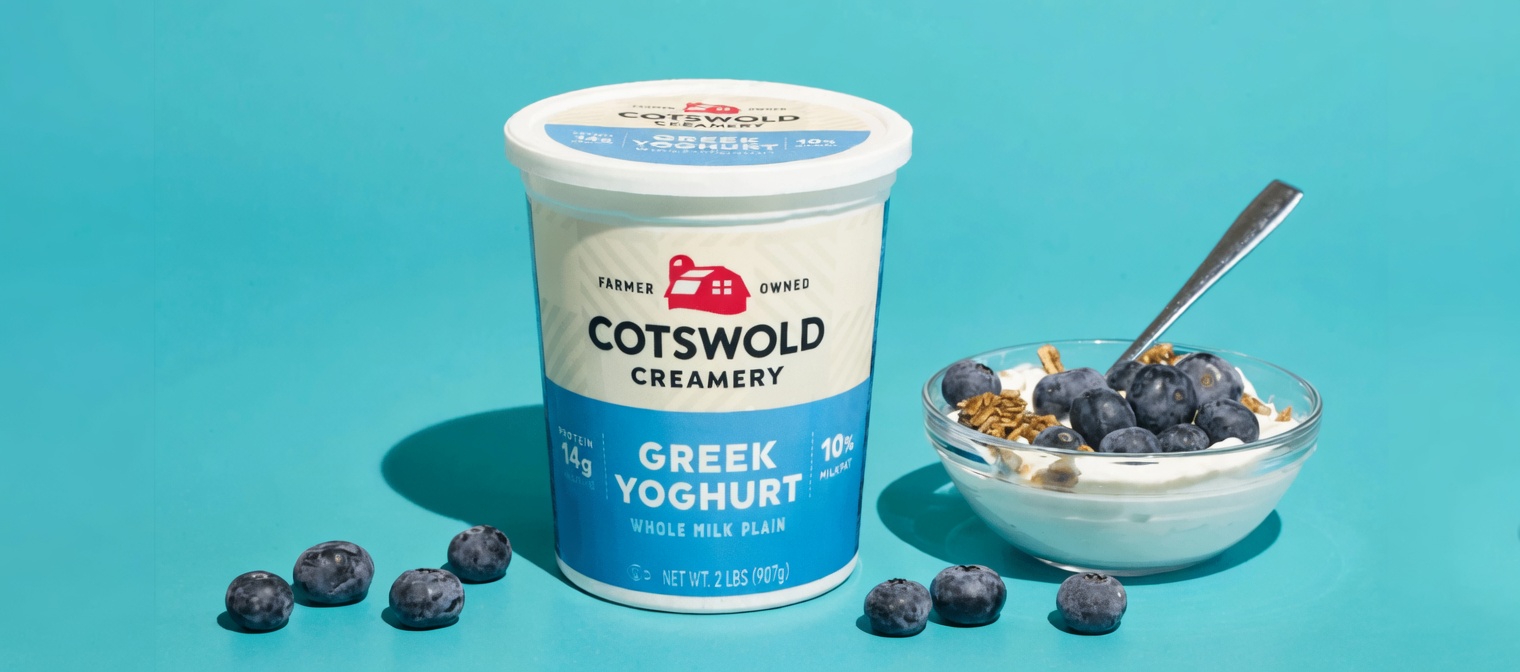
Greek yogurt is a standout choice because it typically provides 15 to 20 grams of protein per serving. It also contains probiotics that support digestive health. Its protein profile includes leucine, which research suggests may help stimulate muscle protein building in older adults.
- Choose plain, low-fat yogurt to limit added sugar.
- Add berries, seeds, or a small handful of nuts for flavor and extra nutrients.
Dairy proteins, including those found in yogurt, have been associated with support for limb muscle mass when included as part of a balanced eating pattern.
2. Eggs
Eggs are a simple and practical source of complete protein, offering around 6 to 7 grams per egg. They also contain leucine and may provide vitamin D, especially in fortified or pasture-raised varieties. They are budget-friendly, easy to prepare, and generally well tolerated.
- Try them boiled, poached, scrambled, or in an omelet.
- Serve with vegetables to increase overall nutrient intake.
Research often points to eggs as a nutrient-dense food that can help older adults meet protein needs while also supporting neuromuscular health.
3. Salmon or Other Fatty Fish
Fatty fish such as salmon deliver both high-quality protein and omega-3 fatty acids. A typical 4-ounce serving provides around 20 to 25 grams of protein. Omega-3s may help with inflammation control and muscle cell signaling, according to reviews focused on age-related muscle decline.
- Aim for 2 to 3 servings per week.
- Bake, grill, or use canned low-sodium options for convenience.
Evidence suggests that combining protein with omega-3 intake may help support strength preservation over time.
4. Chicken Breast or Other Lean Poultry
Lean poultry is a reliable high-protein food, usually providing 25 to 30 grams per 4-ounce serving while staying relatively low in saturated fat. It offers essential amino acids without a large calorie load.
- Roast, bake, or stir-fry it with herbs and spices.
- Add it to soups, grain bowls, wraps, or salads.
Studies consistently associate higher intake of quality animal protein with better maintenance of lean body mass in older adults.
5. Cottage Cheese
Cottage cheese is another excellent option, with 25 grams or more of protein per cup. Much of that protein comes from casein, a slower-digesting protein, along with some whey. Its soft texture also makes it convenient for those who prefer easy-to-eat foods.
- Enjoy it plain or with fruit.
- Blend it into smoothies or use it in simple snacks.
- Choose low-fat varieties if you want a lighter option.
Many dietitians recommend cottage cheese as an easy way to increase daily protein intake without much cooking.
6. Legumes: Lentils, Chickpeas, and Beans
Legumes offer a strong plant-based protein option. Cooked lentils, for example, provide about 15 to 18 grams of protein per cup, along with fiber, iron, and other minerals. When paired with grains, legumes can help create a more complete amino acid profile.
- Use them in soups, stews, salads, or homemade spreads like hummus.
- Include them regularly to add variety to meals.
Research shows that plant proteins can support strength and healthy aging when total protein intake is high enough.
7. Tofu and Other Soy Foods
Tofu is a complete plant protein that usually contains around 10 to 20 grams of protein per serving, depending on the type and portion size. It is also a useful source of leucine. Research suggests soy protein can support lean mass similarly to animal protein when daily protein needs are met.
- Stir-fry, bake, grill, or add it to soups.
- Blend soft tofu into smoothies.
- Choose firm tofu if you want a heartier texture.
Tofu is especially helpful for vegetarians or anyone trying to eat less meat without sacrificing protein quality.

Quick Protein Comparison
Here is a simple look at the protein content in a typical serving of each food:
- Greek Yogurt (6 oz): 15–20g
- Eggs (2 large): 12–14g
- Salmon (4 oz): 20–25g
- Chicken Breast (4 oz): 25–30g
- Cottage Cheese (1 cup): 25g+
- Lentils (1 cup cooked): 18g
- Tofu (1/2 cup): 10–20g
These foods can make it easier to reach the 25 to 30 grams of protein per meal that many experts suggest for better muscle support.
How to Include These Foods in Your Daily Routine
It is often easier to start with a few manageable changes rather than overhaul everything at once. Pick 2 or 3 foods from the list and build from there.
Practical Tips
- Include protein at every meal: Aim for about 20 to 35 grams per meal to spread intake evenly across the day.
- Combine protein with activity: Even light resistance training, bodyweight exercises, or regular walking may improve results. Research suggests food and movement work best together.
- Add supportive nutrients: Get regular sources of vitamin D and omega-3s through sunlight, fortified foods, or fish.
- Track your intake briefly: Use a food journal or app for a week to see whether you are meeting your protein goals.
- Stay balanced: Pair protein foods with fruits, vegetables, and whole grains for overall nutrition.
- Drink enough fluids: Hydration also plays a role in energy, physical performance, and recovery.
The Commonly Missed Tip: Protein Timing
One detail many people overlook is when they eat protein. Emerging research suggests that consuming around 25 to 30 grams of protein within a couple of hours after light exercise may help support muscle recovery. A protein-rich snack before bed may also benefit overnight muscle repair.
Easy ideas include:
- Greek yogurt after a walk
- Cottage cheese as an evening snack
- Eggs or tofu after a morning strength session
Spreading protein throughout the day may be more useful than eating most of it at just one meal.
Conclusion
Protecting muscle health after 70 does not require extreme dieting or complicated plans. Simple, consistent choices—such as eating Greek yogurt, eggs, salmon, chicken, cottage cheese, legumes, and tofu—can make a real difference. When combined with regular movement, these habits may help you stay stronger, more mobile, and more independent over time.
Small improvements done consistently often lead to meaningful long-term results.
FAQ
How much protein should a person over 70 consume each day?
Many experts recommend around 1.0 to 1.2 grams of protein per kilogram of body weight daily. For someone weighing 165 pounds, that is roughly 75 to 90 grams per day. Individual needs can vary, so it is best to check with a doctor or registered dietitian.
Can plant-based protein support muscle as effectively as animal protein?
Yes. As long as total protein intake is adequate and food choices are varied, plant-based proteins can support muscle maintenance well. Combining foods such as legumes and grains can help improve amino acid balance.
Are supplements necessary if I already eat these foods?
Not always. Many people can meet their needs through food alone. However, some older adults may benefit from vitamin D or omega-3 supplements if blood levels or dietary intake are low. Testing and professional guidance are recommended before starting supplements.
Disclaimer
This article is for informational purposes only and should not be considered medical advice. Always speak with your doctor or a registered dietitian before making major changes to your diet, especially if you have existing medical conditions. Results vary depending on overall health, diet, and lifestyle.