Everyday Foods That Quietly Worsen Amlodipine Side Effects (and What to Eat Instead)
More than one in four American adults over 40 take a blood pressure medicine such as amlodipine. Yet many of them battle troublesome amlodipine side effects—ankle and foot swelling, facial flushing, dizziness, and headaches that interfere with normal routines. By evening, your shoes may feel too tight, your face may suddenly heat up in the middle of a meeting, or you might stand up quickly and feel so lightheaded that you instinctively grab a nearby chair or counter to steady yourself.
In many cases, it is easy to assume these changes are just part of getting older or being overly busy. However, certain everyday foods and drinks can quietly intensify amlodipine side effects, turning mild issues into daily frustrations. The encouraging news: simple, tasty food swaps can often reduce discomfort while you continue your medication safely. Below, you will learn which foods to watch and how to adjust your diet starting today.
Why Amlodipine Side Effects Can Seem Surprisingly Strong
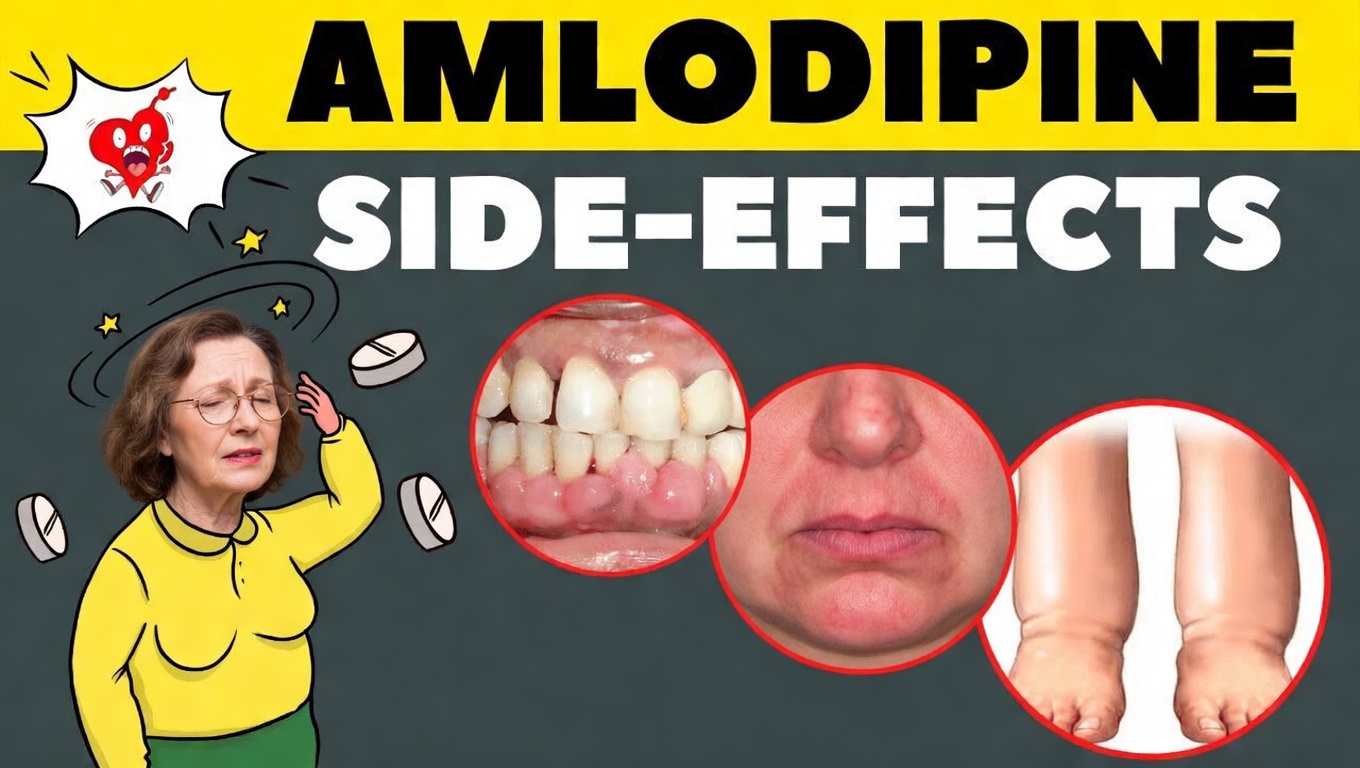
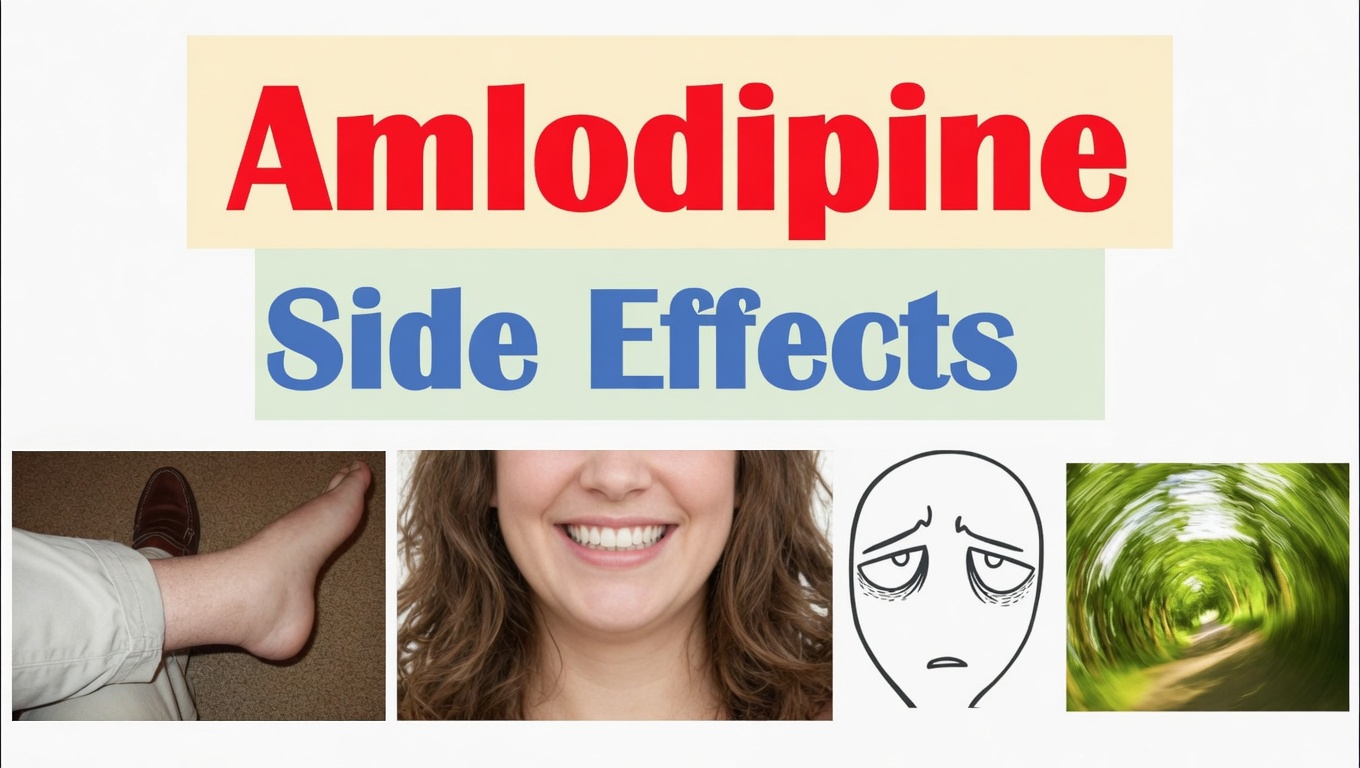
Amlodipine is a widely prescribed calcium channel blocker. It lowers blood pressure by relaxing and widening blood vessels, helping the heart pump blood more easily. While highly effective for hypertension, it is also known for a range of amlodipine side effects, including:
- Peripheral edema (swelling in ankles, feet, or legs)
- Flushing or warmth in the face and neck
- Headaches
- Dizziness or lightheadedness
- Fatigue
Studies suggest that up to 30% of people taking amlodipine experience some of these side effects, and for some, they can meaningfully reduce quality of life.
You might already be elevating your legs, using compression socks, or staying hydrated. Yet specific foods and drinks can still worsen amlodipine side effects by changing drug levels in your body, altering fluid balance, or affecting blood pressure and circulation. Targeted dietary changes can often bring noticeable relief surprisingly quickly.
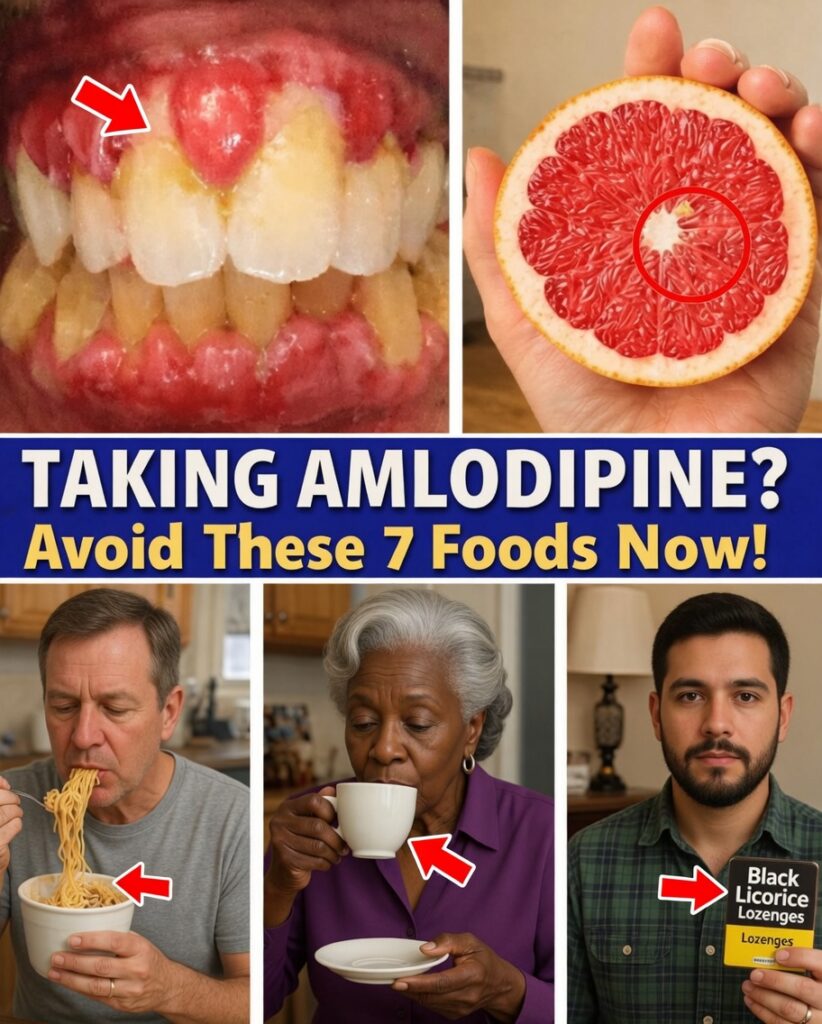
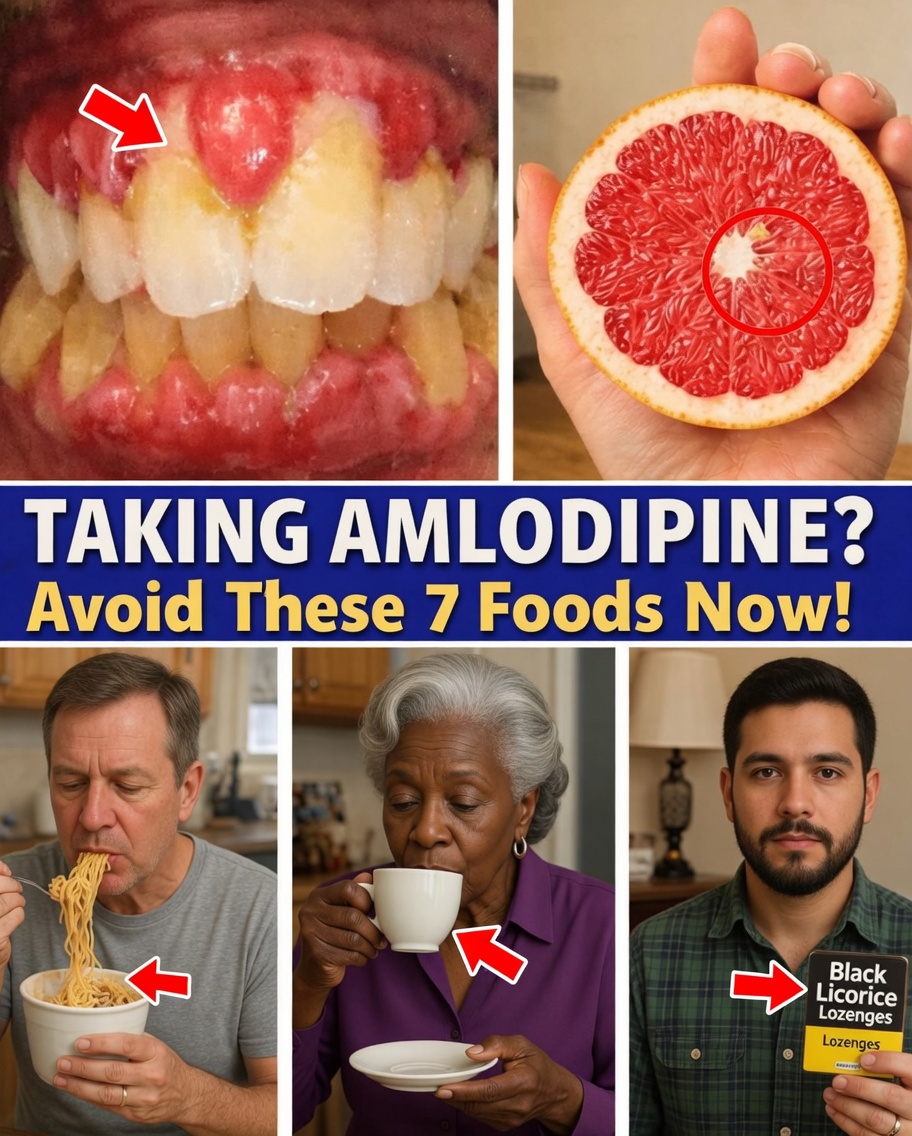
Food #1: Grapefruit and Grapefruit Juice – The Classic Hidden Trigger
Grapefruit is refreshing and rich in vitamin C, but it is one of the best-known food interactions with many medications, including amlodipine. Compounds in grapefruit inhibit a liver enzyme (CYP3A4) responsible for breaking down amlodipine. When this enzyme is blocked, more of the drug stays in your bloodstream, which can intensify amlodipine side effects such as swelling, flushing, or dizziness.
Research shows that even a single serving of grapefruit or grapefruit juice can influence drug levels for more than 24 hours. For some people, what used to be mild amlodipine side effects can morph into persistent, daily problems.
Example: Robert, a retired mechanic, enjoyed a glass of grapefruit juice every morning. After starting amlodipine, his ankle swelling became severe by late afternoon. When he switched from grapefruit juice to orange juice—without changing his medication dose—his swelling eased significantly within a few days.
Simple swaps to reduce amlodipine side effects from grapefruit
- Choose oranges, tangerines, clementines, or lemons instead of grapefruit
- Add fresh lemon or lime slices to water for a tangy flavor
- Avoid grapefruit and grapefruit-containing products entirely if you notice amlodipine side effects
Consider how often grapefruit shows up in your diet on a scale from 1 to 10. For many people, eliminating this single item leads to a noticeable drop in amlodipine side effects.
Food #2: High-Sodium Foods – The Swelling Intensifier
Salty foods are one of the most potent amplifiers of amlodipine-related swelling. Common culprits include:
- Chips, crackers, and salty snacks
- Canned soups and packaged broths
- Processed meats such as deli slices, sausage, and bacon
- Many breads and frozen meals
Excess sodium encourages your body to retain fluid. When this fluid retention combines with amlodipine’s blood vessel–relaxing effect, more fluid can pool in the lower legs and ankles, dramatically increasing swelling associated with amlodipine side effects.
Most people consume far more sodium than recommended without realizing it. By the end of the day, amlodipine side effects such as ankle edema can become extremely uncomfortable.
Example: Linda, an office manager, relied on canned soup for quick lunches. After starting amlodipine, her feet and ankles were noticeably puffy by evening. She switched to low-sodium homemade soup and reduced other salty foods, and within a short time, her swelling was cut nearly in half.
Smart sodium swaps to ease amlodipine side effects
- Choose products labeled “low sodium,” “reduced sodium,” or “no salt added”
- Use herbs, garlic, lemon, onion, and spices instead of salt to add flavor
- Favor fresh or frozen vegetables over canned varieties packed in brine
- Rinse canned beans and vegetables under water to remove extra salt
You are already ahead of many people simply by understanding how sodium and grapefruit can affect amlodipine side effects.
Quick Check-In: Mid-Article Awareness Quiz
Pause for a moment and reflect:
- How many food groups linked to amlodipine side effects have you read about so far?
- Which amlodipine side effect bothers you the most right now (swelling, flushing, dizziness, headaches, fatigue)?
- Which common drink can make facial flushing from amlodipine side effects more intense?
- If you had to rate your daily comfort with amlodipine side effects from 1 (very uncomfortable) to 10 (very comfortable), has that number shifted as you learn more?
- Are you ready to try at least one practical swap this week?
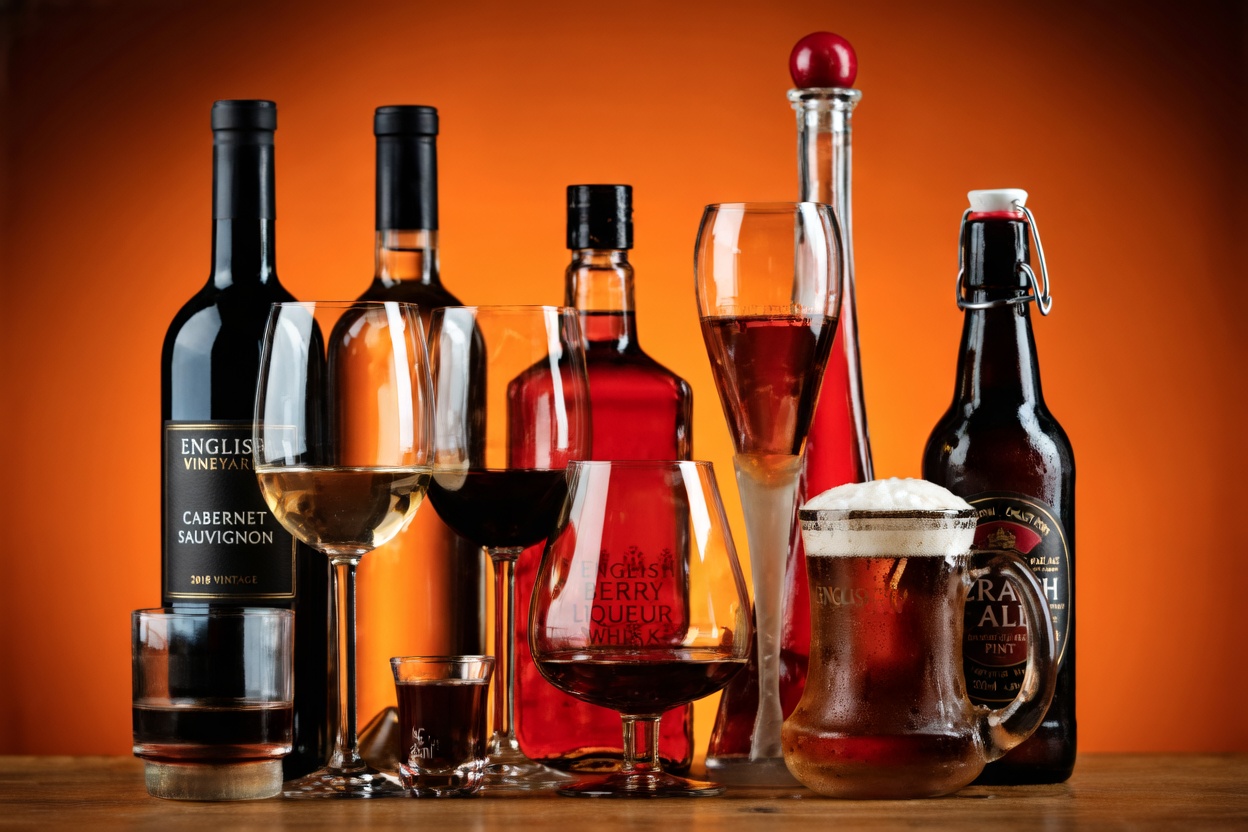
Food #3: Alcohol – The Double-Edged Blood Pressure Drink
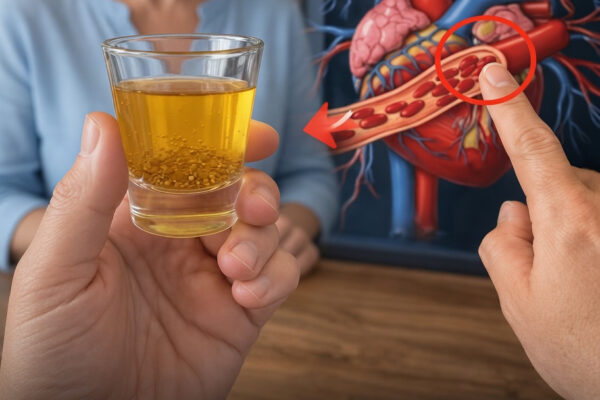
Alcohol often feels harmless in small amounts—a glass of wine at dinner or a beer with friends. However, when combined with amlodipine, alcohol can significantly magnify side effects.
Alcohol is itself a vasodilator, meaning it widens blood vessels. Paired with amlodipine, this can cause blood pressure to drop too quickly, contributing to:
- Dizziness or feeling faint
- Flushing and warmth
- Headaches
- Increased risk of falls, especially when standing up suddenly
Alcohol can also dehydrate you, which may concentrate amlodipine in the bloodstream and indirectly worsen fluid retention later, adding to swelling. Darker alcoholic beverages like red wine contain additional compounds that may trigger or aggravate headaches in some people.
Many individuals notice steadier, more comfortable days when they limit alcohol while managing amlodipine side effects.
Comfort-supporting swaps for people on amlodipine
- Sip sparkling water with lemon, lime, or a splash of juice
- Explore herbal teas, infused water, or non-alcoholic beer/wine
- If you choose to drink, keep portions small, have it with food, and avoid drinking on an empty stomach
Food #4: Licorice (Candy, Tea, or Supplements) – The Sneaky Blood Pressure Disruptor
Licorice is another under-recognized player when it comes to amlodipine side effects. Natural licorice, found in some candies, teas, and herbal supplements, contains glycyrrhizin, a compound that:
- Promotes sodium and water retention
- Lowers potassium levels
- Can raise blood pressure and strain the cardiovascular system
These effects can work directly against the blood pressure–lowering benefit of amlodipine and may worsen side effects such as swelling, irregular sensations, or general discomfort.
Example: James enjoyed black licorice candies almost every day. After starting amlodipine, his swelling and blood pressure readings became unpredictable. Once he eliminated licorice from his diet, his symptoms and readings stabilized quickly.
To keep amlodipine side effects controlled:
- Avoid natural licorice candy and licorice root teas
- Check herbal supplements and teas for licorice root in the ingredient list
- Opt for ginger, peppermint, or chamomile teas instead—these can be soothing without aggravating amlodipine side effects
Food #5: Heavy, High-Fat Meals – The Absorption Disruptor
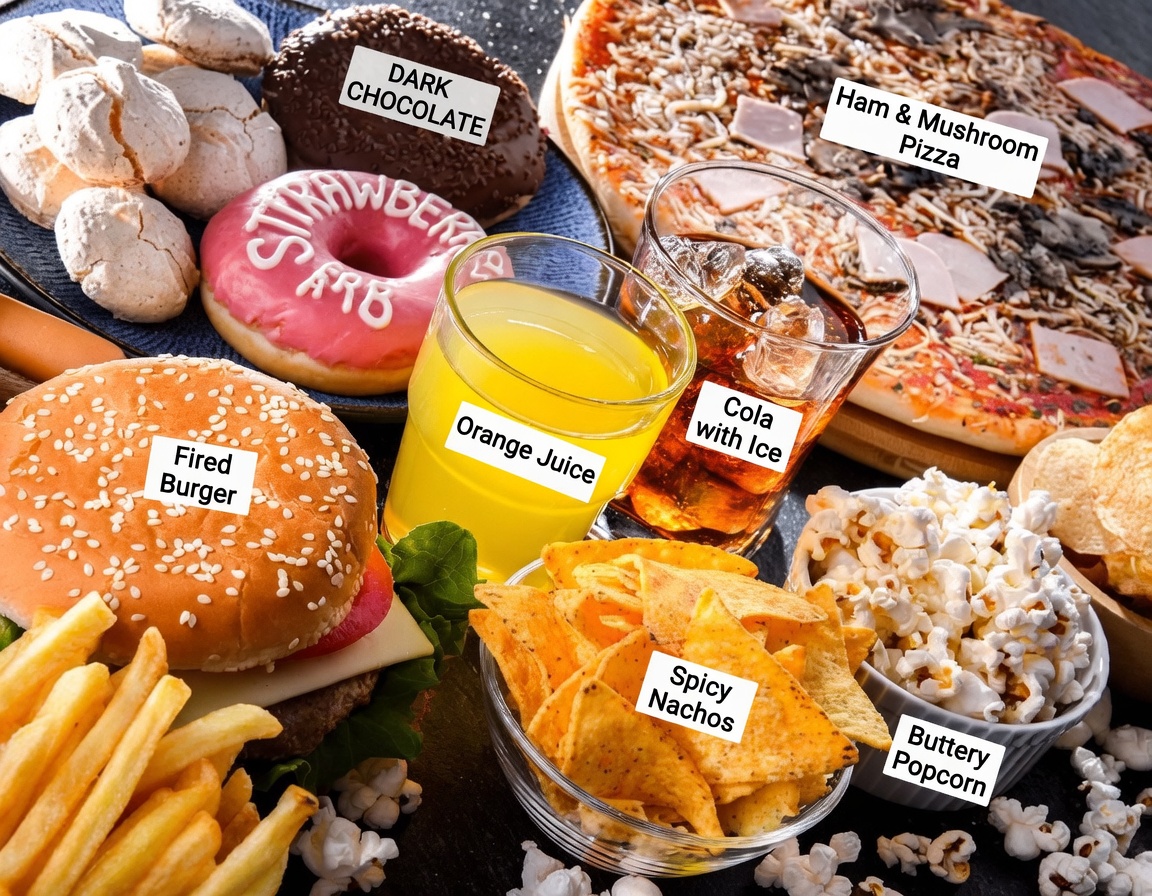
Meals rich in unhealthy fats—such as greasy fast food, deep-fried items, and heavy cream-based dishes—slow down digestion. This delayed gastric emptying can make amlodipine absorption less predictable, leading to:
- Peaks and valleys in drug levels
- More noticeable flushing or dizziness later in the day
- Potential worsening of swelling and lethargy
While fat itself does not cancel amlodipine’s effect, erratic absorption can make side effects of amlodipine feel more pronounced.
Better fat choices to support steadier amlodipine side effects
- Emphasize healthier fats like avocado, nuts, seeds, and olive oil
- Choose baked, grilled, or steamed options instead of fried foods
- When possible, avoid taking your amlodipine dose at the same time as an especially heavy meal
Balanced, moderate meals help your body process the medication more consistently, which can make amlodipine side effects easier to manage.
Food #6: Stimulants (Caffeine & Energy Drinks) – The Heart-Racing Combination
Caffeinated drinks can temporarily raise blood pressure and heart rate, working against amlodipine’s calming effect on blood vessels. Common sources include:
- Coffee and espresso drinks
- Black and green tea
- Cola and caffeinated soft drinks
- Energy drinks and “pre-workout” beverages
When you combine amlodipine with frequent stimulants, you may notice:
- Headaches
- Restlessness or jitteriness
- Palpitations or a racing heartbeat
- Dizziness or a “wired but tired” feeling
Many people find that cutting back on stimulants—especially in the morning and early afternoon—helps smooth out their blood pressure and reduces amlodipine side effects.
Gentler drink options
- Decaffeinated coffee or tea
- Herbal teas such as peppermint, chamomile, or rooibos
- Plain water, mineral water, or naturally flavored infused water
Food #7: Processed and Packaged Foods – The Sodium and Sugar Trap
Highly processed foods are often loaded with sodium, added sugars, and preservatives that can worsen amlodipine side effects. Examples include:
- Frozen dinners and TV meals
- Instant noodles and boxed meal kits
- Packaged snacks, crackers, and chips
- Processed meats and many convenience foods
These products can promote fluid retention, increase blood pressure, and strain blood vessels, making swelling, fatigue, and other amlodipine side effects feel more pronounced.
Switching to a more whole-food–based eating pattern—fruits, vegetables, whole grains, lean proteins, and healthy fats—gives amlodipine the best chance to work smoothly and comfortably.
The common thread: Small, intentional food choices can significantly reduce amlodipine side effects while supporting your long-term heart and blood vessel health.
Envision the Next 30 Days with Fewer Amlodipine Side Effects
Imagine a month from now:
- Your shoes still fit comfortably at the end of the day
- You experience fewer dizzy spells when standing up
- Flushing and headaches are less frequent or less intense
- You feel more confident staying on your blood pressure treatment
These improvements are realistic for many people when they identify and adjust the foods and drinks that aggravate amlodipine side effects. You do not need to overhaul everything at once—begin with one or two swaps, such as cutting out grapefruit and reducing salty processed foods, and build from there.
Insider Tip for Committed Readers
Keep a simple log for 7 days tracking:
- What you eat and drink (especially grapefruit, alcohol, high-sodium foods, caffeine, licorice, and heavy meals)
- When you take your amlodipine
- Any side effects you notice (swelling, flushing, dizziness, headaches, fatigue)
Patterns often become clear quickly, helping you pinpoint which choices worsen your own amlodipine side effects and which changes bring relief.
Frequently Asked Questions About Foods and Amlodipine Side Effects
Can I ever have grapefruit if I experience amlodipine side effects?
Because grapefruit can significantly increase amlodipine levels in the blood, most experts recommend avoiding it entirely while on this medication—especially if you already struggle with amlodipine side effects. However, individual risk can vary, so ask your pharmacist or healthcare provider for personalized advice.
How quickly might these food changes improve my amlodipine side effects?
Many people notice a reduction in symptoms such as swelling or flushing within a few days to a week after consistently avoiding aggravating foods like grapefruit and high-sodium products. For others, it may take a bit longer. The timeline depends on your overall health, dose, and how many changes you make.
Is occasional alcohol okay if I have amlodipine side effects?
Some people can tolerate small amounts of alcohol, but even modest drinking can intensify dizziness, flushing, or low blood pressure when combined with amlodipine. If you choose to drink:
- Keep portions very small
- Always consume alcohol with food
- Monitor how you feel afterwards
Discuss your specific situation with your healthcare provider, especially if you have a history of falls, faintness, or significant amlodipine side effects.
By understanding how everyday foods interact with your medication, you gain more control over amlodipine side effects and your overall comfort—without sacrificing the blood pressure benefits you rely on.