Why Your “Healthy” Oatmeal Might Still Leave You Tired and Hungry
You wake up, make a generous bowl of oatmeal, and feel confident you’ve chosen a wholesome breakfast. Yet a few hours later, fatigue sets in, your stomach starts rumbling, and you’re left wondering how something so “healthy” can feel so unsatisfying. Many older adults experience this pattern without realizing that small, common oatmeal habits can quietly undermine energy and digestion.
The good news: a few simple adjustments can turn oatmeal back into the steady, nourishing breakfast it’s meant to be. And near the end, you’ll find the straightforward oatmeal-building formula many nutrition professionals rely on to make it truly work for your body.
Mistake #1: Picking Instant Oatmeal Instead of Whole Oats
For many people, the first oatmeal mistake happens at the store.
Instant oatmeal packets are fast and convenient—add hot water and breakfast is ready. The trade-off is that instant oats are typically more processed: pre-cooked and pressed very thin, which makes them digest much more quickly.
Why does that matter?
Fast digestion can cause blood sugar to spike and then drop sooner, often leading to an energy crash and renewed hunger not long after eating.
Another concern is what comes inside many flavored packets, such as:
- Added sugars
- Artificial flavors
- Preservatives
Those “healthy-looking” packets can easily behave more like dessert than a balanced breakfast.
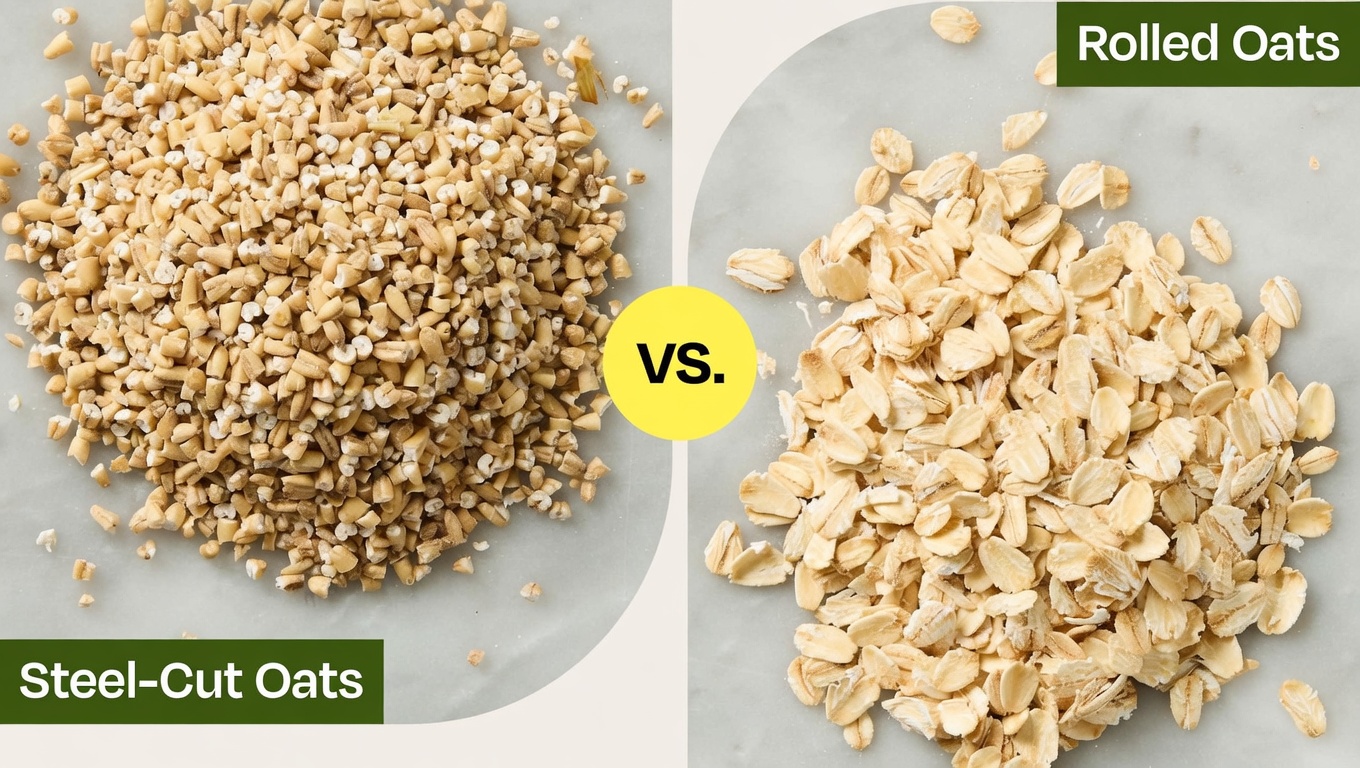
Quick comparison: Which oats keep you full longer?
- Instant oats: highly processed, digests very fast, shorter fullness
- Rolled (old-fashioned) oats: moderately processed, moderate digestion, better satiety
- Steel-cut oats: minimally processed, digests slowly, longer-lasting fullness
Better choice: Many nutrition experts recommend steel-cut oats or old-fashioned rolled oats to support steadier energy.
Mistake #2: Adding Too Much Sugar
Oats naturally contain very little sugar. The issue is what many people mix in.
It doesn’t take much to turn oatmeal into a sugar-heavy meal—especially early in the morning. Common sweet add-ons include:
- Brown sugar
- Flavored syrups
- Sweetened dried fruit
- Chocolate chips
Large sugar loads can push insulin up quickly, which may contribute to mid-morning tiredness, cravings, and more snacking later.
Better ways to sweeten oatmeal naturally
Try flavor boosters that add sweetness without overwhelming the bowl:
- Fresh berries
- Sliced banana
- Cinnamon
- Vanilla extract
Berries and cinnamon are frequently highlighted in nutrition research and practice as smart additions for a more balanced breakfast.
Mistake #3: Overlooking Portion Size
Even nutritious foods can backfire when the portion quietly doubles.
Oatmeal is packed with beneficial nutrients, but it still contains calories and carbohydrates. Many people accidentally eat two to three servings by:
- Using oversized bowls
- Estimating instead of measuring
- Piling on multiple toppings
A common standard serving is about:
- ½ cup dry oats (before cooking)
Once cooked, this expands substantially and is usually plenty for one bowl.
Eating far more may contribute to:
- Excess calorie intake
- Bigger blood sugar swings
- Difficulty managing weight over time
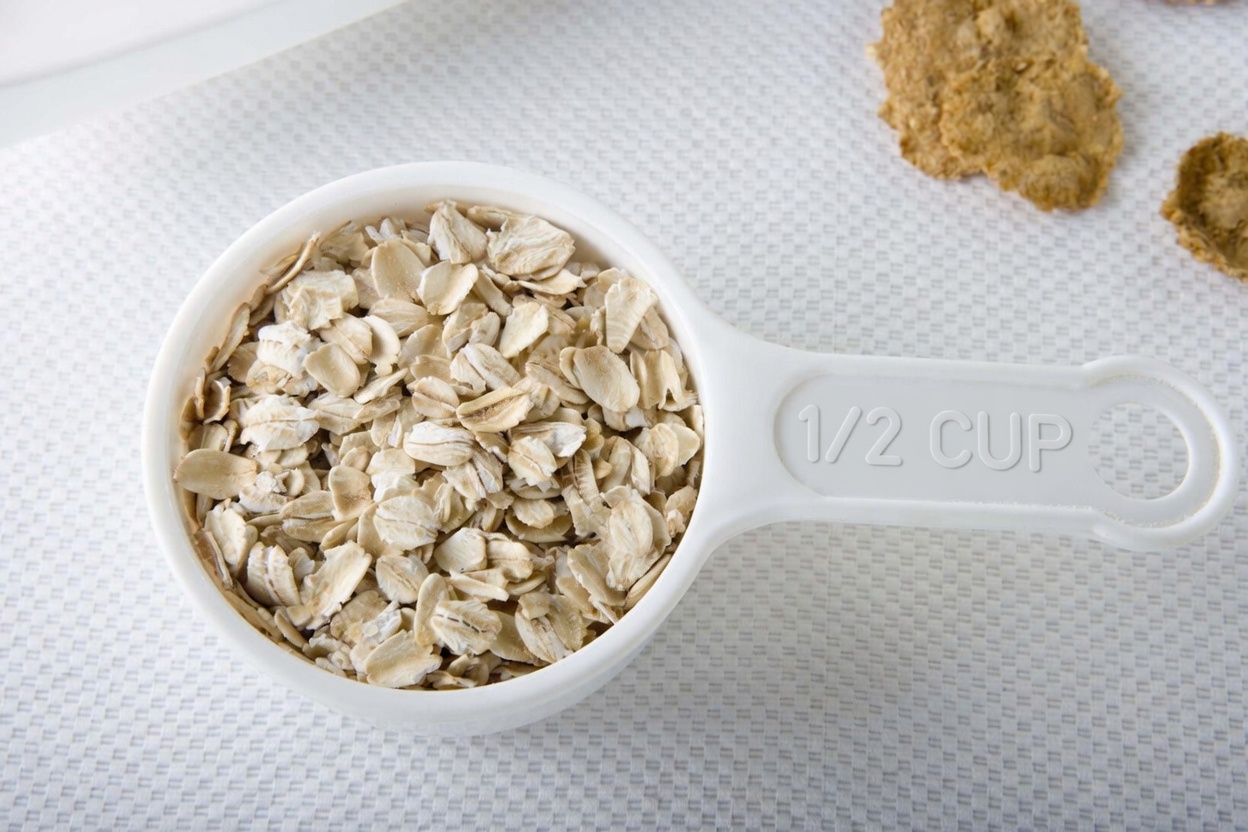
Simple fix: measure your dry oats before cooking. It takes seconds and helps keep breakfast consistent.
Mistake #4: Skipping Protein
Oats provide fiber and complex carbohydrates, but they aren’t particularly high in protein. A plain bowl may digest quickly enough that you feel hungry again sooner than expected.
Protein at breakfast is often linked to:
- More stable energy
- Longer-lasting fullness
- Supporting muscle maintenance with age
That last point is especially relevant for older adults.
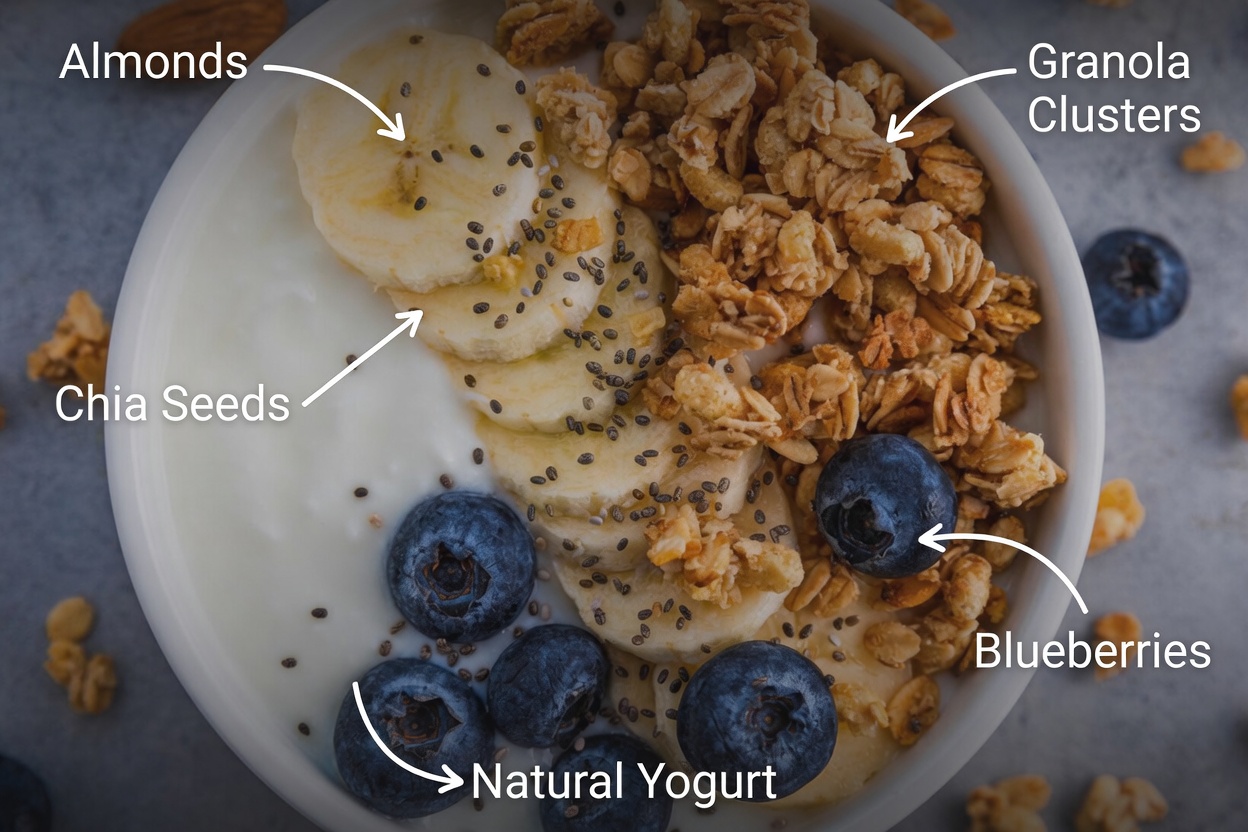
Easy protein upgrades for oatmeal
Add one protein-rich ingredient such as:
- Greek yogurt
- Chia seeds
- Hemp seeds
- Almond butter
- Protein powder (a small scoop)
Even a single addition can make oatmeal noticeably more satisfying.
Mistake #5: Going Overboard with Calorie-Dense Toppings
Some of the “healthiest” toppings can accidentally push your oatmeal into high-calorie territory.
Nuts, nut butters, and granola are nutrient-rich—but they’re also energy-dense. For example:
- Peanut butter (1 tablespoon): ~90 calories
- Granola (¼ cup): ~120–150 calories
- Almonds (small handful): ~100 calories
Combine several of these, and a basic bowl can easily climb past 600 calories without you realizing it.
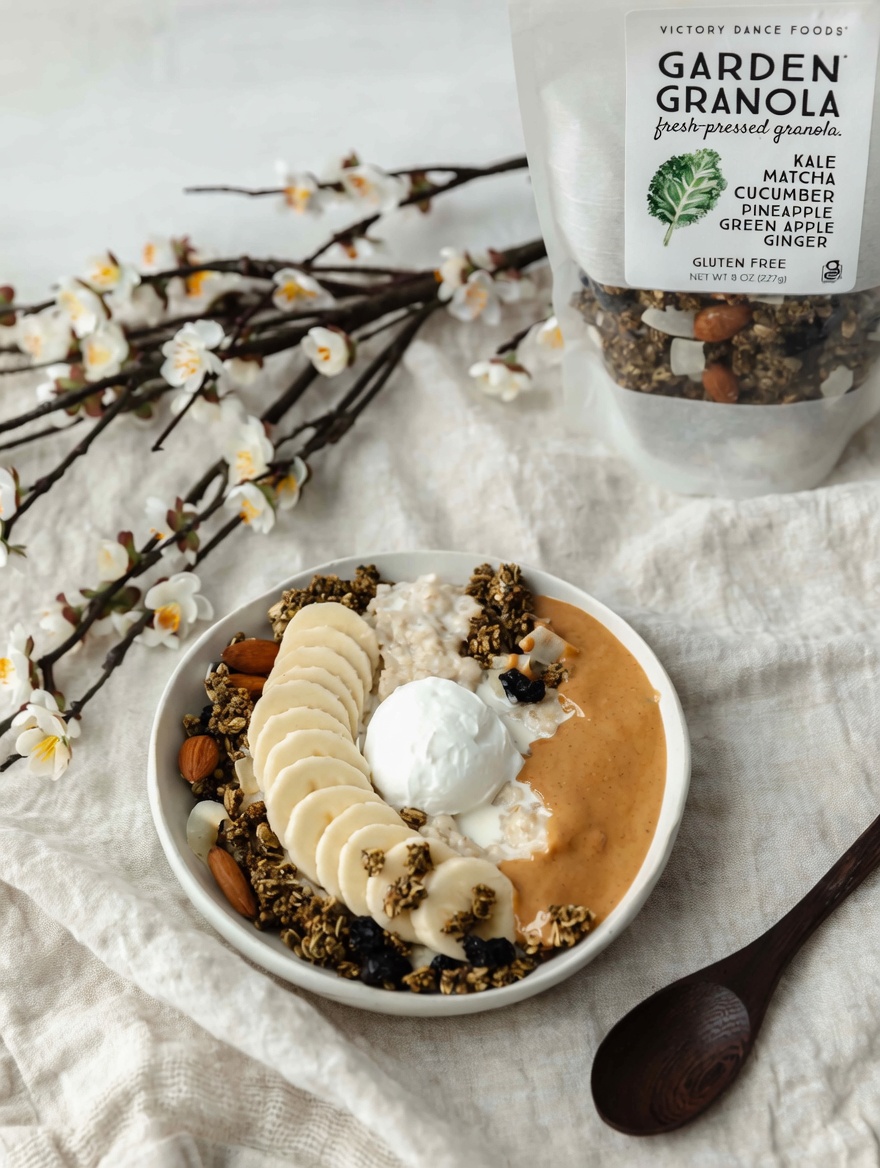
A more balanced topping approach
Keep things simple and structured:
- One healthy fat topping
- One fruit topping
- One protein addition
This keeps oatmeal flavorful while staying balanced.
Mistake #6: Cooking Oats the Fast Way Every Time
Microwaving oatmeal is popular because it’s quick, but slower cooking often improves both texture and satisfaction.
When oats cook gently on the stovetop:
- The texture becomes creamier
- The fiber structure stays more intact
- The flavor develops naturally
It can also reduce the “mushy” consistency that turns many people off.
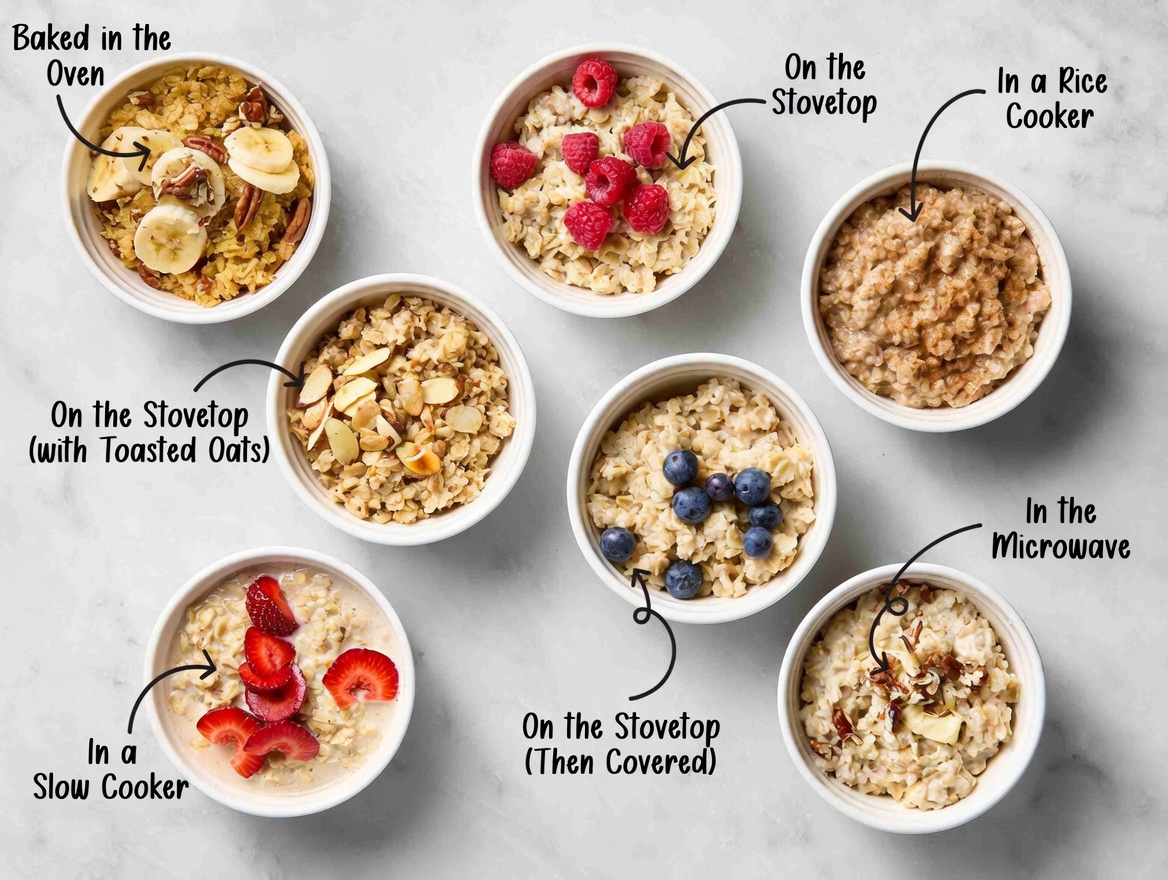
Simple stovetop method
- Use a small saucepan
- Combine oats with water or milk
- Simmer gently, stirring occasionally
Rolled oats often take about 5 minutes; steel-cut oats take longer, but the texture is usually worth the extra time.
Mistake #7: Eating Oatmeal Without Extra Fiber-Rich Additions
Oats contain beta-glucan, a type of fiber commonly associated with heart and digestive support. Still, oatmeal becomes even more satisfying when you add additional fiber-rich ingredients.
Fiber can help with:
- Digestive regularity
- More balanced blood sugar
- Longer-lasting fullness
Great fiber additions include:
- Flaxseeds
- Chia seeds
- Fresh berries
- Apples
- Pears
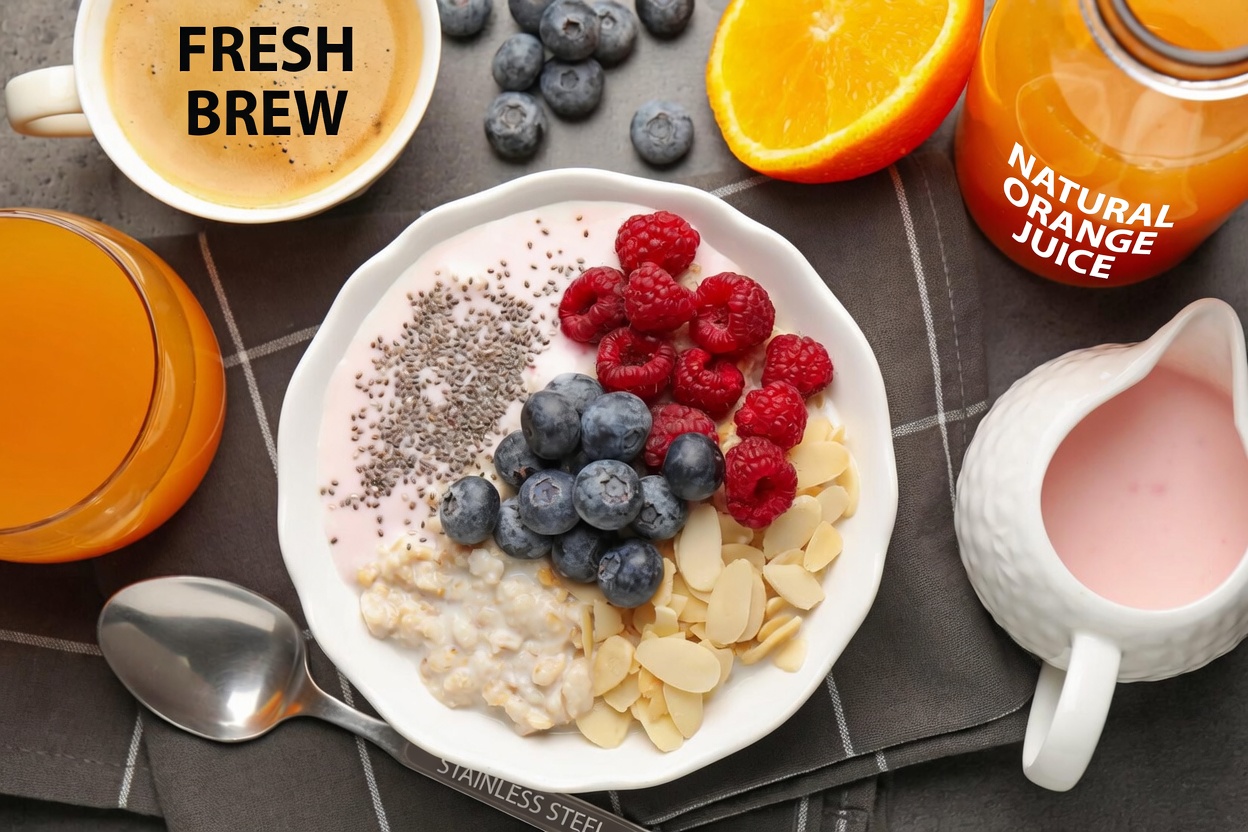
Even one or two fiber boosters can make your oatmeal feel substantially more filling and supportive.
The Simple Expert Formula for a Balanced Oatmeal Bowl
Many nutrition professionals use an easy framework to build oatmeal that supports steady energy and better satiety:
- Start with: ½ cup rolled oats or steel-cut oats
- Cook slowly: with water or milk
- Add protein: Greek yogurt, seeds, or nuts
- Add fruit: for natural sweetness
- Add a fiber boost: chia seeds or flaxseeds
This structure delivers a practical mix of:
- Complex carbohydrates
- Protein
- Healthy fats
- Fiber
Together, this combination can help you feel more energized and satisfied throughout the morning.
Final Thoughts
Oatmeal can be one of the most nourishing breakfasts you can eat—but the details matter. By avoiding these seven common oatmeal mistakes, you can turn a basic bowl of oats into a balanced meal that better supports energy, digestion, and lasting fullness.
Keep these essentials in mind:
- Choose minimally processed oats
- Limit added sugars
- Measure your portion
- Build your bowl with protein and fiber
Your breakfast should support your body—not quietly work against it.
Frequently Asked Questions
Is oatmeal a good daily breakfast for older adults?
Oatmeal can be an excellent daily option for older adults, especially when made with minimally processed oats and balanced with protein, healthy fats, and fiber-rich toppings to support steady energy and digestion.