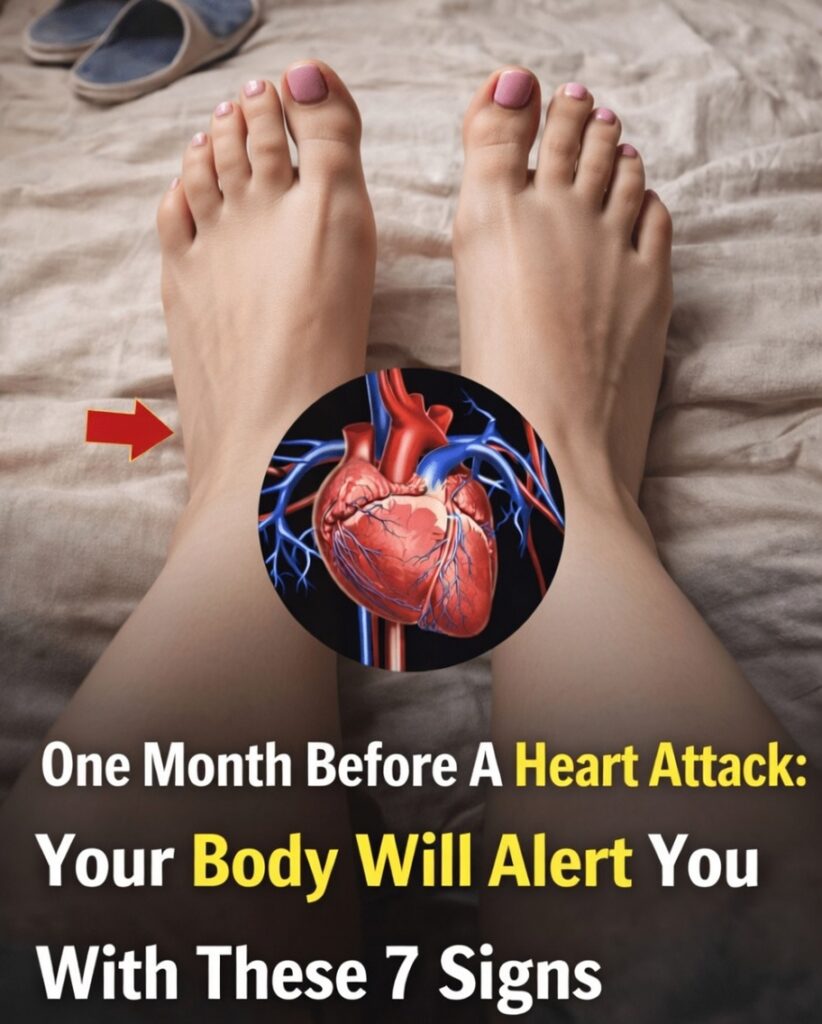
Subtle Heart Attack Warnings You May Notice a Month Before
Heart attacks are still one of the top causes of death worldwide, yet many people overlook the quiet warnings their bodies send days to weeks in advance. What seems like ordinary tiredness, minor swelling, or random aches can actually be early signals that your heart and blood vessels are under strain. Ignoring them often leads to regret when a sudden emergency finally hits.
The good news: paying attention to these early clues gives you a real opportunity to talk to a doctor and protect your heart before a crisis. One symptom in particular – the sixth on this list – is especially important and commonly dismissed until it’s almost too late. Keep reading so you know exactly what to look for.
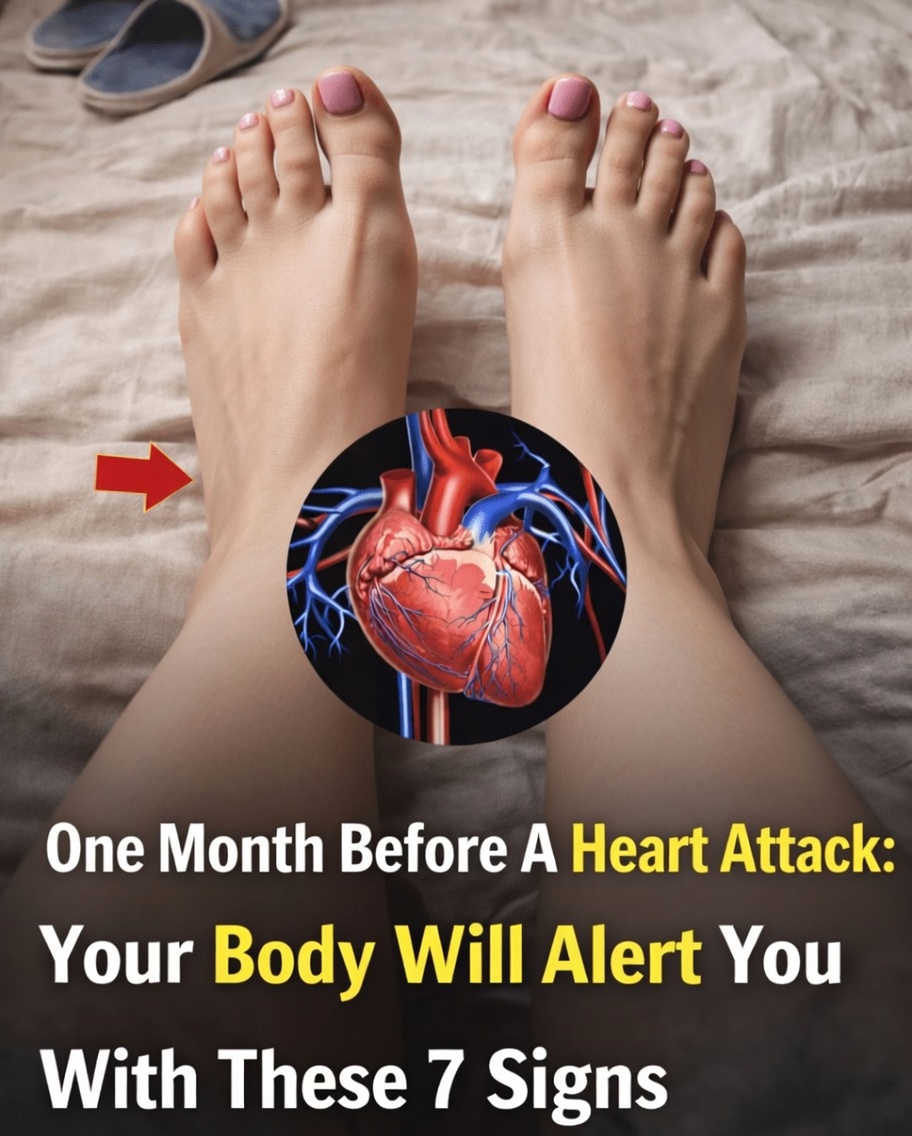
Why Early Warning Signs Matter More Than You Realize
Your heart works around the clock, and it usually sends some kind of message when something isn’t right. As arteries narrow or blood flow becomes restricted over time, subtle changes can appear.
Studies following patients after heart attacks show that up to half recall unusual symptoms in the weeks leading up to the event. These are known as “prodromal symptoms” – early warning signs that, if recognized, can turn a future emergency into a preventable close call.
Below are seven of the most commonly reported signals your body may be using to get your attention.
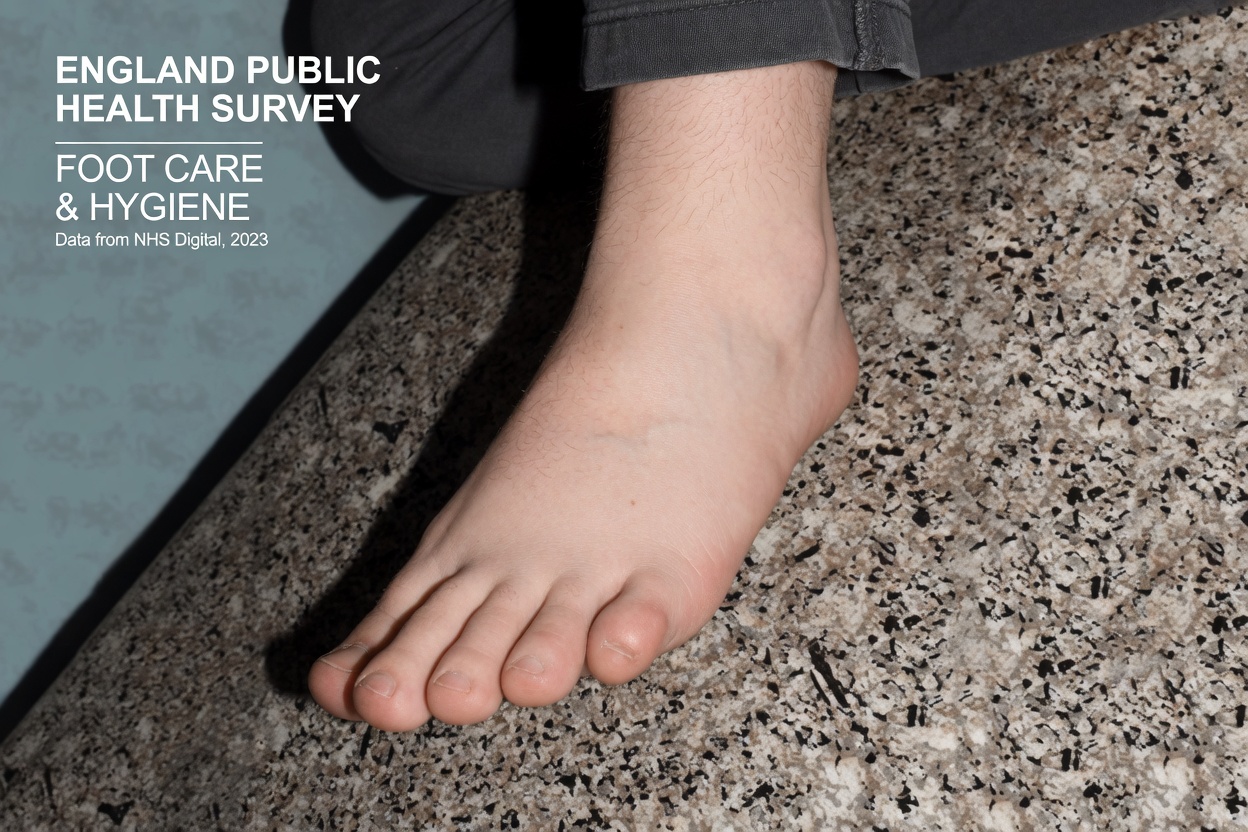
1. Swollen Feet and Ankles
If your socks leave deeper imprints than usual or your shoes feel uncomfortably tight by the end of the day – and you haven’t eaten a lot of salty food or taken a long flight – that swelling may be fluid buildup.
When the heart’s pumping ability weakens, even mildly, blood can back up in the veins, causing fluid to collect in the lower legs. The American Heart Association lists ongoing, unexplained swelling in the feet and ankles as an early clue of reduced heart function.
People often blame this on standing or sitting too long, but if the puffiness continues for days or weeks without a clear cause, it’s a signal that deserves medical attention.
2. Ongoing Fatigue That Doesn’t Lift
You get a full night’s sleep yet wake up feeling drained, as if you’ve been working hard all night. This isn’t the usual tiredness from a busy day or lack of rest.
When the heart struggles to pump enough oxygen-rich blood to the body, your muscles and organs don’t get the fuel they need. Research in cardiology journals has shown that unexplained fatigue is one of the most frequent early complaints before a cardiac event, especially among women.
This kind of exhaustion often creeps in gradually. Tasks that used to feel easy – walking around the house, carrying groceries, doing light chores – may suddenly leave you feeling worn out.
3. Shortness of Breath During Routine Activities
If you’re noticeably out of breath after climbing a single flight of stairs, walking across a parking lot, or even talking while walking, your heart and lungs may be struggling to keep up.
These two organs work closely together. When the heart can’t pump efficiently, your body doesn’t get enough oxygen, and breathing can feel difficult – sometimes even while you’re resting or lying down.
Medical reviews show that this “air hunger” often appears weeks before a major heart event, but many people chalk it up to aging, being “out of shape,” or mild asthma.
4. Sudden or Unexplained Weakness
A vague but persistent feeling that your arms or legs are heavy, shaky, or weaker than usual can be another sign of circulation problems.
This isn’t the soreness that follows exercise. Instead, it shows up without a clear reason and tends to linger. Many people who later experienced heart problems describe this as a sense of “losing strength” or “not feeling physically reliable anymore.”
Reduced blood flow means your muscles aren’t getting the oxygen and nutrients they need, which can lead to this generalized weakness.
5. Dizziness or Cold Sweats Without a Clear Trigger
Feeling woozy when you stand up or sit still, or suddenly breaking out in a cold, clammy sweat while doing nothing strenuous, can indicate that your blood pressure or heart rhythm is fluctuating.
These episodes may come and go, sometimes paired with nausea or a feeling of near-fainting. Studies of early warning signs before heart attacks repeatedly highlight cold sweats and lightheadedness as common red flags.
Because these symptoms can also be caused by dehydration, anxiety, or standing up too quickly, they’re easy to dismiss – but recurring episodes should be evaluated.
6. Chest Pressure or Discomfort That Comes and Goes
This is the sign cardiologists urge people to take most seriously.
You might feel:
- A heavy weight on your chest
- Tightness or squeezing in the center of the chest
- Pressure that may radiate to your jaw, neck, shoulders, or arms
Unlike typical heartburn, this discomfort is often not linked to meals or specific foods. It may come and go, last for a few minutes, then ease up – only to return later.
Research on prodromal heart attack symptoms consistently identifies intermittent chest pressure as one of the most telling early indicators, sometimes appearing weeks before a full-blown event. Many people misinterpret it as stress, indigestion, or muscle strain.
If you notice this sensation repeatedly – even if it’s mild – your body is sending a loud and clear message: your heart needs prompt medical evaluation.
7. Sudden Flu-Like Feelings Without a Real Illness
Some people experience unexplained nausea, body aches, or a vague sense of “coming down with something” – but no fever, sore throat, or obvious exposure to germs.
These flu-like sensations can be related to heart inflammation, decreased blood flow, or an early stress response in the body. In hindsight, many patients report thinking they had a stubborn cold or mild virus that never fully developed, only to learn later that it was an early sign of heart trouble.
Simple At-Home Checklist to Track Symptoms
If any of these signs sound familiar, tracking them can help your doctor see patterns more clearly. You can use a notebook or your phone to log:
- Date, time, and duration of each symptom episode
- Intensity rating from 1 to 10 so you can notice if things are getting worse
- Triggers and relief – do symptoms improve with rest, worsen with exertion, or change with certain foods?
- Daily weight – sudden increases of 2–3 pounds in a single day may indicate fluid retention
- Heart rate – check your pulse for 60 seconds twice a day to notice if it’s unusually fast, slow, or irregular
What to Do If Several Signs Overlap
If you’re noticing more than one of these symptoms – particularly chest pressure, shortness of breath, swelling, or extreme fatigue – don’t ignore them. Here are practical steps to take:
- Book a medical appointment as soon as possible, ideally within the same week, with your primary care doctor or a cardiologist. Bring your symptom log.
- Ask about basic heart evaluations, such as an electrocardiogram (EKG), blood tests for cardiac markers, and possibly an echocardiogram (heart ultrasound).
- Avoid self-diagnosing or self-medicating with antacids, painkillers, or other over-the-counter remedies as a substitute for professional evaluation.
- Begin gentle heart-healthy habits immediately: a 20-minute daily walk (if safe for you), reducing processed and salty foods, and drinking adequate water unless you’ve been told to limit fluids.
- Tell a family member or close friend what you’re experiencing so someone else is aware and can help if symptoms suddenly worsen.
These actions are straightforward and often cost little or nothing, yet they give your healthcare provider crucial information to act quickly and effectively. The aim is not to create fear, but to help you stay informed and in control of your heart health.

Taking Charge of Your Heart Health Starts Now
Not everyone who notices these seven signs will go on to have a heart attack, but their presence means your body is asking you to slow down and pay attention. By listening early and seeking medical advice, you increase your chances of preventing serious damage and maintaining an active, healthy life.
Among all the warnings, returning chest pressure or discomfort stands out as the most direct signal from the heart itself. Do not wait for it to become severe or constant before acting.
FAQ
Can these signs always appear exactly one month before a heart attack?
No. Some people notice warning signs a few days before, others weeks or even months in advance, and some have no symptoms at all. The timing and presence of early signs vary widely depending on overall health, age, and underlying conditions.
If I have only one or two of these symptoms, should I still see a doctor?
Yes. Even a single persistent symptom – particularly chest pressure, shortness of breath, or unexplained swelling – is worth discussing with a healthcare professional. Early evaluation can either reassure you or catch a developing problem before it becomes dangerous.
Are these warning signs different for women and men?
They can be. Women are more likely to report symptoms such as fatigue, shortness of breath, nausea, and flu-like feelings rather than the classic “crushing” chest pain often described by men. Because of this, heart issues in women are sometimes overlooked or misdiagnosed, making awareness especially important.
This information is for educational purposes only and does not replace professional medical advice, diagnosis, or treatment. Always consult your healthcare provider about any symptoms or concerns. If you experience sudden chest pain, severe shortness of breath, fainting, or other signs of a medical emergency, call emergency services immediately.