
Signs of Diabetes at Night: Symptoms You Should Not Ignore
Waking up again and again during the night because you feel intensely thirsty or need to use the bathroom can ruin your sleep and leave you exhausted the next day. These repeated disruptions do more than drain your energy. They can also make you feel frustrated and uncertain about what your body is trying to tell you.
Many people assume these nighttime issues are simply a normal part of getting older. In reality, they may be warning signs of problems with blood sugar control. The good news is that these signs are often easier to manage when you recognize them early. By learning the common signs of diabetes at night and avoiding one major bedtime mistake, you may improve both your sleep and how you feel each morning.

Why Frequent Urination at Night Can Be a Major Sign of Diabetes
Needing to get up to urinate multiple times after going to bed is one of the most common signs of diabetes at night. This can leave your sleep broken and your body feeling worn out by morning.
When blood sugar remains too high, the kidneys try to remove the extra glucose from the bloodstream. That process creates more urine, even while you are asleep. As a result, you may experience nocturia, which means waking two or more times during the night to use the bathroom.
This constant interruption can make it difficult to return to sleep and may increase daytime tiredness. Recognizing frequent nighttime urination as a possible diabetes-related symptom is an important first step toward better blood sugar awareness.
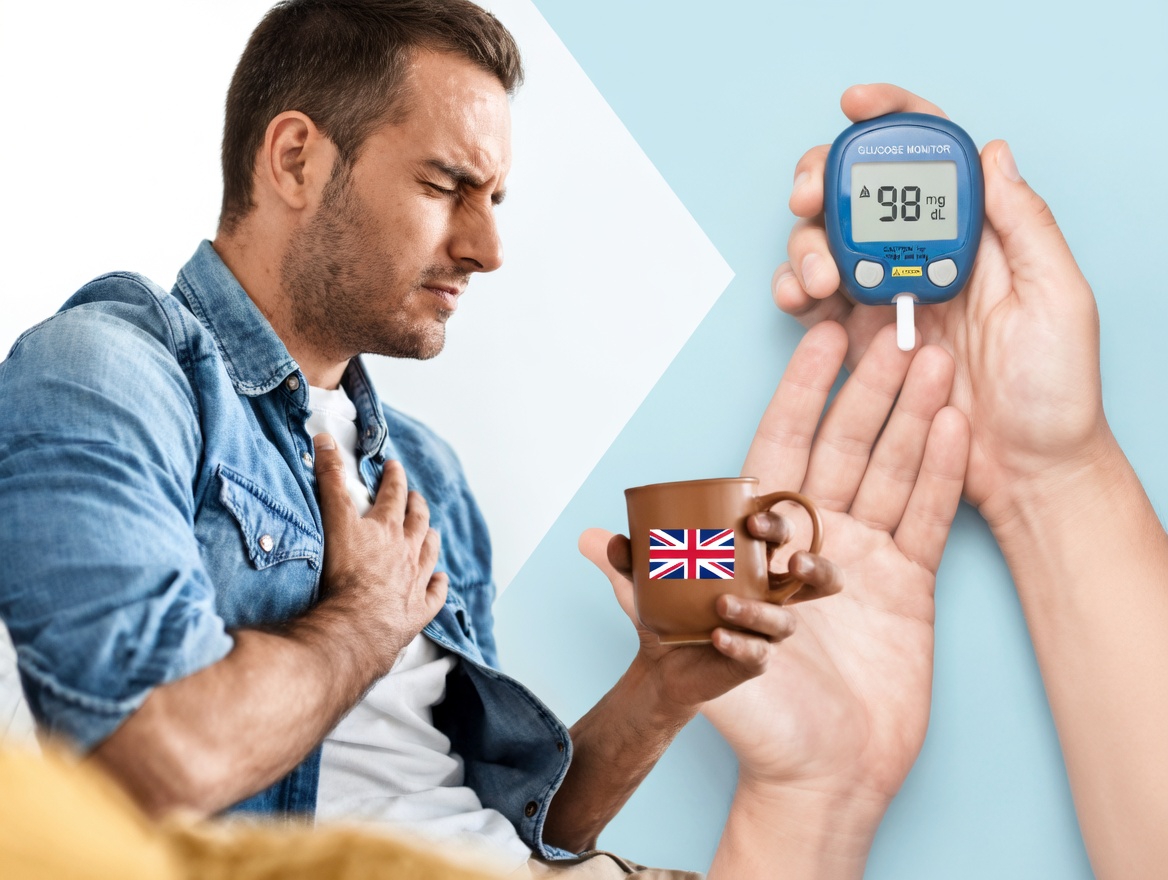
Excessive Nighttime Thirst Is Another Common Warning Sign
Waking up in the middle of the night feeling very thirsty is another classic sign of diabetes at night. Many people brush this off as simple dehydration, but it may be linked to elevated blood sugar.
When glucose levels are high, fluid is pulled from body tissues, which can leave you feeling dry and thirsty. This often creates a frustrating cycle: the more thirsty you feel, the more you drink, and the more likely you are to wake up needing the bathroom again.
Paying attention to recurring nighttime thirst may help you spot a blood sugar issue earlier and make supportive changes to your evening routine.
Night Sweats or Feeling Too Hot During Sleep
Waking up sweating heavily or feeling unusually warm at night may also point to signs of diabetes at night. This symptom can be uncomfortable enough to disturb sleep and leave your bedding damp.
Changes in blood sugar may trigger the release of stress hormones, which can raise body temperature overnight. This can lead to night sweats, discomfort, and poor sleep quality. If this keeps happening, it may be worth considering whether blood sugar fluctuations are playing a role.
Noticing this pattern can be useful when trying to identify habits that may help lower blood sugar at night.

Restless Sleep and Repeated Wake-Ups
Tossing, turning, or waking up often without an obvious reason is another common nighttime symptom linked to diabetes. Even if you spend enough hours in bed, you may still wake up feeling unrefreshed.
High blood sugar can interfere with normal sleep cycles, making it harder for your body to reach deeper, restorative stages of sleep. Over time, this can lead to irritability, low energy, and difficulty concentrating during the day.
If restless sleep has become a pattern, it may be helpful to look at whether blood sugar balance could be contributing to the problem.
Morning Headaches and Extreme Tiredness
If you wake up with a headache or feel unusually exhausted despite a full night in bed, this could be another sign of diabetes at night. Overnight changes in blood sugar can affect hydration and brain function, which may contribute to these symptoms.
The result is often a rough start to the day. Simple tasks can feel harder, and ongoing fatigue may affect mood and motivation. Recognizing morning headaches and unexplained tiredness as possible signs of nighttime blood sugar swings can encourage earlier action.

Leg Cramps, Tingling, or Restless Legs at Night
Sharp leg cramps, tingling sensations, or an uncomfortable urge to move your legs while trying to sleep may also be connected to diabetes. These symptoms can wake you suddenly and make it difficult to settle back down.
Over time, high blood sugar can affect nerve health, especially in the lower body. This may lead to discomfort in the legs during periods of rest. Beyond reducing sleep quality, these sensations can also increase concern about long-term nerve and mobility issues.
Seeing these symptoms as possible signs of diabetes at night highlights the value of healthy evening habits and medical follow-up when needed.
High Morning Blood Sugar and the Dawn Phenomenon
Some people wake up with higher-than-expected blood sugar levels even after a quiet night. This can be due to what is known as the dawn phenomenon, one of the less obvious signs of diabetes at night.
In the early morning hours, the body naturally releases hormones that can increase glucose levels. If overnight blood sugar is not well controlled, those hormones can lead to elevated morning readings. You may wake up feeling sluggish, discouraged, or concerned about diabetes management.
This is a reminder that what happens in the evening can strongly affect blood sugar by the next morning.

The One Bedtime Mistake That Can Make Nighttime Diabetes Symptoms Worse
One of the most harmful bedtime habits is eating a large meal packed with refined carbohydrates or sugary snacks shortly before lying down. This can push blood sugar higher for hours and make signs of diabetes at night more intense.
Late-night eating slows digestion during sleep and may worsen symptoms such as thirst, nighttime urination, poor rest, and high morning glucose readings. Many people do this without realizing it may be contributing to how badly they feel overnight and the next day.
Avoiding heavy, high-carb snacks before bed is one of the simplest ways to help support more stable blood sugar at night.
8 Practical Ways to Help Lower Blood Sugar at Night
Small, steady changes in your evening routine can make a meaningful difference. If you are noticing signs of diabetes at night, these strategies may help support better overnight blood sugar control:
-
Eat dinner earlier
- Finish your evening meal at least two to three hours before bedtime.
- Choose a balanced plate with protein, vegetables, and healthy fats.
-
Take a short walk after dinner
- A gentle 10 to 15 minute walk can help the body use glucose more efficiently.
- It may also support circulation and digestion.
-
Check blood sugar before bed
- Monitoring your levels can help you spot patterns.
- If your glucose is trending low, a small protein-rich snack may help.
-
Limit caffeine and alcohol later in the day
- Both can disrupt sleep.
- They may also affect overnight blood sugar stability.
-
Create a relaxing bedtime routine
- Reading, stretching, or deep breathing can help lower stress.
- Reduced stress hormones may support steadier glucose levels.
-
Stay hydrated, but reduce fluids close to bedtime
- Drink enough water during the day.
- Cut back in the final two hours before sleep to reduce nighttime bathroom trips.
-
Keep a regular sleep schedule
- Going to bed and waking up at the same time each day can help regulate hormones.
- Better sleep habits may improve blood sugar balance.
-
Review medication timing with your doctor
- The timing and dose of medication can influence overnight glucose control.
- Professional guidance is important for safe adjustments.
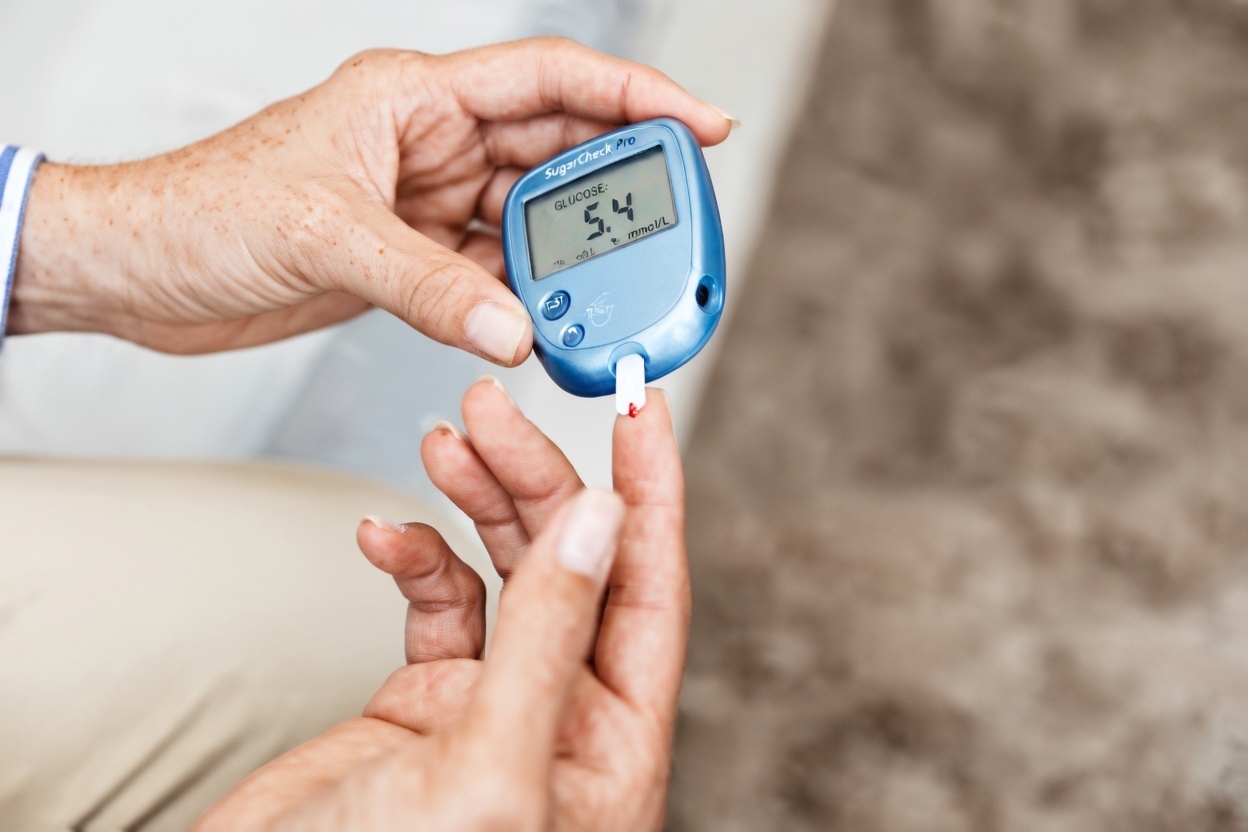
Quick Comparison: Evening Habits That Hurt vs Help
Here is a simple look at bedtime choices that may worsen or improve signs of diabetes at night:
-
Habit to avoid: Late high-carb snack
Why it matters: Can keep glucose elevated while you sleep
Better choice: Eat a balanced dinner earlier -
Habit to avoid: Skipping a pre-bed blood sugar check
Why it matters: You may miss important highs or lows
Better choice: Do a quick glucose check before sleep -
Habit to avoid: Drinking large amounts late in the evening
Why it matters: Increases the chance of nocturia
Better choice: Hydrate earlier and taper off before bed -
Habit to avoid: Using screens until very late
Why it matters: May raise stress and interfere with sleep quality
Better choice: Follow a calming bedtime routine
These small swaps can support better sleep and may help lower blood sugar at night over time.
When to Speak With a Doctor
If several of these signs of diabetes at night keep happening, or if they are paired with symptoms such as blurred vision, unexplained weight changes, or ongoing fatigue, it is a good idea to talk to a healthcare professional.
A doctor can help determine whether diabetes or another health issue is involved. They can also guide you toward a treatment plan tailored to your needs and help you lower blood sugar at night safely.
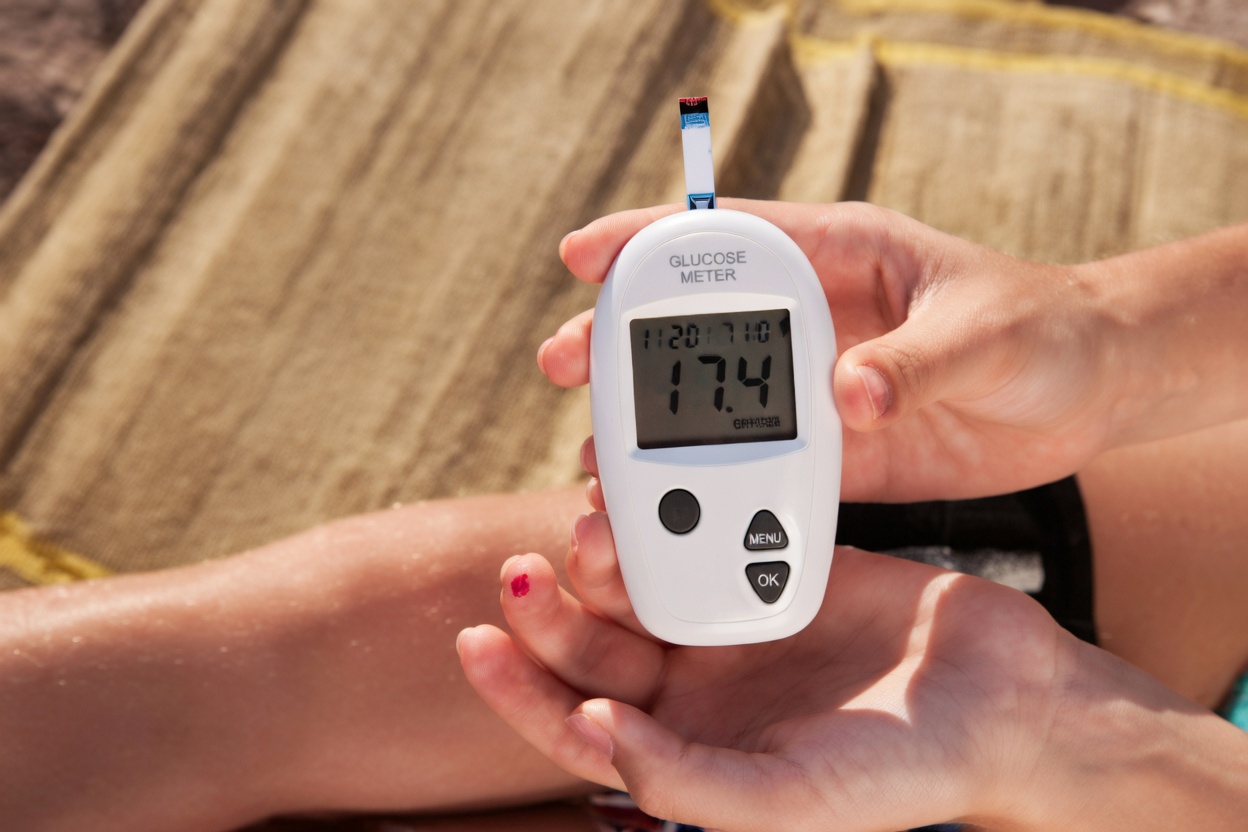
FAQ About Signs of Diabetes at Night
Why does diabetes often cause frequent urination at night?
When blood sugar is high, the kidneys work harder to remove excess glucose through urine. This leads to more urine production and can cause repeated nighttime bathroom trips.
Why do I feel so thirsty during the night?
High glucose levels can pull fluid from body tissues, making you feel dehydrated and thirsty even if you have not had much to drink in the evening.
Can diabetes cause night sweats?
Yes. Blood sugar fluctuations may trigger stress hormones that affect body temperature, which can lead to sweating or feeling overheated at night.
What is the dawn phenomenon?
The dawn phenomenon refers to an early-morning rise in blood sugar caused by natural hormone release. It can happen even if you seemed to sleep well.
What should I avoid before bed if I want better overnight blood sugar control?
A large meal, especially one high in sugar or refined carbs, is one of the worst bedtime habits for blood sugar. Eating earlier and choosing balanced foods is usually a better option.
Final Thoughts
Nighttime symptoms such as thirst, frequent urination, restless sleep, sweating, leg discomfort, and high morning blood sugar should not be ignored. These signs of diabetes at night may be your body’s way of signaling that blood sugar needs more attention.
The earlier you notice these clues, the easier it may be to make changes that support better rest and healthier mornings. Even simple steps like adjusting dinner timing, avoiding late sugary snacks, and building a calming bedtime routine can have a real impact.