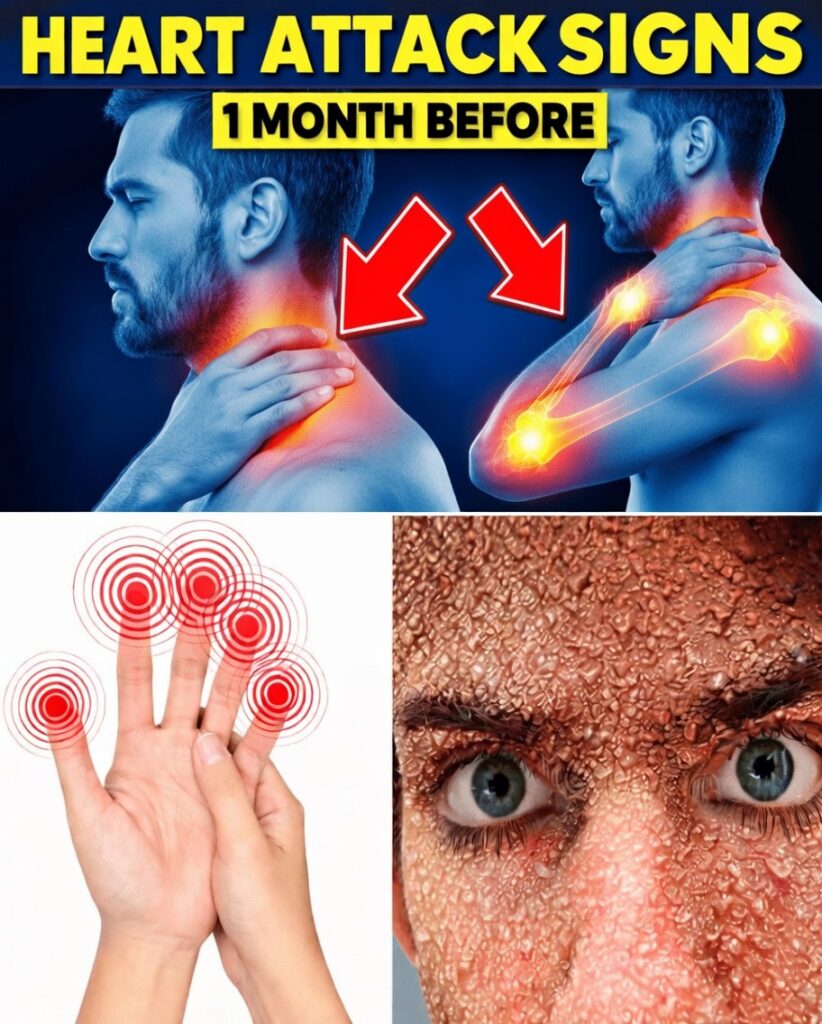
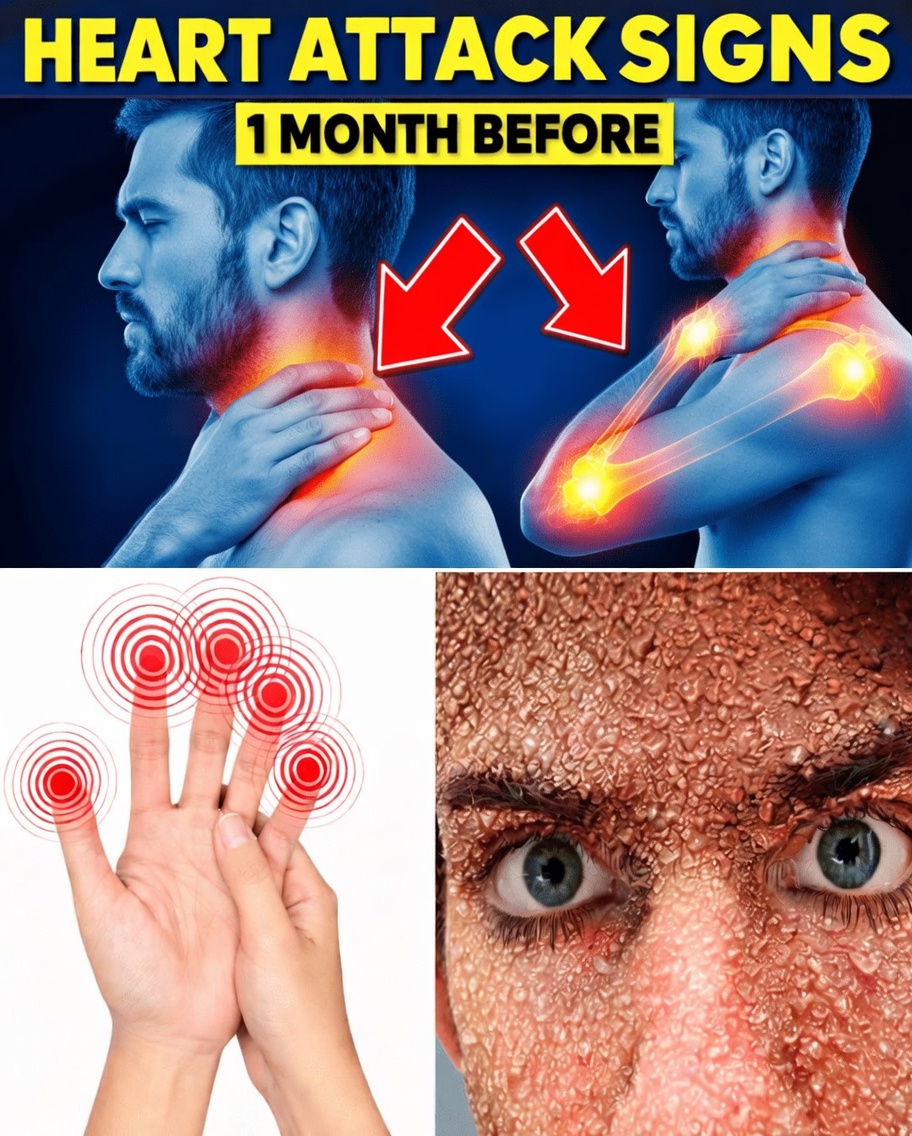
7 Early Warning Signs Before a Heart Attack You Should Never Ignore
In the United States, someone has a heart attack roughly every 40 seconds. In many cases, the body gives off quiet, early warning signs days or even weeks beforehand—but they are often dismissed as stress, aging, or “nothing serious.” Symptoms like strange tiredness, unexplained discomfort, or subtle changes in how you feel can be your heart’s way of signaling that something is wrong.
Overlooking these early warning signs before a heart attack can delay crucial medical evaluation and treatment. Recognizing them, on the other hand, can give you valuable time to act, make lifestyle changes, and work with your doctor to protect your heart.
In this guide, you’ll learn 7 key early warning signs before a heart attack, real-world examples of people who took them seriously, and simple steps you can start today.
Why Early Warning Signs Before a Heart Attack Matter
Imagine you are sitting at a family dinner and suddenly feel lightheaded or notice pressure in your upper back. It may be tempting to shrug it off, but for some people, this is how heart trouble first shows up.
Research from the American Heart Association has found that “prodromal symptoms”—early, often mild symptoms such as fatigue, shortness of breath, and atypical pain—are common in the weeks leading up to a heart attack, especially among women. These warnings may be subtle, intermittent, and easy to rationalize away.
By learning to recognize early heart attack warning signs, you give yourself a chance to:
- Seek medical guidance sooner
- Address risk factors like blood pressure, cholesterol, or diabetes
- Potentially prevent or lessen the severity of a cardiac event
You’re already taking a proactive step by educating yourself. Now let’s walk through the 7 critical signs.
Sign #1: Sudden Cold Sweats and Unusual Paleness
Breaking out in a cold sweat for no clear reason can be a significant early warning sign before a heart attack.
Consider Robert, 58, who worked in construction. While relaxing in front of the TV, he suddenly felt clammy, pale, and sweaty—but he wasn’t exerting himself or feeling hot. At first, he blamed anxiety and long workdays. When these episodes kept returning, he finally mentioned them to his doctor.
This type of sweating can be triggered by the autonomic nervous system responding to stress on the heart, such as reduced blood flow or rising strain on the cardiovascular system.
Self-check:
How often do you experience unexplained cold sweats or sudden clamminess? If you were to rate it from 1 (almost never) to 10 (very frequent), where would you fall? If your score feels concerning, discuss it with your healthcare provider.
Sign #2: Unusual Fatigue or Shortness of Breath
Feeling exhausted after minimal effort is one of the most commonly reported early warning signs before a heart attack, particularly in women.
Lisa, 62, noticed that climbing a single flight of stairs left her unusually tired and breathless. Simple activities like walking to the mailbox began to feel overwhelming. She wasn’t sick and had no fever—it felt like the flu without the flu. Recognizing that this wasn’t normal for her, she scheduled a medical evaluation.
Studies suggest that up to 70% of women experience unusual fatigue or shortness of breath before a heart event. When arteries narrow, the heart has to work harder to pump blood, resulting in less oxygen for the muscles and brain. This can show up as persistent exhaustion, even with light activity.
Self-check:
Think about your energy today. On a scale of 1 (drained) to 10 (energized), where are you? If you notice a pattern of unexplained fatigue or breathlessness, especially compared to a few months ago, consider it a potential early sign worth investigating.
Quick Mid-Article Quiz
Pause for a moment and reflect:
- Which two early warning signs before a heart attack have we covered so far?
- What worries you most about fatigue or shortness of breath in your daily life?
- Based on your experience, what do you think might be another early warning sign?
- Rate your current energy level again from 1–10. Has your awareness shifted since you started reading?
Sign #3: Pain or Discomfort in the Jaw or Left Side of the Neck
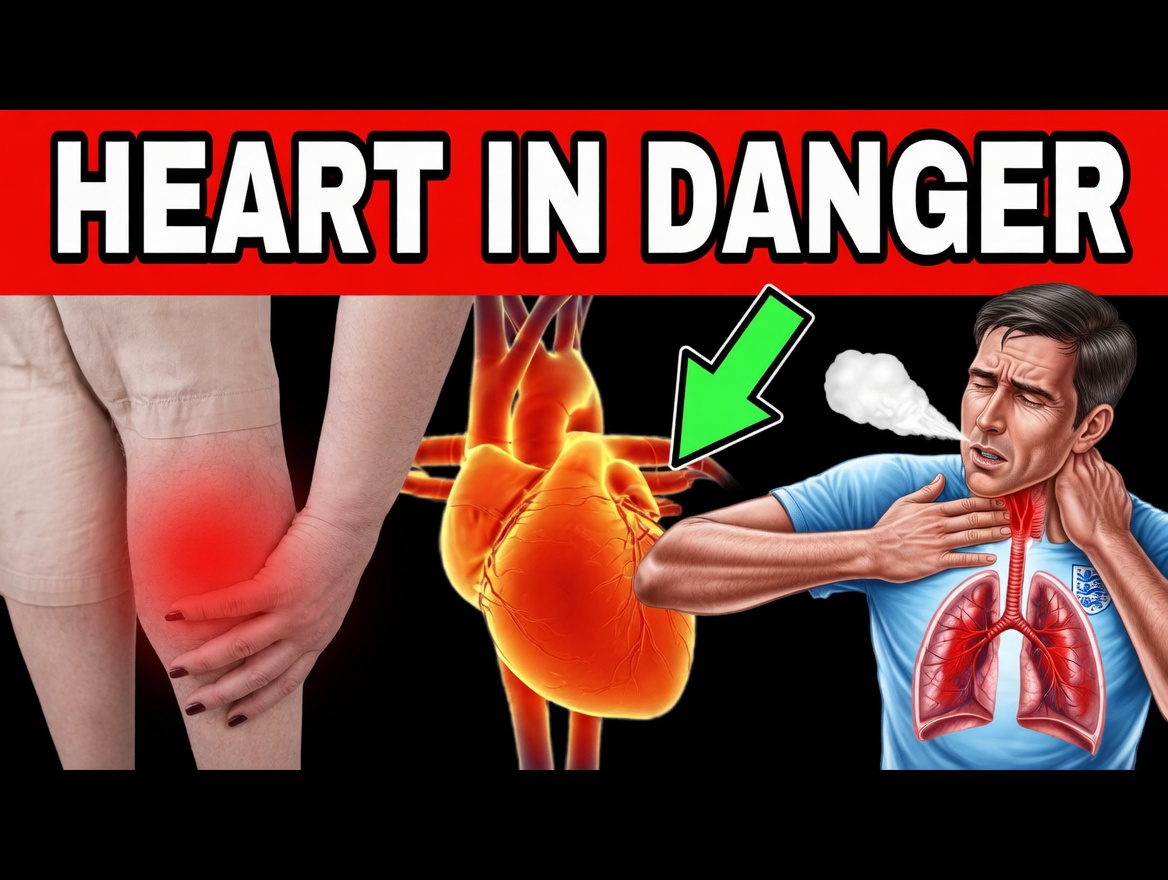
Jaw or neck discomfort, especially on the left side, can be a surprising early warning sign before a heart attack.
Tom, 55, kept noticing an ache in his jaw when he went for his daily walks. He assumed it was a jaw joint issue (TMJ) or dental problem. However, the pain kept returning and occasionally moved into his neck. When he mentioned it during a checkup, his provider investigated further and identified cardiovascular concerns.
This type of pain may occur because the heart and these areas share nerve pathways. When the heart is under stress, the brain can interpret the signals as pain in the jaw or neck—a phenomenon known as “referred pain.”
Self-check:
Pay attention to when jaw or neck discomfort appears. Does it show up during physical activity or emotional stress and ease with rest? If so, that pattern could be an important clue.
Sign #4: Digestive Discomfort, Indigestion, or Bloating
Many people are surprised to learn that digestive issues can sometimes be early warning signs before a heart attack.
Maria, 68, experienced frequent upper abdominal discomfort and bloating after meals. She tried antacids and changed her diet, but the uneasy, pressure-like feeling persisted. Eventually, she consulted her doctor, who evaluated her heart as well as her digestive system and uncovered cardiovascular concerns.
These symptoms can be more common in women and older adults. The heart and upper abdominal region share nerve networks, so distress in the heart can sometimes be perceived as indigestion, fullness, or mild nausea.
Self-check:
Think back over the last few weeks. Have you had recurring bloating, indigestion, or upper stomach discomfort that doesn’t respond to usual remedies? Notice whether it’s linked to exertion, stress, or lying down, and not just to certain foods.

Sign #5: Upper Back Pain Between the Shoulder Blades
Persistent pain or pressure in the upper back, especially between the shoulder blades, is another possible early warning sign before a heart attack.
John, 60, developed a deep, nagging ache between his shoulder blades. Stretching, massage, and rest didn’t bring lasting relief. The pain sometimes grew worse when he walked quickly or climbed stairs. Recognizing that this was unusual, he mentioned it during a medical visit, leading to further cardiac testing.
Again, this can be a form of referred pain. Nerve signals from the heart can be felt in the upper back or around the shoulder blades rather than in the chest.
Self-check:
On a scale from 1 (no discomfort) to 10 (significant pain), how would you rate any upper back pressure or pain you’ve experienced recently? If the sensation is recurrent, unexplained, or linked to effort, bring it up with your doctor.
Sign #6: Numbness, Tingling, or Pain in the Left Arm or Hand
Discomfort in the left arm is a classic heart attack warning sign, but it can also appear in milder form in the weeks prior.
Sarah, 54, began noticing a tingling and numb sensation down her left arm during routine activities. There was no obvious injury, and the feeling sometimes moved into her hand. Because heart disease ran in her family, she decided not to ignore it. Medical evaluation confirmed that her symptoms were related to heart strain.
This type of discomfort often travels along nerve pathways shared with the heart and may come and go with physical activity or emotional stress.
Self-check:
Stay alert to unusual heaviness, pain, or numbness in your left arm or hand—especially if it appears with exertion or alongside other symptoms like shortness of breath or dizziness.
Sign #7: Sudden Dizziness or Lightheadedness
Feeling unexpectedly dizzy or lightheaded, particularly when exerting yourself or standing up, can also be an early warning sign before a heart attack.
David, 59, started feeling faint while doing tasks he had always handled easily, such as carrying groceries or walking briskly. At first, he thought he was just “out of shape,” but the spells persisted. When he sought medical help, his care team found that his heart was not pumping efficiently, reducing blood flow to his brain.
Reduced cardiac output, abnormal heart rhythms, or fluctuating blood pressure can all lower oxygen delivery to the brain, resulting in dizziness or near-fainting episodes.
Self-check:
Notice when lightheadedness appears. Does it occur with exertion, climbing stairs, or sudden position changes? If you feel faint, sit or lie down immediately and contact a healthcare professional if the symptoms are new, severe, or recurring.
Summary Table: Early Warning Signs Before a Heart Attack
You’ve now seen all 7 early warning signs. Here’s a quick comparison to help you remember them:
| Sign | More Common In | Why It May Happen | Practical Action Tip |
|---|---|---|---|
| Cold sweats and paleness | All genders | Autonomic “stress” response to heart strain | Track when and how often it occurs |
| Unusual fatigue/shortness of breath | Especially women | Reduced oxygen supply from narrowed arteries | Note how little effort now causes exhaustion |
| Jaw or left neck pain | All genders | Referred pain from shared nerve pathways | Watch for pain brought on by activity |
| Digestive discomfort or bloating | Women, older adults | Referred sensations from heart to abdomen | Observe patterns after meals and with exertion |
| Upper back pain (between blades) | All genders | Referred pain to scapular region | Seek evaluation if it’s persistent or exertional |
| Left arm or hand numbness/pain | All genders | Nerve pathways linked to heart | Monitor symptoms during physical activity |
| Dizziness or lightheadedness | All genders | Reduced blood flow or blood pressure changes | Get evaluated if recurrent or severe |
Early Warning Signs vs. an Active Heart Attack
The early warning signs before a heart attack often:
- Come and go
- Improve with rest
- Seem mild, vague, or easy to explain away
During an active heart attack, symptoms tend to be more intense and may include:
- Heavy pressure, squeezing, or pain in the chest
- Pain radiating to the arm, jaw, neck, or back
- Severe shortness of breath, nausea, or cold sweats
- Symptoms that do not go away with rest
If you experience severe, sudden, or worsening chest pain or any combination of these symptoms, call emergency services immediately. Do not wait to see if they pass.
Your Action Plan for Potential Warning Signs Before a Heart Attack
Use these steps to turn awareness into protection:
-
Track your symptoms.
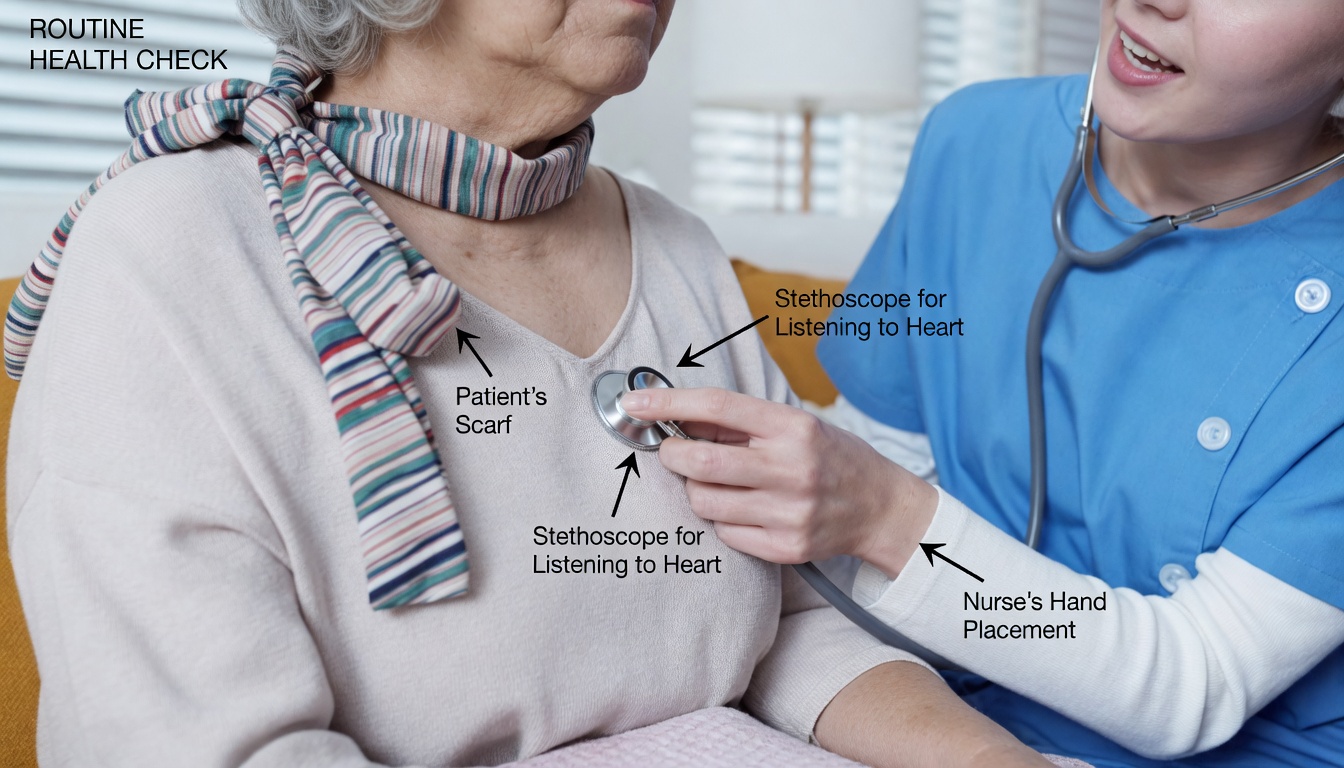
Keep a simple journal or notes on your phone. Record what you felt, when it happened, how long it lasted, and what you were doing at the time. -
Schedule a medical checkup.
If you recognize patterns that match these early warning signs, make an appointment with your healthcare provider. Bring your symptom notes to the visit. -
Adopt heart-healthy habits (with medical clearance).
- Engage in regular, moderate physical activity
- Aim for balanced, heart-friendly meals
- Manage stress through relaxation, sleep, and support networks
- Avoid smoking and limit excessive alcohol
-
Share what you’ve learned.
Talk with family and friends about these early warning signs before a heart attack so they can recognize them in themselves and others. -
Consider routine screenings.
Regular checks for blood pressure, cholesterol, blood sugar, and weight can help you stay ahead of cardiovascular risk.
Imagine the peace of mind that comes from knowing what to watch for and having a plan. Even small, consistent steps can add up to powerful protection for your heart.
Frequently Asked Questions About Early Warning Signs Before a Heart Attack
1. How long before a heart attack can early warning signs appear?
Early warning signs can sometimes appear days, weeks, or even longer before a heart attack. However, this varies widely from person to person. Some people have clear symptoms; others have very few. If you notice new or unusual symptoms, consult your healthcare provider for personalized guidance.
2. Are early warning signs different for men and women?
Yes. While both men and women can experience chest discomfort, women are more likely to report subtle or “atypical” symptoms such as:
- Unusual fatigue
- Shortness of breath
- Digestive discomfort or nausea
- Back, jaw, or neck pain
Men may be more likely to notice classic chest pressure or left arm pain, but there is considerable overlap. Anyone can experience any of these symptoms.
3. What should I do if I notice several of these early warning signs?
If you are experiencing multiple warning signs—especially if they are new, persistent, or worsening—contact your healthcare provider as soon as possible. Do not self-diagnose or ignore them. A professional evaluation can include examinations, blood tests, and possibly heart-focused tests such as an ECG, stress test, or imaging.
4. When should I call emergency services instead of waiting for an appointment?
Seek emergency care immediately if you have:
- Severe or crushing chest pressure or pain
- Chest discomfort that spreads to the arm, jaw, back, or neck
- Sudden shortness of breath, fainting, or confusion
- Symptoms that last more than a few minutes or come back repeatedly
In those situations, call emergency services right away.
This content is for informational and educational purposes only and does not replace professional medical advice, diagnosis, or treatment. Always consult your healthcare provider regarding any questions or concerns about your heart health or symptoms you may be experiencing.