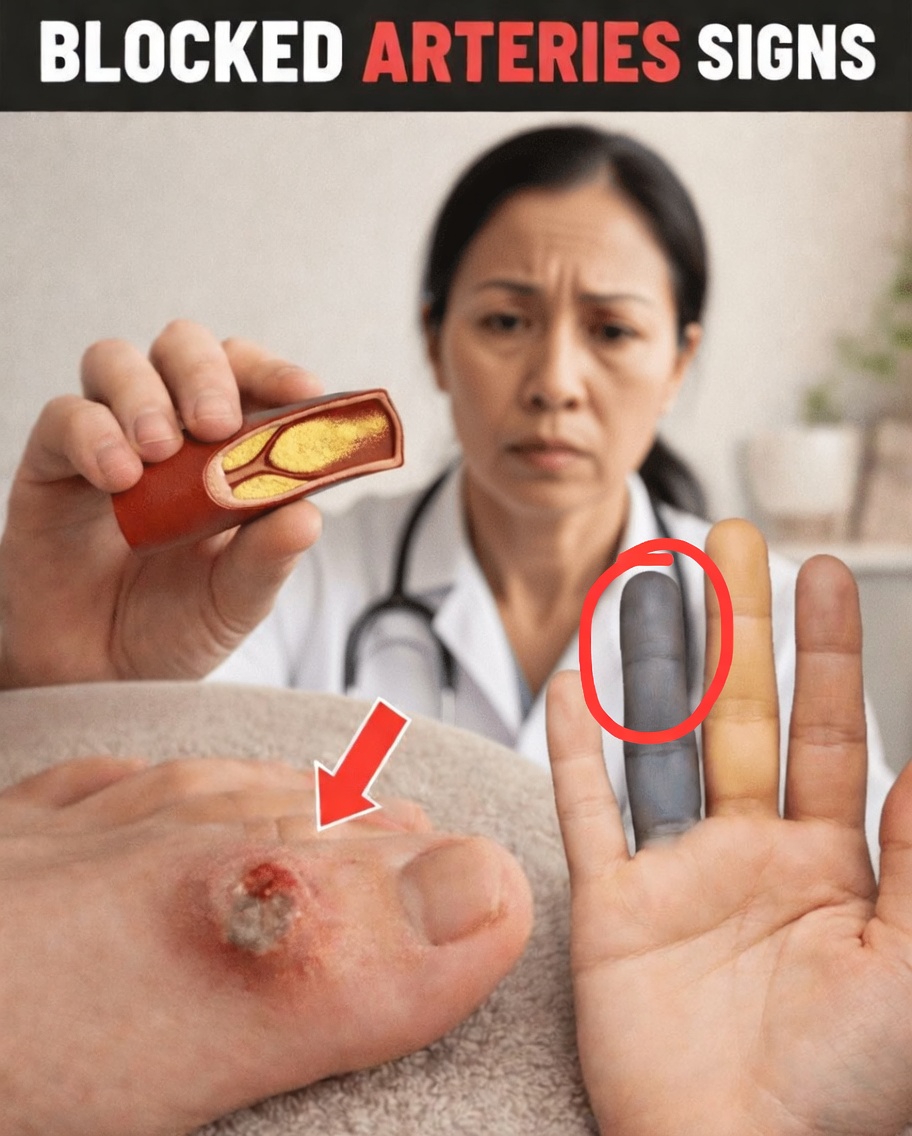
Have you ever finished a short walk and wondered why your legs felt far more exhausted than they should? Or maybe you have noticed a small sore on your foot that seems to linger for weeks. Problems like these are often brushed off as normal aging or the result of standing too much. In reality, they can sometimes point to reduced circulation caused by narrowed arteries in the lower body.
As this process develops, everyday activities may start to feel more draining, limiting comfort, movement, and independence. The encouraging news is that spotting the warning signs early can help you take smarter action. And one lesser-known clue, often missed until it becomes disruptive, appears near the end of this article along with practical ways to support better circulation.
What Reduced Blood Flow in the Legs and Feet Means
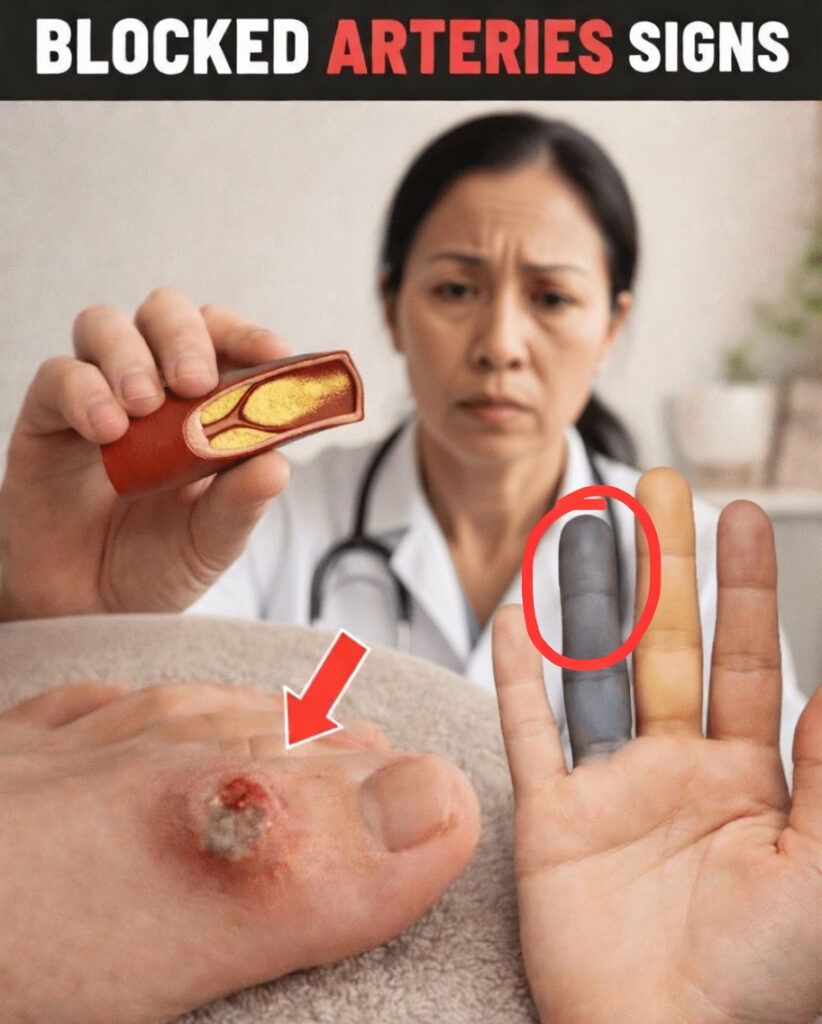
Arteries are responsible for delivering oxygen-rich blood throughout the body, including the legs and feet. Over time, plaque can collect inside these blood vessels, making them narrower and restricting circulation. This is part of the same vascular process that can affect other areas of the cardiovascular system.
According to organizations such as the American Heart Association, millions of adults live with these circulation changes, even though symptoms may begin gradually and remain easy to overlook at first.
Your body often sends signals when something is wrong. Paying attention to those signs matters. If they are ignored, discomfort may worsen and begin to affect mobility and quality of life. Recognizing them early can help you speak with a healthcare professional before the situation becomes more serious.
7 Warning Signs of Poor Circulation in the Legs and Feet
Watching for changes in your lower limbs can make a meaningful difference. Below are seven common signs that may suggest reduced blood flow. These are general informational points only, and a licensed healthcare provider is the right person to assess your individual condition.
1. Pain or Cramping During Walking or Exercise
One of the most common early signs is pain, cramping, heaviness, or fatigue in the calves, thighs, hips, or buttocks during movement. It often appears while walking, climbing stairs, or exercising, then improves after a short period of rest.
This happens because the muscles are not getting enough oxygen-rich blood to keep up with activity. Many people describe the sensation as tightness or a heavy ache that starts after walking a predictable distance.
This pattern can slowly make everyday tasks harder than they used to be. Something as simple as shopping or taking the dog outside may begin to feel unexpectedly difficult. Mayo Clinic experts identify this symptom as an important early clue.
2. Numbness or Weakness in the Legs
Do your legs ever feel tingly, unusually tired, or less stable even during routine movement? Reduced circulation can sometimes create numbness, weakness, or a pins-and-needles sensation.
These symptoms are easy to dismiss as ordinary fatigue. However, when they happen repeatedly, they may start to affect balance, confidence, and comfort during normal daily activities. Research suggests that numbness and weakness often appear alongside other circulation-related changes.
3. One Foot or Leg Feels Colder Than the Other
If one lower leg or foot regularly feels cooler than the other, even when you are indoors, that can be another important sign. When warm blood does not reach the area efficiently, the skin may feel noticeably colder to the touch.
This is one of the simplest changes to notice at home, especially when comparing both sides. Cleveland Clinic resources describe this sensation as a classic warning sign that many people experience but often ignore.
4. Sores or Wounds That Heal Slowly
A blister, cut, or sore on the foot, heel, or toes that takes a long time to heal may indicate poor circulation. When blood flow is limited, the body has more difficulty sending nutrients and immune support to the affected area.
This symptom is especially concerning because it is visible and often persistent. A wound that does not improve as expected deserves close attention, particularly if other risk factors are present.
5. Changes in Skin Color or Skin Texture
Circulation problems can sometimes affect how the skin looks and feels. The skin on the legs or feet may become pale, bluish, reddish, shiny, tight, or thinner than normal. In some people, discoloration becomes more obvious over time.
These visible changes may reflect tissue that is not receiving steady nourishment. The Centers for Disease Control and Prevention notes that changes in skin appearance often occur together with other circulation symptoms and can serve as a useful visual warning.
6. Hair Loss on the Legs or Slower Nail Growth
Have you noticed less hair on your lower legs or feet than you used to have? Or toenails that seem brittle and grow more slowly? These changes may seem minor, but they can be meaningful.
Hair follicles and nail beds depend on healthy blood flow. When circulation decreases, these areas may show subtle changes over time. Although this sign is easy to miss, it can add important context when seen together with other symptoms.
7. Weak or Hard-to-Find Pulses in the Feet
Pulses in the ankles or feet may feel weaker than expected, or they may be difficult to detect at all. This can suggest narrowing in the arteries that supply blood to the lower limbs.
Most people do not check this themselves, but healthcare providers often assess foot and ankle pulses during an exam. This is one of the more surprising signs many people overlook, yet it can be a key clue when paired with coldness, skin color changes, or slow-healing wounds.
Factors That May Increase the Risk
Several health and lifestyle factors can contribute to artery narrowing over time. Common ones include:
- Smoking or using tobacco
- Diabetes
- High blood pressure
- High cholesterol
- Excess body weight
- Low physical activity
- A family history of cardiovascular disease
Major health organizations emphasize that knowing these risk factors can help you have more informed conversations with your doctor about your vascular and overall health.
Everyday Habits That May Support Healthy Circulation
These steps are not a substitute for medical care, but many people use them as part of a healthy lifestyle to support circulation.
1. Move Gently and Consistently
- Take short walks at a comfortable pace.
- Build activity gradually over time.
- Regular movement may help your legs feel better and support mobility.
2. Eat for Vascular Health
- Choose more fruits, vegetables, whole grains, and lean protein.
- Cut back on heavily processed foods high in salt and saturated fat.
- A balanced diet can support heart and blood vessel health.
3. Avoid Tobacco
- If you smoke or use tobacco, quitting can benefit circulation quickly.
- Support programs and tools are available to help.
4. Track Key Health Numbers
- Keep up with routine checks for blood pressure, blood sugar, and cholesterol.
- Managing these numbers may help reduce strain on your blood vessels.
5. Practice Daily Foot Care
- Check your feet every evening.
- Keep them clean and moisturized.
- Wear supportive shoes that fit well and reduce pressure points.
These simple habits can fit into daily life and may help you feel more proactive about your comfort and long-term wellness.
Why Early Attention Is So Important
If you notice several of these signs at the same time, it is a good idea to schedule a medical evaluation. Healthcare providers can use simple, non-invasive tests to check blood flow and better understand what is happening.
The sooner you speak up about symptoms, the more options you may have to protect comfort, movement, and everyday independence.
Final Thoughts
Tired legs, cold feet, slow-healing sores, skin changes, and weak pulses should not always be dismissed as minor inconveniences. In some cases, they may be your body’s way of signaling reduced blood flow in the legs and feet.
By recognizing these warning signs early, understanding common risk factors, and following healthy daily habits, you can take meaningful steps toward better circulation and a more active life.