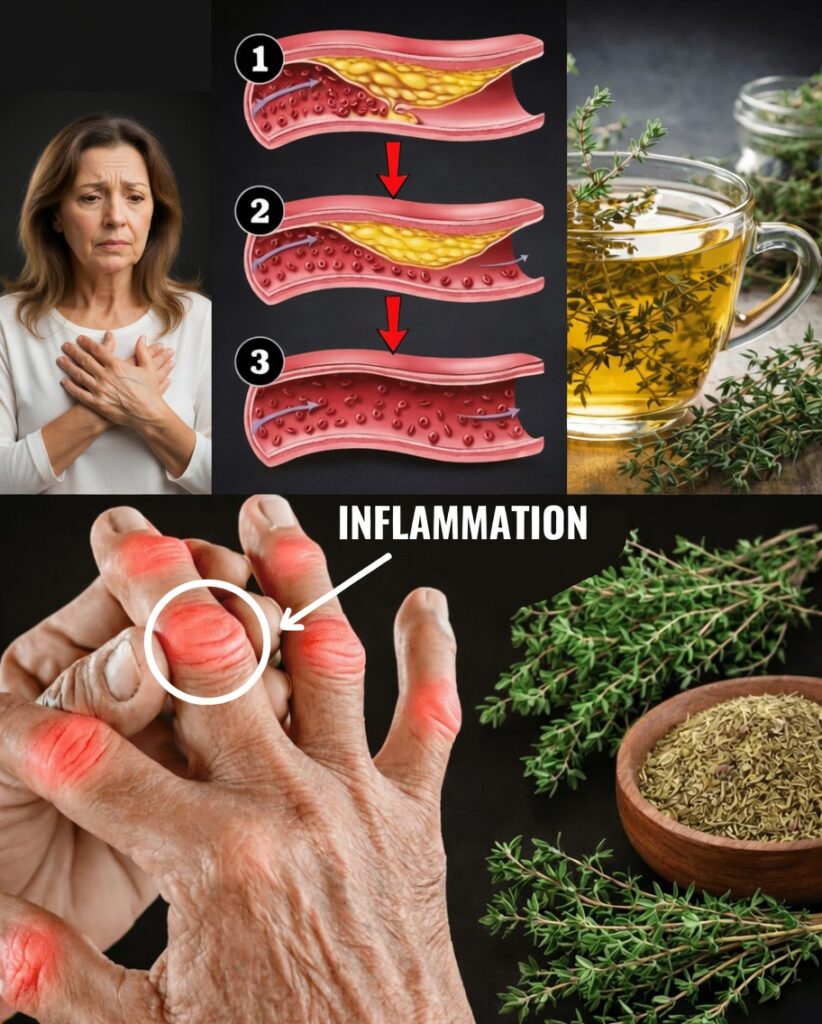
Everyday Discomfort and a Surprisingly Helpful Herb
Many people live with occasional tiredness, mild digestive upset, or temporary skin irritation that quietly reduces comfort and confidence. These common issues often send you searching for complex or costly solutions that do not always feel gentle or sustainable.
One simple option has been sitting in kitchens for centuries: thyme. This familiar culinary herb is traditionally used in many cultures for its potential to support everyday wellness in a mild, accessible way. Thyme is remarkably versatile, and there are several safe, practical methods to explore it—covered throughout this guide.
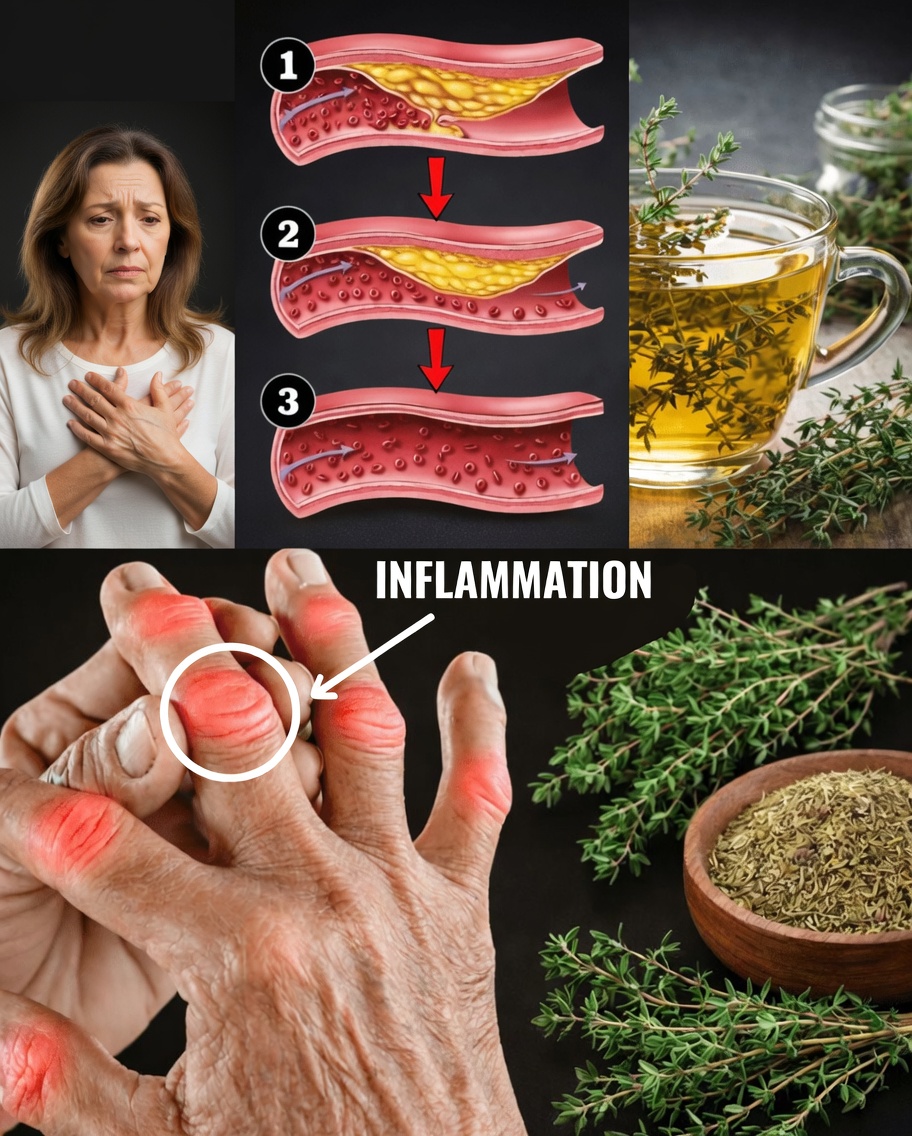
Why Everyday Discomfort Makes Thyme Worth Exploring
Feeling drained after a long day can make even routine tasks seem harder. Because of this, many people look for natural, low-effort strategies that fit smoothly into their schedule.
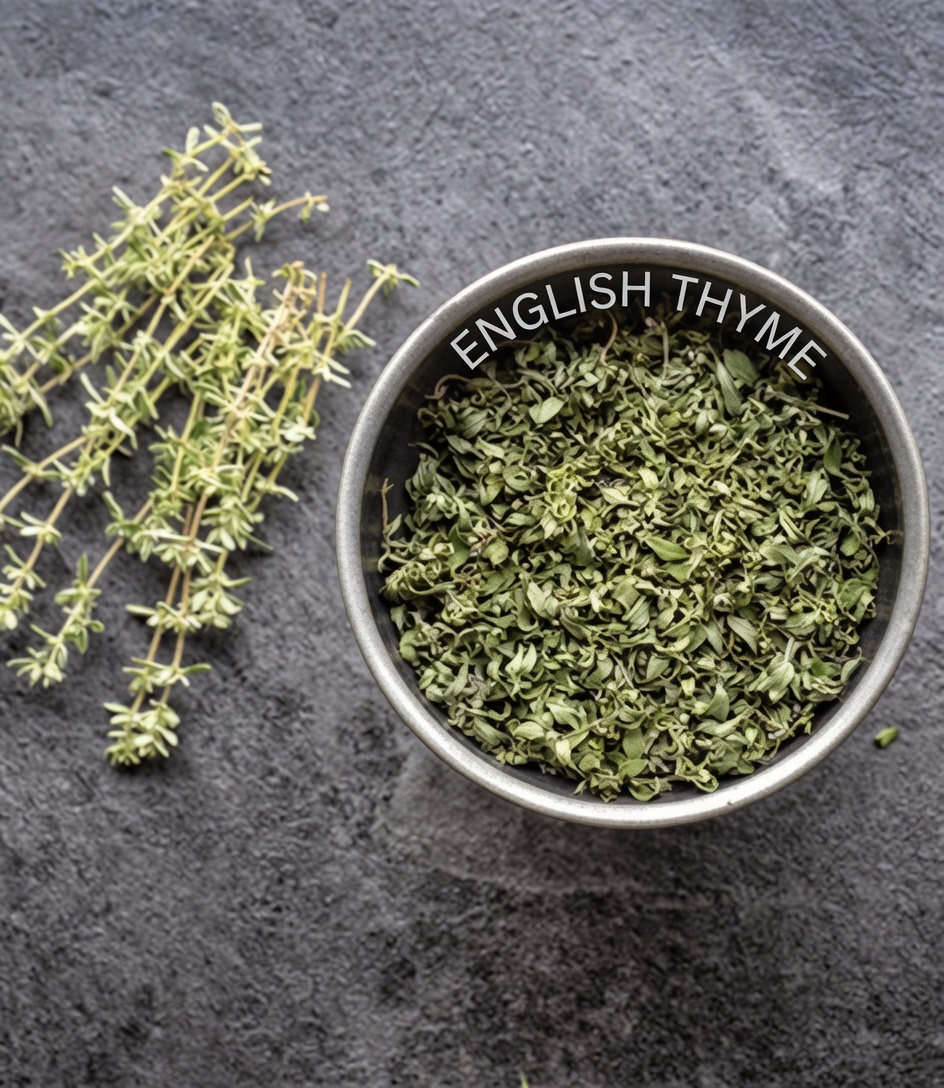
Thyme has been cherished in global cooking traditions for generations, not just for flavor but also for its perceived wellness-supporting properties. Modern research has begun to examine thyme’s active compounds and how they may gently support overall well-being when used regularly in food, tea, or other simple forms.
Before adding any new herb, however, it is important to understand how to use it thoughtfully and safely.
Thyme as a Source of Antioxidants for Everyday Wellness
Busy lifestyles, environmental exposure, and stress can all contribute to oxidative stress, leaving you feeling less vibrant over time. Thyme naturally contains antioxidant compounds such as thymol and carvacrol.
Some people choose to incorporate thyme into daily meals because research suggests these components may help:
- Support the body’s natural defenses against free radicals
- Complement a balanced, nutrient-rich diet
- Contribute to overall wellness in a gentle, food-based way
By using thyme in soups, stews, roasted vegetables, and marinades, you gain flavor plus potential antioxidant support without changing your routine dramatically.
How Thyme May Comfortably Support Immune Function
Recurring seasonal discomfort can affect energy, productivity, and mood. Thyme offers several nutrients and properties that people traditionally associate with immune support.
Key points about thyme and immune comfort:
- Thyme is a source of vitamin C and other plant compounds.
- Historical use and early research suggest thyme has antimicrobial properties.
- Some individuals turn to thyme as part of a broader approach to support general immune resilience.
While thyme is not a cure or treatment, it remains a popular household herb for those wanting simple, culinary-centered options that may complement a healthy lifestyle.
Thyme and Respiratory Comfort: Supporting Clearer Breathing
Occasional coughs, throat irritation, or mild congestion—especially during weather changes—can make breathing feel heavier and more tiring.
Thyme has been traditionally used for respiratory comfort because:
- It is considered to have expectorant properties, which may help loosen mucus.
- Its natural anti-inflammatory components may gently soothe irritated tissues.
- Thyme tea or thyme-infused dishes are often used in home routines to support a sense of clearer airways.
Enjoying thyme in warm tea or comforting meals can be a simple way to support respiratory ease within everyday habits.
Supporting Digestive Ease with Everyday Thyme
Bloating, gas, or mild indigestion after meals can overshadow an otherwise good day. In traditional practices, thyme is valued for its carminative properties—meaning it may help promote comfortable digestion.
Some ways thyme is explored for digestive support:
- Added to heavy or rich dishes to help them feel easier on the stomach
- Sipped as a warm tea after meals to encourage relaxation and digestive comfort
- Used to support a balanced gut environment, as some evidence suggests thyme may encourage the growth of beneficial bacteria

If you notice discomfort lingering after you eat, including small amounts of thyme in your cooking or evening tea may provide a gentle, kitchen-based ally for digestive ease.
Thyme for Everyday Inflammation and Comfort
Daily activities—from exercise to long hours at a desk—can leave you with minor aches or stiffness that influence your mood and mobility. Thyme contains thymol, a compound studied for its potential anti-inflammatory properties.
People often turn to thyme when they want:
- Natural, food-based options to support everyday comfort
- A simple herb that blends easily into existing meals and routines
- Mild support without complicated preparations or drastic changes
Used regularly in cooking or as a tea, thyme can become a quiet but consistent part of a comfort-focused lifestyle.
Thyme’s Potential Role in Supporting Skin Wellness
Occasional breakouts, redness, or skin irritation can affect self-confidence, especially before important events or social activities. Thyme’s antibacterial properties have made it a frequent ingredient in natural skincare ideas and DIY solutions.
Ways thyme may support skin wellness:
- Diluted thyme preparations are sometimes used to gently cleanse the skin’s surface.
- Thyme extracts appear in various mild skincare products aimed at supporting clearer-looking skin.
- Some people experiment with thyme-infused rinses or toners (always patch-tested and properly diluted) to help maintain a fresh appearance.
Used thoughtfully, thyme can be a supportive addition to a broader, gentle skin-care routine.
Thyme for Cardiovascular Wellness Support
Concerns about circulation or maintaining healthy blood pressure can feel overwhelming over time. While lifestyle and medical guidance remain essential, thyme may play a supportive role within heart-conscious habits.
Research suggests that:
- Certain compounds in thyme may help support healthy blood pressure levels when used as part of an overall balanced diet.
- Thyme’s antioxidant profile may assist the body in handling everyday oxidative effects linked to cardiovascular health.
Sprinkling thyme into heart-friendly dishes—such as vegetable-based soups, grilled fish, or whole grains—can add flavor while aligning with broader wellness goals.
Thyme as a Gentle Option for Relaxation and Stress Relief
Daily stress, mental load, and constant multitasking can leave you feeling tense and unrested. Beyond its culinary role, thyme is also used in aromatherapy for its soothing scent.
Thyme’s potential relaxation benefits include:
- Its essential oil, when properly diluted, can be diffused to create a calming atmosphere.
- A few drops (well diluted in a carrier oil) may be added to a bath for a comforting, aromatic soak.
- The warm, herbal aroma can help signal to your mind and body that it is time to wind down.
While individual responses vary, many people enjoy thyme’s aroma as part of their evening relaxation routine.
Quick Comparison: Thyme in Everyday Routines
Here is a simple look at how thyme can complement common approaches to everyday concerns:
| Everyday Concern | Common Approach | Simple Thyme Option |
|---|---|---|
| Occasional fatigue | Energy drinks | Add thyme to morning meals (omelets, toast, soup) |
| Digestive unease | Over-the-counter remedies | Drink warm thyme tea after dinner |
| Mild skin irritation | Commercial creams | Use a diluted thyme rinse (patch test first) |
| Stress and tension | Supplements or sleep aids | Try aromatherapy with thyme essential oil |
These options are not replacements for medical care, but they offer gentle, everyday ways to explore thyme’s potential support.
Simple Thyme Tea Recipe for Daily Wellness
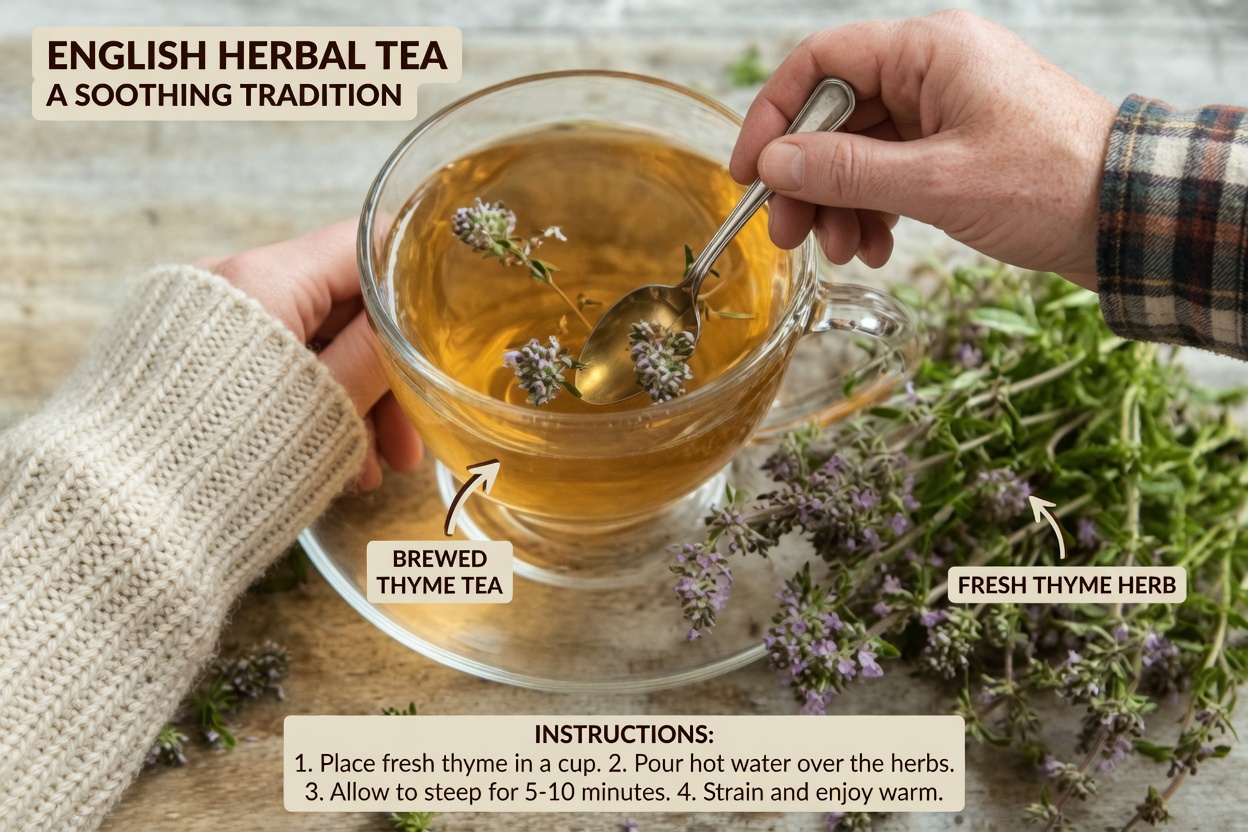
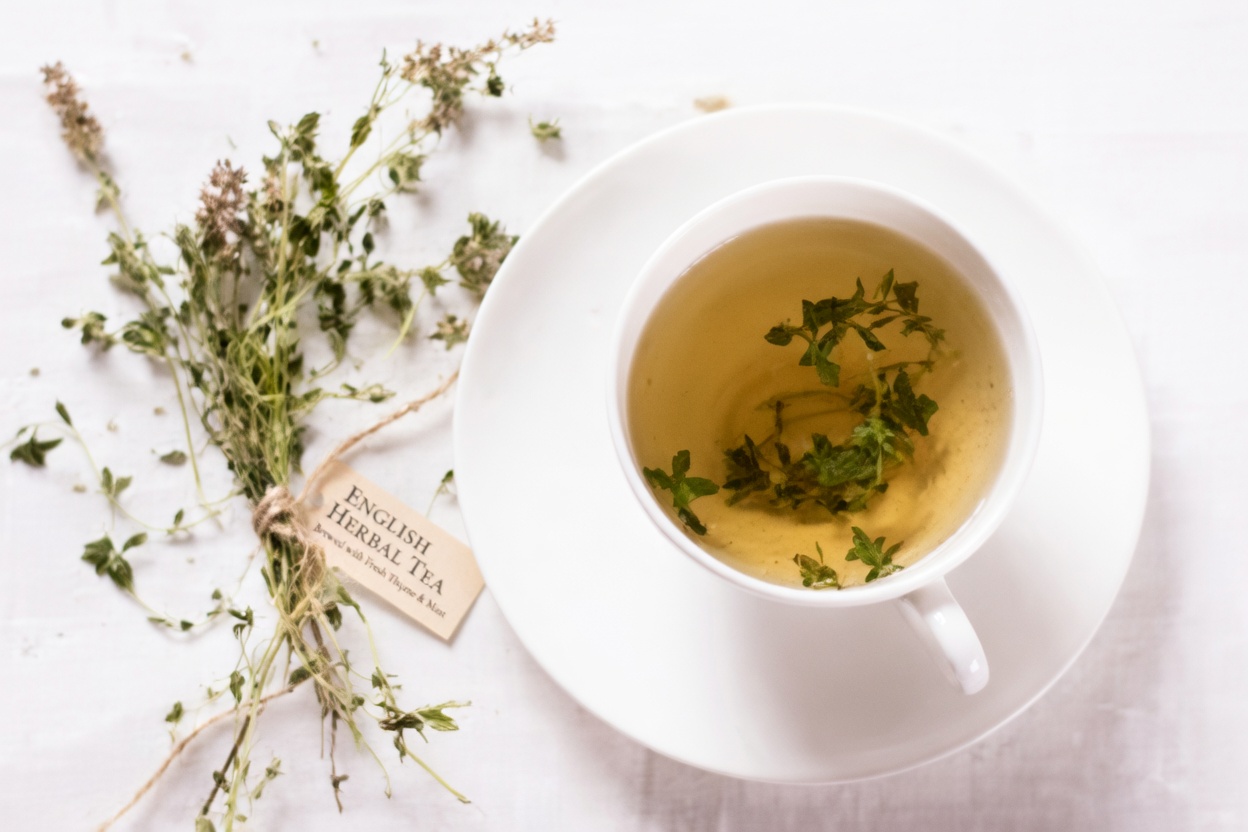
For many, thyme tea is one of the easiest and most comforting ways to invite this herb into everyday life. It requires only a few minutes and minimal ingredients.
Ingredients
- 1 teaspoon dried thyme (or 2–3 teaspoons fresh thyme)
- 1 cup hot water
- Optional: honey, lemon, or a slice of ginger
Instructions
- Place the thyme in a cup or teapot.
- Pour hot (not boiling) water over the herb.
- Cover and let steep for 5–10 minutes, depending on how strong you like it.
- Strain out the thyme leaves.
- Sip slowly, ideally while sitting quietly or reflecting on your day.
Store extra dried thyme in an airtight container in a cool, dry place; it typically maintains good quality for up to six months. Enjoy this tea in the evening or after meals as a gentle, routine-friendly form of support.
Additional Everyday Uses of Thyme You Can Try
Thyme is not only beneficial—it is also delicious. If your meals are feeling repetitive or bland, thyme can bring both taste and potential wellness support.
Ideas for using thyme in the kitchen:
- Sprinkle fresh or dried thyme over roasted vegetables, potatoes, or chicken.
- Stir thyme into soups, stews, sauces, and marinades.
- Combine thyme with other herbs (like rosemary, oregano, or basil) to create versatile seasoning blends.
Beyond cooking, thyme can also be explored in natural home-care routines:
- Thyme-infused, properly diluted essential oil is used in some natural cleaning ideas.
- A few drops of thyme essential oil (always diluted) can be mixed into vinegar-based cleaning solutions to freshen surfaces.
- This approach allows you to reduce reliance on harsh synthetic fragrances while enjoying a clean, herbal scent.
Safe Ways to Incorporate Thyme into Your Routine
Like any herb, thyme is most supportive when used with moderation and awareness.
Safety tips for everyday use:
- Start with small amounts in food or tea to see how your body responds.
- Always dilute thyme essential oil with a carrier oil (such as jojoba, sweet almond, or coconut oil) before any skin contact.
- Avoid internal use of concentrated essential oil without guidance from a qualified professional.
- If you experience irritation, discomfort, or allergic reactions, discontinue use and consult a healthcare provider.
For most people, thyme used in normal culinary amounts remains a gentle, accessible choice when approached mindfully.
Frequently Asked Questions About Thyme
1. How much thyme can I use daily for general wellness support?
Many people comfortably enjoy about 1–2 teaspoons of fresh or dried thyme per day in their meals or tea. Keeping portions moderate helps you notice how your body responds while staying within typical culinary use.
2. Is thyme suitable for everyone who is exploring natural options?
Thyme works well for many individuals, but there are exceptions:
- People with known allergies to plants in the mint family (Lamiaceae) should be cautious.
- Pregnant or breastfeeding individuals should check with a healthcare provider before using thyme regularly, especially in concentrated forms.
- Anyone on medication or with underlying health conditions should seek professional advice if using thyme beyond normal food amounts.
3. How should I store thyme to keep it fresh longer?
To maintain thyme’s quality:
- Fresh thyme: Wrap loosely and store in the refrigerator, or place stems in a jar with a little water, covered lightly.
- Dried thyme: Keep in an airtight container, away from heat, light, and moisture.
Stored properly, fresh thyme can last days to weeks, while dried thyme often keeps its flavor and aroma for several months.
Bringing Thyme into Your Everyday Routine
You now have practical, safe ways to weave thyme into daily life—from simple meals and soothing teas to gentle aromatherapy and natural home care. This familiar kitchen herb offers an approachable path to supporting overall wellness without adding complexity.
By exploring thyme in small, consistent steps, you can discover how it fits into your personal habits, preferences, and goals—turning an ordinary pantry staple into a quiet partner in your everyday well-being.