
8 Everyday Habits That Can Make Amlodipine Work Less Effectively
You may take amlodipine exactly as prescribed and still have days when your blood pressure seems unstable, or you feel dizzy just from walking across the room. In many cases, those symptoms are not random. Small routines that seem harmless can quietly interfere with how well this medication performs or make side effects feel worse.
The encouraging part is that a few simple adjustments can often help amlodipine work more smoothly. Some changes may even reduce fatigue, swelling, or lightheadedness faster than you expect. And yes, the eighth habit is one many people never suspect.
Why These Daily Habits Matter
Amlodipine helps lower blood pressure by relaxing and widening blood vessels. But what you eat, drink, and do each day can either support that effect or work against it. Guidance from trusted medical sources, including the NHS and pharmacology research, shows that certain foods, drinks, and lifestyle patterns can affect how much amlodipine stays in your body or how strongly it affects you.
When that happens, two things are more likely:
- Side effects such as ankle swelling, flushing, headaches, or dizziness may become more noticeable
- Your blood pressure may not improve as much as expected
The key point is that these are usually not major lifestyle mistakes. They are common habits people do almost automatically. Once you recognize them, replacing them is often much easier than you think.
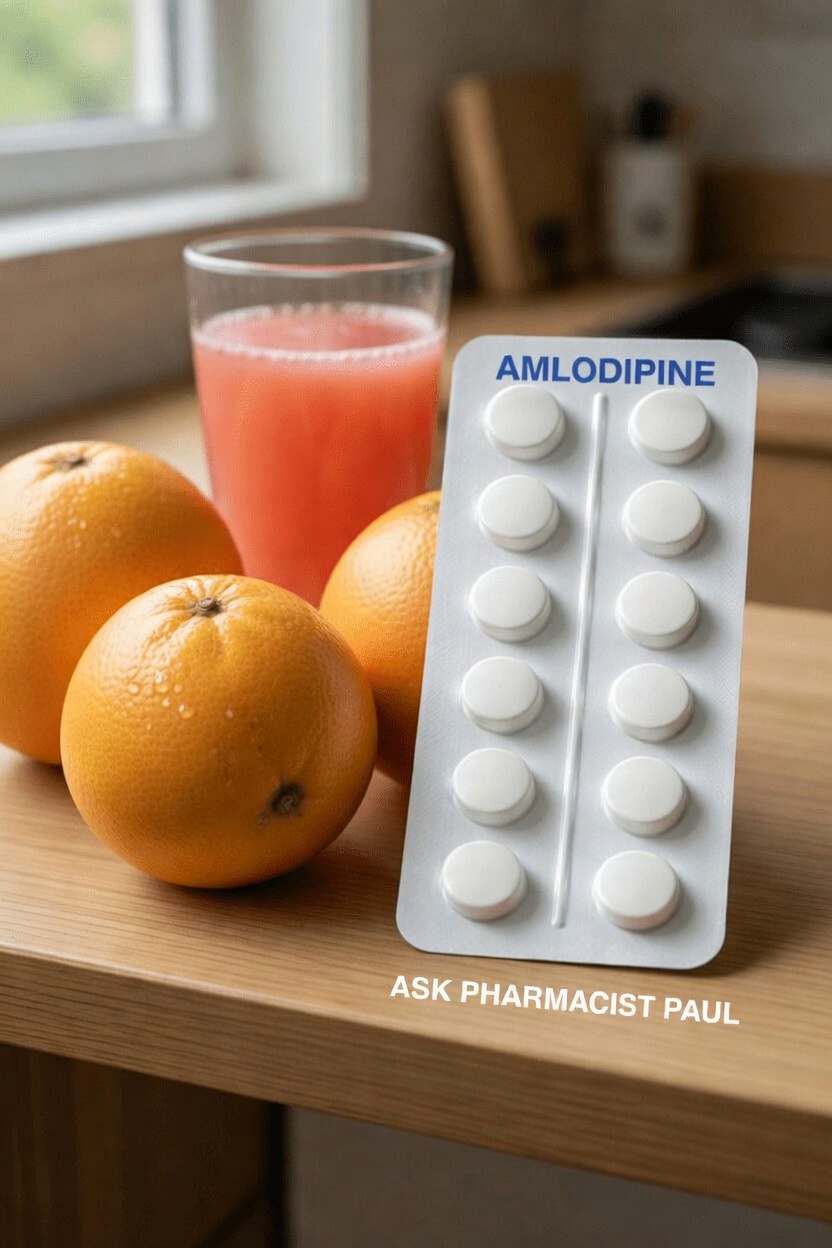
Habit #1: Drinking Grapefruit Juice or Eating Grapefruit Regularly
Grapefruit is one of the best-known food interactions with amlodipine. It contains natural compounds that slow the enzyme responsible for breaking down the drug. As a result, amlodipine can build up in your system more than intended.
That increase may raise the chance of problems such as:
- Low blood pressure
- Headaches
- Excessive tiredness
- Dizziness
Even moderate intake can affect some people. If grapefruit is part of your breakfast or a frequent snack, consider switching to safer alternatives such as:
- Oranges
- Apples
- Berries
- Apple juice
This small change can help prevent unnecessary side effects and support steadier blood pressure control.
Habit #2: Having Alcohol Most Evenings
A nightly glass of wine or a beer after dinner may seem harmless, but alcohol and amlodipine both relax blood vessels. Together, they can lower blood pressure more than expected.
This combination may lead to:
- Increased dizziness
- Sleepiness
- Morning headaches
- Feeling unsteady when standing
Even one or two drinks can be enough to trigger symptoms in some people. A practical approach is to limit alcohol to occasional use or replace it with non-alcoholic options during the week. Many people notice improved energy and fewer dizzy episodes after making this adjustment.
Habit #3: Eating Too Many Salty and Processed Foods
Amlodipine is trying to reduce pressure inside your blood vessels. Too much sodium pushes in the opposite direction by causing your body to retain more fluid, which increases blood pressure.
Health experts commonly recommend keeping sodium intake below:
- 2,300 mg per day for general blood pressure support
- Closer to 1,500 mg per day for better control in many people with hypertension
High-Sodium Habits to Cut Back On
- Chips and salty crackers
- Canned soups
- Processed deli meats
- Fast food several times a week
- Packaged frozen meals
Better Low-Sodium Swaps
- Fresh fruit
- Unsalted nuts
- Homemade meals with herbs and spices
- Low-sodium versions of common foods
Tracking your sodium for even one week can be eye-opening. Many people are consuming far more salt than they realize.
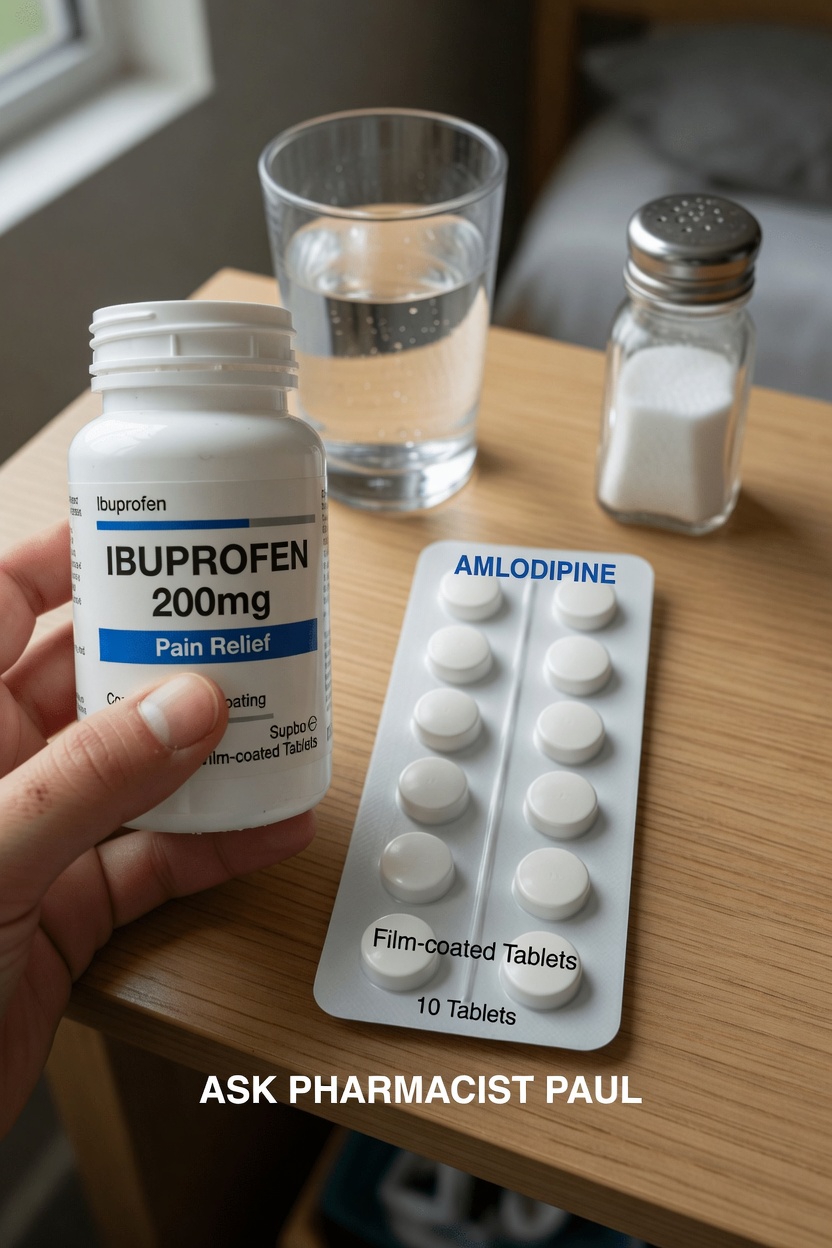
Habit #4: Taking Ibuprofen or Other NSAIDs Too Often
Over-the-counter pain relievers such as ibuprofen can reduce the blood-pressure-lowering effect of amlodipine. When used frequently, they may also place extra strain on the kidneys.
This is a well-established drug interaction and a common reason blood pressure begins creeping up again despite taking medication consistently.
If you need relief from occasional pain, speak with your doctor or pharmacist about safer options. Depending on your situation, alternatives may include:
- Acetaminophen
- Warm compresses
- Gentle stretching
- Rest
- Better hydration
The safest choice depends on your health history, so checking first is always wise.
Habit #5: Using Herbal Supplements Without Asking First
Many people assume herbal products are automatically safe because they are natural. Unfortunately, that is not always true. St. John’s Wort is a good example because it can speed up the enzymes that clear amlodipine from your body.
If that happens, the medication may become less effective.
Other supplements may also affect blood pressure or interact with prescription drugs in unexpected ways. A simple but powerful step is to bring every supplement you take to your next appointment, including:
- Herbal products
- Sleep aids
- Energy boosters
- Vitamins
- Powders and teas
A short conversation with your pharmacist or doctor can prevent months of confusion over unstable readings.
Habit #6: Continuing to Smoke, Even Occasionally
Smoking directly damages blood vessels and raises blood pressure, which works against the exact benefit amlodipine is meant to provide. Even a few cigarettes a day can increase inflammation, strain the heart, and reduce overall cardiovascular health.
Stopping smoking is one of the most effective ways to support your treatment plan. Helpful tools may include:
- Nicotine replacement products
- Smoking cessation apps
- Support groups
- Brief counseling sessions
- Prescription quit-smoking aids
This change does more than help your medication. It benefits your heart, circulation, lungs, and long-term health overall.
Habit #7: Drinking Too Much Coffee or Too Many Energy Drinks
Caffeine can temporarily narrow blood vessels and may reduce some of amlodipine’s blood-pressure benefits, especially if you are sensitive to stimulants.
For many people, one morning cup of coffee is not a problem. The issue tends to come from repeated doses throughout the day, especially from:
- Several large coffees
- Strong espresso drinks
- Energy drinks
- Pre-workout beverages
If you often feel jittery, notice afternoon pressure spikes, or feel like your medication is not doing enough, reducing caffeine may help. Try replacing later-day drinks with:
- Herbal tea
- Decaf coffee
- Sparkling water
- Water with fruit slices
People often notice steadier energy and fewer fluctuations within a few days.
Habit #8: Standing Up Too Fast
This is the habit that surprises many people. Amlodipine can make blood pressure drop more noticeably when you move quickly from lying down or sitting to standing. That sudden shift can cause the familiar rush of dizziness or a moment of feeling faint.
It may seem minor, but this is one of the easiest habits to correct.
Try This Simple 3-Step Routine
- Sit on the edge of the bed for about 30 seconds before standing
- Rise slowly while holding onto something stable
- Wait another 10 to 15 seconds before walking
This only takes a moment, but it can greatly reduce lightheadedness and help prevent falls.
Simple Ways to Support Amlodipine Starting Today
You do not need a total lifestyle overhaul. Start with a few realistic actions:
- Take amlodipine at the same time every day
- Keep a note in your phone or a small journal to track dizziness, swelling, headaches, or unusual tiredness
- Stock your kitchen with low-sodium snacks and avoid grapefruit products
- Review all supplements and non-prescription medicines with a pharmacist
- Cut back gradually on alcohol, caffeine, or smoking if those are part of your routine
Small changes add up. Over time, they can help your medication work with your body instead of being undermined by hidden triggers.
Final Thoughts: Small Adjustments Can Make a Big Difference
Stopping these eight habits will not replace amlodipine, but it can help the medication perform better and may reduce side effects that interfere with daily life. Many people experience more stable blood pressure, fewer dizzy spells, and better energy after making only a couple of changes.
The best strategy is to start simple. Pick one or two habits to improve this week rather than trying to fix everything at once. Consistency usually matters more than perfection.
Frequently Asked Questions
Can I still have grapefruit while taking amlodipine?
Small amounts once in a while may not cause problems for everyone, but regular or large servings are usually best avoided. Your pharmacist can give advice based on your dose and personal risk.
What if I miss a dose of amlodipine?
Take it when you remember, unless your next dose is coming up soon. Do not take two doses at once. Staying as consistent as possible is more important than being perfect every day.
Is coffee allowed if I take amlodipine?
Yes, usually in moderation. One or two cups spread through the day is often fine, but if you notice palpitations, pressure changes, or dizziness, consider cutting back and monitoring how you feel.
Important Disclaimer
This article is for informational purposes only and does not replace professional medical advice. Always speak with your doctor or pharmacist before changing your diet, supplements, medications, or lifestyle habits.