Heel Pain: Common Causes, Relief Tips, and Smart Ways to Prevent It
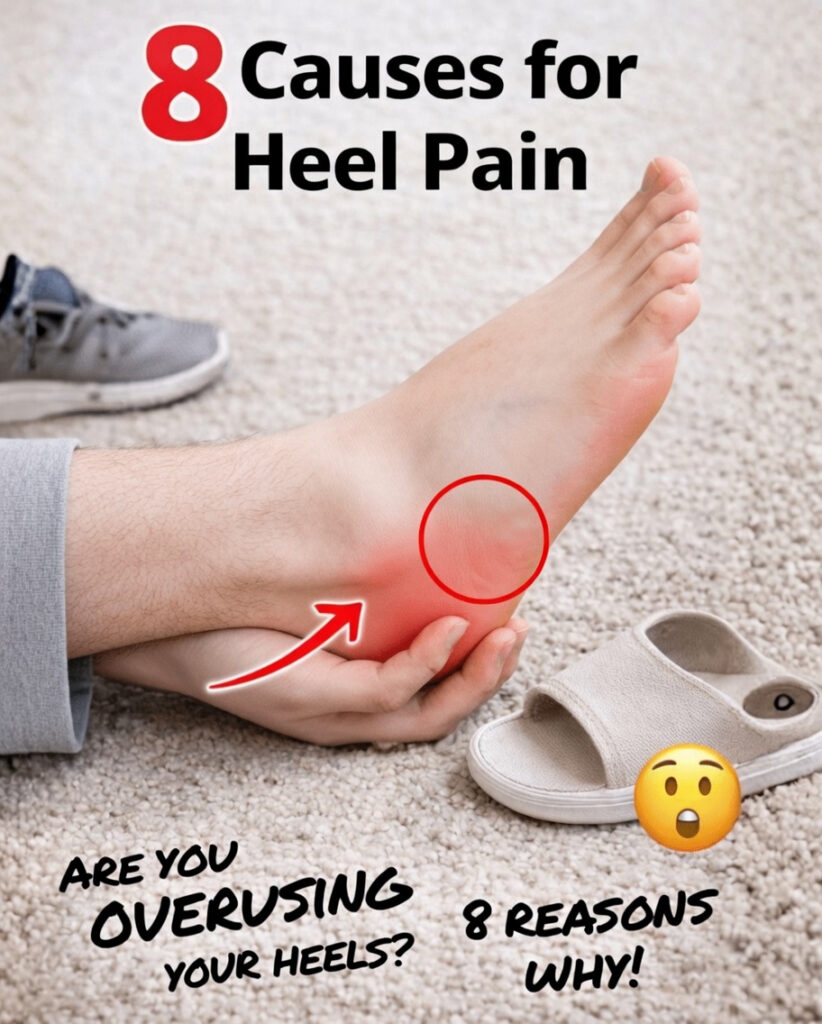
Heel pain can be surprisingly disruptive. That sudden jolt when you take your first step in the morning, or the lingering soreness after hours of standing, can turn ordinary activities into a challenge. Whether you run regularly, work on your feet all day, or enjoy active weekends, heel discomfort can drain your energy and interrupt your routine.
Millions of people experience heel pain every year. In many cases, it develops from repeated strain, poor movement patterns, or everyday habits that place extra stress on the foot. The encouraging part is that many people improve by making simple, practical changes to their daily routine.
What many people miss, however, is that lasting relief often starts with identifying the underlying cause and building supportive habits early. By understanding what is triggering the discomfort, you can take smarter steps toward feeling better and preventing the pain from returning.
What Causes Heel Pain?
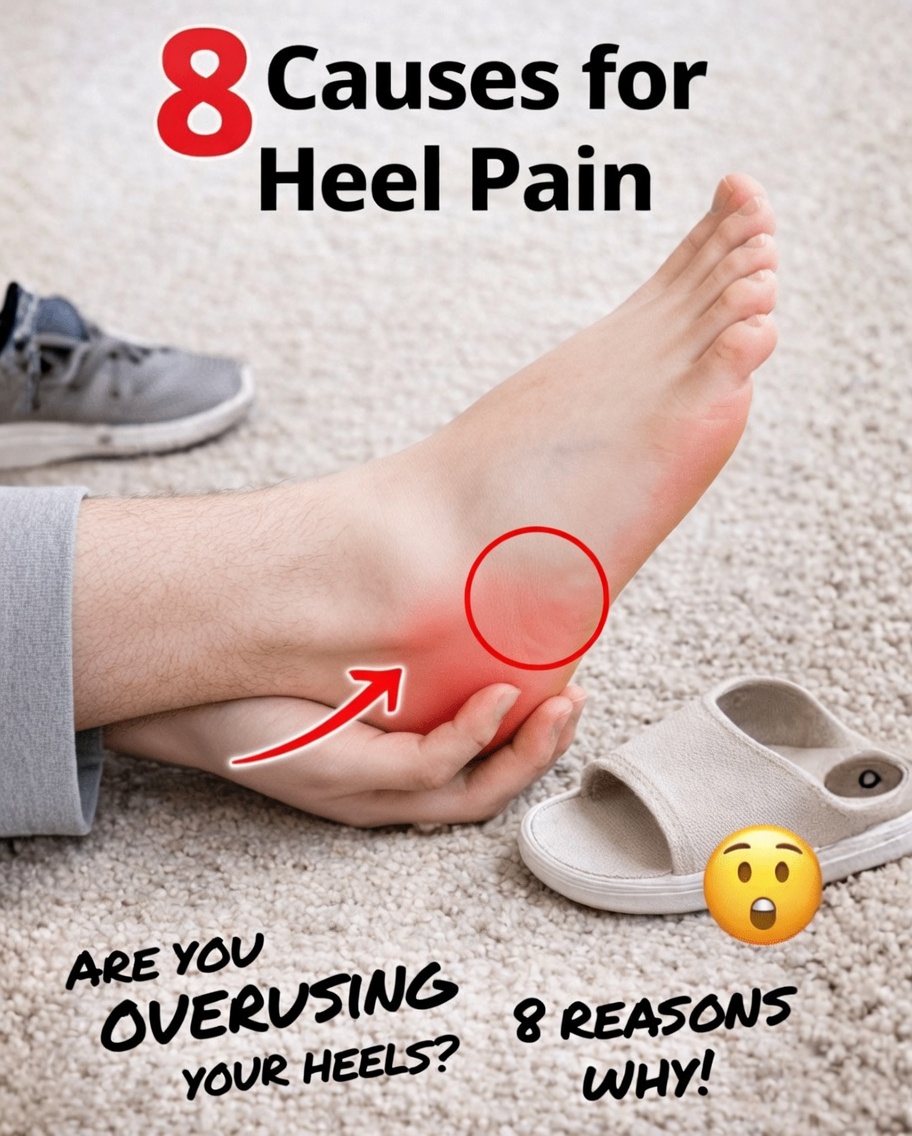
Heel pain is not a diagnosis on its own. It is a symptom that can come from several different conditions. The heel bone, known as the calcaneus, absorbs a large amount of body weight with every step. Around it are important structures such as tendons, ligaments, and soft tissue cushions, all of which can become irritated over time.
Medical sources such as Mayo Clinic and Healthline note that heel pain is most often linked to mechanical stress rather than serious illness. Common triggers include:
- Tight calf muscles
- Unsupportive shoes
- Sudden increases in physical activity
- Flat feet or high arches
- Repetitive impact over time
Most Common Reasons for Heel Discomfort
Understanding the most frequent causes can help you recognize patterns in your own symptoms.
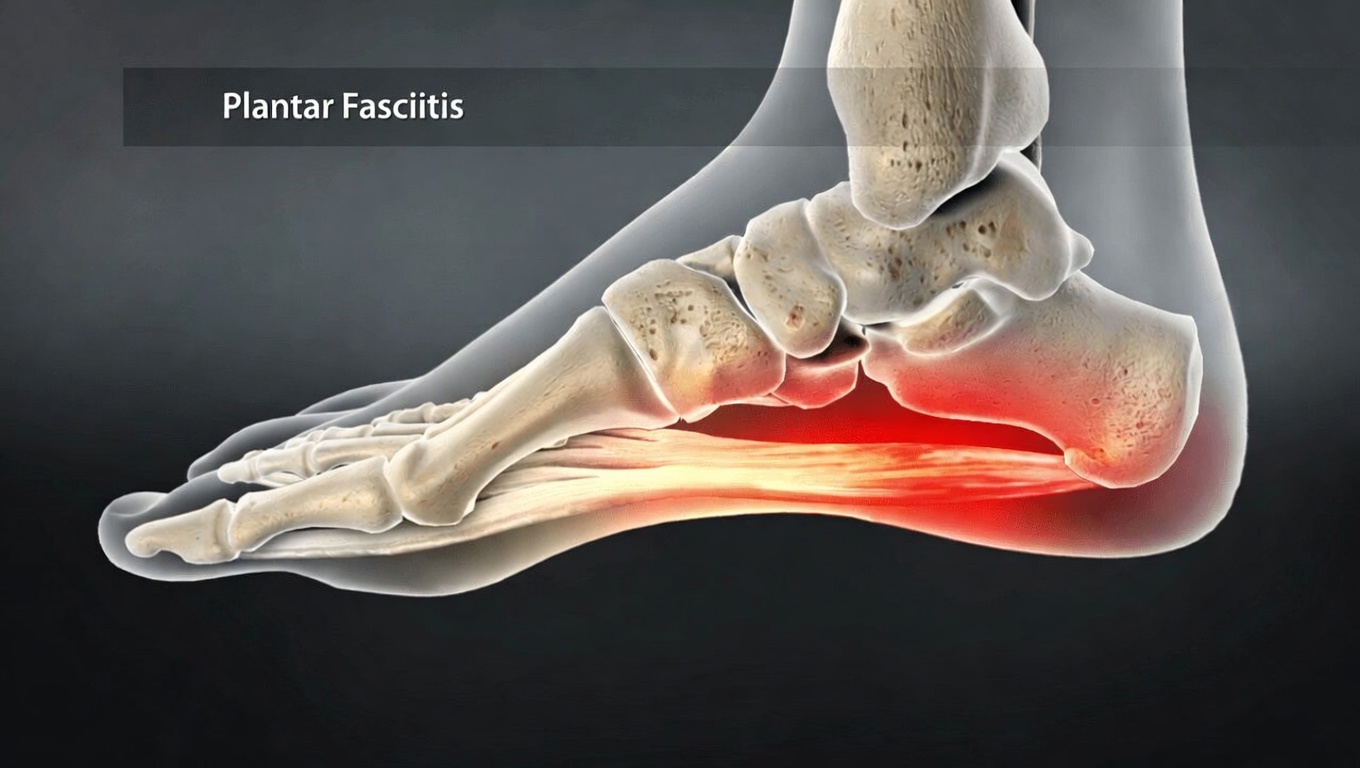
1. Plantar Fasciitis
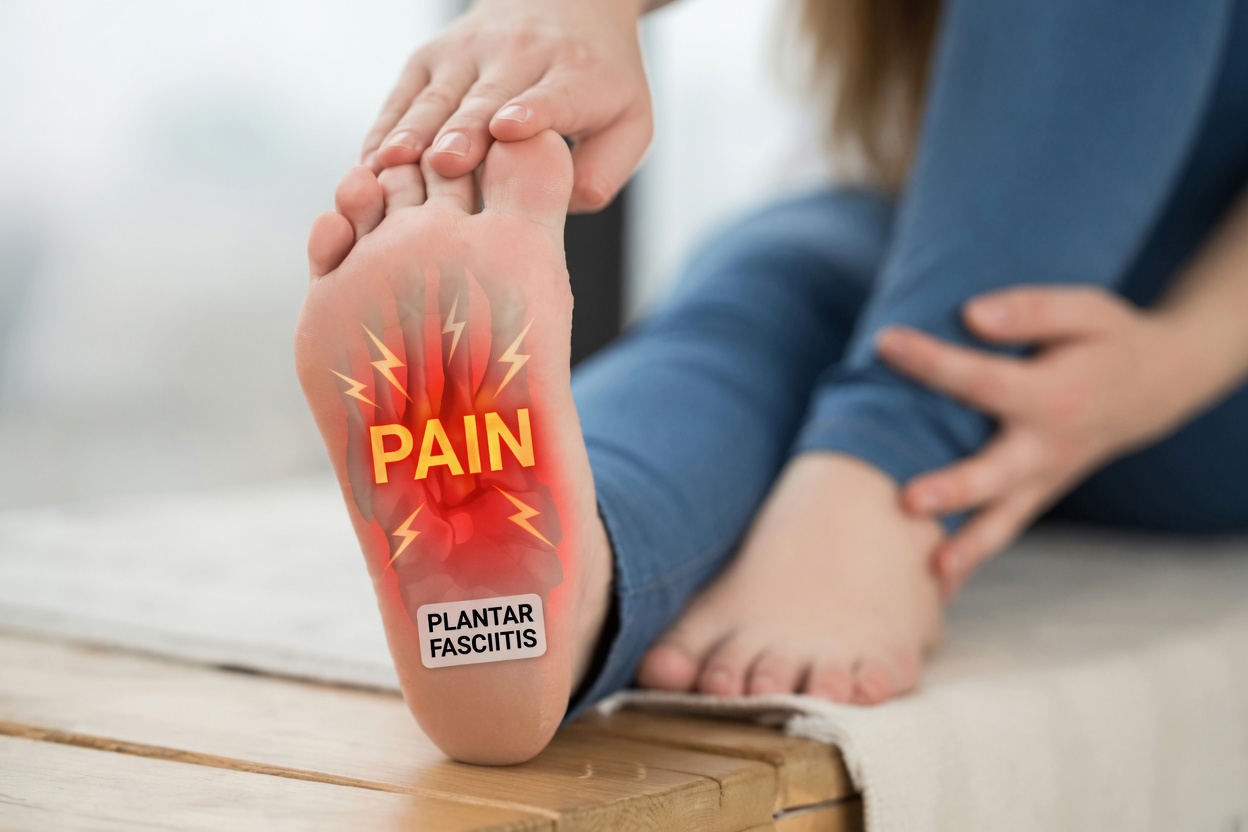
This is one of the leading causes of heel pain. It happens when the plantar fascia, the thick band of tissue along the bottom of the foot, becomes irritated. It commonly causes sharp pain with the first steps in the morning or after sitting for a while.
Factors that may contribute include:
- Overuse
- Poor footwear support
- Excess body weight
- Tight lower-leg muscles
2. Achilles Tendinitis
Pain at the back of the heel is often related to the Achilles tendon. This tendon connects the calf muscles to the heel bone. It can become sore or inflamed when exercise intensity increases too quickly or when the calves are especially tight.
3. Bursitis
Bursae are small fluid-filled sacs that reduce friction around joints. When one of these sacs in the heel becomes inflamed, it can lead to tenderness, swelling, and pain during movement.
4. Stress Fractures or Deep Bruising
Repeated impact can create tiny cracks in the heel bone, known as stress fractures. In other situations, a strong impact may cause a deep bruise that results in persistent soreness.
5. Other Possible Causes
Some cases are linked to less common issues, including:
- Growth-related heel pain in children and teens, such as Sever’s disease
- Inflammatory conditions
- Foot alignment problems
- Sprains after a sudden twist or misstep
Daily habits can also make symptoms worse, especially if you continue walking in poor shoes or spend long hours on hard surfaces.
Symptoms to Pay Attention To
Heel pain can feel different depending on the cause, but some warning signs are especially common.
Watch for:
- Sharp pain under the heel or behind it
- Stiffness after resting that improves once you move
- Tenderness when pressing the sore area
- Swelling or warmth in some cases
If the pain begins suddenly, becomes severe, or makes walking difficult, it is a good idea to seek medical advice.
Simple Home Remedies for Heel Pain Relief
You do not need expensive tools or complicated treatments to start easing heel discomfort. Many effective home strategies focus on reducing strain and calming irritated tissue.
1. Rest and Use Ice Wisely
Give your feet a break from repetitive impact, especially activities like running or jumping. A cold pack wrapped in a cloth can be applied for 15 to 20 minutes a few times a day to reduce irritation.
2. Add Gentle Stretching Every Day
Tight muscles in the calves and feet often make heel pain worse. Regular stretching can improve flexibility and reduce pressure on the heel.
Try these exercises:
- Calf stretch: Stand facing a wall. Place one foot behind you with the heel flat on the floor. Lean forward until you feel a stretch in the back leg. Hold for 30 seconds, then switch sides. Repeat 3 times.
- Plantar fascia stretch: Sit down and cross one leg over the other. Pull your toes back toward your shin until you feel a stretch along the bottom of the foot. Hold for 30 seconds.
- Towel scrunch: Place a towel on the floor and use your toes to pull it toward you. This can help strengthen the small muscles in the foot.
3. Wear More Supportive Shoes
Footwear can make a major difference in how your heel feels. Shoes with good cushioning and proper arch support help reduce pressure on the painful area. Flat shoes, worn-out sneakers, and high heels often make symptoms worse.
Look for shoes with:
- A firm heel counter
- Good arch support
- Shock-absorbing cushioning
- A moderate heel-to-toe drop, around 8 to 12 mm
- Removable insoles if extra support is needed
Everyday Shoes vs. Supportive Footwear
Here is a quick comparison of how shoe design can affect heel stress:
-
Arch support
- Everyday or flat shoes: little to no support
- Supportive shoes: built-in or adjustable support
-
Cushioning
- Everyday or flat shoes: thin or uneven cushioning
- Supportive shoes: thicker shock absorption
-
Heel stability
- Everyday or flat shoes: loose or unstable heel fit
- Supportive shoes: firmer structure for better control
-
Effect on heel pressure
- Everyday or flat shoes: more strain over time
- Supportive shoes: better pressure distribution
For many people, changing footwear leads to noticeable improvement within a few weeks.
Prevention Habits That Help Long Term
Preventing heel pain often comes down to small but consistent habits. These changes can reduce the chance of flare-ups and keep you moving more comfortably.
Helpful prevention tips include:
- Increase activity gradually instead of doing too much too soon
- Maintain a healthy weight to reduce load on the feet
- Stretch regularly before and after exercise
- Replace athletic shoes every 300 to 500 miles
- Spend less time on hard surfaces when possible
- Use supportive slippers or shoes indoors if walking barefoot worsens symptoms
One habit many people find especially helpful is combining supportive footwear with regular calf stretching. Nightly stretching, in particular, may help keep tissues from tightening overnight and reduce that painful first-step feeling in the morning.
When to See a Healthcare Professional
Home care is often effective, but some situations call for professional guidance. You should consider seeing a healthcare provider if:
- The pain is severe or came on suddenly
- Swelling or redness develops
- Walking becomes difficult
- Symptoms continue longer than 2 to 3 weeks
A professional can examine the foot, identify the likely cause, and recommend treatment options such as physical therapy, custom orthotics, or further testing if needed.
Final Thoughts
Heel pain does not have to control your daily life. When you identify common triggers like overuse, tight muscles, or poor footwear, it becomes much easier to take meaningful action. A combination of rest, stretching, and better shoe support helps many people regain comfort and confidence.
Start with one simple step today, such as a short calf stretch or switching to more supportive shoes, and build from there.
Frequently Asked Questions
What helps morning heel pain the fastest?
Many people feel better after gentle foot and calf stretching as soon as they wake up. Wearing supportive slippers indoors can also help, especially on hard floors. Ice after activity may further reduce soreness.
Can tight or poorly fitting shoes cause heel pain?
Yes. Shoes that are too tight or do not provide proper support can place extra pressure on the foot and heel. Choose footwear with enough room in the toe box and the correct size for your foot.
Is heel pain only a problem for runners or athletes?
No. Heel pain is also common in people with jobs that involve standing for long periods, those who have gained weight, and older adults whose feet may have less natural cushioning.
Disclaimer
This article is for informational purposes only and should not be considered medical advice. Always consult a qualified healthcare provider for personalized evaluation and treatment of heel or foot pain. Results vary from person to person, and ongoing symptoms should be assessed by a professional.