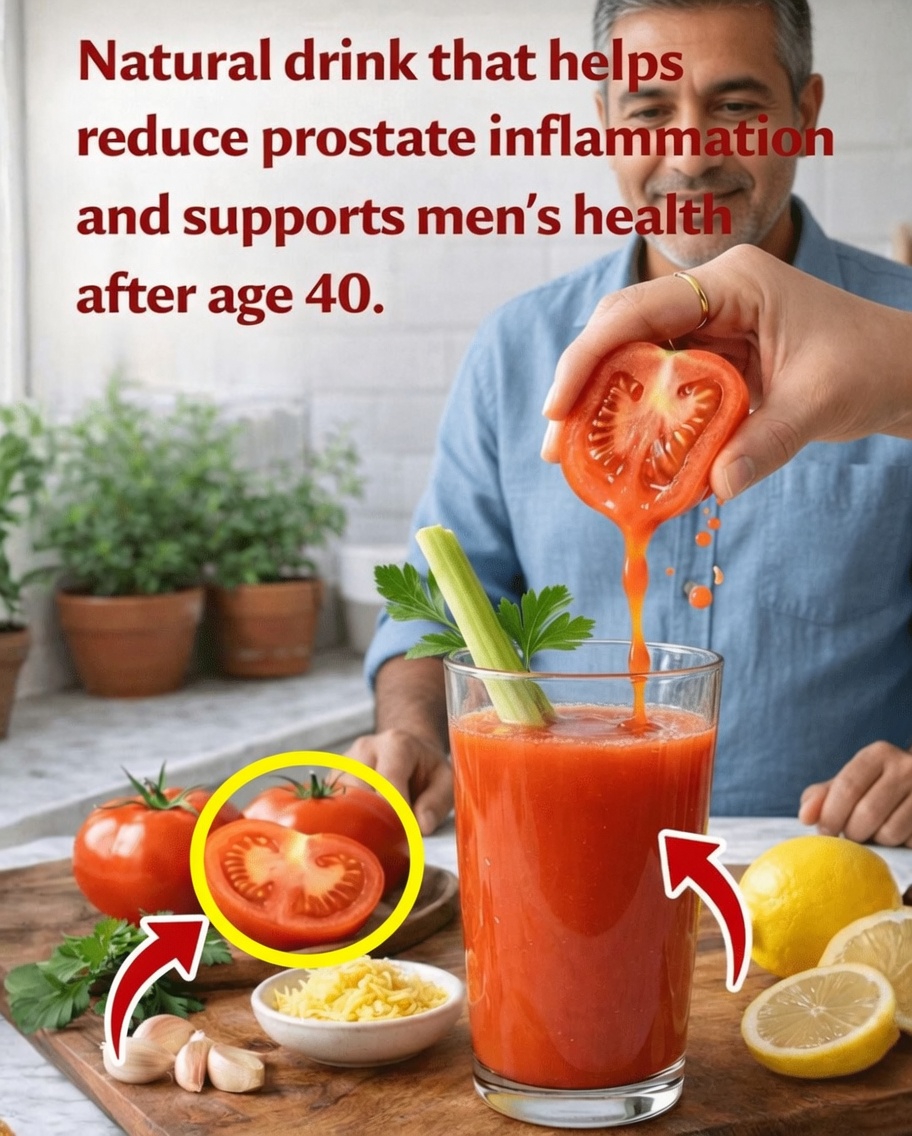

How Everyday Foods Can Affect Prostate Comfort as You Age
As men get older, many begin to notice a weaker urinary stream, more frequent bathroom visits, or the need to wake up at night to urinate. What often goes unnoticed is that these symptoms may be influenced not only by age, but also by daily food choices.
What you eat can affect inflammation, hormone activity, and overall prostate function, particularly after 40. Some commonly enjoyed foods — even those eaten several times a week — may gradually make discomfort worse.
The positive news is that you do not need a dramatic diet overhaul to support better urinary health. A few smart, steady changes can help improve how you feel over time.
So which foods should you pay closer attention to, and what are the better options? Keep reading — the eighth item may be the one you least expect, and the alternatives are simpler than many men realize.
Why Diet Plays a Role in Prostate Health
The prostate is a small gland, but it has an important function in the male urinary and reproductive systems. With age, it often becomes slightly enlarged, and that can place pressure on the urethra, leading to symptoms that many men experience but rarely discuss.
A growing body of research suggests that eating patterns rich in saturated fat, highly processed foods, and added sugar may increase inflammation and affect hormone-related mechanisms tied to prostate tissue.
Large observational studies have found connections between regular intake of certain foods and a higher likelihood of prostate-related issues. Of course, results differ from person to person depending on genetics, physical activity, and overall lifestyle.
Still, one of the most practical steps you can take for prostate wellness begins in your own kitchen.
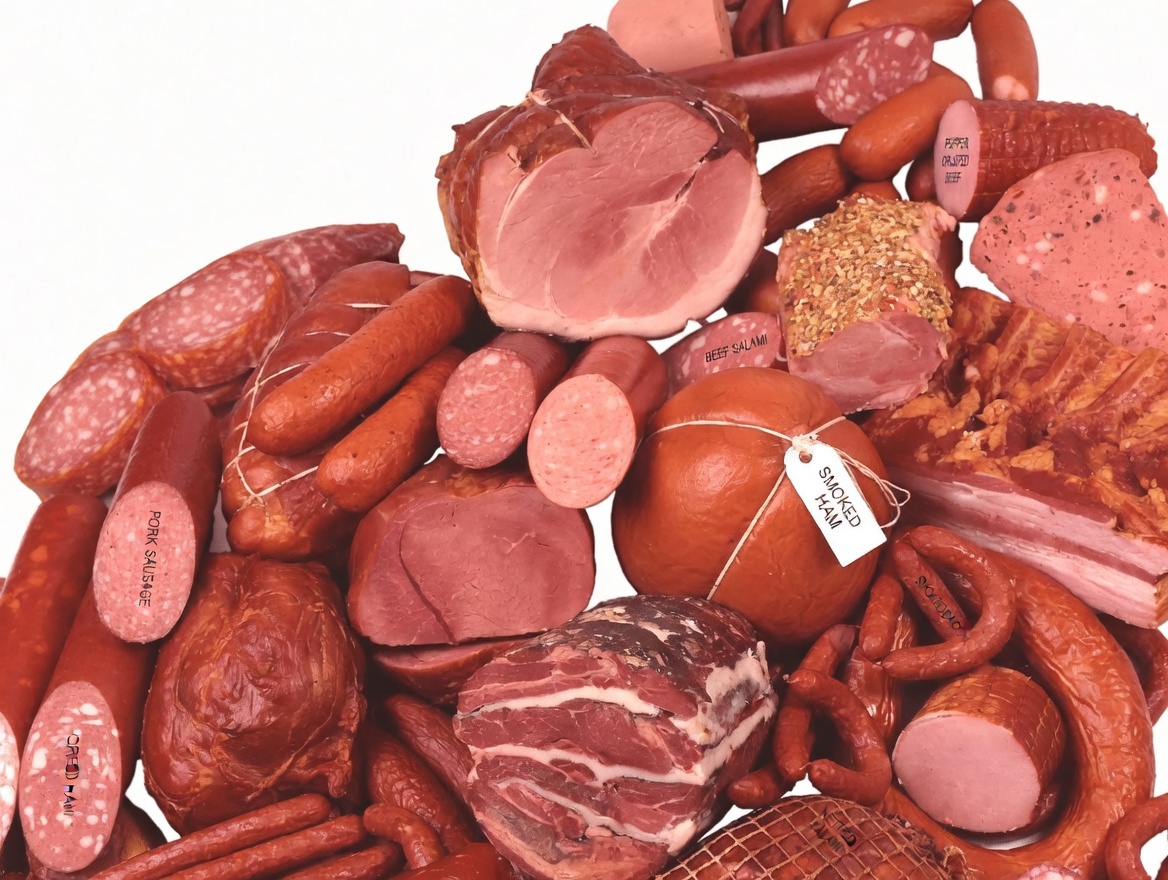
1. Red Meat and Processed Meat
Steaks, hamburgers, bacon, sausages, and deli slices are popular choices for many meals. However, research has repeatedly suggested that high consumption of red meat — especially processed meat — may be linked to increased prostate health concerns over time.
These foods are often high in saturated fat. In addition, when meat is cooked at very high temperatures, it can produce compounds such as heterocyclic amines, which are associated with inflammation.
Better choices to consider
- Eat fatty fish like salmon or mackerel a couple of times per week for omega-3 fats
- Replace some meat-based meals with beans, lentils, or other plant proteins
- If you choose red meat, keep portions moderate at around 3 to 4 ounces and avoid frequent high-heat grilling
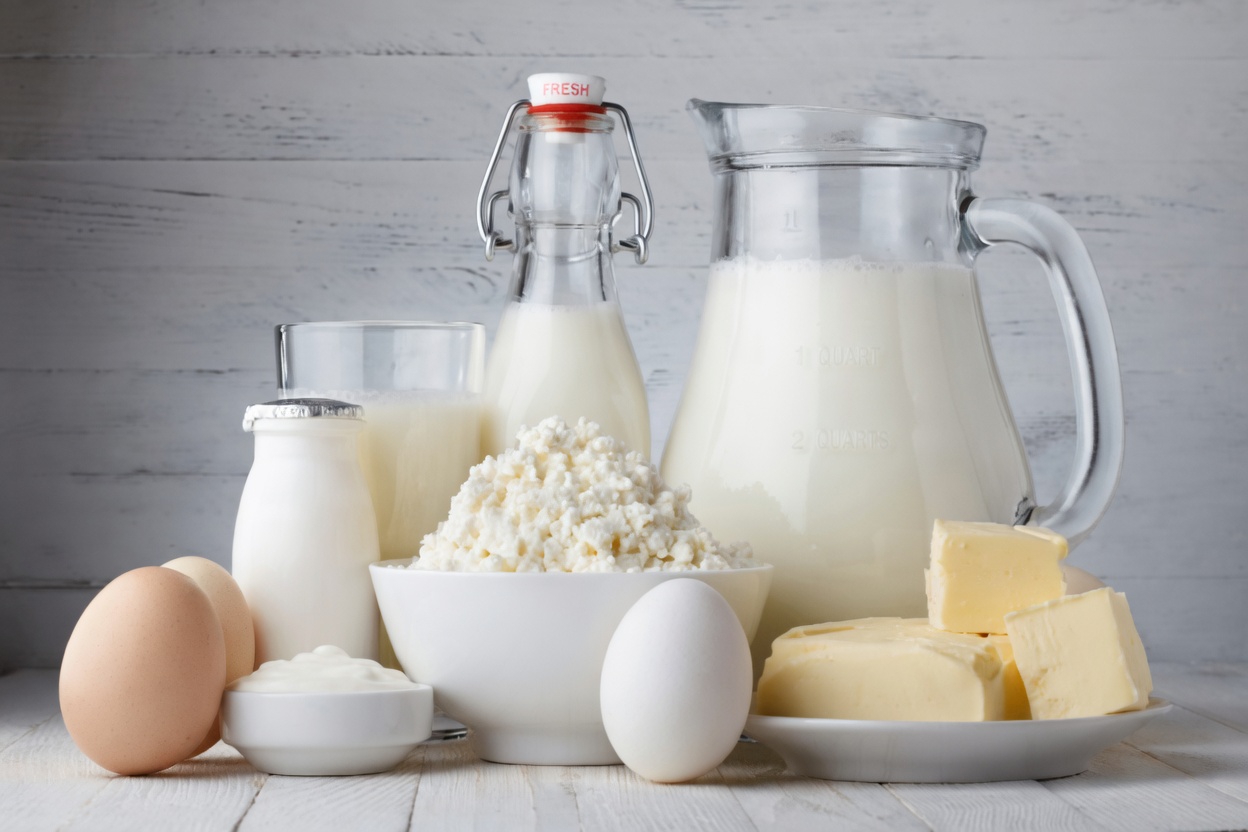
2. Full-Fat Dairy Products
Whole milk, cheese, butter, and ice cream are standard parts of many diets. Some large-scale studies have connected higher dairy intake — especially full-fat forms — with changes in hormones such as IGF-1, which may influence prostate tissue.
This does not mean dairy must be completely removed, but many men benefit from cutting back on full-fat options and using lighter or plant-based substitutes more often.
Simple alternatives
- Use almond, soy, or oat milk in coffee, smoothies, or cereal
- Choose smaller portions of Greek yogurt or try plant-based yogurt varieties
- Spread avocado or use olive oil-based options instead of butter
3. Fried Foods and Fast Food
French fries, fried chicken, onion rings, and many takeout meals are typically made with trans fats or repeatedly heated oils. These fats can raise inflammation throughout the body, which may contribute to prostate discomfort.
Frequent fast-food eating is also strongly associated with weight gain, and excess body weight can place more stress on pelvic and urinary health.
A smarter approach
Bake or air-fry your favorite foods at home with a small amount of olive oil. You can still enjoy a crisp texture while avoiding many of the less healthy compounds found in deep-fried meals.
4. Sugary Drinks and Sweets
Soft drinks, energy beverages, sweet teas, pastries, and desserts can cause rapid spikes in blood sugar. Over time, high added-sugar intake may support chronic low-level inflammation and metabolic changes that can indirectly affect prostate health.
These products also add excess calories, which can lead to belly fat — another factor that may worsen urinary symptoms.
Easier swaps
- Drink water flavored with lemon, cucumber, or berries
- Try sparkling water with a little 100% fruit juice
- Satisfy sweet cravings with fresh fruit instead of processed desserts
5. Too Much Alcohol
A beer after work or wine at dinner may feel harmless, but frequent or heavy drinking can irritate the bladder and interfere with hormone balance. Studies have associated higher alcohol intake with greater urinary urgency and possible long-term prostate concerns.
Practical advice
- Keep alcohol within moderate limits, up to 2 drinks per day at most
- Plan several alcohol-free evenings each week
- Replace the habit with herbal tea or a non-alcoholic mocktail if you still want a relaxing evening ritual
6. Caffeinated Beverages
Coffee, black tea, and many energy drinks can act as diuretics, meaning they may increase the need to urinate. For men already dealing with nighttime bathroom trips or urinary discomfort, too much caffeine can make symptoms more noticeable.
What to try instead
- Switch to decaf after midday
- Experiment with herbal teas such as chamomile, rooibos, or peppermint
- Reduce caffeine gradually rather than quitting all at once
7. Spicy Foods
Hot peppers, spicy sauces, and strongly seasoned curries can irritate the bladder and prostate area in some men. This may lead to a temporary increase in urinary discomfort.
That does not mean every flavorful meal is a problem. The key is noticing how your own body reacts after spicy foods.
Flavorful but gentler options
- Use herbs, garlic, ginger, and mild peppers
- Add lemon or lime juice for freshness
- Season with smoked paprika or cumin for depth without intense heat
8. High-Sodium Processed Foods
Canned soups, frozen dinners, packaged snacks, and salty chips can contribute to fluid retention and may increase pressure in the pelvic region. High sodium intake is also linked to higher blood pressure, which can indirectly affect prostate comfort.
Quick ways to cut back
- Read food labels and choose products with less than 140 mg of sodium per serving when possible
- Prepare more meals at home using fresh ingredients
- Rely on herbs, spices, garlic, and onions for flavor rather than extra salt
Here is the surprising part: although many processed salty foods contain onion powder, fresh onions — especially red onions — belong to the Allium family and have been associated in population studies with possible protective benefits for prostate health.
So while onion-flavored processed snacks are not a good choice, fresh onions in salads, roasted vegetables, or stir-fries may actually be worth adding to your diet.
The difference comes down to whole foods versus heavily processed products packed with sodium and additives.
Eating Patterns That May Support Prostate Wellness
Avoiding problem foods is only one side of the picture. Research also points to benefits from a more plant-focused eating style for long-term prostate support.
Build your meals around
- Colorful fruits and vegetables
- Whole grains such as oats, brown rice, and quinoa
- Healthy fats from olive oil, nuts, seeds, and avocado
- Protein from fatty fish, beans, lentils, and other legumes
Simple Daily Swaps to Start This Week
These easy substitutions can help improve your diet without making it feel restrictive:
- Breakfast: Choose oatmeal with berries instead of bacon and eggs
- Lunch: Try a grilled chicken salad or chickpea salad with plenty of vegetables and olive oil dressing
- Dinner: Have baked salmon with quinoa and roasted broccoli instead of a cheeseburger and fries
- Snack: Reach for almonds or an apple with natural peanut butter
Small adjustments like these can build up to meaningful results over time.
Conclusion: Small Food Choices Can Make a Big Difference
Your prostate does not need a perfect diet. What matters more is making realistic, consistent improvements. By paying attention to the eight food categories above and replacing them with healthier alternatives, many men may feel better able to manage urinary comfort, energy levels, and overall well-being as they age.
Start with one or two changes this week, stay consistent, and let those small steps support better prostate health over the long run.