Subtle Body Signals You Shouldn’t Ignore (And a Simple Check You Can Do Today)
Your body often communicates through barely noticeable shifts long before anything feels “seriously wrong.” Because these changes tend to blend into everyday life, it’s easy to blame them on stress, aging, weather, or a busy schedule. The risk is that ignoring small clues can create unnecessary worry later—or delay early support that could make a real difference.
The good news is simple: once you know what to look for, these quiet signs become easier to spot—and easier to discuss with a professional when needed.
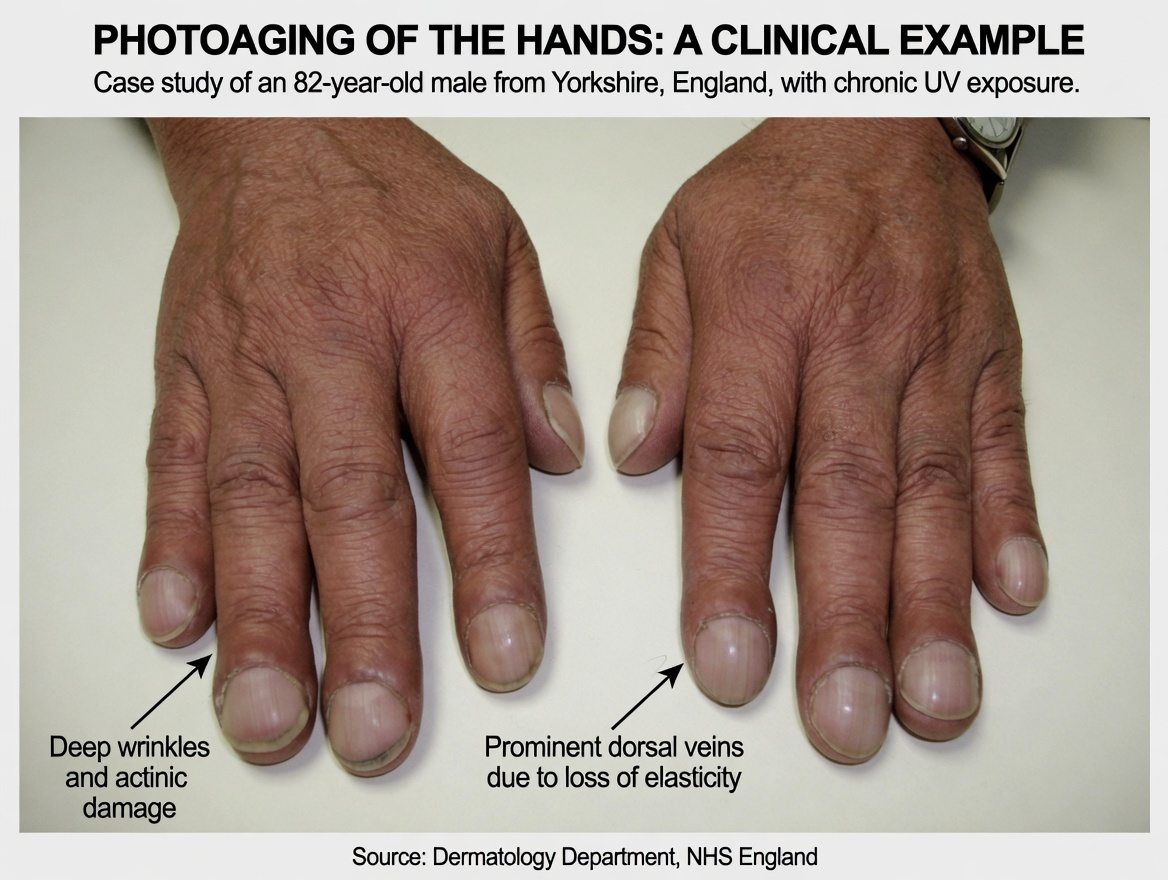
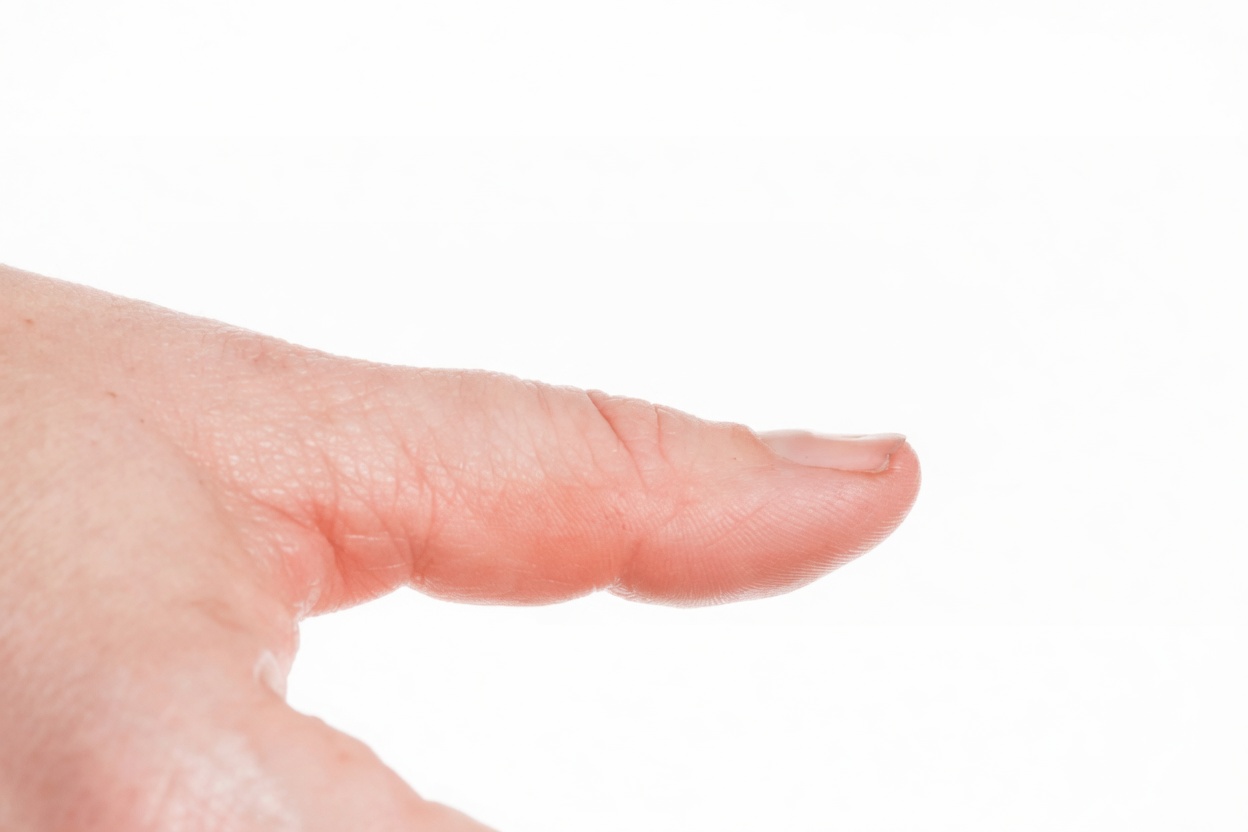
Clubbed Fingers: When Fingertips Slowly Change Shape
Finger clubbing happens when the fingertips gradually widen and the nails curve more than usual. Since it develops over time, many people only notice it after comparing their hands to older photos.
Studies commonly associate clubbing with reduced oxygen levels in the blood, which can be linked to certain lung and heart conditions. The tricky part is that it can look like “just your natural hands,” so it often gets dismissed.
A quick self-check: place matching fingers from both hands nail-to-nail. If the nail beds appear more rounded, bulb-like, or feel spongy, consider bringing it up at your next appointment.
Spoon-Shaped Nails (Koilonychia): A Dip That’s Easy to Miss
Spoon-shaped nails—also called koilonychia—describe nails that develop a subtle concave shape, sometimes deep enough to hold a small drop of water. This change usually starts mild and becomes more noticeable gradually.
It’s frequently connected with iron deficiency, though other causes may play a role as well. Because nails can become brittle for many reasons, people often blame manicures, cold weather, or harsh soap and miss the bigger message.
Try pressing gently on the nail surface. If the nail looks scooped, feels unusually thin, or seems to curve upward at the edges, it’s worth discussing with a healthcare provider.
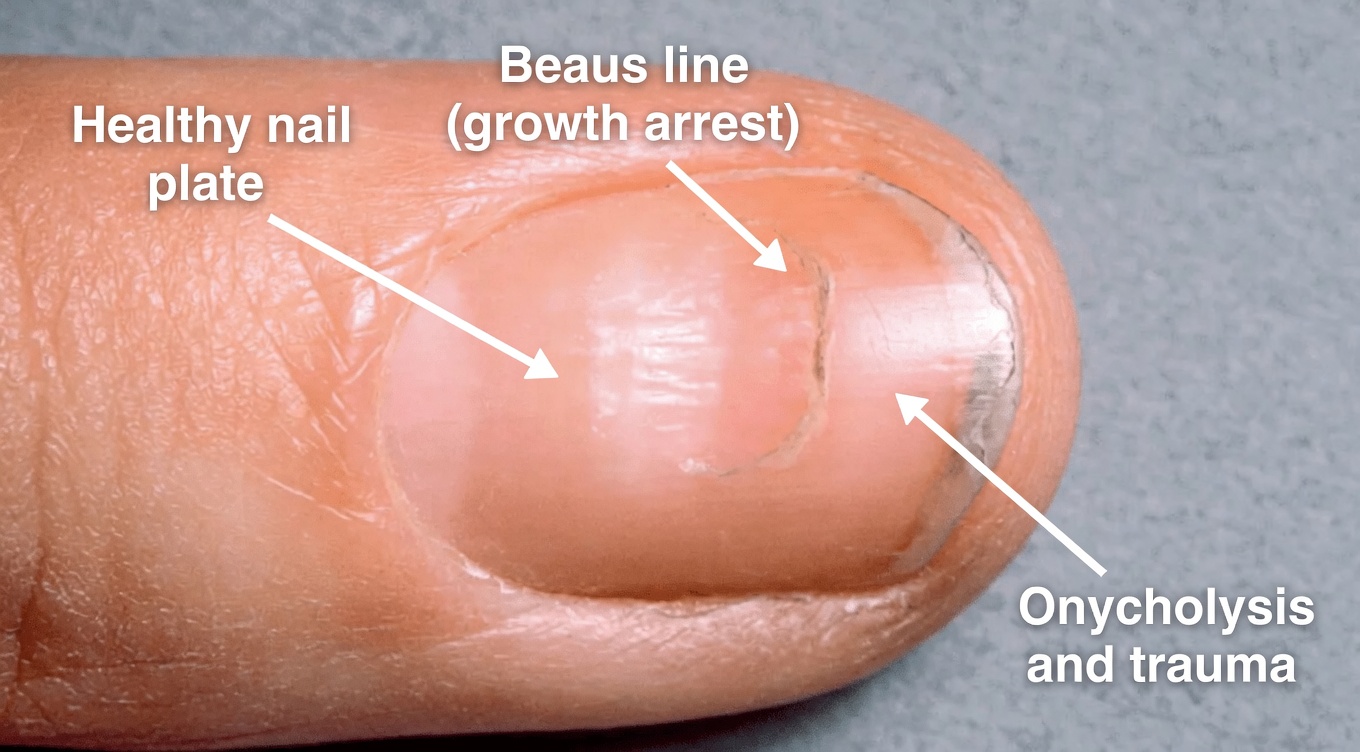
Horizontal Nail Ridges (Beau’s Lines): Grooves That Mark a “Pause”
Beau’s lines are horizontal dents or grooves that can appear across one or more nails. They typically form when nail growth temporarily slows or stops—often after illness, high stress, or nutritional shortfalls.
Many people overlook these lines completely or assume they’re just normal “wear.” But nails can act like a timeline, reflecting what your body has been dealing with weeks or months earlier.
Run a fingertip across your nails. If you feel noticeable grooves that weren’t there before, consider whether anything significant happened recently—and mention it if the ridges persist or deepen.
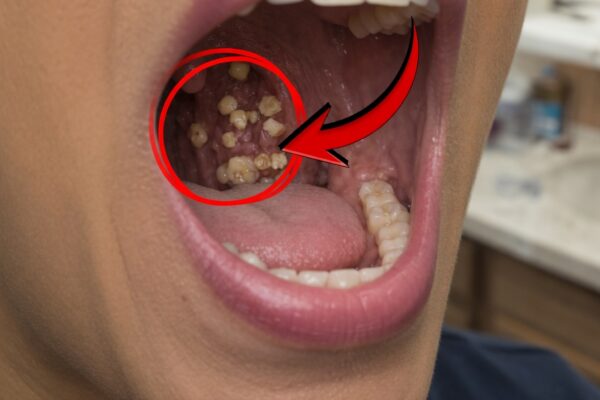
White Coating on the Tongue: Not Just a Hygiene Issue
A white film on the tongue can seem like a harmless morning issue. However, when it remains despite good oral care, it may signal dehydration, yeast overgrowth, or digestive changes.
Because it often isn’t painful, it’s easy to ignore. Yet the tongue can reflect internal balance more than most people realize.
Make it a quick habit to check your tongue in the mirror. If the coating stays thick, stubborn, or returns quickly day after day, consider getting professional guidance.

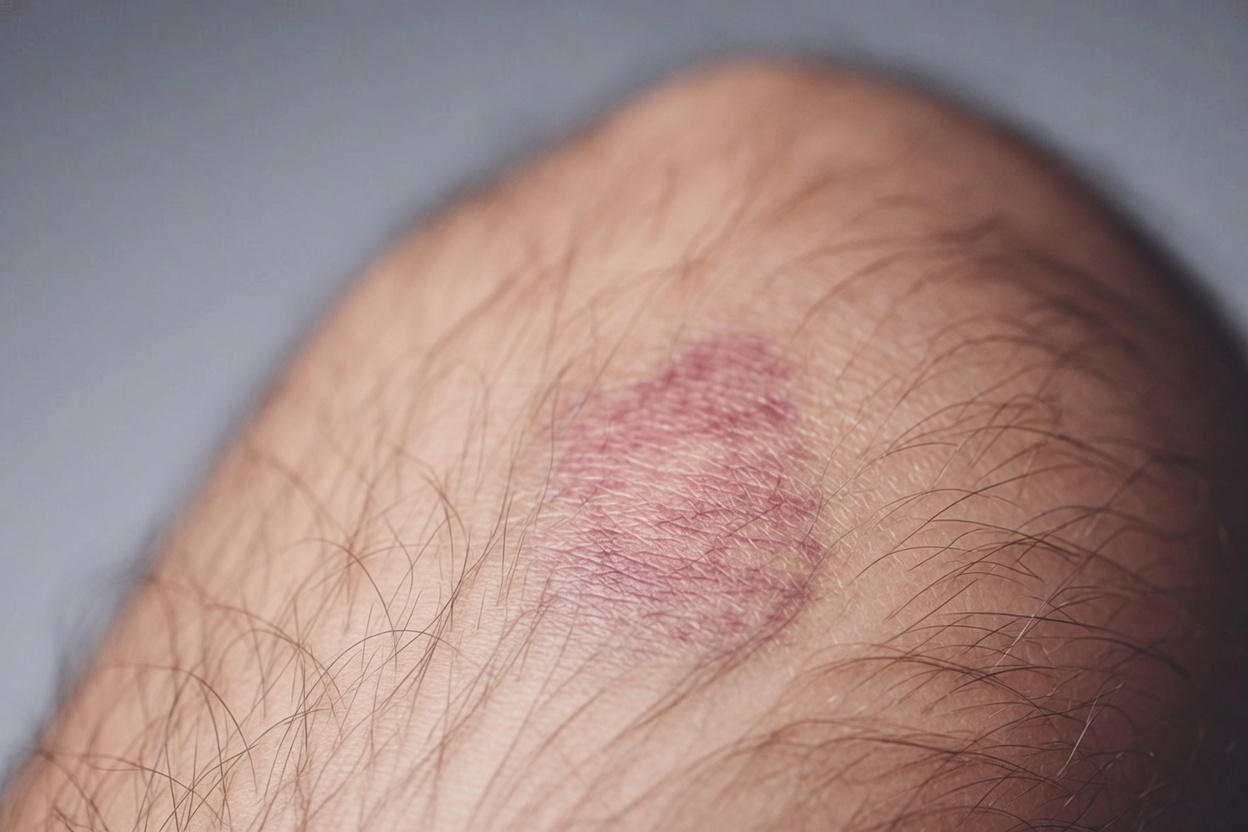
Easy Bruising: Marks That Show Up Without a Clear Cause
Unexplained bruises—especially when you don’t remember bumping into anything—can feel confusing and unsettling. This subtle change may happen when minor knocks leave more visible marks than usual.
In some cases, frequent easy bruising can be associated with platelet issues, vitamin deficiencies, or other underlying factors. Many people initially assume they’re simply being clumsy, but repeated bruising can be a useful clue.
If you notice bruises appearing often, track when and where they happen. A simple check-up and basic labs can provide clarity and peace of mind.
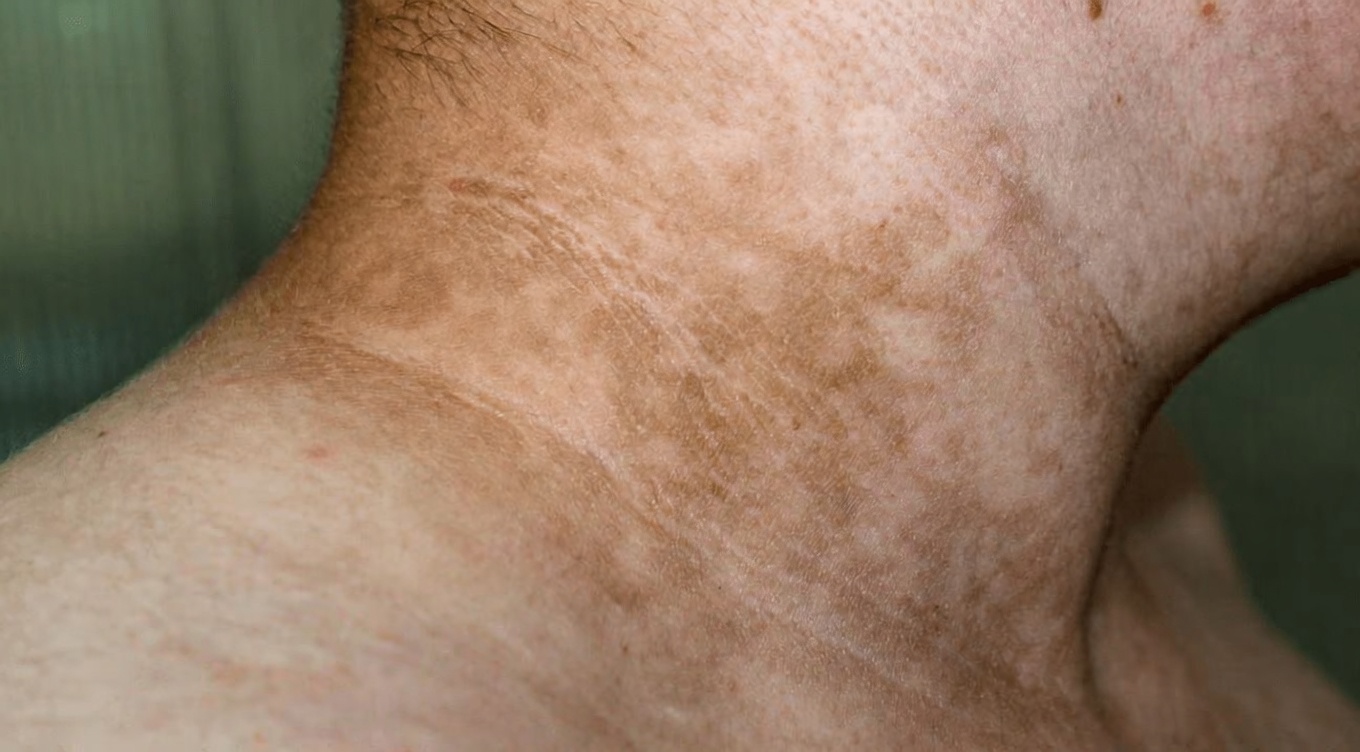
Darkened, Velvety Skin Folds (Acanthosis Nigricans): A Clear Visual Cue
Acanthosis nigricans appears as darker, thicker, velvety skin—commonly around the neck, underarms, or other skin folds. Because it develops slowly, it’s often mistaken for dirt, shadowing, or friction.
This change is frequently linked with insulin resistance and deserves attention because it can be one of the most visible early signs your body offers.
Check skin folds in good light. If the area looks darker than usual and feels thicker or velvety, raise it with your doctor sooner rather than later.
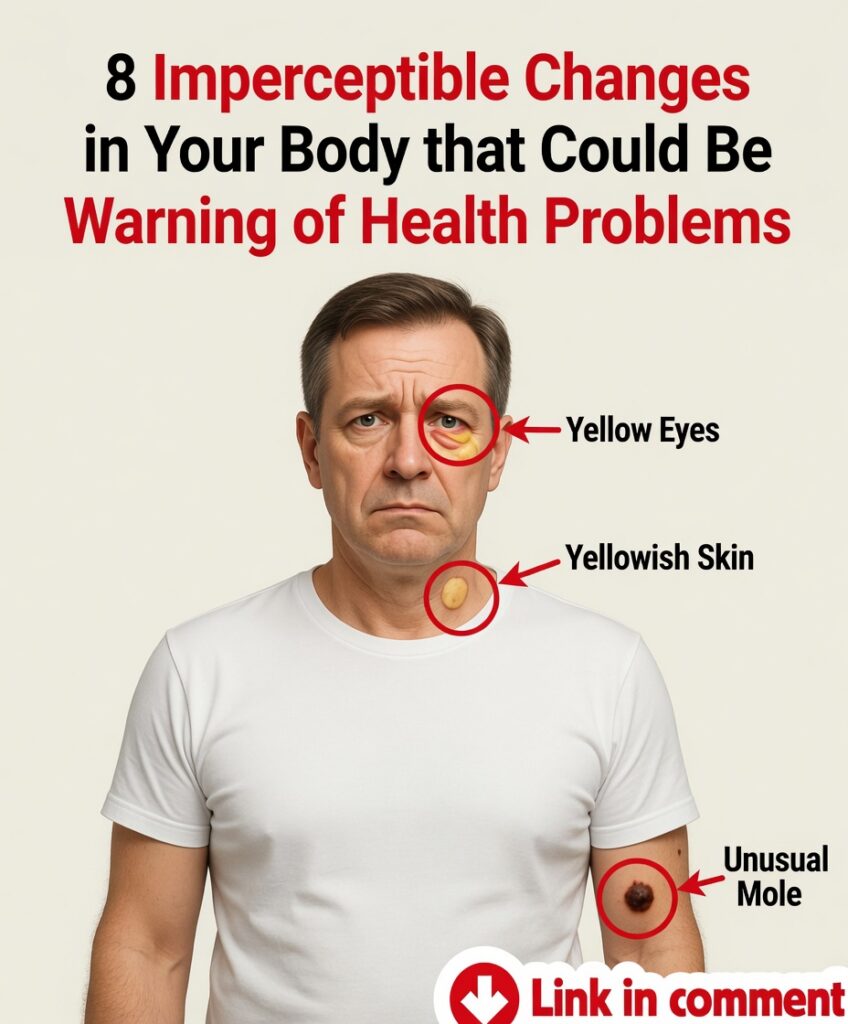
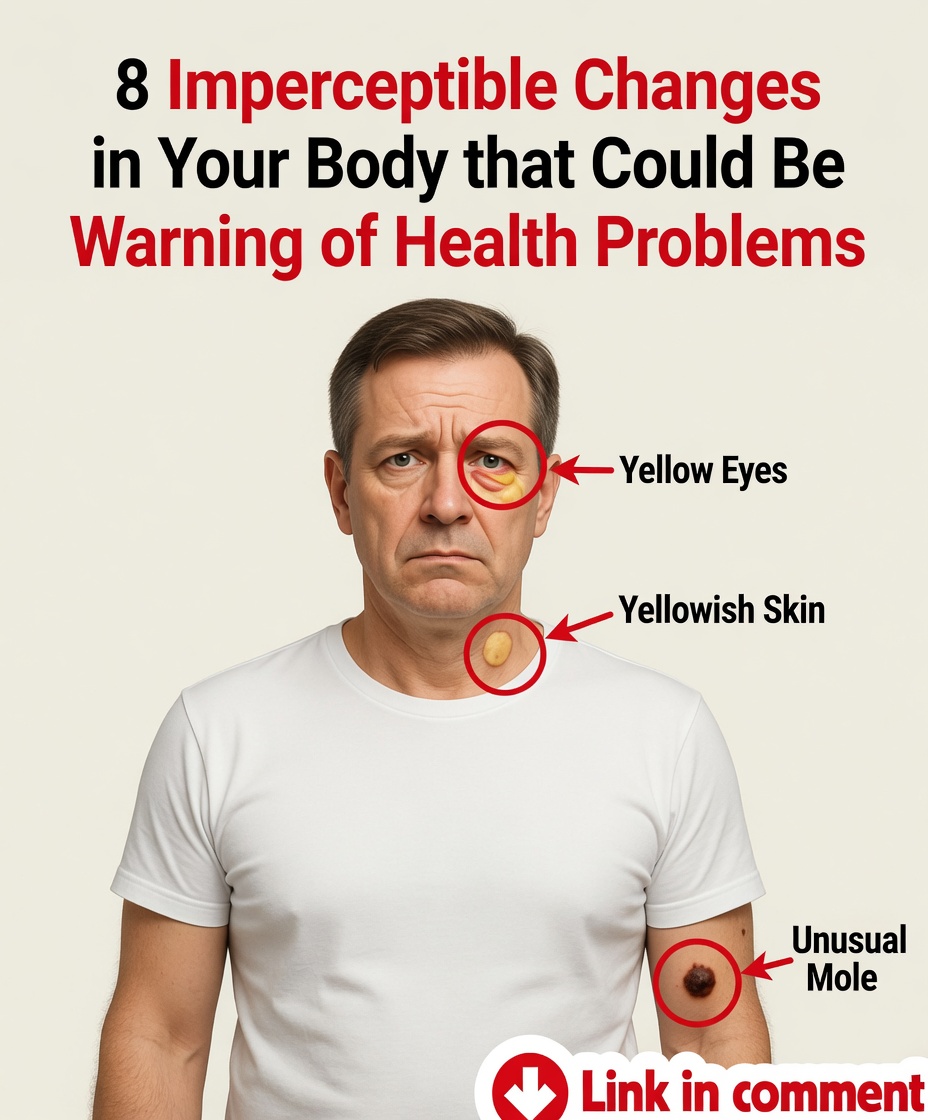
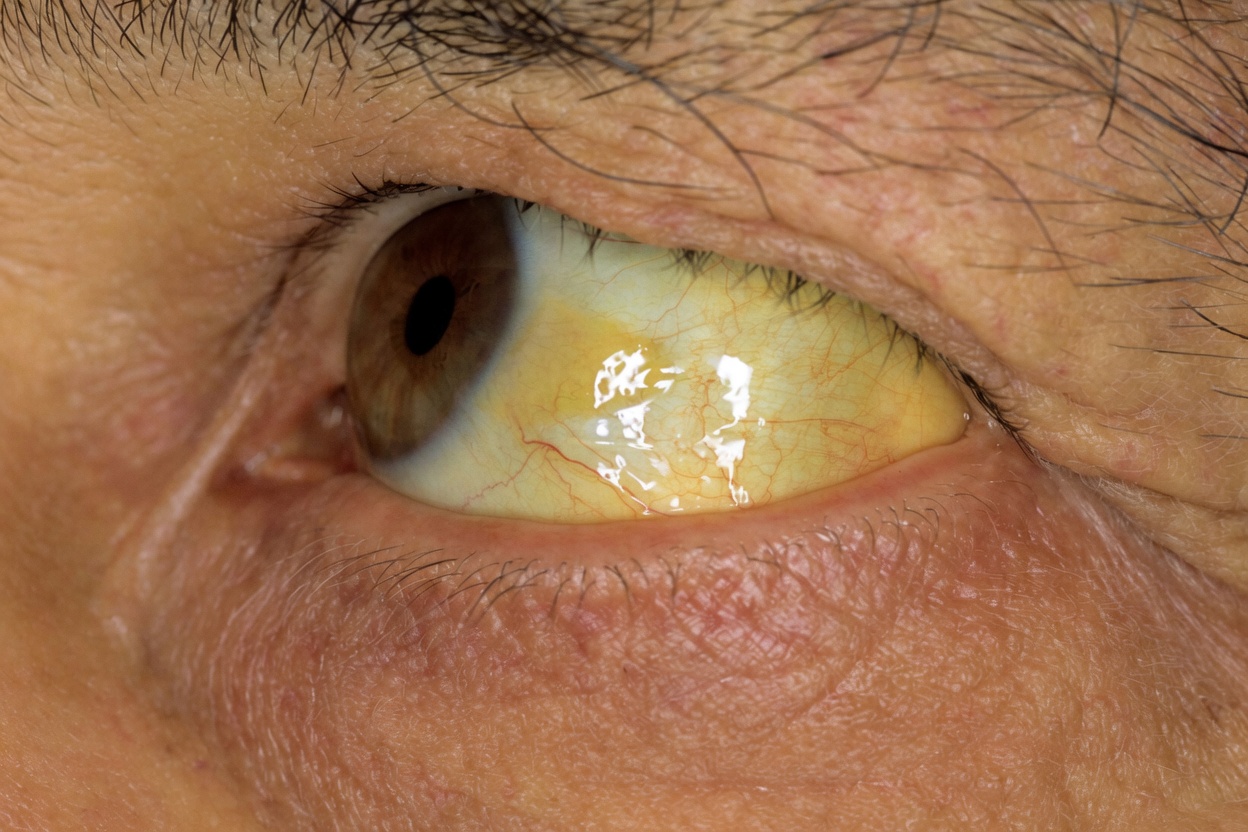
Subtle Yellowing of the Eyes or Skin: A Quiet Sign of Liver Stress
A faint yellow tint in the whites of the eyes or on the skin can indicate mild jaundice, sometimes connected to liver strain. Because it often develops gradually, you may not notice it yourself—others might see it first.
This is one of those changes that can look “almost normal” until it becomes more obvious.
Look at the whites of your eyes in natural daylight. If you notice a yellow or golden hue, it’s a good reason to seek a professional opinion promptly.
Persistent Dark Circles or Tired-Looking Eyes: When “Rest” Doesn’t Fix It
Dark circles that stick around even after adequate sleep can be related to chronic fatigue, allergies, or other underlying contributors. Over time, you can become so accustomed to your reflection that the change no longer stands out.
While dark circles are common and often harmless, persistent tired-looking eyes may be your body’s way of asking for more support.
If improving sleep, hydration, and stress management doesn’t help, consider reviewing allergies, nutrition, and overall health with a professional.

Practical Ways to Catch Small Changes Earlier
Noticing subtle health signals doesn’t require obsession—just a consistent, low-effort routine:
- Do a weekly self-check in natural light: nails, tongue, eyes, and skin folds.
- Take monthly photos of your hands, face, and neck to reveal gradual shifts.
- Keep a short symptom log (even brief notes) so patterns become easier to see.
- Support basics daily: hydration, balanced nutrition, and regular sleep make signals clearer.
- Keep regular check-ups and share what you’re noticing—proactive details are helpful.
When to See a Doctor
Any of these changes deserves attention if it persists, worsens, or appears alongside other symptoms such as fatigue, pain, shortness of breath, unexplained weight changes, or ongoing digestive issues. Early conversations often lead to clearer answers and better outcomes.
Conclusion
Your body tends to whisper before it shouts. These eight subtle signs—clubbed fingers, spoon-shaped nails, Beau’s lines, a persistent white tongue coating, easy bruising, darkened skin folds, mild yellowing of eyes/skin, and long-lasting dark circles—are gentle prompts to pay attention.
When you notice them early, you stay in control of your health story—and you give yourself the best chance to act at the right time.
FAQ
What causes most of these subtle body changes?
Common drivers include nutrient deficiencies, stress, dehydration, allergies, and internal imbalances, though the exact cause varies by person and symptom.
Can these changes resolve on their own?
Some may improve with lifestyle adjustments, but changes that persist or progress should be evaluated by a healthcare professional.
How often should I check for these signs?
A quick weekly mirror check helps you stay familiar with your “normal,” making small changes easier to catch.