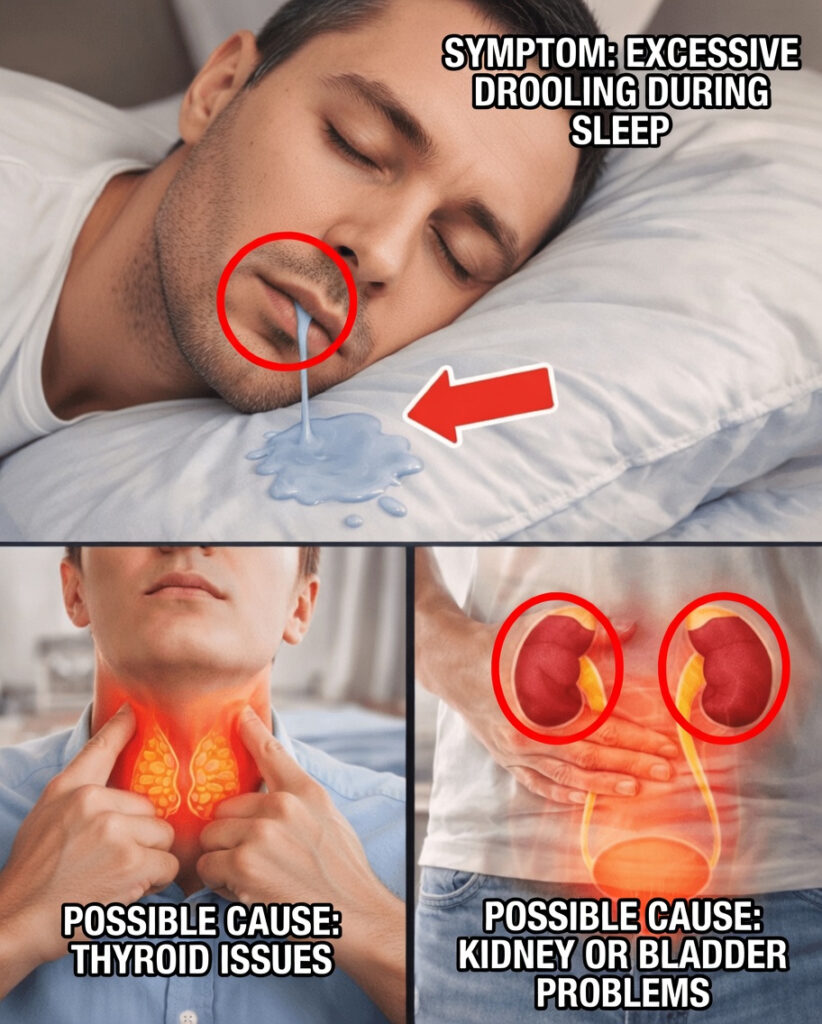
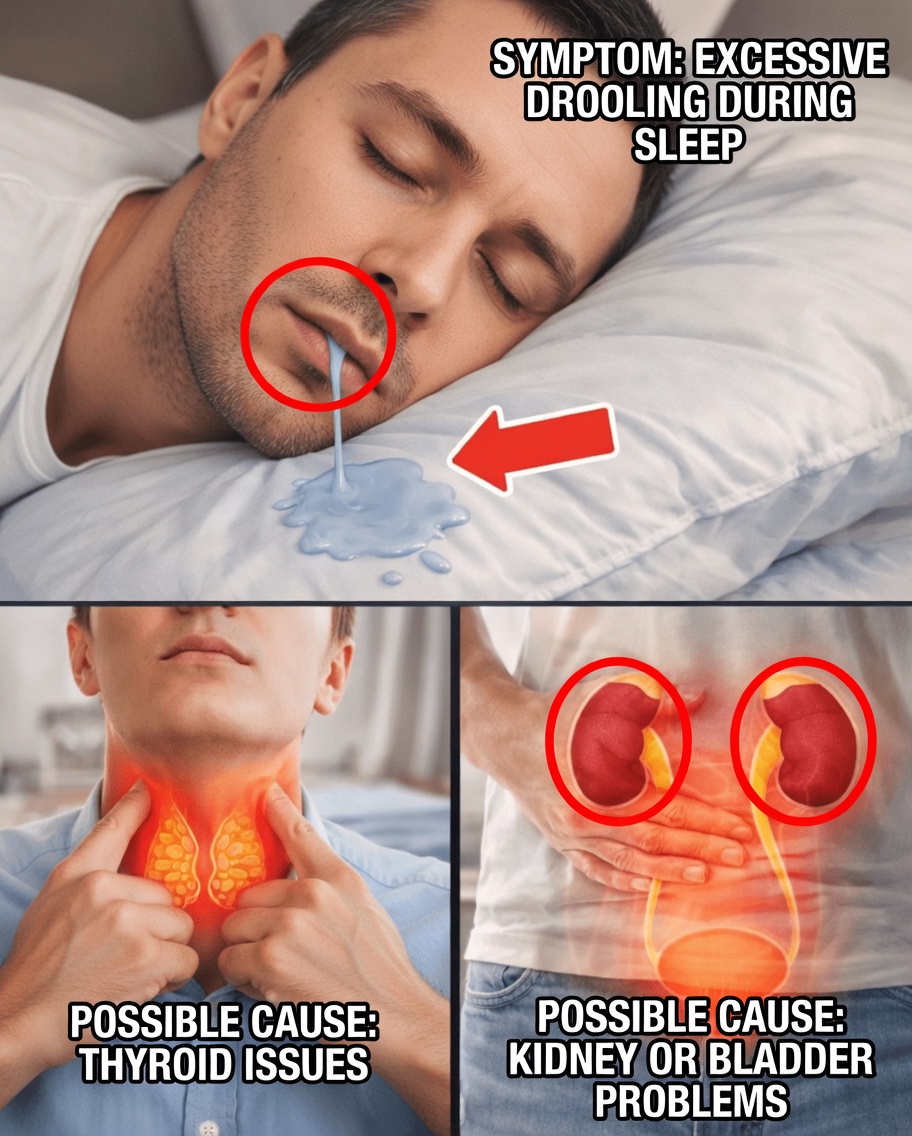
Waking Up With a Wet Pillow? Nighttime Drooling May Mean More Than You Think
Imagine starting the day with a damp pillow and dried saliva at the edge of your mouth. It can feel uncomfortable, frustrating, and even embarrassing. Beyond the inconvenience, repeated drooling during sleep may sometimes point to a deeper issue that deserves attention.
According to medical sources such as the Cleveland Clinic, drooling once in a while during sleep is usually harmless. However, when it happens often, it is frequently linked to underlying factors that many adults do not realize could be involved.
The encouraging part is that identifying the cause can sometimes lead to simple changes that improve both sleep quality and daily comfort. Below are eight conditions experts commonly associate with nighttime drooling, along with practical steps that may help.
Why Drooling Is More Common During Sleep
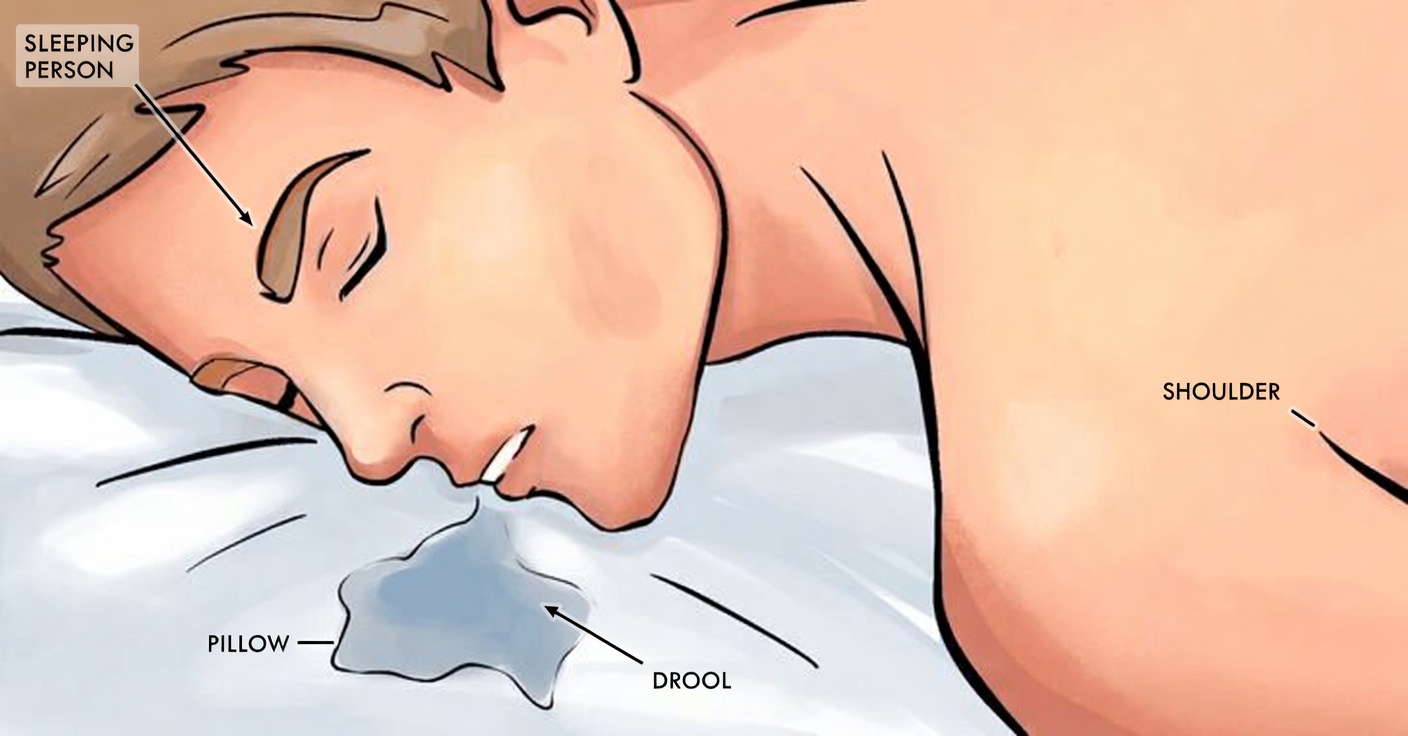
Your body does not stop making saliva when you fall asleep. Saliva production continues, but your swallowing reflex becomes less active and the muscles in your face and mouth relax. Because of this, saliva can collect more easily and leak out, especially depending on your sleeping position and breathing pattern.
Research suggests that mouth breathing and certain medical conditions can make nighttime drooling more noticeable. An occasional episode is not usually a concern, but persistent drooling is worth discussing with a healthcare provider.
Many people assume sleeping position is the only reason. While that can play a role, a repeated pattern may signal something more.
8 Conditions Commonly Linked to Drooling During Sleep
Based on guidance from organizations such as the Mayo Clinic, Cleveland Clinic, and the American Academy of Sleep Medicine, these are eight adult health conditions often associated with drooling at night.
8. Nasal Congestion or Sinus Problems
A blocked nose caused by allergies, a cold, or chronic sinus trouble often leads to mouth breathing during sleep. When the mouth stays open for long periods, saliva can escape more easily.
Studies show that restricted nasal airflow raises the likelihood of nighttime drooling. If you often go to bed congested, this may be one of the main reasons.
7. Gastroesophageal Reflux Disease (GERD)
Acid reflux can become worse when you lie down. Stomach acid may move upward and irritate the throat, causing the body to respond by producing extra saliva to protect and soothe the area.
People with GERD may also notice:
- Heartburn
- A sour taste in the mouth
- Throat irritation during the night
If these symptoms sound familiar, reflux could be contributing to the problem.
6. Medication Side Effects
Some medications can increase saliva production or affect the muscles and nerves involved in swallowing. This is seen with certain drugs used for Alzheimer’s disease, psychiatric conditions, and medications that influence the nervous system.
This cause is often overlooked because many people do not connect drooling with their prescriptions. In some cases, a doctor may be able to adjust the treatment plan.
5. Obstructive Sleep Apnea
Obstructive sleep apnea causes repeated pauses in breathing during sleep. It is commonly associated with mouth breathing, snoring, and relaxed throat muscles, all of which can make drooling more likely.
Possible warning signs include:
- Loud snoring
- Gasping or choking during sleep
- Daytime tiredness
- Morning headaches
Research has shown a clear connection between sleep apnea and nighttime drooling. If these symptoms are present, a sleep evaluation may be helpful.
4. Infections or Throat Irritation
Temporary illnesses can also lead to drooling. Swollen tonsils, post-nasal drip, sore throat, or inflammation from a viral or bacterial infection may interfere with normal swallowing while you sleep.
These issues can also increase mucus and saliva production. While this cause is often short-term, symptoms that continue should not be ignored.
3. Stroke or a Recent Neurological Event
A stroke or similar neurological event can weaken the muscles of the face and mouth, making it harder to control saliva. This may become more noticeable during sleep, when the body is fully relaxed.
A sudden onset of drooling, especially when combined with other symptoms, should be evaluated quickly. Watch for signs such as:
- Facial weakness
- Slurred speech
- Trouble swallowing
- One-sided numbness
2. Parkinson’s Disease
Parkinson’s disease often affects muscle movement and swallowing coordination. As a result, saliva may build up in the mouth instead of being swallowed normally.
Research indicates that drooling is a common symptom in Parkinson’s and may affect a large percentage of people living with the condition. It often appears together with:
- Tremors
- Stiffness
- Slower movement
- Balance difficulties
Recognizing this pattern can help improve symptom management and daily comfort.
1. Other Neurological Conditions
A number of neurological disorders can interfere with the nerves and muscles responsible for swallowing and saliva control. These include:
- ALS
- Multiple sclerosis
- Cerebral palsy
In these cases, drooling may reflect broader problems with muscle coordination or nerve signaling. For many people, it becomes an important clue in understanding what is happening.
Quick Comparison of Common Causes
| Condition | How It May Cause Drooling | Common Related Signs |
|---|---|---|
| Sleep apnea and nasal congestion | Encourages mouth breathing | Snoring, poor sleep, fatigue |
| GERD and infections | Increases saliva or mucus production | Heartburn, sore throat, congestion |
| Medications and stroke | Affects muscle control or swallowing | Weakness, speech changes |
| Parkinson’s and other neurological conditions | Disrupts swallowing and nerve function | Tremors, stiffness, coordination problems |
Real-Life Examples: Small Clues, Meaningful Answers
Laura, 58, noticed that her nighttime drooling had become worse over time, especially along with loud snoring. A sleep study later confirmed obstructive sleep apnea. After starting CPAP treatment, she not only experienced less drooling but also felt more energetic and emotionally better during the day.
David, 65, realized his drooling episodes often happened when his reflux flared up. After working with his doctor to manage GERD, he began waking up with a drier pillow and sleeping more comfortably.
These examples show that something many people dismiss as minor can sometimes lead to helpful answers and real improvement.

Practical Steps to Try If Drooling Keeps Happening
Occasional drooling is normal for many adults. But if it happens frequently or appears along with other symptoms, these simple steps may help while you seek medical advice:
- Keep a sleep diary and note how often it happens
- Track possible triggers such as congestion, reflux, or alcohol intake
- Try sleeping on your back to reduce saliva leakage
- Use nasal strips if congestion makes nose breathing difficult
- Stay hydrated throughout the day
- Use a humidifier if your bedroom air is very dry
- Review your medications with your doctor or pharmacist
- Raise your head slightly at night if reflux seems involved
When You Should See a Healthcare Professional
It is a good idea to seek medical advice if nighttime drooling:
- Happens regularly
- Comes with loud snoring or ongoing fatigue
- Starts suddenly
- Appears along with weakness, speech changes, or swallowing problems
- Does not improve after a few weeks of lifestyle changes
Research suggests that the best results usually come from identifying and treating the underlying cause, rather than ignoring the symptom.
Do Not Dismiss Repeated Nighttime Drooling
A wet pillow every now and then is usually nothing serious. But when drooling during sleep becomes a pattern, it may be your body’s way of drawing attention to something important.
Understanding these eight commonly linked conditions can help you take the next step toward better sleep, more comfort, and greater peace of mind. Sometimes, one conversation with your doctor is all it takes to uncover the reason behind those consistently damp mornings.
A final overlooked tip: steady hydration during the day and healthy humidity levels in your bedroom may improve comfort more than many people expect.