Stroke Risk Can Show Up Earlier Than Many People Realize
A stroke can transform a person’s life within seconds. Every year, it affects millions of people and often leaves families coping with a sudden loss of mobility, independence, or even life itself. What makes this especially troubling is that some people notice small physical changes days, weeks, or even a month before a serious episode happens, but dismiss them as stress, fatigue, or normal aging.
Those early signals should not be ignored. Recognizing them sooner may help you take action before the situation becomes more dangerous. The encouraging part is that awareness, combined with a few simple lifestyle adjustments, can support better health. And later in this article, you’ll learn about one surprisingly powerful daily habit that may help more than most people expect.
Early Body Changes That May Be Connected to Stroke Risk
Although a major stroke often seems to happen without warning, some individuals report symptoms in the days or weeks beforehand. These signs are frequently linked to transient ischemic attacks, or TIAs, sometimes known as mini-strokes. A TIA happens when blood flow to the brain is briefly reduced or blocked.
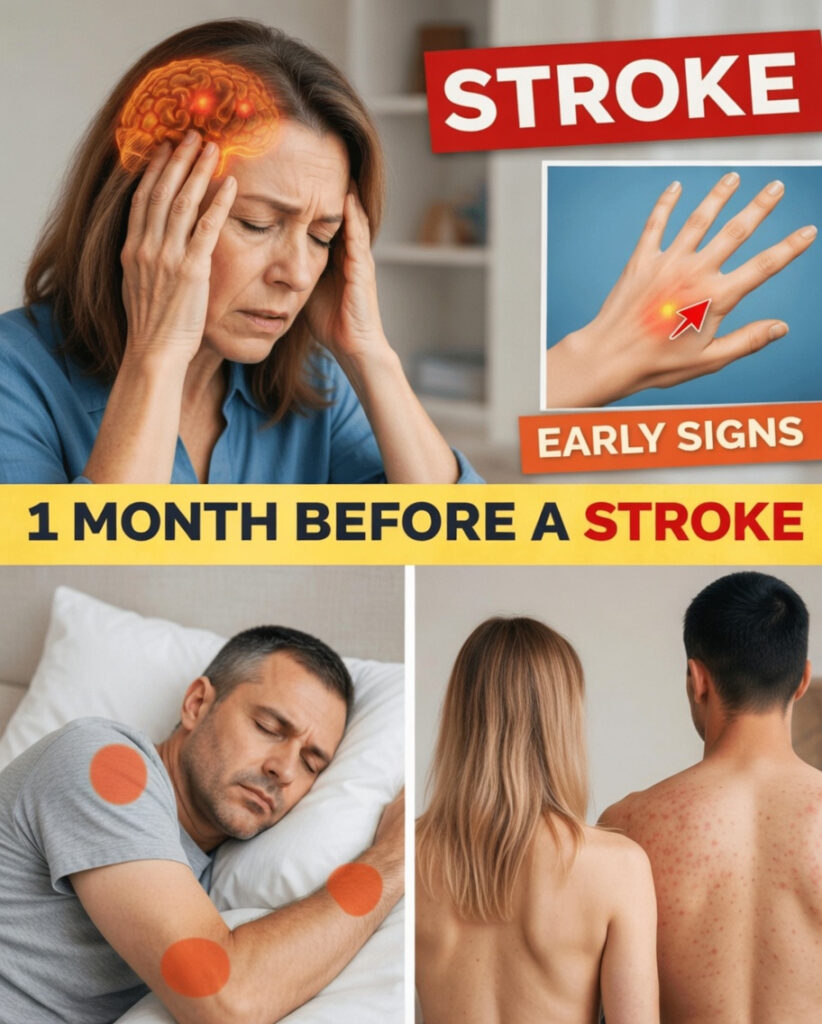
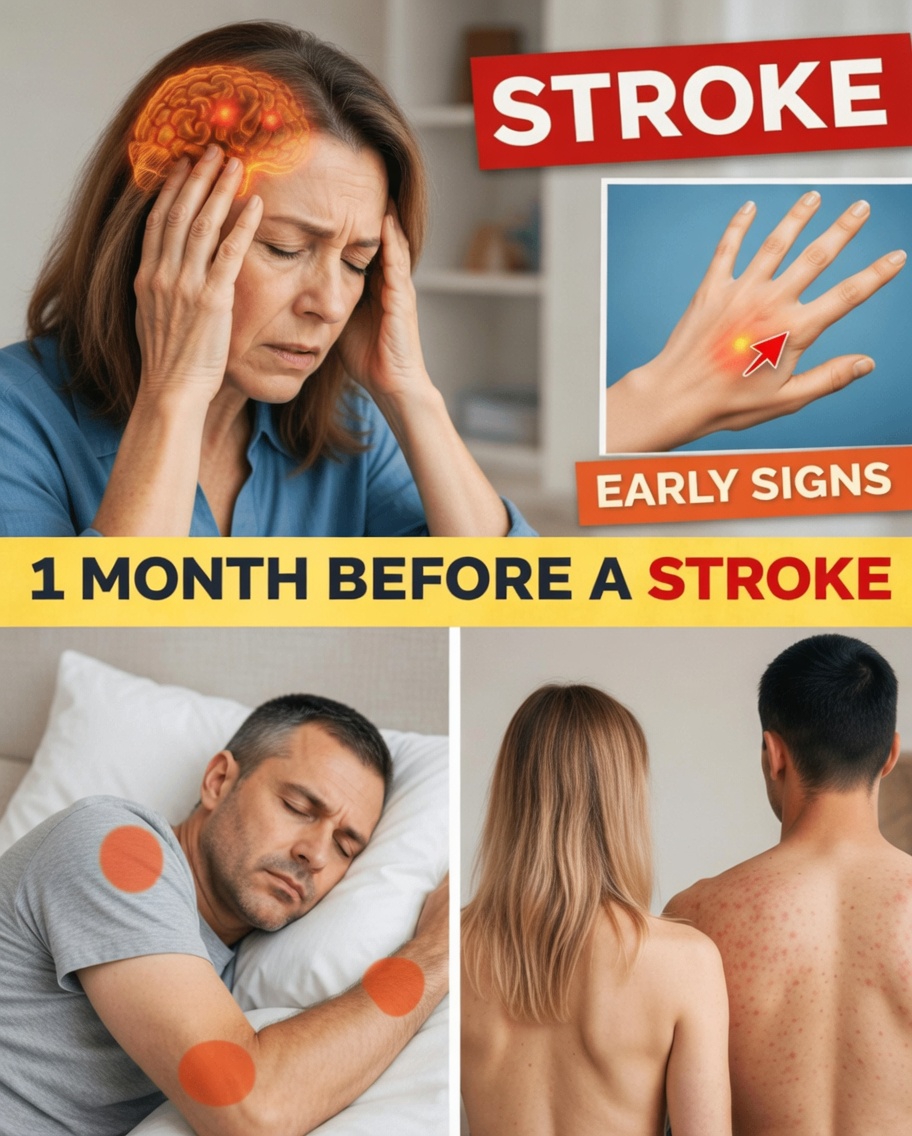
According to research and guidance from organizations such as the American Heart Association, noticing these warning patterns and seeking medical attention quickly can have a meaningful impact. Many educational health illustrations focus on discomfort in areas like the head, shoulders, arms, and back because these are places where symptoms may appear.
8 Warning Signs Some People Notice Before a Stroke
Below are eight possible warning signs reported in clinical observations and patient experiences before a stroke:
-
Ongoing or unusual headaches
- Head pain that feels different from your typical headaches
- Discomfort that does not improve with rest or your usual medication
-
Numbness or tingling in the hands, arms, or one side of the body
- A sensation similar to a limb “falling asleep”
- Symptoms that come and go without an obvious cause
-
Heaviness or discomfort in the shoulders, arms, or back while resting
- Soreness or weakness that appears even when inactive
- Waking up during the night with unexplained pain or heaviness
-
Sudden changes in vision
- Blurry eyesight
- Double vision
- Brief loss of sight in one eye

-
Slurred speech or sudden confusion
- Difficulty speaking clearly
- Trouble understanding normal conversation
- Problems finding familiar words
-
Dizziness or trouble with balance
- Feeling unstable while sitting, standing, or walking
- A sudden sense of poor coordination
-
Severe fatigue that rest does not relieve
- Unusual exhaustion without heavy activity
- A drained feeling that seems out of proportion to your day
-
Shortness of breath or unexplained weakness
- Especially important when it occurs with any of the other symptoms listed above
It is important to remember that these symptoms can also overlap with other health problems. That is exactly why paying attention to repeated patterns matters.
Why Noticing These Signs Early Matters
Many people overlook subtle physical changes until they become impossible to ignore. However, research suggests that as many as 30% of major strokes may be preceded by TIAs or similar warning symptoms.
The most important takeaway is simple: do not wait to see whether the symptoms disappear on their own. Even one of these warning signs is worth discussing with a healthcare professional. Getting evaluated early may lead to timely treatment and introduce lifestyle changes that support both brain and heart health over the long term.
9 Everyday Habits That May Help Lower Stroke Risk
You do not need expensive tools or dramatic lifestyle changes to make progress. Small, steady actions can make a real difference. Here are nine practical habits you can begin today.
1. Check Your Blood Pressure Regularly
- Use a home blood pressure monitor if possible
- Aim for readings below 120/80
- Record your results in a notebook or app
- Bring that record to doctor visits
2. Eat More Heart-Healthy Foods
- Fill half your plate with fruits and vegetables
- Replace processed snacks with options like oats or nuts
- Cut back on salty foods to help manage blood pressure
3. Stay Active for at Least 30 Minutes Most Days
- Take a brisk walk after dinner
- Try gentle yoga
- Dance at home to your favorite music
- If you are new to exercise, start with shorter sessions and build up
4. Work Toward a Healthy Weight
- Even losing 5 to 10 pounds may reduce strain on the heart and blood vessels
- Track your progress weekly instead of weighing yourself every day
5. Quit Smoking or Reduce It
- Ask your doctor about stop-smoking support programs
- Nicotine replacement tools may help
- Even cutting down can bring measurable health benefits
6. Keep Cholesterol and Blood Sugar Under Control
- Get routine blood work as recommended
- Follow your doctor’s advice, whether it involves diet, more fiber, or medication
7. Drink Alcohol in Moderation
- Women: no more than one drink per day
- Men: no more than two drinks per day
- Try replacing evening alcohol with sparkling water or herbal tea
8. Prioritize Restful Sleep
- Aim for 7 to 9 hours each night
- Sleep in a cool, dark, quiet room
- Maintain a regular bedtime routine to support recovery and blood pressure regulation
9. Reduce Stress in Simple Ways
- Practice deep breathing for 10 minutes a day
- Try meditation or quiet mindfulness
- Some people notice fewer headaches and better energy within a few weeks

Quick Comparison: Small Changes, Long-Term Benefits
| Common Risk Factor | Simple Change to Start Today | Potential Benefit Over Time |
|---|---|---|
| High blood pressure | Daily monitoring and eating more vegetables | Improved readings in 4 to 6 weeks |
| Inactive lifestyle | 30-minute walk after meals | Better energy and balance |
| Smoking | Reduce or quit with support | Lower stroke risk within months |
| Poor diet | Make vegetables half of every meal | Better cholesterol and weight control |
The One Daily Habit That Connects Everything
Now for the simple habit mentioned earlier: drink enough plain water every day.
Experts often emphasize hydration because it helps support healthy circulation and allows the body to function more efficiently overall. A practical goal for many people is around 8 glasses of water daily, along with potassium-rich foods such as bananas or spinach. Staying well hydrated can complement all the other healthy habits on this list.
It may seem like a small step, but it can have a meaningful effect over time.
Final Thoughts
Learning about possible early stroke warning signs is not meant to create fear. It is about becoming more aware and taking greater control of your health. If you begin with just one or two healthy habits this week, you may already be moving in the right direction.
Your brain, heart, and body all benefit from consistent care.
FAQ
What should I do if I notice any of these signs?
Contact your doctor immediately or go to urgent care. Even if the symptoms fade, it is still important to get evaluated as soon as possible.
Could these warning signs be caused by another condition?
Yes. Migraines, stress, and several other health issues can cause similar symptoms. Only a qualified healthcare professional can determine the real cause safely.
How often should I be checked for stroke risk?
Adults over 40 should talk with their doctor about yearly check-ups, especially if they have a family history of stroke or other known risk factors.
Disclaimer
This article is provided for informational purposes only and should not be considered medical advice, diagnosis, or treatment. Always speak with a qualified healthcare provider for guidance specific to your situation. If you experience sudden stroke symptoms, seek emergency medical care immediately and call 911.