
8 Nutrient-Dense Foods to Add to Your Diet for Better Health
In a busy modern lifestyle, it is easy to feel worn out, less resilient, or simply not at your best. Highly processed meals and packed schedules often crowd out the nourishing foods your body truly needs. Over time, that can leave you feeling depleted, dealing with occasional inflammation, or struggling to maintain steady energy.
The encouraging part is that your daily food choices can make a real difference. Even simple changes at mealtime can help support your overall well-being.
What if a few smart additions to your plate could help your body perform more efficiently? Below, you’ll find eight science-supported foods that are widely available, flavorful, and rich in nutrients that promote better health. You’ll also learn practical ways to start using them right away.
Why Whole Foods Deserve More Attention
Whole foods are essential for helping the body cope with daily demands and maintain internal balance. Studies continue to show that eating patterns centered on fruits, vegetables, nuts, and legumes are linked with stronger digestion, steadier energy, and better overall wellness. These foods deliver a combination of fiber, vitamins, minerals, and beneficial plant compounds that work together to support immunity and cellular function.
The best part is that you do not need to reinvent your entire diet overnight. Small, repeatable improvements can lead to meaningful long-term results. That is why these eight foods stand out. Each offers unique nutritional benefits and deserves a place in a health-conscious eating routine.

1. Berries: Small Fruits With Powerful Benefits
Blueberries, strawberries, raspberries, and similar fruits are among the easiest nutrient-rich foods to enjoy regularly. They contain antioxidants such as anthocyanins and vitamin C, which help shield your cells from everyday oxidative stress.
Research suggests that regularly eating berries may help support a healthy inflammatory response and contribute to heart health.
- High in fiber for digestive support
- Naturally sweet, which may help reduce reliance on added sugar
- Easy to include in meals, snacks, and desserts
Add berries to smoothies, yogurt, or oatmeal, or eat them on their own as a snack. Frozen berries are just as useful and make this habit affordable all year.
2. Broccoli and Other Cruciferous Vegetables
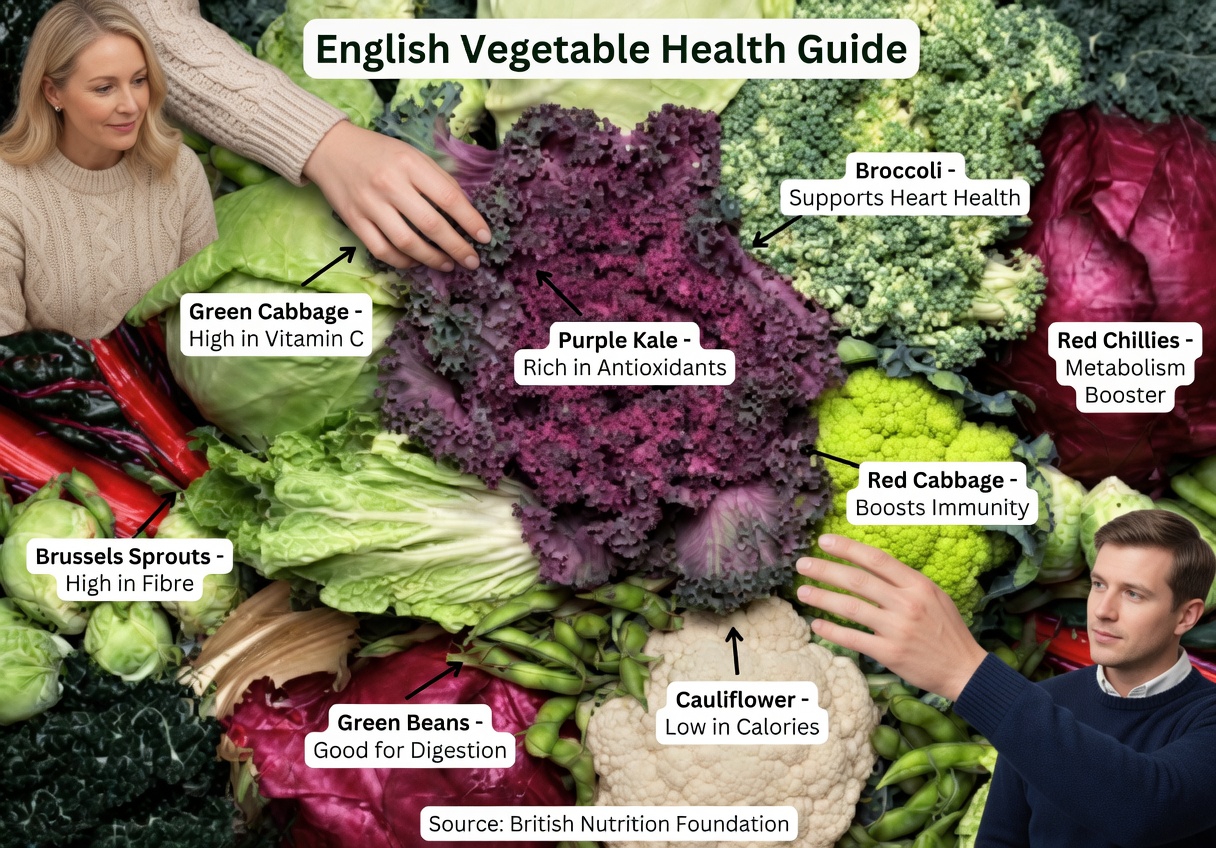
Broccoli, cauliflower, cabbage, and Brussels sprouts belong to the cruciferous vegetable family. They are known for compounds such as sulforaphane, which have been studied for their role in supporting the body’s natural detoxification systems.
Population research often connects higher intake of these vegetables with stronger health outcomes overall.
You can roast them with olive oil, lightly steam them, or toss them into stir-fries and grain bowls. Try including cruciferous vegetables several times a week for a simple nutrition upgrade. They are filling, budget-friendly, and low in calories.
3. Leafy Greens Like Spinach and Kale
Dark leafy greens are among the most nutrient-packed foods available. Spinach, kale, and similar greens provide vitamins A, C, and K, along with folate and magnesium. These nutrients help support bone strength, vision, energy production, and more.
Their fiber and antioxidant content also promote a healthier gut environment, which matters because a large portion of immune activity is connected to the digestive system.
- A useful plant-based source of iron
- Low in calories and high in volume
- Easy to blend into smoothies, soups, and sauces
Sauté spinach with garlic, build salads on a bed of greens, or mix kale into a smoothie. Even one extra handful a day can be a worthwhile step.

4. Garlic: Everyday Flavor With Functional Benefits
Garlic has a long history of use in traditional wellness practices, and modern nutrition science highlights sulfur-rich compounds such as allicin. These compounds may help support circulation and the body’s natural defense systems.
To activate more of its beneficial compounds, crush or chop garlic and let it rest for a few minutes before cooking.
Garlic works in nearly every savory dish. Use it in soups, marinades, sauces, and roasted vegetables. Fresh garlic is often preferred, but it is versatile enough to use in multiple forms. One or two cloves a day in your cooking is an easy place to start.
5. Tomatoes: A Reliable Source of Lycopene
Tomatoes offer much more than color and flavor. They are rich in lycopene, along with vitamin C and potassium. Interestingly, cooked tomatoes can provide lycopene in a form that is easier for the body to absorb.
Research has linked lycopene-rich diets to benefits for heart health and support against environmental stressors that affect the skin.
Enjoy tomatoes fresh in salads, simmered into sauces, or roasted for deeper flavor. Combining them with healthy fats like olive oil can improve nutrient absorption even more.
6. Walnuts and Other Nuts
Nuts are compact but highly nutritious, and walnuts are especially notable for their omega-3 fats. In addition to healthy fats, nuts provide protein, vitamin E, and important minerals that support the brain and help the body handle everyday stress.
A modest serving can help keep you full and energized without causing a rapid spike and crash in blood sugar.
- Rich in heart-supportive fats
- A convenient source of plant protein
- Easy to carry for a quick snack anywhere
Sprinkle chopped walnuts over oatmeal, yogurt, or salads. Choose unsalted varieties when possible, and keep portions moderate. Around one ounce per day is a sensible amount.
7. Turmeric: The Golden Spice Worth Using More Often
Turmeric is known for its warm flavor and its active compound, curcumin. When turmeric is paired with black pepper, the body absorbs curcumin much more effectively.
It is frequently studied for its ability to support a normal, healthy inflammatory response.
Use turmeric in soups, curries, roasted vegetables, or warm drinks like golden milk. Start with a small amount if the flavor is new to you, then gradually increase it as you get used to it.
8. Beans and Legumes: Affordable Nutrition Powerhouses
Beans, lentils, chickpeas, and peas are excellent sources of plant protein, fiber, and resistant starch. These nutrients support beneficial gut bacteria, help you stay full longer, and provide more stable energy throughout the day.
They are also packed with nutrition while remaining one of the most budget-friendly food groups available.
- Good source of folate and iron
- Inexpensive and easy to store
- Flexible enough for many recipes and cuisines
Add legumes to soups, grain bowls, tacos, salads, or dips like hummus. Both canned and dried versions work well, though canned beans are best rinsed before use. Try aiming for several servings each week.
Easy Ways to Add These Foods to Your Week
Once you know what to eat, the next step is making it realistic. Start with a few simple habits instead of trying to do everything at once.
- Add berries to your breakfast.
- Include one serving of leafy greens at lunch.
- Make broccoli or another cruciferous vegetable part of dinner.
- Keep beans, nuts, and spices like turmeric stocked in your pantry.
- Use garlic and tomatoes more often to build flavor into everyday meals.
A few easy meal ideas include:
- Berry smoothie in the morning
- Bean salad for lunch
- Broccoli stir-fry for dinner
- Yogurt with walnuts as a snack
- Tomato-based soup with garlic and greens
What matters most is consistency, not perfection. These foods work best as part of an overall healthy lifestyle that also includes hydration, movement, and balanced daily habits.
Final Thoughts: Small Food Changes Can Deliver Big Results
Adding these eight foods to your meals is a practical way to improve your nutrition and help your body function at its best. They are flavorful, easy to find, reasonably priced, and supported by research on the benefits of plant-forward eating.
Of course, diet is only one part of long-term wellness. Better sleep, stress control, and routine medical care also play important roles.
Start simple. Pick one or two foods from this list and begin using them this week. Small choices, repeated often, can lead to meaningful improvements over time.