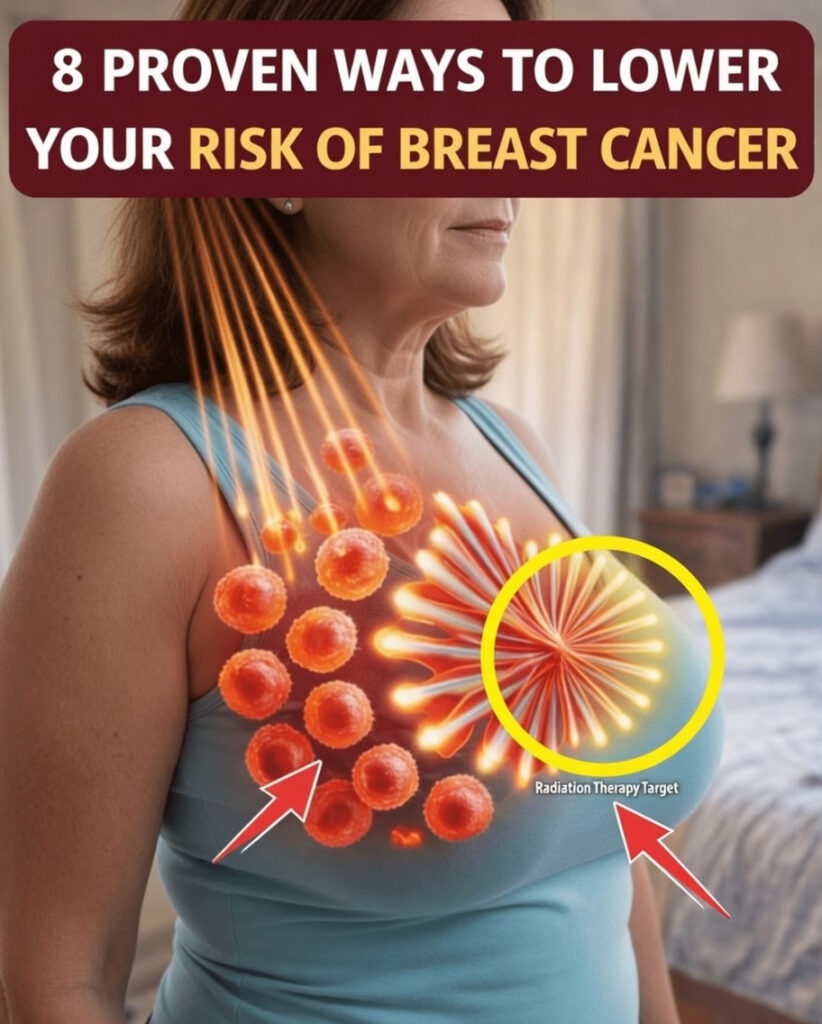
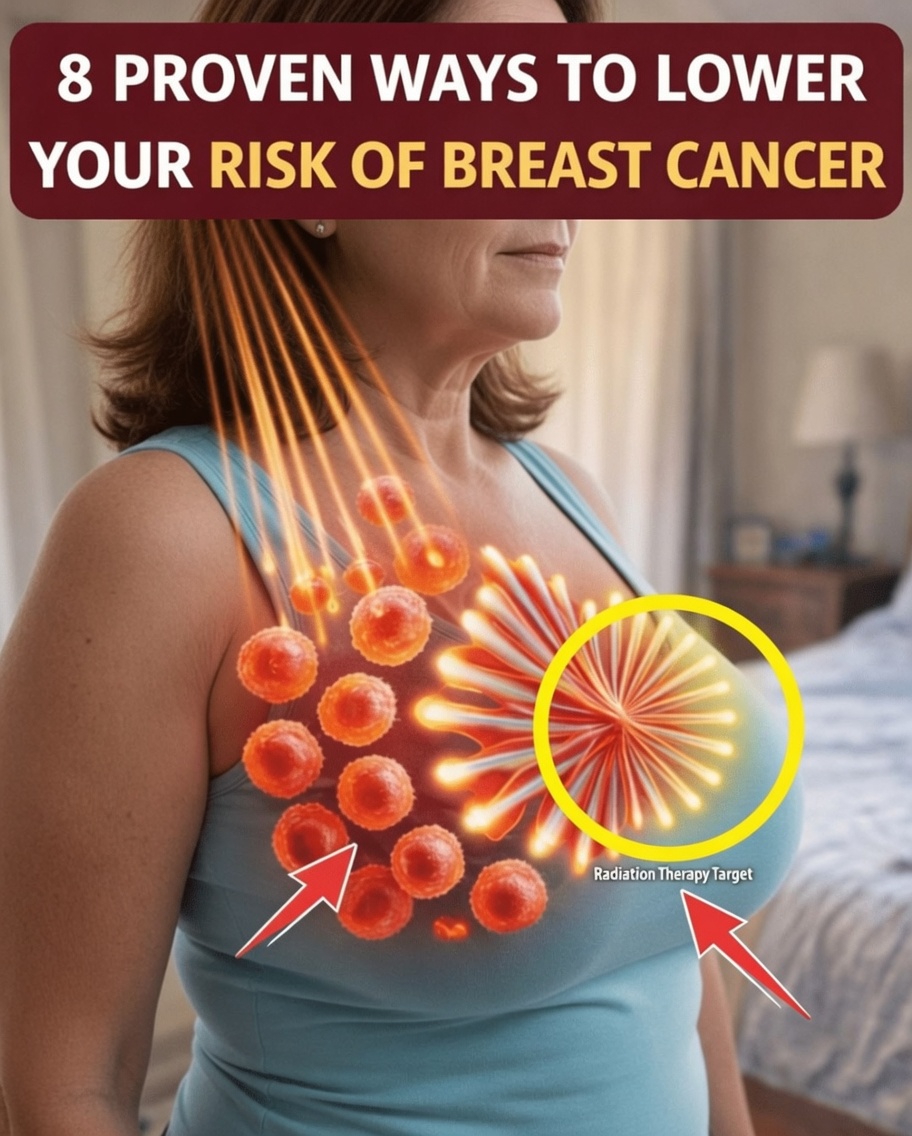
How to Lower Breast Cancer Risk With Everyday Habits
Breast cancer affects women across the globe and often brings fear, uncertainty, and concern for both individuals and families. While some risk factors cannot be changed, research from trusted institutions such as the Mayo Clinic and the American Cancer Society shows that several daily lifestyle choices can influence your overall risk. Even better, one often-overlooked habit can help make all of these strategies more effective when practiced consistently.
1. Maintain a Healthy Weight
Keeping your weight in a healthy range is one of the most important ways to support breast health. This is especially true after menopause, when excess body fat may increase breast cancer risk by affecting hormone balance.
Here are a few practical ways to get started:
- Track your daily food intake with a simple app if you need more awareness.
- Use portion control at meals rather than following extreme diets.
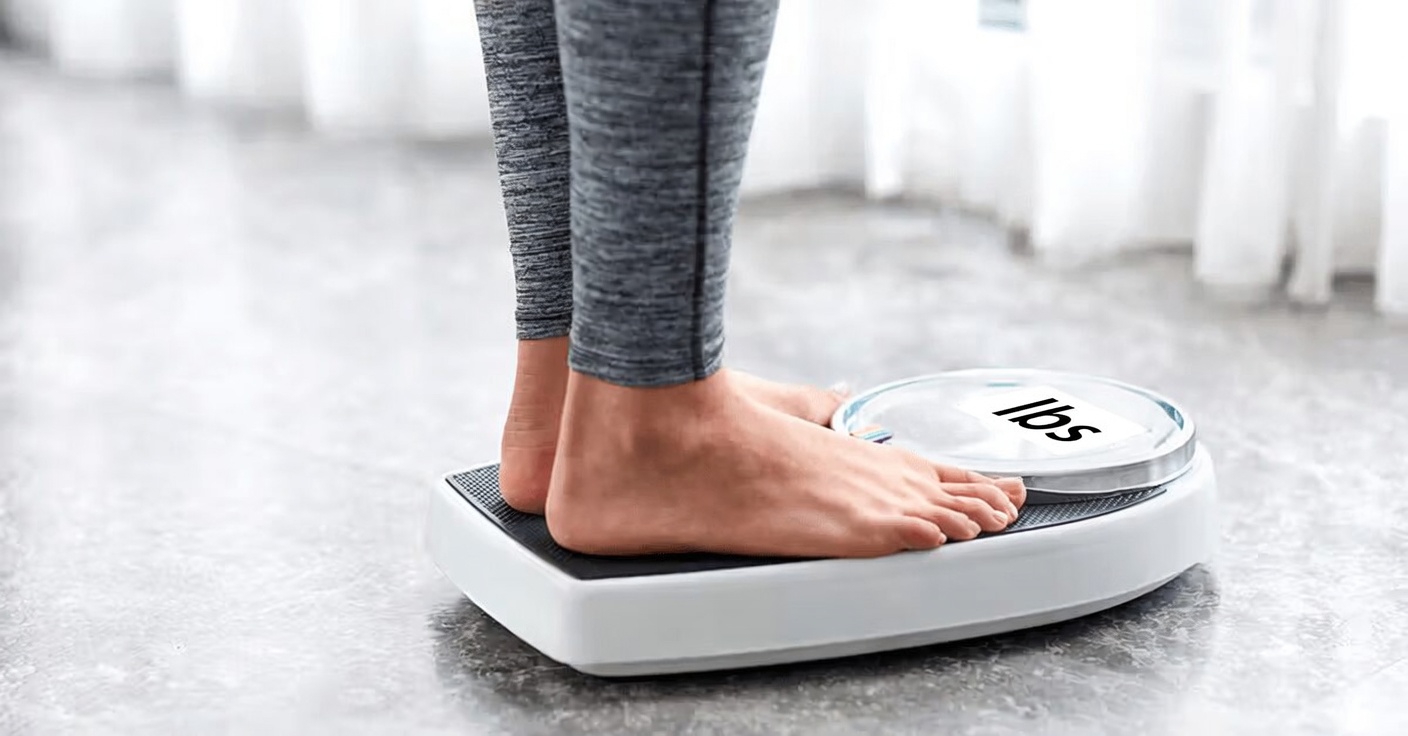
- Check your weight once a week to stay informed without becoming fixated.
Small improvements done regularly can lead to meaningful long-term results. When combined with exercise, this step becomes even more powerful.
2. Stay Physically Active
Daily movement does far more than help with weight control. Regular exercise can support hormone regulation and strengthen immune function, both of which are linked to a lower risk of breast cancer. The American Cancer Society recommends at least 150 minutes of moderate activity each week, and even shorter sessions can help.
Easy ways to move more include:
- Take a brisk 30-minute walk during lunch or in the evening.
- Add strength training twice a week using bodyweight moves such as squats and push-ups.
- Get up and stretch or walk around every hour if you sit for long periods.
Being active also makes it easier to manage your weight, creating a healthy cycle that benefits your body in multiple ways.
3. Choose More Fruits, Vegetables, and Whole Foods
Eating more plant-based, minimally processed foods may help lower breast cancer risk. Research on Mediterranean-style eating patterns suggests that diets rich in produce, whole grains, legumes, and healthy fats can reduce inflammation and support overall wellness.
To make this habit easier:
- Fill half of your plate with colorful fruits and vegetables at each meal.
- Replace packaged snacks with nuts, seeds, or fresh fruit.
- Aim for at least five servings of fruits and vegetables per day.
This approach not only supports breast health but also makes healthy weight management more achievable.
4. Limit Alcohol or Avoid It Completely
Research consistently shows that alcohol intake can raise breast cancer risk, even at relatively low levels. According to the Mayo Clinic, the safest option is not drinking at all. If you do drink, it is best to keep intake to no more than one drink per day.
Helpful alternatives include:
- Swap wine or cocktails for sparkling water with lemon or lime.
- Create alcohol-free weekdays as a personal rule.
- Choose non-alcoholic versions of your favorite social drinks.
Many people also notice better sleep and more stable energy after cutting back.
5. Avoid Smoking and Secondhand Smoke
Smoking affects more than lung health. Evidence also connects tobacco use to a higher risk of breast cancer. Quitting can improve health at any age, and reducing exposure to secondhand smoke matters as well.
Action steps to consider:
- Pick a quit date and use support tools such as 1-800-QUIT-NOW.
- Replace smoking rituals with gum, tea, or another healthier habit.
- Ask household members who smoke to do so outside.
The benefits can begin quickly, including better breathing, improved energy, and stronger overall health.
6. Breastfeed If You Can
For women who have children, breastfeeding may provide measurable protection against breast cancer. Studies suggest that the longer total breastfeeding lasts—ideally one year or more across all children—the greater the risk reduction may be.
Useful tips include:
- Speak with a lactation consultant before birth if possible.
- Try to breastfeed exclusively for the first six months when you can.
- Continue breastfeeding after introducing solid foods if it works for your family.
Choices made during this stage of life can influence long-term health for years to come.
7. Review Birth Control and Hormone Therapy Carefully
Some hormonal medications, including certain birth control pills and menopausal hormone therapy, may slightly increase breast cancer risk. This may be especially important for women over 35 or those who smoke. The Mayo Clinic recommends discussing benefits and risks with your healthcare provider.
You can take charge by:
- Reviewing your birth control method with your doctor each year.
- Asking about non-hormonal alternatives if you have concerns.
- Using menopausal hormone therapy for the shortest time needed, when appropriate.
These conversations can help you choose the option that best fits your health profile and goals.

8. Ask Your Doctor About Personalized Risk Reduction
Some women have a higher-than-average risk of breast cancer due to family history, genetics, or other medical factors. In these cases, doctors may recommend additional strategies such as medications like tamoxifen or raloxifene, more frequent screening, or genetic counseling.
A good place to begin is by:
- Booking a yearly well-woman visit to review your personal and family history.
- Asking what risk assessment tools your doctor uses.
- Considering genetic testing if breast cancer runs strongly in your family.
Personalized guidance can help you make smarter prevention decisions based on your unique situation.
The Habit That Brings Everything Together
The most effective strategy may be simpler than it sounds: build small, repeatable daily routines. Research shows that healthy habits tend to work best when they are done consistently and combined. For example, regular walking can support weight control, which is easier to maintain when you also eat more whole foods and drink less alcohol.
Instead of trying to change everything at once, begin with one or two realistic habits this week. Once they become automatic, add another. This steady approach can help you feel more in control and create lasting benefits over time.
Why These Changes Matter
These lifestyle steps do more than reduce breast cancer risk. They can also improve sleep, increase energy, support mood, and strengthen long-term health overall. Major cancer organizations continue to emphasize that even moderate changes can make a meaningful difference when practiced consistently.
Conclusion
Reducing your risk of breast cancer does not require extreme measures. Sustainable, evidence-based habits can go a long way. By focusing on healthy weight, regular physical activity, nutritious food, limiting alcohol, avoiding smoking, breastfeeding when possible, reviewing hormone use, and seeking medical advice tailored to your needs, you create a stronger foundation for future health.
Start with small changes, stay consistent, and recognize every step forward. You do not have to do everything at once, and you do not have to do it alone.
FAQ
1. Can these habits completely prevent breast cancer?
No. There is no guaranteed way to prevent breast cancer entirely. However, studies show that these lifestyle choices can help lower risk, especially when combined with regular medical care and recommended screenings.
2. How quickly can these changes help?
Some benefits, such as better energy, improved sleep, and easier weight control, may appear within a few weeks. Lowering long-term breast cancer risk usually depends on staying consistent over months and years.
3. What if breast cancer runs in my family?
These habits are still valuable. If you have a family history, talk with your doctor about additional steps such as earlier or more frequent screening, genetic counseling, or a personalized prevention plan.
Disclaimer
This article is for informational purposes only and does not replace professional medical advice. Always speak with your healthcare provider before changing your diet, exercise habits, or medications.