Small Body Signs You Shouldn’t Ignore
A tiny white bump on your tongue that makes swallowing slightly uncomfortable. A sore spot inside your mouth that turns eating into a chore. Or maybe you look down at your feet and notice your second toe is longer than your big toe. These details may seem minor, but they can be frustrating and gradually affect how comfortable and confident you feel.
Your body often sends subtle signals when it needs more support, whether that means better nutrition, more hydration, improved rest, or a few healthier daily habits. The good news is that noticing these changes early can help you make simple adjustments that improve how you feel overall.
What many people overlook is this: these signs do not always point to anything serious. In many cases, they are reminders to pay closer attention to everyday wellness. And sometimes, a few small lifestyle changes can make a noticeable difference.
1. Your Second Toe Is Longer Than Your Big Toe
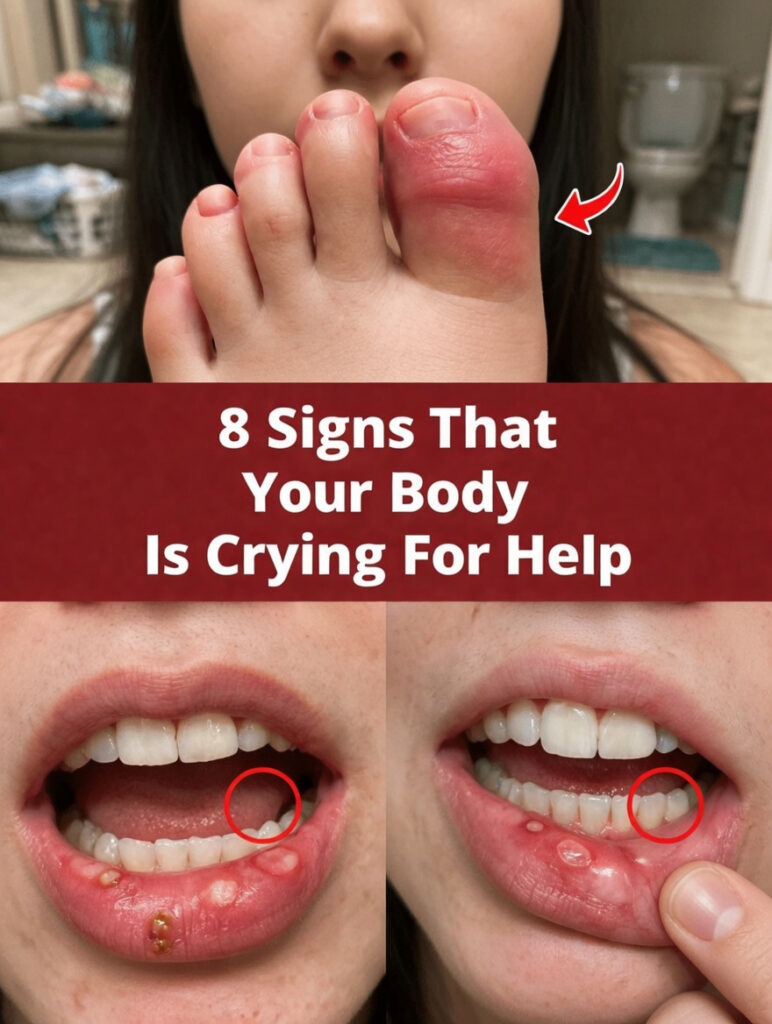
If your second toe extends beyond your big toe, you may have what is commonly known as Greek foot or Morton’s toe. This foot shape is more common than many people realize, and it often becomes more noticeable when you are barefoot or wearing open shoes.
For some people, this structure places extra pressure on the ball of the foot. Over time, that may lead to mild soreness, fatigue, or calluses after long periods of standing or walking. Research suggests that foot shape can influence how body weight is distributed during movement.
That said, this feature alone is not necessarily a problem. The key is proper support.
Helpful tips
- Choose shoes with a wide toe box
- Look for footwear with good arch support
- Do gentle foot stretches in the morning
- Avoid shoes that crowd the toes
These simple adjustments can make walking and standing much more comfortable.
2. White Bumps or Spots on Your Tongue
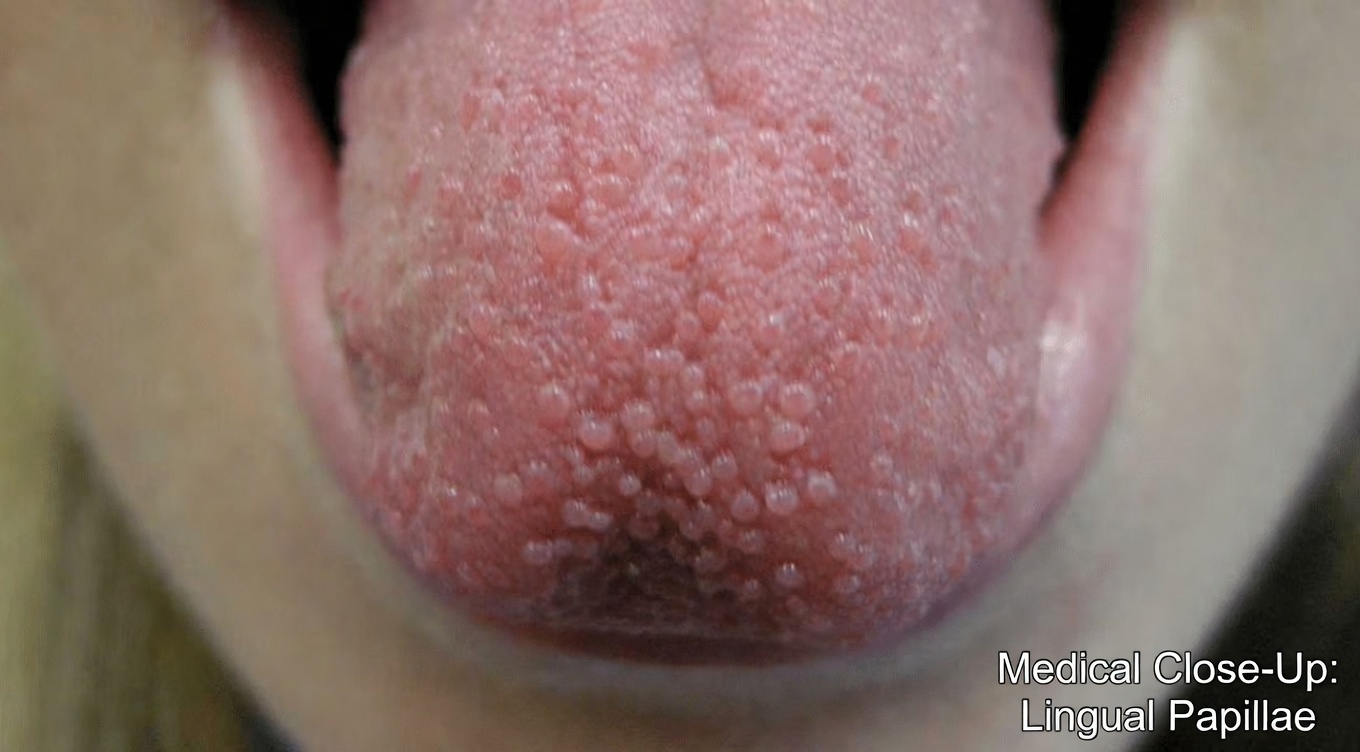
A small white or yellowish bump on the tip or side of your tongue can appear suddenly and feel surprisingly irritating. These are often referred to as lie bumps, and they tend to show up quickly.
They may leave your tongue feeling tender, slightly swollen, or sensitive for a few days. Some studies suggest they can appear more often during periods of stress or after irritation from certain foods.
The reassuring part is that they usually go away on their own.
What may help
- Rinse with warm salt water once or twice daily
- Drink enough water throughout the day
- Avoid very spicy, hot, or acidic foods for a short time
- Be gentle when brushing your tongue
3. Sores or Cracks Inside or Around Your Mouth
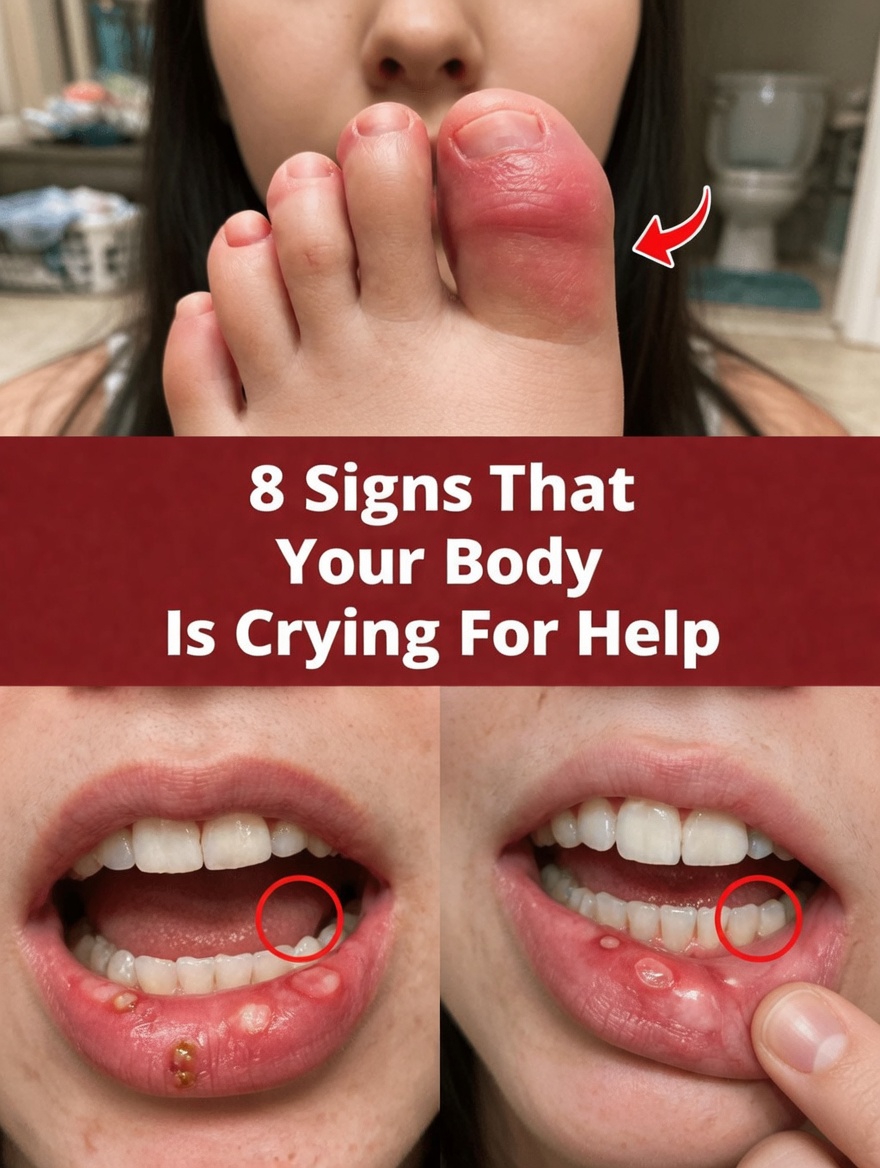
Painful mouth ulcers inside the cheeks or lips, or tiny cracks at the corners of the mouth, can make eating, talking, and even smiling uncomfortable. These can appear after a stressful stretch, during poor sleep, or when your diet has been less balanced than usual.
Many people notice these issues more often when certain nutrients are running low. Health experts commonly mention possible links with B vitamins, iron, and zinc.
You do not have to simply wait and hope they disappear.
Supportive steps
- Follow a gentle oral care routine
- Avoid foods that sting or worsen irritation
- Stay hydrated
- Review whether your meals include enough nutrient-rich foods
Small improvements in diet and daily care can support faster recovery and better comfort.
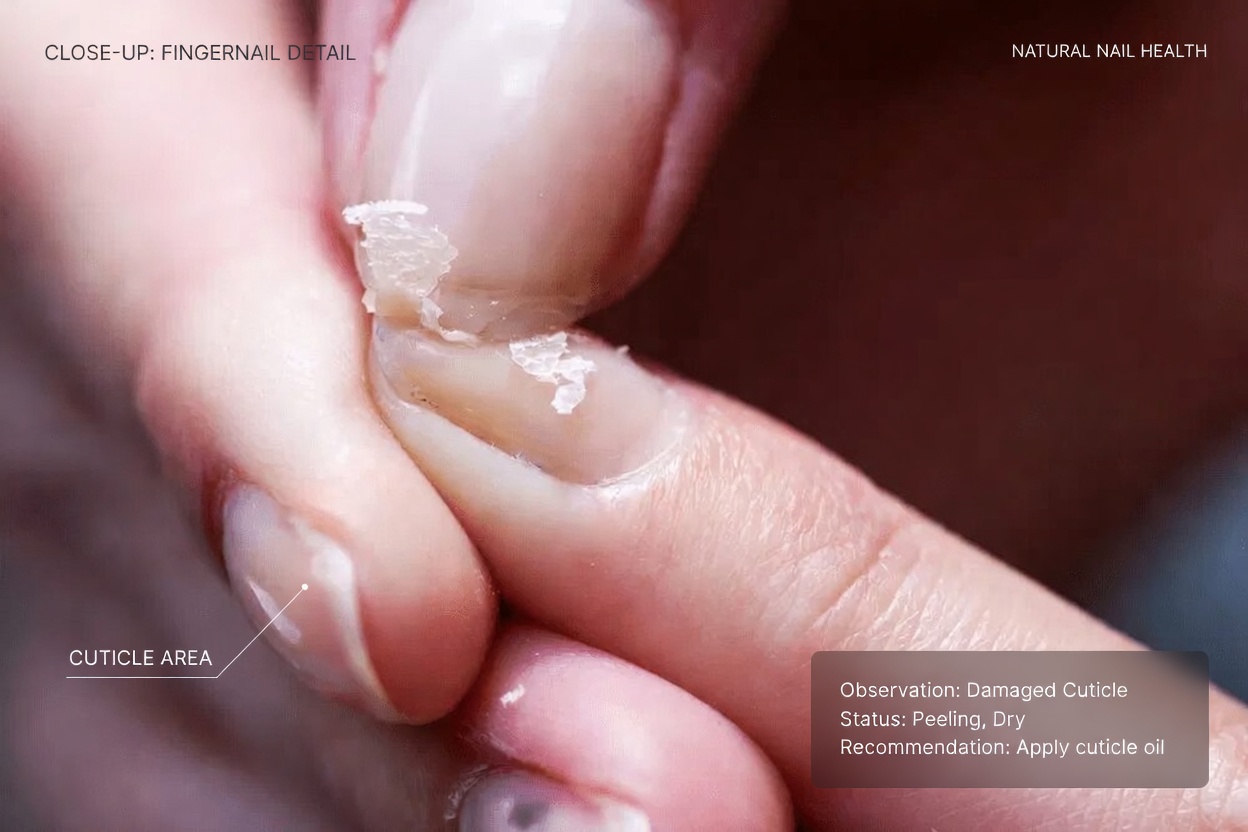
4. Brittle Nails That Break or Peel Easily
If your fingernails or toenails begin splitting, peeling, or thinning, your body may be asking for more nutritional support. Fragile nails are common and can become obvious during simple tasks, like opening packaging or buttoning clothes.
Studies often connect brittle nails with lower intake of important building-block nutrients such as:
- Protein
- Biotin
- Iron
Easy ways to support stronger nails
- Add a handful of nuts or seeds to your daily snacks
- Include eggs in your weekly meals
- Eat more leafy greens
- Choose lean protein sources regularly
With consistency, many people notice stronger nails over time.
5. White Spots on Your Fingernails
Tiny white marks or lines on the nails often catch your attention even though they do not hurt. In many cases, these spots are harmless and may result from minor nail trauma. However, some nutrition research also suggests they may appear more often when zinc intake is not ideal.
This can be a helpful reminder to look at what is on your plate.
Foods rich in zinc
- Pumpkin seeds
- Chickpeas
- Oysters
- Other zinc-rich foods or supplements recommended by a healthcare professional
Rather than panicking, consider these spots as one of many small clues your body may be offering.
6. Dry, Cracked Skin on Your Feet or Heels
Rough, flaky heels or cracked skin on the soles of your feet can feel uncomfortable and may become more noticeable after wearing sandals or walking barefoot. Dry foot skin is very common, but it can sometimes be worsened by internal factors as well.
Possible contributors include:
- Dehydration
- Low intake of healthy fats
- Lower levels of certain nutrients, including vitamin E
- Inadequate omega-3 fatty acids
A simple routine to try
- Drink an extra glass of water in the morning
- Add fatty fish or flaxseeds to meals a couple of times a week
- Moisturize your feet before bed
- Wear breathable but protective footwear
Many people notice smoother, softer skin within a few weeks of staying consistent.
7. Ongoing Low Energy or Brain Fog
If you wake up tired after a full night of sleep or struggle to focus later in the day, your body may be signaling that it needs steadier fuel or better recovery. Low energy and mental fog are extremely common, and they are often linked to lifestyle patterns rather than one single cause.
Research frequently points to the importance of:
- Balanced blood sugar
- Adequate iron
- Sufficient B vitamins
- Consistent sleep habits
Small changes that can help
- Eat a protein-rich breakfast within an hour of waking
- Take a 10-minute walk after lunch
- Try to go to bed at a similar time each night
- Avoid relying only on caffeine for energy
You do not need a major reset. Often, a few steady habits make a meaningful difference.
8. Frequent Muscle Cramps or Twitches
If your calves cramp at night or your eyelid twitches during the day, it can be both annoying and disruptive. These small muscle signals are often associated with hydration and mineral balance.
Nutrients commonly linked to cramps or twitching include:
- Magnesium
- Potassium
- Proper fluid intake
Quick action plan
- Add a banana or spinach to your smoothie
- Sprinkle pumpkin seeds onto salads or yogurt
- Drink water consistently throughout the day
- Consider electrolyte support if needed
Many people notice fewer cramps within days when hydration and mineral intake improve.
Foods That Help Support Natural Balance
If you want to give your body better daily support, focus on simple, nourishing foods like these:
- Leafy greens and colorful vegetables for vitamins and minerals
- Nuts, seeds, and avocados for healthy fats and magnesium
- Eggs and lean proteins for iron and B vitamins
- Fatty fish or flaxseeds for omega-3s
- Whole grains and legumes for steady, lasting energy
A balanced plate does not have to be complicated to be effective.
5 Simple Daily Habits to Tune In to Your Body
These easy habits can help you feel more connected to what your body needs:
- Drink a full glass of water as soon as you wake up
- Eat at least one protein-rich meal before midday
- Spend 10 minutes outdoors in natural light
- Make a quick note of how you feel after meals
- Turn off screens 30 minutes before bed
These small routines often help people feel better without needing an extreme wellness plan.
What People Often Overlook
Your body is always giving feedback. A tongue bump, cracked skin, brittle nails, or low energy may not seem important on their own, but together they can reveal useful patterns. When you respond with consistent, supportive choices, you often feel more comfortable, more energized, and more in control of your well-being.
It is not about being perfect. It is about noticing what your body is telling you and giving it the care it needs.
FAQ
What should I do if I notice several of these signs at once?
Track the symptoms for a week or two and speak with your healthcare provider. Looking at the full pattern can help identify whether the cause is related to nutrition, stress, sleep, or another issue.
How long does it take for diet changes to help?
Some people notice better energy, hydration, or skin comfort within 1 to 2 weeks. Changes involving nails, mouth irritation, or tongue issues may take longer. Consistency matters most.
Are these symptoms always caused by nutrition?
No. Stress, sleep quality, hydration, and other lifestyle factors can also contribute. That is why it is best to consider the full picture and get professional guidance when needed.
Final Thoughts
Your body is not working against you—it is trying to communicate with you. Small signs such as the shape of your toes, bumps on your tongue, mouth sores, dry skin, or low energy can all be reminders to slow down and pay attention.
In many cases, simple habits like eating more nutrient-dense foods, staying hydrated, resting well, and supporting your body consistently can make a real difference. The earlier you notice these signals, the easier it becomes to respond in a way that helps you feel stronger, healthier, and more at ease every day.