
Stop the Afternoon Crash: Choose Breads That Support Stable Blood Sugar
If your usual sandwich leaves you sleepy, cranky, and craving sweets a couple of hours later, your bread may be the problem—especially after 40. Highly refined white and “soft” breads convert rapidly into glucose in your bloodstream, causing a sharp blood sugar spike followed by a hard crash.
That roller coaster drains your energy, fuels irritability, and makes blood sugar control feel like a nonstop struggle.
The good news: you don’t have to swear off bread. When you choose smarter loaves rich in fiber, protein, and healthy fats, you can enjoy bread while supporting more stable blood sugar and steadier energy.
Keep reading to discover the 8 smartest breads for stable blood sugar—and simple ways to enjoy them every day without worry.

Why Standard Bread Disrupts Blood Sugar Balance
Most regular white and refined breads are made from finely milled flour that your body breaks down quickly. This leads to:
- Rapid blood sugar spikes
- A crash in energy and mood a few hours later
- Intense cravings for sugary snacks
- Increased stress on your body’s blood sugar regulation, which becomes more noticeable with age
Smart, high-fiber breads work differently. When grains are kept more intact and extra fiber is added, carbohydrates are digested more slowly. This slows the release of glucose into your bloodstream and supports:
- More stable blood sugar
- Longer-lasting energy
- Reduced cravings and hunger swings
The key difference is not “bread vs no bread” but which bread you choose and how it’s made.
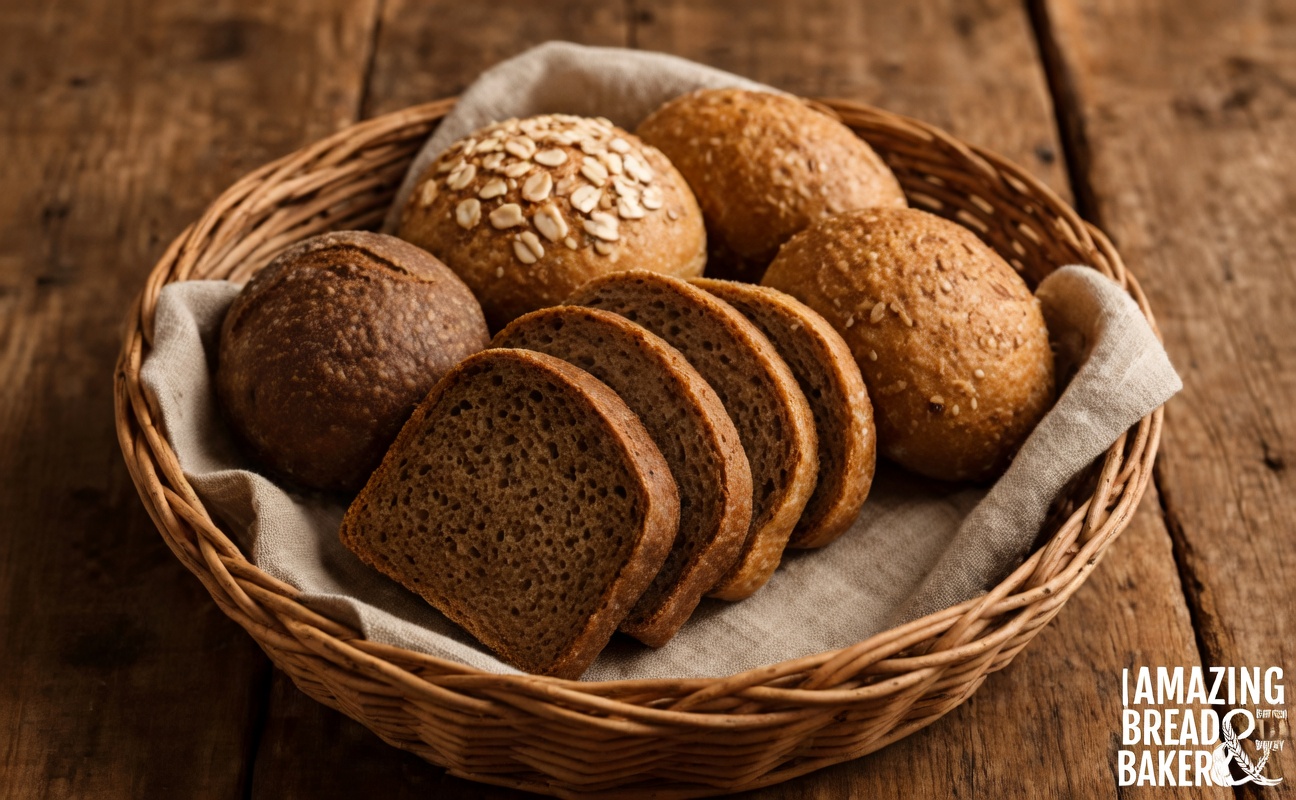
1. Oat Bread – Often the Gold Standard for Stable Blood Sugar
Oat bread is a standout for blood sugar control because oats contain beta-glucans, a type of soluble fiber that forms a gel in your digestive tract. This gel slows the absorption of glucose, helping to:
- Reduce sharp blood sugar spikes after a meal
- Promote a more gradual rise and fall in blood sugar
- Support longer-lasting fullness and fewer cravings
Many people report steadier energy and less mid-morning or mid-afternoon crashing when they switch from white bread to oat bread.
How to enjoy it:
Toast oat bread and top it with natural peanut butter and slices of banana for a satisfying, blood sugar–friendly breakfast.
2. 100% Whole-Grain Bread – The Daily Foundation for Blood Sugar Control
For everyday use, 100% whole-grain bread is one of the most reliable choices for keeping blood sugar more stable.
Look for:
- “Whole grain” or “100% whole grain” as the first ingredient
- At least 3–4 grams of fiber per slice
The intact grain structure and high fiber content slow digestion and help prevent rapid blood sugar spikes.
Be careful: many breads labeled simply “wheat” or “multigrain” behave much like white bread in your body. You need the “100% whole” wording to get the benefits.
How to enjoy it:
Build a breakfast plate with 100% whole-grain toast, eggs, and vegetables to support stable blood sugar all morning.
3. Flaxseed Bread – Fiber and Healthy Fats for Steady Blood Sugar
Flaxseed bread combines two powerful allies for blood sugar balance:
- Soluble and insoluble fiber that slows carbohydrate breakdown
- Omega-3 fats that further support satiety and metabolic health
Research suggests that including flaxseed in meals can significantly reduce post-meal blood sugar response. The added fats also keep you fuller longer, reducing the urge to snack after a meal.
How to enjoy it:
Top flaxseed bread with sliced cucumber and cheese for a refreshing, blood sugar–friendly lunch.
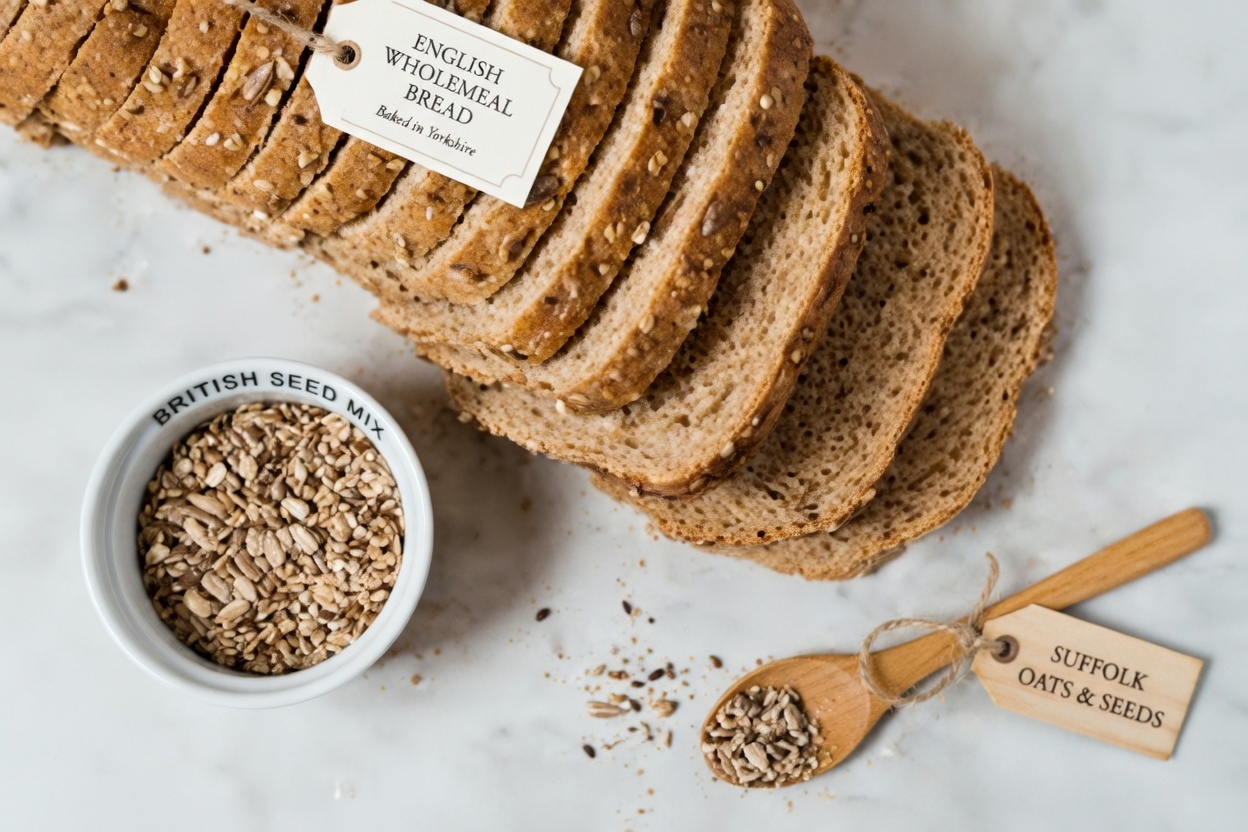
4. Quinoa Bread – Protein-Rich Support for Blood Sugar
Quinoa bread offers a unique advantage: quinoa is a complete protein, meaning it contains all nine essential amino acids.
Quinoa bread typically provides:
- More protein than many standard breads
- A solid amount of fiber
- A slower, more controlled impact on blood sugar compared with refined grains
The combination of protein and fiber slows digestion and helps prevent sharp blood sugar spikes after eating.
How to enjoy it:
Serve quinoa toast topped with avocado and scrambled eggs for a nutrient-dense meal that supports stable blood sugar.
5. Sprouted Grain Bread – A Gentler Choice for Blood Sugar
Sprouted grain bread is made from grains that have begun to sprout. This process:
- Changes the structure of the starches, slowing their breakdown
- Increases the availability of certain vitamins and minerals
- Often leads to a lower glycemic impact compared with regular whole-grain bread
Many people notice less bloating, more comfortable digestion, and more consistent energy when they switch to sprouted grain bread.
What to look for:
Choose loaves that list “sprouted whole grains” prominently on the label for maximum blood sugar benefits.
6. Authentic Sourdough Bread – Fermentation for Better Blood Sugar Response
Real sourdough bread is made using a natural starter and a long fermentation process. That fermentation:
- Breaks down some of the starches in the flour
- Produces organic acids that can slow glucose absorption
- Often results in a lower blood sugar spike than conventional yeast breads
The distinctive tangy flavor makes sourdough enjoyable while offering a more blood sugar–friendly profile than typical white or refined breads.
How to enjoy it:
Create a balanced sandwich with sourdough, turkey or chicken, and plenty of leafy greens to support more stable blood sugar.
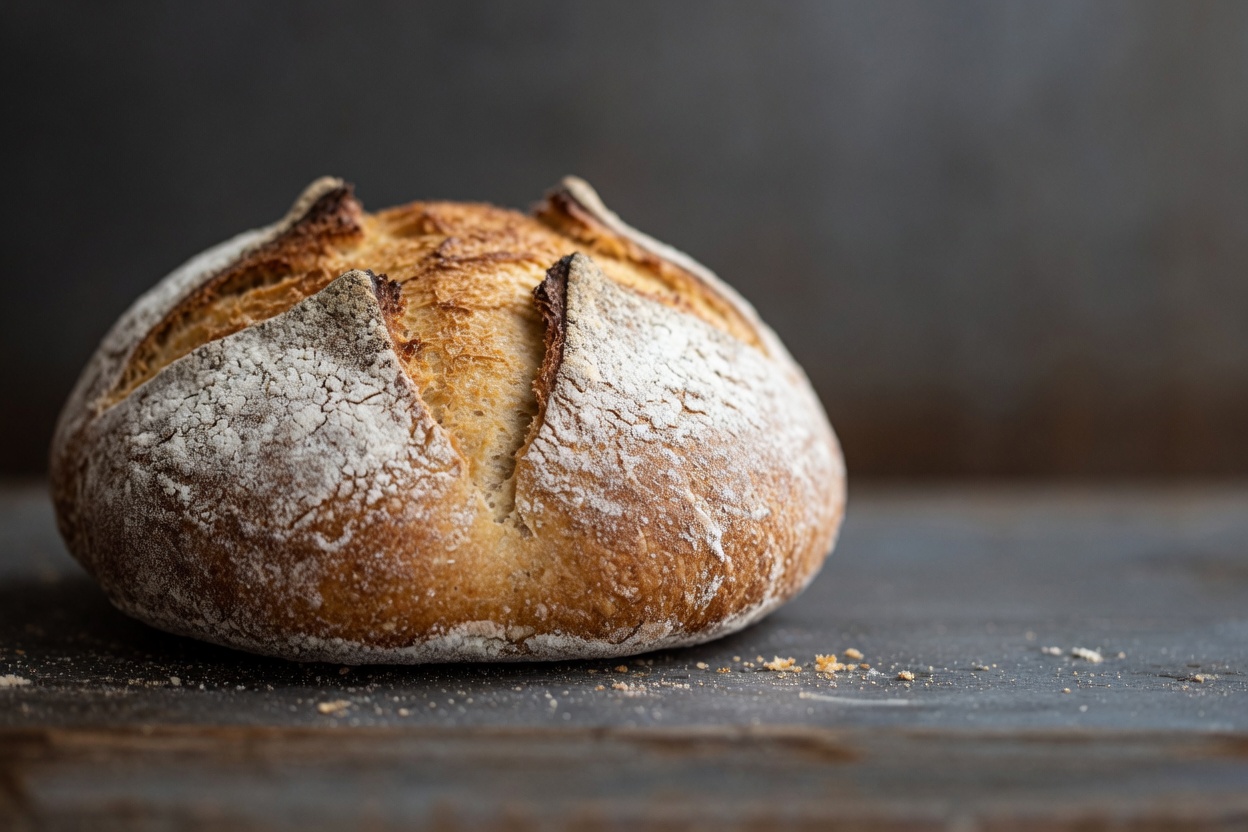
7. Seeded Multigrain Bread – Fiber, Protein, and Healthy Fats in One Slice
Seeded multigrain breads typically include a mix of seeds such as flax, chia, sunflower, pumpkin, and sesame. This makes them a triple threat for blood sugar stability:
- Fiber slows carbohydrate absorption
- Protein supports fullness and muscle health
- Healthy fats further stabilize blood sugar and appetite
The dense, crunchy texture and rich flavor also make these breads more satisfying, which can reduce mindless snacking.
How to enjoy it:
Toast seeded multigrain bread, spread with mashed avocado, and sprinkle extra seeds on top for maximum nutrition and stable blood sugar support.
8. Quality Gluten-Free Whole Grain Bread – Helpful When Chosen Wisely
Gluten-free bread is not automatically better for blood sugar. Many versions rely on refined starches like white rice flour, tapioca, or potato starch, which can spike blood sugar just as quickly as white bread.
To make gluten-free bread a smart choice for blood sugar:
- Choose loaves made from brown rice, millet, buckwheat, quinoa, or seeds
- Look for at least 3 grams of fiber per slice
- Avoid products with added sugars high on the ingredient list
When carefully selected, gluten-free whole grain bread can fit well into a blood sugar–friendly eating plan, especially for those with celiac disease or gluten sensitivity.
Smart Breads for Stable Blood Sugar: Quick Comparison
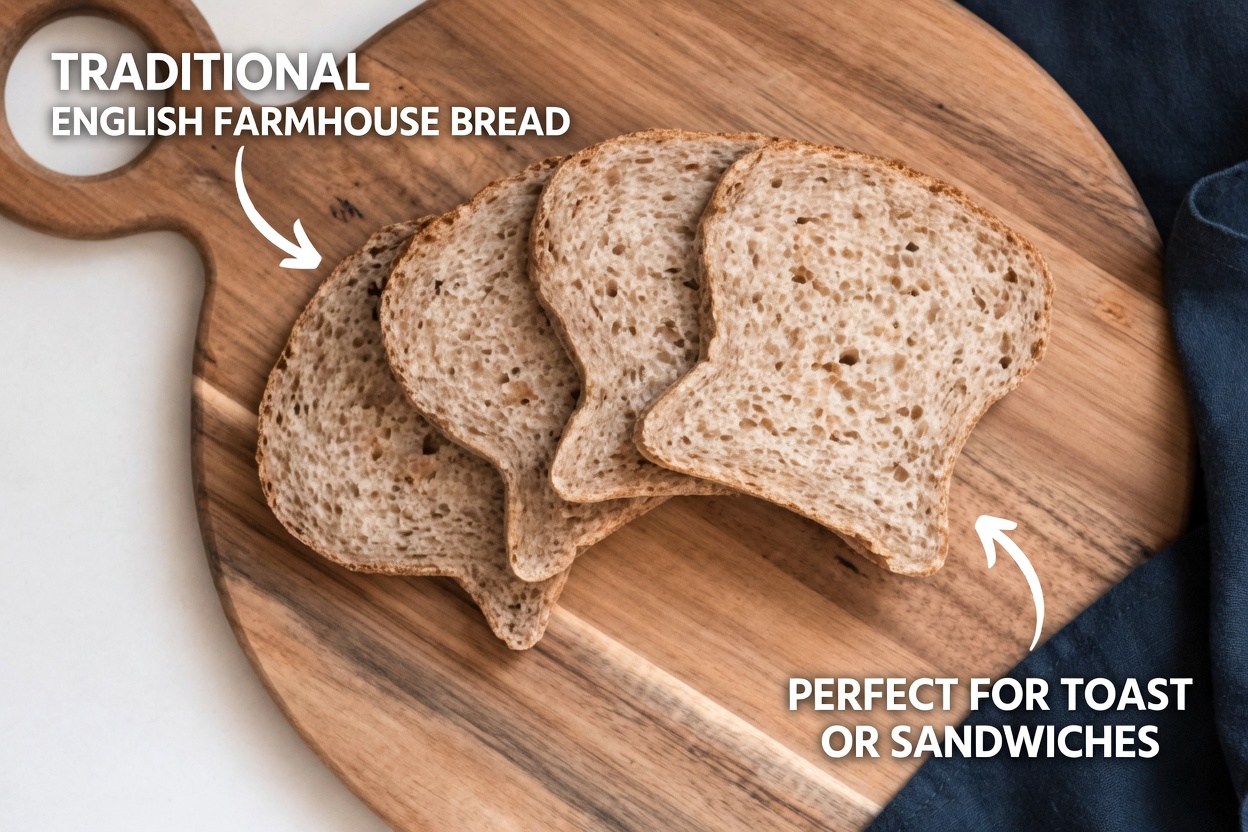
Use this snapshot to choose the right bread for your needs:
| Bread Type | Key Blood Sugar Benefit | Typical Fiber per Slice* | Taste & Texture | Best Use Case for Blood Sugar |
|---|---|---|---|---|
| Oat Bread | Beta-glucans slow glucose absorption | High | Mild, hearty | Top daily choice for most |
| Sprouted Grain Bread | Sprouting lowers glycemic impact | Very high | Nutty, dense | Sensitive digestion, steady energy |
| Authentic Sourdough | Fermentation moderates blood sugar | Medium–high | Tangy, chewy | Lower spikes vs regular white bread |
| Flaxseed Bread | Omega-3 + fiber for satiety | Very high | Earthy, hearty | Appetite control, heart health |
| Seeded Multigrain Bread | Seeds add fiber, protein, healthy fat | Highest (often) | Crunchy, rich | Maximum nutrition per slice |
*Fiber content varies by brand—always check the label.
5 Smart Ways to Eat Bread and Keep Blood Sugar Stable
You can enjoy bread regularly and still support healthy blood sugar when you use these strategies:
-
Always pair bread with protein and healthy fats
Combine bread with foods like eggs, avocado, nut butter, hummus, or cheese. This slows digestion and supports more stable blood sugar. -
Mind your portions
Aim for 1–2 slices per meal, depending on your overall carbohydrate needs and your health professional’s guidance. -
Read labels carefully
Choose breads with at least 3 grams of fiber per slice and minimal or no added sugars. High-fiber breads support better blood sugar control. -
Toast your bread
Light toasting can slightly reduce the glycemic impact and often makes high-fiber breads more enjoyable in terms of taste and texture. -
Add vegetables to bread-based meals
Include veggies such as spinach, tomato, cucumber, peppers, or leafy greens with your toast or sandwiches. This adds volume and nutrients without overloading your blood sugar.
Real Experiences: Switching Breads for Better Blood Sugar
Sarah, 52, teacher:
“Switching to oat bread with peanut butter in the morning stopped my 10 a.m. crashes. My blood sugar feels much more stable now.”
Michael, 61, retired:
“Sprouted grain and sourdough changed everything for me. I don’t get that afternoon fog from blood sugar swings anymore.”
Linda, 47, knitter:
“Flaxseed and seeded breads gave me steady energy throughout the day. My cravings for sweets have basically disappeared.”
Your 7-Day Smart Bread Challenge for Stable Blood Sugar
Test the difference for yourself over one week:
- Day 1: Buy one loaf of oat bread and one loaf of sprouted grain bread.
- Day 2: Have oat bread for breakfast, paired with protein (like eggs or nut butter).
- Day 3: Make a sourdough sandwich for lunch with lean protein and vegetables.
- Day 4: Try flaxseed bread at dinner—maybe as toast with soup or salad.
- Day 5: Pay attention to your energy, mood, and any blood sugar readings. Note changes.
- Day 6: Experiment with seeded multigrain bread for a snack or meal.
- Day 7: Review the week, notice any improvements in cravings or energy, and choose your new go-to breads.
The Bottom Line: Bread Can Fit into a Blood Sugar–Friendly Lifestyle
Bread doesn’t have to be the enemy of stable blood sugar. By choosing smarter options—like oat, 100% whole grain, sprouted grain, sourdough, flaxseed, and seeded multigrain breads—you can enjoy bread while supporting:
- More stable blood sugar levels
- Fewer crashes and cravings
- Better, more consistent energy throughout the day
Small changes, such as upgrading your loaf and pairing bread with protein, healthy fats, and vegetables, can make a big difference in how your body responds.
Frequently Asked Questions About Bread and Stable Blood Sugar
What is the single best bread for stable blood sugar?
Oat bread and sprouted grain bread are often top choices for stable blood sugar. Both tend to be high in fiber and slower to digest, which helps moderate blood sugar spikes.
Can I eat bread every day if I have blood sugar concerns?
Yes—many people with blood sugar concerns can eat bread daily if they:
- Choose high-fiber, minimally processed breads
- Limit portions to appropriate serving sizes
- Pair bread with protein, healthy fats, and vegetables
Always follow the guidance of your healthcare provider or dietitian, but with smart choices, bread can remain part of a balanced daily eating plan.