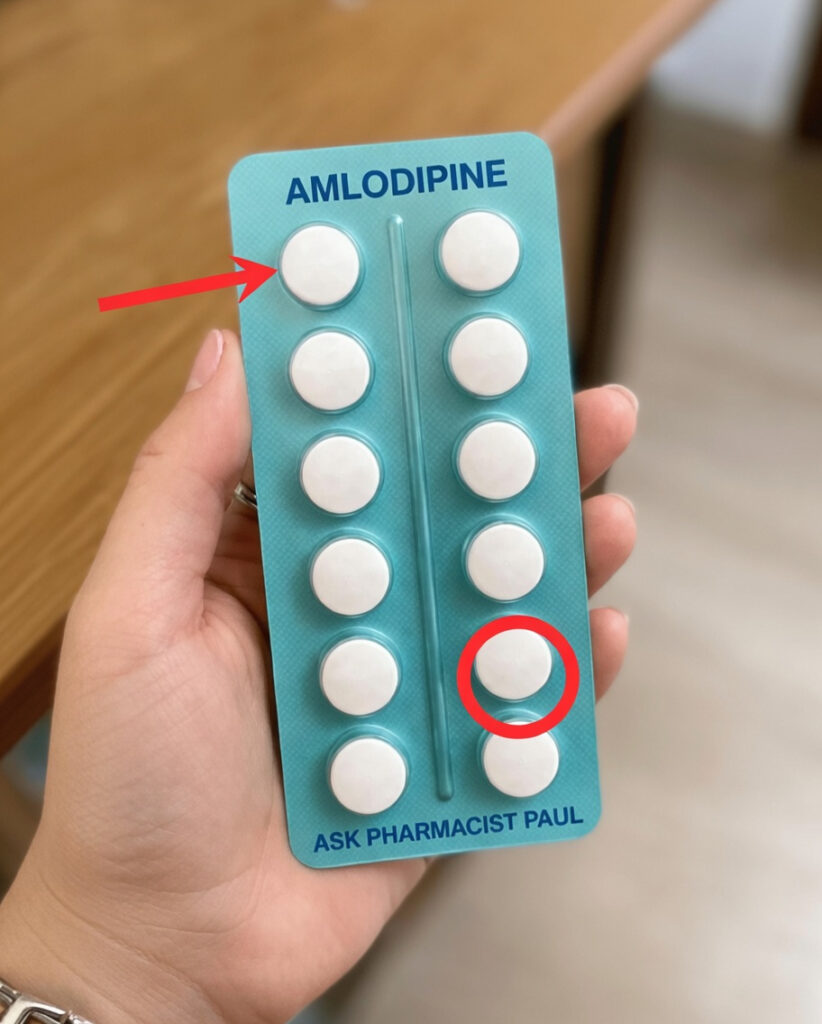
Why Amlodipine May Not Work as Well as You Expect
Taking amlodipine daily should, in theory, help keep blood pressure under control. Yet many people still notice rising readings, ankle swelling, dizziness, or other frustrating side effects. Even when you follow your prescription carefully, results may not match what you and your doctor hoped for.
Often, the problem is not the medication itself. Small everyday behaviors can quietly interfere with how well amlodipine works. The encouraging part is that once these habits are identified, they are usually simple to correct.
Stay with this guide to the end, because the most overlooked habit is also the one that can make the biggest difference.
How Small Daily Choices Can Influence Amlodipine
Amlodipine belongs to a group of medicines called calcium channel blockers. Its job is to relax blood vessels so blood can flow more easily, helping support healthier blood pressure levels. For the medication to perform consistently, your body benefits from regular dosing and supportive lifestyle habits.
Evidence suggests that seemingly minor routines can affect how your body processes the drug, how stable the medication level remains, and how noticeable side effects become. The good news: you do not need a complete lifestyle overhaul. A few targeted changes can go a long way.
8 Everyday Habits That Can Reduce Amlodipine’s Effectiveness
Below are eight common habits that may be making blood pressure control harder than it needs to be.
1. Taking Amlodipine at Different Times Every Day
Amlodipine works best when taken consistently. If you take it in the morning one day, late at night the next, and midday after that, the medication level in your body may become less predictable. That can make blood pressure readings fluctuate more than expected.
What to do instead:
- Choose one regular time each day
- Link it to a routine such as breakfast or brushing your teeth
- Set a daily reminder on your phone
Many people find that a more consistent schedule leads to steadier blood pressure within a couple of weeks.
2. Drinking Grapefruit Juice or Eating Grapefruit
Grapefruit can interfere with how the body handles amlodipine. In some cases, it may raise the drug level in your system, which can increase the risk of side effects such as flushing, dizziness, or feeling faint.
What to do instead:
- Avoid grapefruit and grapefruit juice altogether
- Read labels on mixed fruit juices and smoothies
- Choose alternatives like apples, berries, or oranges
3. Having Alcohol More Frequently Than You Realize
That nightly glass of wine or occasional beer may seem harmless, but alcohol can enhance amlodipine’s blood-pressure-lowering effect. This may make light-headedness or dizziness more noticeable, especially the next morning or when standing up quickly.
What to do instead:
- Reduce alcohol intake to once or twice a week
- Pay attention to whether symptoms improve
- Talk to your healthcare provider if dizziness becomes more frequent
Many people notice fewer side effects soon after cutting back.
4. Eating Too Much Salt From Snacks, Takeout, or Processed Foods
A high-sodium diet can work against the blood-vessel-relaxing benefits of amlodipine. Salty foods such as chips, canned soups, fast food, frozen meals, and restaurant dishes can add up quickly, even when portions seem small.
What to do instead:
- Aim for less than 2,300 mg of sodium per day
- Replace salty snacks with fruit or unsalted nuts
- Use herbs, lemon, garlic, or spices for flavor instead of extra salt
5. Using Ibuprofen or Other NSAIDs Often
Pain relievers such as ibuprofen and some other nonsteroidal anti-inflammatory drugs, or NSAIDs, can make blood pressure harder to control. In some people, they may also place extra strain on the kidneys.
What to do instead:
- Check with your pharmacist before using over-the-counter pain medicine regularly
- Ask whether acetaminophen may be a better option for occasional pain
- Review all nonprescription medicines if your blood pressure has been rising
6. Drinking Too Much Caffeine
Coffee, energy drinks, and caffeinated soft drinks can temporarily tighten blood vessels. While the effect may be short-term, regular high caffeine intake can still work against amlodipine’s relaxing effect over time.
What to do instead:
- Replace one caffeinated drink each day with water or herbal tea
- Monitor your blood pressure for a week
- Notice whether reducing caffeine improves symptoms like palpitations or headaches

7. Starting Herbal Supplements Without Checking First
Some herbal products can interfere with medications, including amlodipine. St. John’s Wort is one example that may speed up the breakdown of the drug, potentially lowering the amount available in your bloodstream.
What to do instead:
- Tell your doctor or pharmacist about every supplement you take
- Do this before starting anything new
- Remember that “natural” does not always mean safe with prescription medicine
8. Ignoring Side Effects Instead of Asking a Pharmacist
This is one of the most common and most damaging habits. Swelling, fatigue, flushing, or dizziness may seem manageable at first, so many people simply tolerate them. Others adjust the dose on their own, which can create even more problems.
Pharmacists are trained to identify side effects, interactions, and adherence issues quickly. A short conversation can often uncover the reason your medication does not seem to be working as well as it should.
What to do instead:
- Speak to your pharmacist as soon as side effects appear
- Bring your medication pack with you if possible
- Clearly describe what you have noticed and when it started
Signs Your Daily Habits May Be Affecting Amlodipine
If several of the following sound familiar, it may be time to review your routine:
- Blood pressure readings are more unstable than usual
- Ankle swelling gets worse by the end of the day
- You feel dizzy when standing up suddenly
- Headaches or facial flushing are becoming more common
- You miss doses because your routine feels inconsistent
If three or more apply to you, the habits listed above are worth examining closely.
A Simple 7-Day Plan to Support Better Results
You can start improving your routine today with a few practical steps:
- Pick one fixed time each day to take amlodipine
- Set a daily phone alarm
- Replace one salty snack with fresh fruit or unsalted nuts
- Avoid all grapefruit products for the next week
- Limit alcohol to none or one drink at most
- Check your medicine cabinet for NSAIDs such as ibuprofen
- Swap one caffeinated beverage for water
- Arrange a quick conversation with your pharmacist
Many people who follow a plan like this for just one week say they feel more in control and notice more stable blood pressure readings.
The Most Overlooked Habit of All
The biggest surprise for many people is that the most powerful change is not about food or drink. It is habit number eight: dismissing side effects and not discussing them with a pharmacist.
That single conversation can reveal drug interactions, timing issues, supplement conflicts, and adherence problems that might otherwise go unnoticed. Even busy medical appointments can miss these details, while pharmacists are often well positioned to spot them quickly.
Final Thoughts
If you are already taking amlodipine every day, you have done an important part of the work. Now it is about removing the hidden obstacles that may be making treatment less effective.
You do not need to change everything at once. Start with one or two habits this week. Small adjustments can give amlodipine a better chance to work with your body, not against it, and that can lead to better blood pressure support over time.
Frequently Asked Questions
Can I drink coffee while taking amlodipine?
Yes, usually in moderation. Many people tolerate one or two cups without problems. Still, if you notice more dizziness or blood pressure fluctuations, reduce your intake and speak with your pharmacist.
Is occasional grapefruit safe with amlodipine?
It is generally best to avoid grapefruit completely while taking amlodipine. Even small amounts can affect how the medication is processed in some individuals.
If I miss a dose, should I take two the next day?
No. If you forget a dose, take it when you remember unless it is almost time for your next one. Do not double the dose unless a healthcare professional specifically tells you to.
Disclaimer
This article is intended for informational purposes only and should not be taken as medical advice. Always speak with your doctor, pharmacist, or other qualified healthcare professional before changing your medication schedule, diet, alcohol intake, or supplements. Individual responses to amlodipine can vary depending on overall health and other medications.