Waking Up Tired? It Could Be a Vitamin B12 Warning Sign
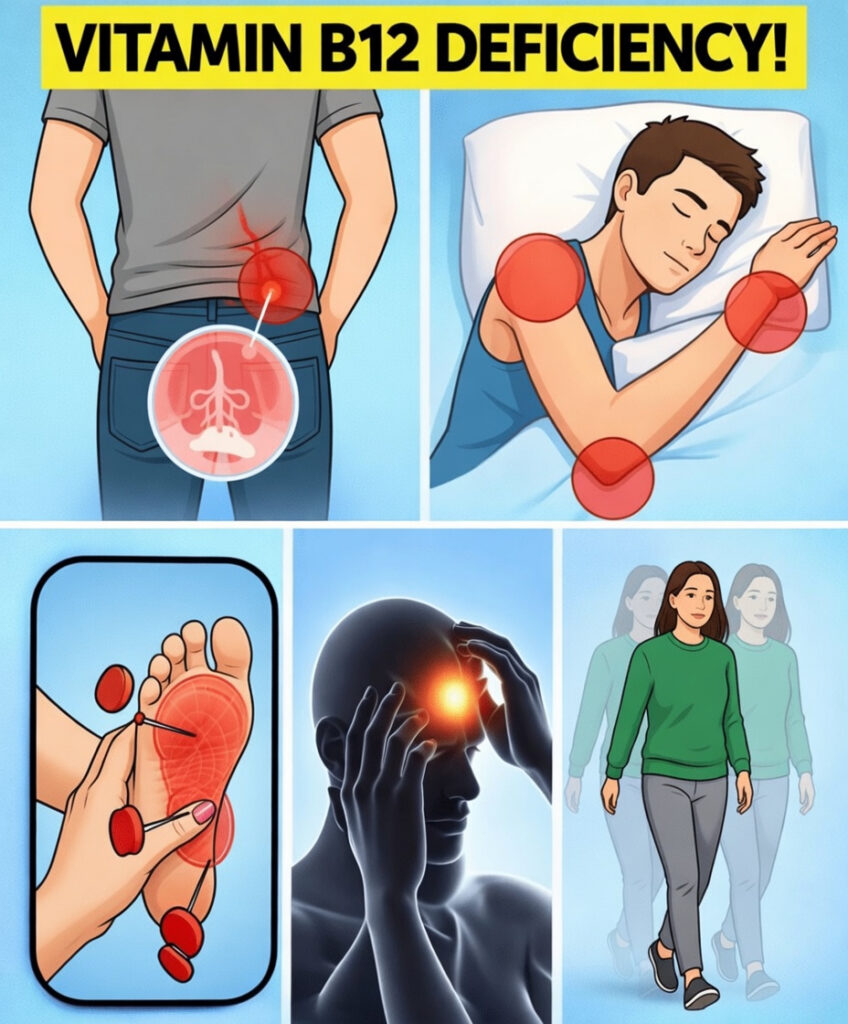
You get a full night of sleep, yet still wake up drained. Your thoughts feel cloudy, and there is a faint tingling in your fingers when you lift your morning coffee. These ongoing symptoms of low vitamin B12 can turn simple daily tasks into a struggle, making life feel harder than it should.
When vitamin B12 levels drop, the body may send unusual signals that many older adults mistake for normal aging. Recognizing these early signs of vitamin B12 deficiency may help protect energy levels, nerve function, and overall well-being as the years go by.
The Overlooked Deficiency Affecting Millions
Vitamin B12 deficiency is more common than many people realize, especially among seniors. As we age, the body often becomes less efficient at absorbing this essential nutrient. Certain medications and digestive changes can make the problem even worse.
Studies suggest that low vitamin B12 can gradually affect both nerves and red blood cells. Because the symptoms often appear slowly, many people brush them off as minor age-related changes. In reality, these signs of low vitamin B12 can interfere with daily life, leaving you tired, mentally sluggish, and unsure why you do not feel like yourself.
A tingling sensation in the hands or feet, or even a sore, smooth tongue, may be your body’s way of asking for more vitamin B12. Ignoring these signs can lead to increasing discomfort, stress, and a lower quality of life.
Why Vitamin B12 Becomes More Important With Age
Getting older changes how the body processes nutrients, and vitamin B12 is no exception. Many seniors cannot absorb enough from food alone, even when they believe they are eating well.
Think of Linda, a lively 70-year-old grandmother who began feeling constantly exhausted and unsteady on her feet. She assumed it was simply part of getting older. But after testing, she learned that low vitamin B12 was behind many of her symptoms.
Vitamin B12 plays a key role in:
- Supporting healthy red blood cell production
- Maintaining proper nerve function
- Helping the body produce energy efficiently
- Supporting mental clarity and cognitive health
When vitamin B12 is too low, fatigue, poor balance, and reduced coordination can begin to disrupt everyday routines. For many older adults, that can mean less confidence, less independence, and more worry about slowing down.
Best Vitamin B12 Sources and How They Compare
A well-planned diet is one of the best ways to support healthy vitamin B12 levels, but not all sources are equal. Some foods provide vitamin B12 in forms the body absorbs more easily, while fortified products and supplements can help fill gaps when needed.
Vitamin B12 Sources at a Glance
| Source Type | Examples | Absorption Potential | Best For | Daily Idea |
|---|---|---|---|---|
| Animal Foods | Salmon, eggs, beef | High | Natural intake | 3 to 4 oz serving |
| Fortified Foods | Breakfast cereals, plant milks | Moderate | Vegans and vegetarians | One breakfast portion |
| Dairy | Yogurt, cheese | Good | Easy daily addition | 1 cup of yogurt |
| Supplements | Tablets, capsules, injections | Varies by form | Deficiency support | Use as directed |
Animal-based foods naturally provide vitamin B12 and are often well absorbed. Fortified foods can be helpful for those following a plant-based lifestyle. If you suspect a vitamin B12 deficiency, speak with your doctor before starting supplements so you can choose the safest and most effective option.
8 Strange Signs of Low Vitamin B12
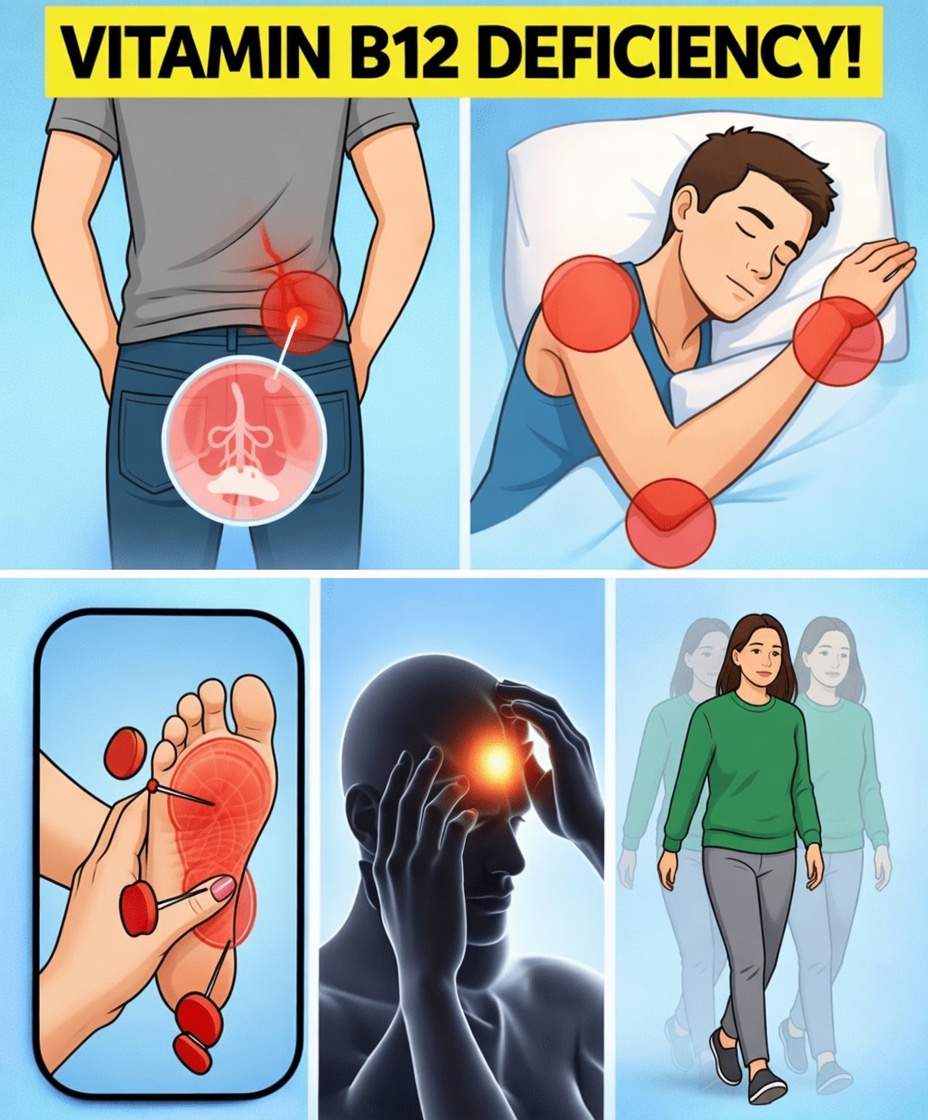
Low vitamin B12 can cause some surprisingly unusual symptoms. Research has linked this nutrient deficiency to a range of problems that may affect energy, nerves, movement, mood, and even vision. Below is a countdown of eight warning signs worth noticing.
8. Blurred Vision or Visual Changes
Sudden blurry vision or disturbances in eyesight can feel frightening. Reading, driving, and even recognizing faces may become more difficult. Some research suggests that low vitamin B12 may affect the optic nerve in certain cases.
This symptom can raise concerns about health and independence, especially when it appears without an obvious cause.
7. Irritability or Mood Swings
If you find yourself feeling more irritable, emotional, or unlike your usual self, vitamin B12 may be part of the picture. This nutrient supports important brain functions, and low levels may contribute to mood changes.
These shifts can put strain on relationships and leave you feeling emotionally exhausted.
6. Poor Balance or an Unsteady Walk
Feeling wobbly while walking or noticing balance problems can be especially stressful for older adults. Low vitamin B12 may affect the nerves involved in coordination and movement.
This can lead to fear of falling, reduced activity, and less confidence during everyday outings.
5. Brain Fog or Memory Problems
Difficulty concentrating, forgetting small things, or feeling mentally slow can be unsettling. Research has linked low vitamin B12 to changes in cognition that may develop gradually.
Brain fog can interfere with conversations, hobbies, and confidence in daily life.
4. Pale or Slightly Yellow Skin
Skin that looks unusually pale or carries a faint yellow tone may be another clue. This can happen when low vitamin B12 contributes to anemia or changes in red blood cell health.
For some people, this affects not only physical well-being but also self-confidence and social comfort.
3. A Red, Smooth, or Painful Tongue
A glossy, red, swollen, or sore tongue is a classic but often overlooked sign of vitamin B12 deficiency. This condition, sometimes called glossitis, can make eating uncomfortable and reduce enjoyment at meals.
When the tongue becomes painful, it can also affect nutrition and mood over time.
2. Ongoing Fatigue
Constant tiredness, even after enough sleep, is one of the most common signs of low vitamin B12. This happens because vitamin B12 helps the body produce energy at the cellular level.
Persistent fatigue can keep you from enjoying time with family, hobbies, and daily routines, creating a frustrating cycle of inactivity and stress.
1. Tingling or Numbness in Hands and Feet
Pins and needles, tingling, or numbness in the extremities is one of the most notable symptoms of vitamin B12 deficiency. It may make buttoning clothes, holding objects, or walking feel awkward and uncomfortable.
Because vitamin B12 is essential for healthy nerve signaling, low levels can reduce dexterity and make simple tasks more difficult.
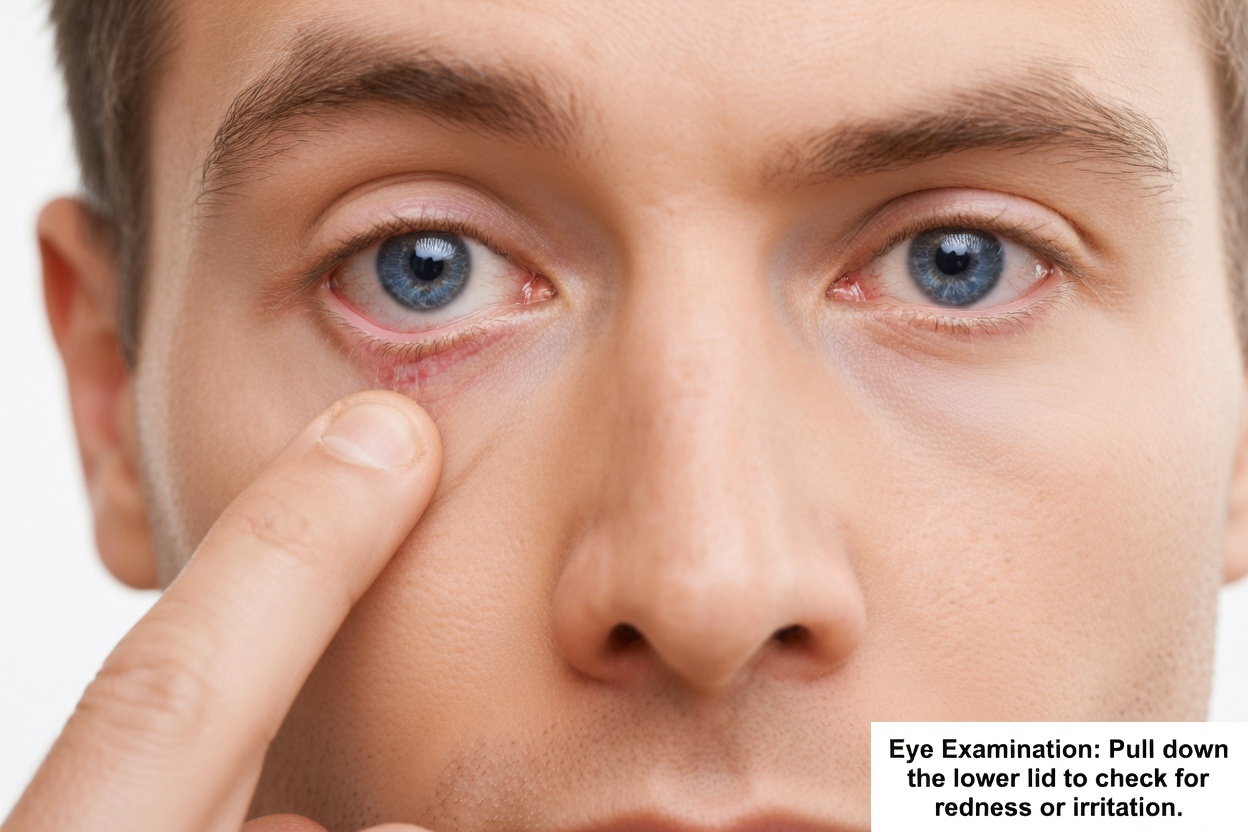
Real-Life Stories From Seniors Who Noticed the Signs
Robert, age 68, spent months dealing with tingling in his feet and constant brain fog. The symptoms became frustrating enough that he began avoiding social events. He assumed it was just aging. But once he looked into his vitamin B12 levels, things started to make sense. After getting proper support, he said he felt clearer and steadier again.
Evelyn, 72, struggled with a sore tongue and never-ending tiredness. Cooking and travel, two things she loved, started to feel like burdens. With guidance from a healthcare professional and a few simple dietary changes, she began noticing meaningful improvements.
These examples show how paying attention to unusual signs of low vitamin B12 can positively affect comfort, mobility, and everyday enjoyment.
It is also important to remember that “normal” blood test results do not always tell the full story. Early or borderline low vitamin B12 levels may still trigger symptoms. That is why discussing your concerns openly with your doctor matters.
Safe Ways to Support Healthy Vitamin B12 Levels
Vitamin B12 deficiency should never be self-diagnosed. The safest approach is to combine symptom awareness with professional medical guidance.
A good starting point is to increase vitamin B12-rich foods in your routine and pay attention to how you feel. Adults over 60, or anyone with ongoing symptoms, may benefit from checking vitamin B12 levels regularly.
Smart Steps to Take
- Eat natural vitamin B12 sources such as eggs, salmon, and lean beef several times per week
- Choose fortified cereals or fortified plant milks if you follow a vegetarian or vegan diet
- Include folate-rich vegetables like leafy greens for broader nutritional support
- Keep a simple record of symptoms while waiting for medical evaluation
In more serious cases, or when absorption is poor, a doctor may recommend supplements or vitamin B12 injections. The right treatment depends on your individual health needs and the reason your levels are low.

Daily Habits That May Help Support Vitamin B12
Supporting vitamin B12 levels does not have to be complicated. A few practical habits can make it easier to stay proactive and reduce worry about unusual symptoms.
Helpful Everyday Tips
- Read food labels to look for added vitamin B12 in fortified products
- Ask your healthcare provider about forms of vitamin B12 that may be easier for your body to absorb
- Avoid taking very high doses without medical advice
- Monitor changes in energy, mood, balance, and sensation while seeking professional guidance
Final Thoughts
Low vitamin B12 can show up in surprising ways, from blurred vision and mood changes to numbness, fatigue, and a sore tongue. Because these symptoms are often mistaken for ordinary aging, many seniors live with unnecessary discomfort for far too long.
Recognizing the strange signs of vitamin B12 deficiency early may help protect your energy, nerve health, and independence. If any of these symptoms sound familiar, speaking with your doctor is the best next step.