Waking Up Exhausted? Your Body May Be Asking for More Vitamin B12
Dragging yourself out of bed after a full night’s sleep, only to feel wiped out all day, can be incredibly discouraging. The mental fog that follows makes simple chores feel overwhelming. Add in that faint numbness or tingling in your fingertips as you hold your morning coffee, and you may start wondering why your body feels so out of balance when you are trying to stay active and healthy.
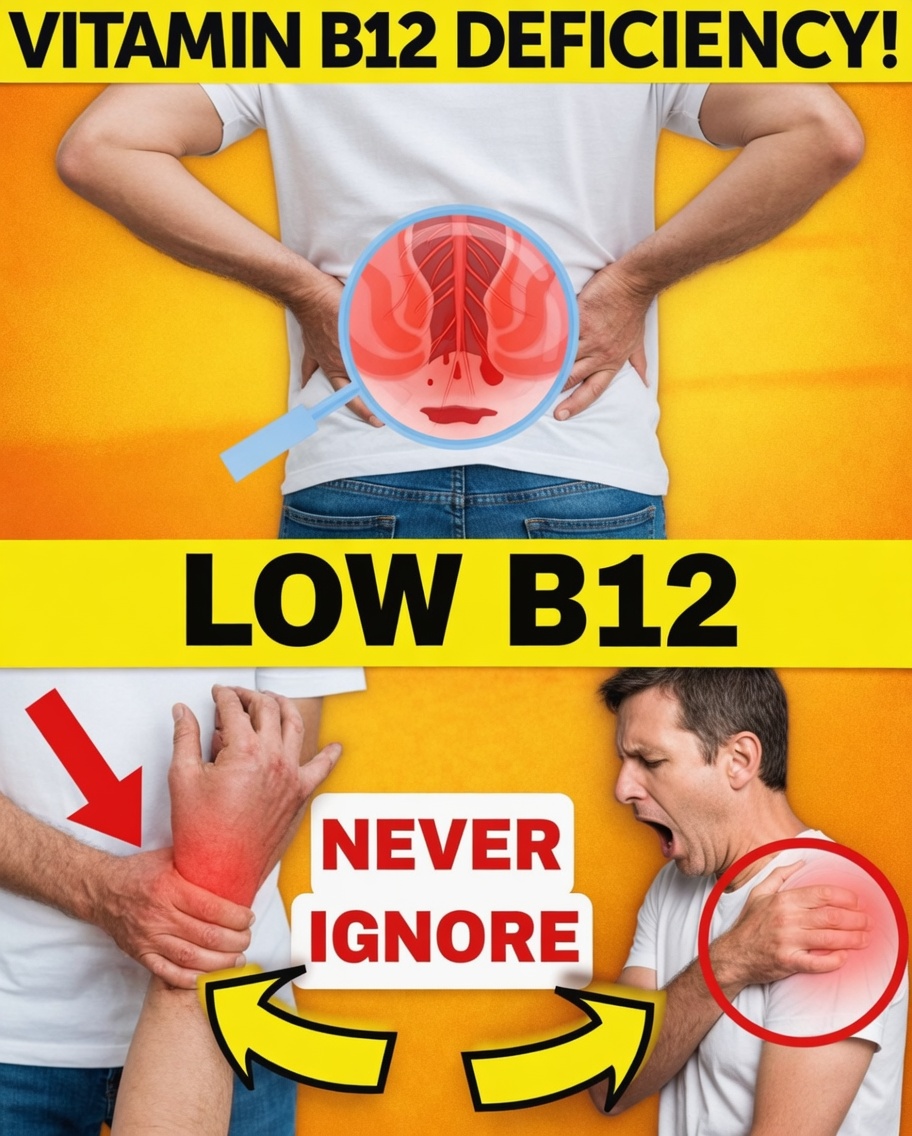
Those subtle, irritating sensations can sometimes be your body’s way of signaling a lack of vitamin B12, an essential nutrient that is easy to overlook—especially with advancing age. Some of the most unusual signs of low vitamin B12 levels are also the most surprising, and recognizing them early may help you support your energy, brain, and nerve health more effectively than you ever expected.
The Hidden Vitamin B12 Deficiency Affecting Millions
Many older adults live with unexplained “pins and needles” in their hands or feet that interfere with walking, gripping objects, or simply feeling steady on their feet. Others notice that their tongue feels unusually smooth, red, or sore, which can make enjoying meals far more difficult.
Research shows that vitamin B12 deficiency can quietly damage nerves and affect red blood cells in ways that are easy to miss. These subtle symptoms often develop slowly over time, gradually adding discomfort and reducing quality of life if they are not addressed.
And that is only the beginning of the story with vitamin B12.
Why Vitamin B12 Matters Even More as You Age
Picture Linda, a 70‑year‑old grandmother who loves gardening and playing with her grandkids. She started feeling constantly tired and noticed she was walking less steadily, but she assumed it was simply “getting old.” In reality, these issues can sometimes be linked to inadequate vitamin B12 levels.
Vitamin B12 plays a crucial role in helping your body produce healthy red blood cells and maintain proper nerve function. As we age, our ability to absorb vitamin B12 often declines due to changes in stomach acid, digestive function, or the use of certain medications such as acid‑reducing drugs or metformin.
When absorption drops, even a diet that once supplied enough vitamin B12 may no longer meet your needs, and unusual symptoms can begin to appear.

Comparing Vitamin B12 Sources for Better Absorption
Vitamin B12 occurs naturally in animal‑based foods and is added to some fortified products. Different sources may suit different lifestyles and absorption needs.
Here is a simple comparison:
| Source Type | Examples | Absorption Potential | Best For | Easy Daily Idea |
|---|---|---|---|---|
| Animal foods | Salmon, eggs, beef | High | General use, omnivores | 3–4 oz of fish or lean meat |
| Fortified foods | Breakfast cereals, plant milks | Moderate | Vegans and vegetarians | A serving at breakfast |
| Dairy products | Yogurt, cheese | Good | Easy, convenient additions | 1 cup of yogurt or a few slices of cheese |
| Supplements | Oral tablets, sprays, injections | Varies by form | Confirmed deficiency or poor absorption | As prescribed by a healthcare provider |
Studies suggest that combining these sources can help maintain healthy vitamin B12 levels, particularly for older adults who may not absorb the nutrient efficiently from food alone. Choosing the right mix of vitamin B12 sources can make a noticeable difference in your daily energy, clarity, and comfort.
8 Unusual Signs Research Links to Low Vitamin B12
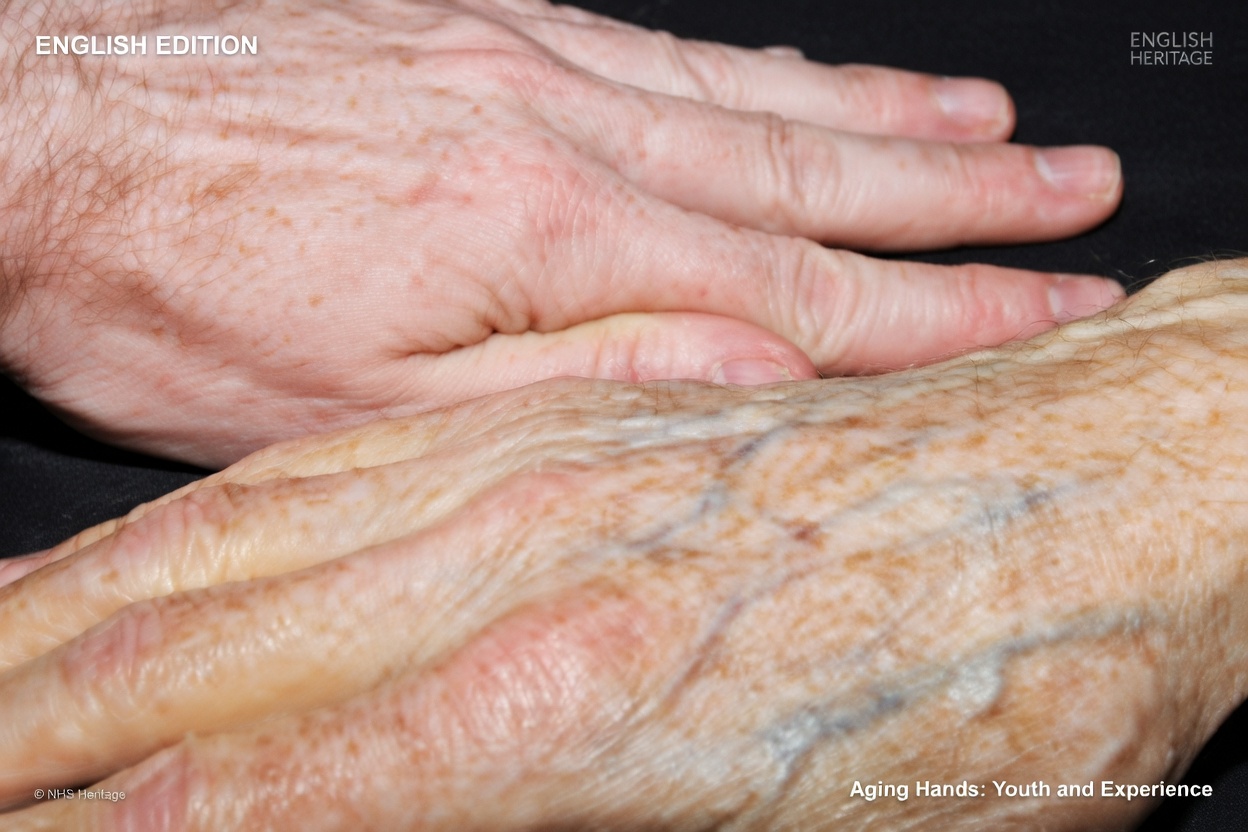
When vitamin B12 levels drop, your body often sends signals that are easy to misinterpret. Below is a countdown of lesser‑known symptoms that research has associated with low or borderline vitamin B12 levels.
8. Blurred or Disturbed Vision
Sudden episodes of blurred, fuzzy, or disturbed vision can feel alarming and may make reading, driving, or watching television more difficult. Some studies suggest that vitamin B12 deficiency can affect the optic nerve, which transmits visual information from the eye to the brain. When this pathway is disrupted, it can influence how clearly you see—and significantly affect your independence.
7. Mood Changes, Including Irritability
Feeling unusually short‑tempered, moody, or emotionally fragile without a clear reason can strain relationships and leave you feeling unlike yourself. Vitamin B12 is involved in the production of brain chemicals (neurotransmitters) that help regulate mood. When vitamin B12 is low, these mood‑related changes may appear alongside physical symptoms like fatigue, compounding everyday stress.
6. Unsteady Walking or Balance Problems
If your gait feels wobbly or you notice you are more unsteady on stairs or uneven ground, you may naturally become more afraid of falling. Vitamin B12 deficiency can damage the nerves that help coordinate movement and balance. Over time, this can reduce your confidence when walking, limit how much you go out, and make previously simple activities feel risky.
5. Brain Fog and Memory Lapses
Difficulty concentrating, losing your train of thought, or forgetting details you used to recall easily can be particularly frustrating. Research has linked low vitamin B12 levels with changes in cognitive function, including memory and mental clarity. This “brain fog” can interfere with conversations, decision‑making, and tasks that once felt effortless, reducing your sense of independence.
4. Pale or Slightly Yellow (Jaundiced) Skin
Noticing that your skin looks unusually pale, or has a faint yellowish tint, can be both surprising and concerning. Vitamin B12 deficiency can contribute to a form of anemia that affects the color of your skin, and in some cases may cause a mild jaundiced appearance. These visible changes often appear along with deep tiredness, making you look and feel drained.
3. Glossy, Red, or Sore Tongue
A swollen, smooth, bright red, or painful tongue can make eating and speaking uncomfortable. This condition, known as glossitis, is a classic sign associated with vitamin B12 deficiency. When your tongue is sore, even a favorite meal can become a chore, and you may find yourself avoiding certain foods due to discomfort.
2. Persistent Fatigue That Rest Doesn’t Fix
Feeling completely worn out despite getting adequate sleep is one of the most common and draining issues linked to low vitamin B12 levels. Vitamin B12 helps your body create red blood cells and supports energy production in your cells. When levels are low, your tissues may receive less oxygen, leaving you feeling exhausted and less able to enjoy hobbies, social activities, or time with loved ones.
1. Tingling or Numbness in Hands and Feet
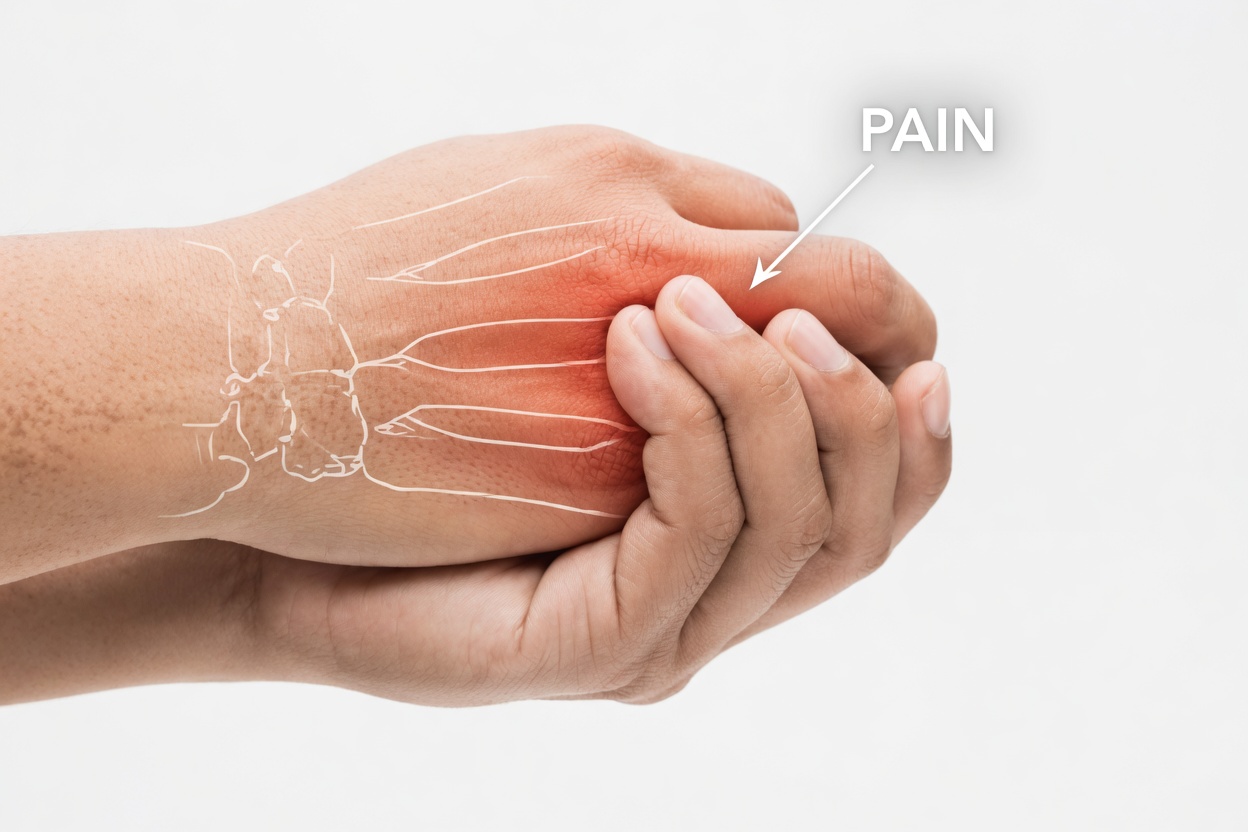
The most distinctive and often most puzzling sign for many people is tingling, “pins and needles,” burning, or numbness in the hands, feet, or lower legs. These sensations can disrupt sleep, make buttoning clothes or holding objects difficult, and interfere with walking. Because vitamin B12 is crucial for maintaining the protective coating around nerves, a prolonged shortage may lead to ongoing nerve discomfort if not addressed.
Real Stories From Older Adults Who Noticed Changes
Robert, 68, lived with tingling in his feet and a foggy mind for months. “I kept telling myself it was just aging and stress,” he said. “I ignored the signs of low vitamin B12 for too long.” Once his doctor checked his levels and he received appropriate support, he noticed clearer thinking and steadier steps.
Evelyn, 72, struggled with a sore, red tongue and relentless tiredness that made daily chores feel overwhelming. After she and her healthcare provider adjusted her diet to include more vitamin B12‑rich foods—and considered additional support—she began to feel more like herself again.
It is important to note that some people experience symptoms even when standard blood tests show “normal” or borderline vitamin B12 levels. Research suggests that early or marginal deficiencies can still have noticeable effects, which is why professional evaluation and follow‑up are so important.
Safe Steps to Support Healthy Vitamin B12 Levels
Self‑diagnosing a vitamin B12 deficiency is not recommended. Always talk with your doctor or healthcare provider for personalized advice, testing, and treatment options. However, you can take practical steps to support healthy vitamin B12 intake in your daily life.
Consider these simple strategies:
- Include eggs, fish (such as salmon), or lean meat several times per week for natural vitamin B12.
- If you are vegan or vegetarian, make fortified foods (like certain breakfast cereals and plant milks) a regular part of your diet, and discuss vitamin B12 supplements with a professional.
- Read labels carefully to find products that specifically list added vitamin B12.
- Pair your meals with folate‑rich leafy greens (such as spinach or kale) to support overall nutrient balance and red blood cell health.
- Keep a gentle record of ongoing symptoms—such as fatigue, tingling, or tongue changes—and discuss them at medical appointments.
Research underscores the value of maintaining adequate vitamin B12 levels safely. In more serious deficiency cases, your doctor may recommend specific supplement forms, higher doses, or vitamin B12 injections to bypass absorption issues.
If you are over 60—or at any age if symptoms persist—ask your healthcare provider whether you should have your vitamin B12 status checked regularly, as age‑related absorption problems are common.
Listen to Your Body and Support Vitamin B12 Today
Ignoring strange signals from your body can lead to ongoing discomfort and reduced vitality. Paying attention to potential signs of low vitamin B12—and taking action with professional guidance—may help you regain clearer thinking, steadier balance, and more consistent energy.
You deserve to feel as vibrant as possible at every stage of life. A straightforward conversation with your doctor about vitamin B12 could provide valuable insight into symptoms you may have brushed off as “just getting older.”
And one final tip: clams are an often‑overlooked powerhouse of vitamin B12. Enjoyed occasionally, they can deliver a substantial nutritional boost.
FAQ About Vitamin B12
-
What causes low vitamin B12 levels in seniors?
As people age, changes in stomach acid, digestive health, and the use of certain medications can reduce the body’s ability to absorb vitamin B12 from food. Dietary changes—such as eating less meat or animal products—can also contribute to lower levels. -
How do I know if I might need more vitamin B12?
Symptoms like ongoing fatigue, tingling or numbness in the extremities, balance issues, mood changes, or a sore tongue may be reasons to ask your doctor about checking your vitamin B12 levels. A blood test is the most reliable way to evaluate your vitamin B12 status. -
Can I get enough vitamin B12 from diet alone?
Many people can meet their needs through a combination of animal foods and fortified products. However, older adults, people with digestive disorders, vegans, and those taking certain medications may have trouble absorbing enough vitamin B12 from food alone and might benefit from supplements, as advised by a healthcare professional.
This article is for informational purposes only and is not a substitute for professional medical advice, diagnosis, or treatment. Always consult your healthcare provider with any questions about your health or before making changes to your diet or supplement routine.