When Your Body Feels “Off,” Vitamin B12 Could Be Part of the Reason
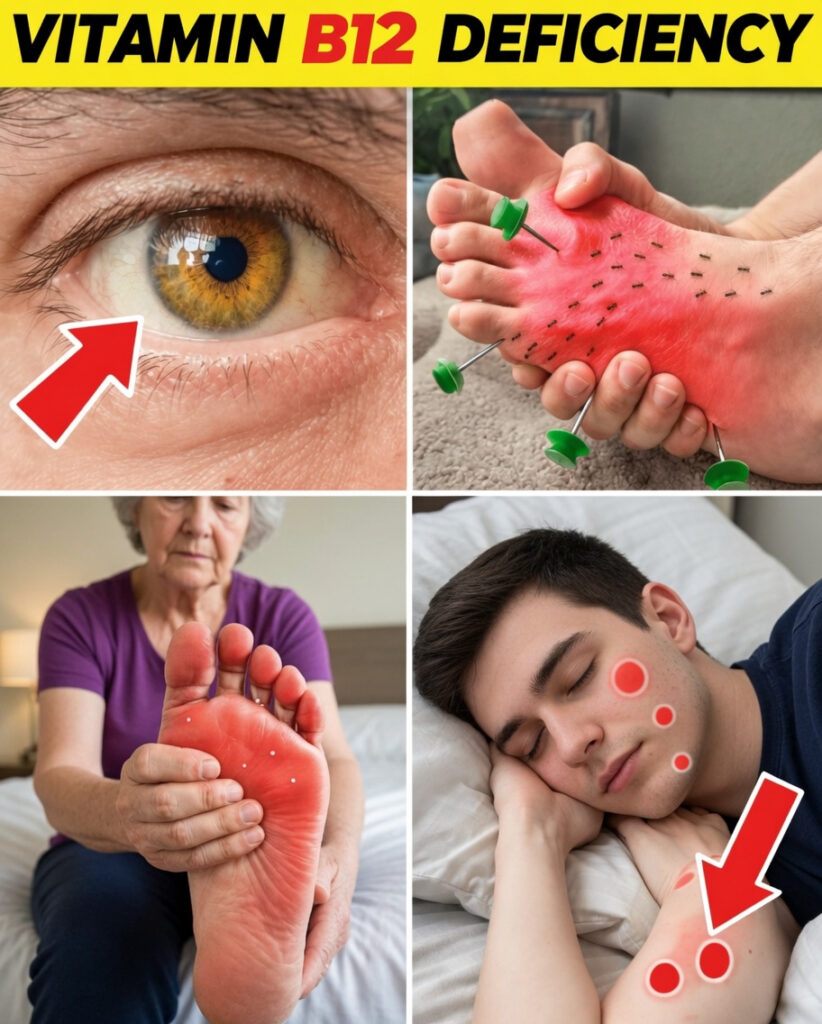
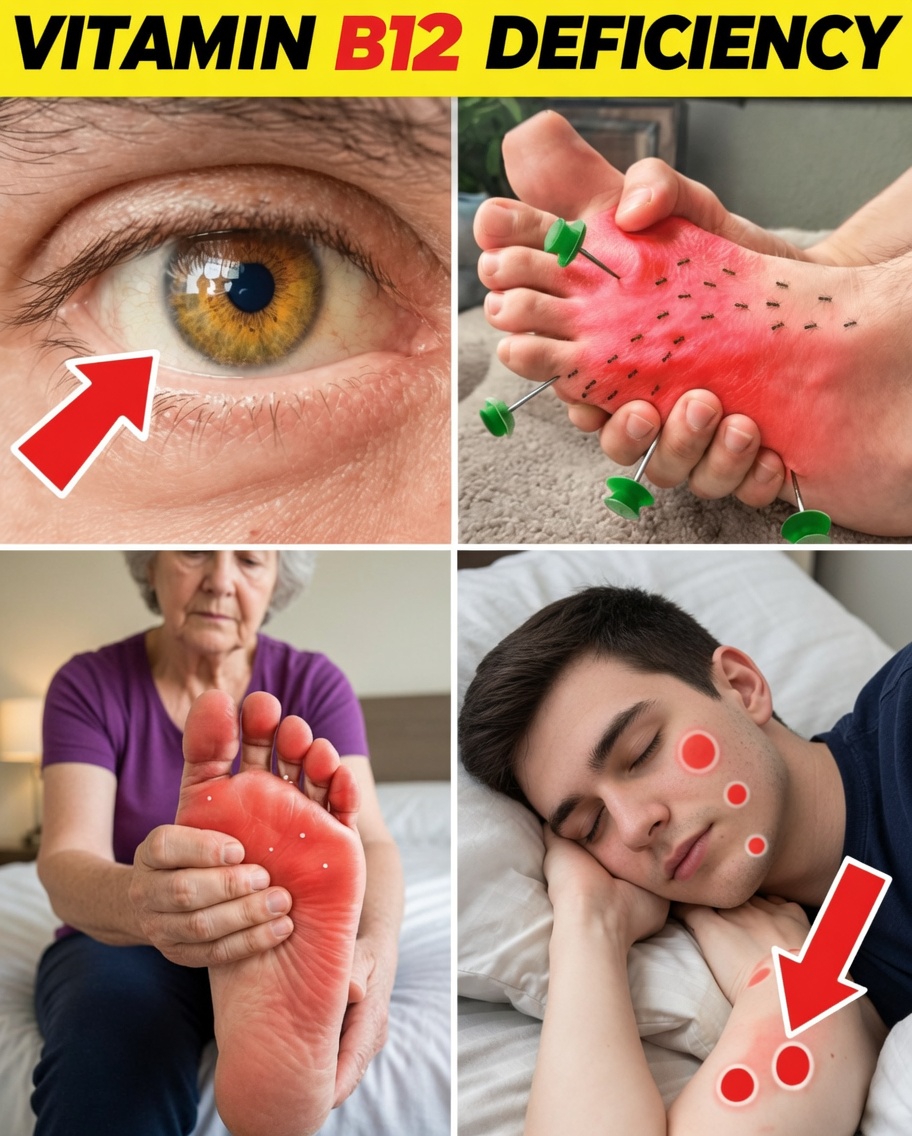
Sometimes your body sends signals that are easy to ignore. You may feel drained even after enough sleep, notice strange tingling in your hands or feet, or struggle with focus during routine tasks. At first, these symptoms are often dismissed as stress, a busy lifestyle, or simply getting older. But when they start interfering with work, mood, and everyday movement, they may point to something more specific: low vitamin B12.
The encouraging part is that recognizing these early warning signs can help you take action before they become more disruptive. Even better, one simple daily habit many people overlook may help support healthy B12 levels naturally.
What Is Vitamin B12 and Why Is It Important?
Vitamin B12 is essential for several major functions in the body. It helps maintain healthy nerves, supports red blood cell production, and plays a role in steady energy levels. Because your body cannot produce B12 on its own, you must get it through food or other sources.
When B12 levels fall too low, the effects can show up in both physical and mental ways. According to information from trusted medical sources such as the Cleveland Clinic, vitamin B12 helps protect nerves by supporting the myelin sheath and also helps your blood carry oxygen efficiently throughout the body.
Low B12 is more common than many adults realize, especially in people over 50 and in those with certain dietary habits. Because symptoms can develop gradually, it is easy to miss the early clues.
8 Unusual Signs You May Need More Vitamin B12
Many symptoms of low B12 resemble common everyday complaints, which is why they are often overlooked. Below are eight signs frequently highlighted by respected sources including WebMD, the NHS, and Healthline.
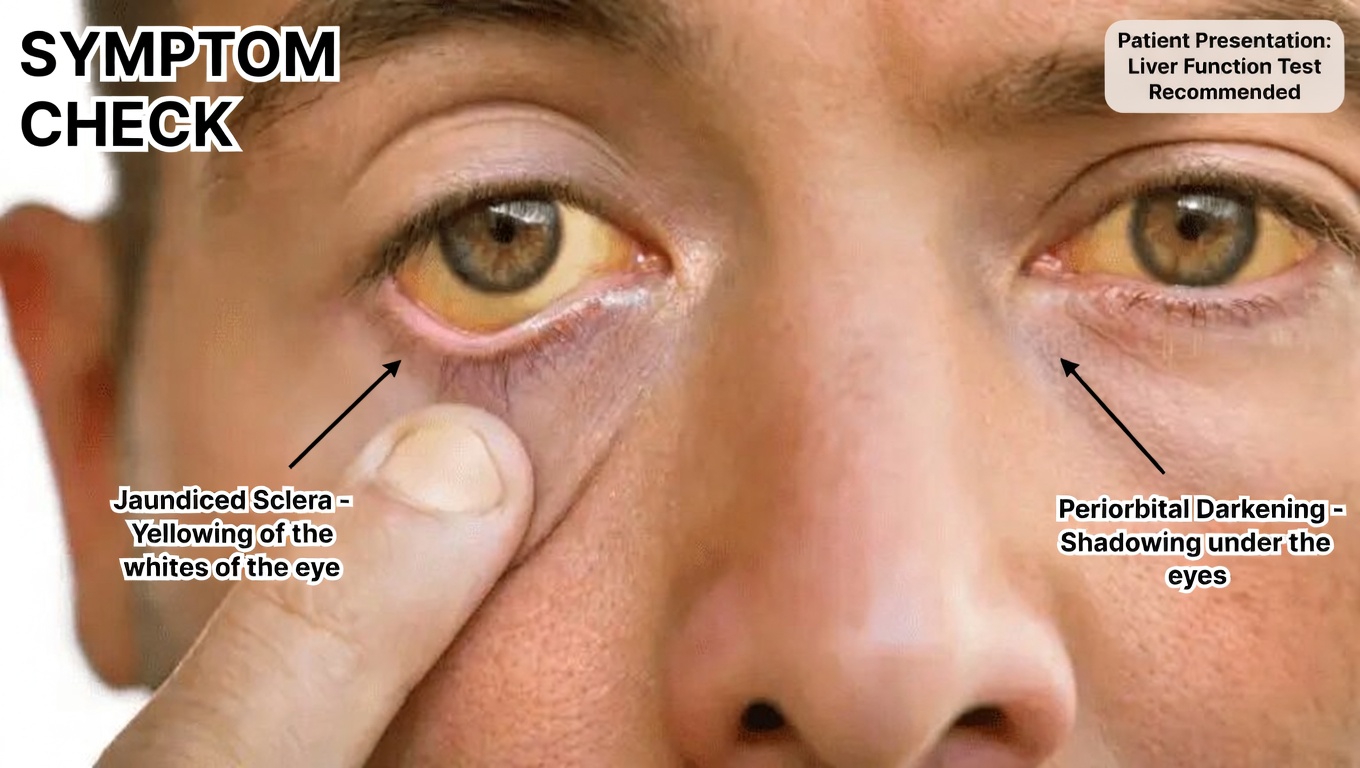
1. A Yellowish Cast in the Eyes or Skin
A slight yellow tone in the whites of your eyes or on your skin can sometimes be linked to low vitamin B12. This may happen when red blood cells break down too quickly, releasing bilirubin into the body.
It is not necessarily the same as severe jaundice associated with liver disease, but it can be an early sign that your body is struggling to maintain healthy blood cell production. Because the change may appear slowly, many people do not notice it right away.
2. Tingling in the Hands or Feet
That “pins and needles” sensation in your fingers, toes, or feet is not always caused by sitting awkwardly. Vitamin B12 is important for proper nerve function, and when levels are low, nerve signaling may become disrupted.
Experts note that inadequate B12 can affect the protective nerve covering, known as myelin. As that protection weakens, unusual tingling or prickling sensations may begin to appear.
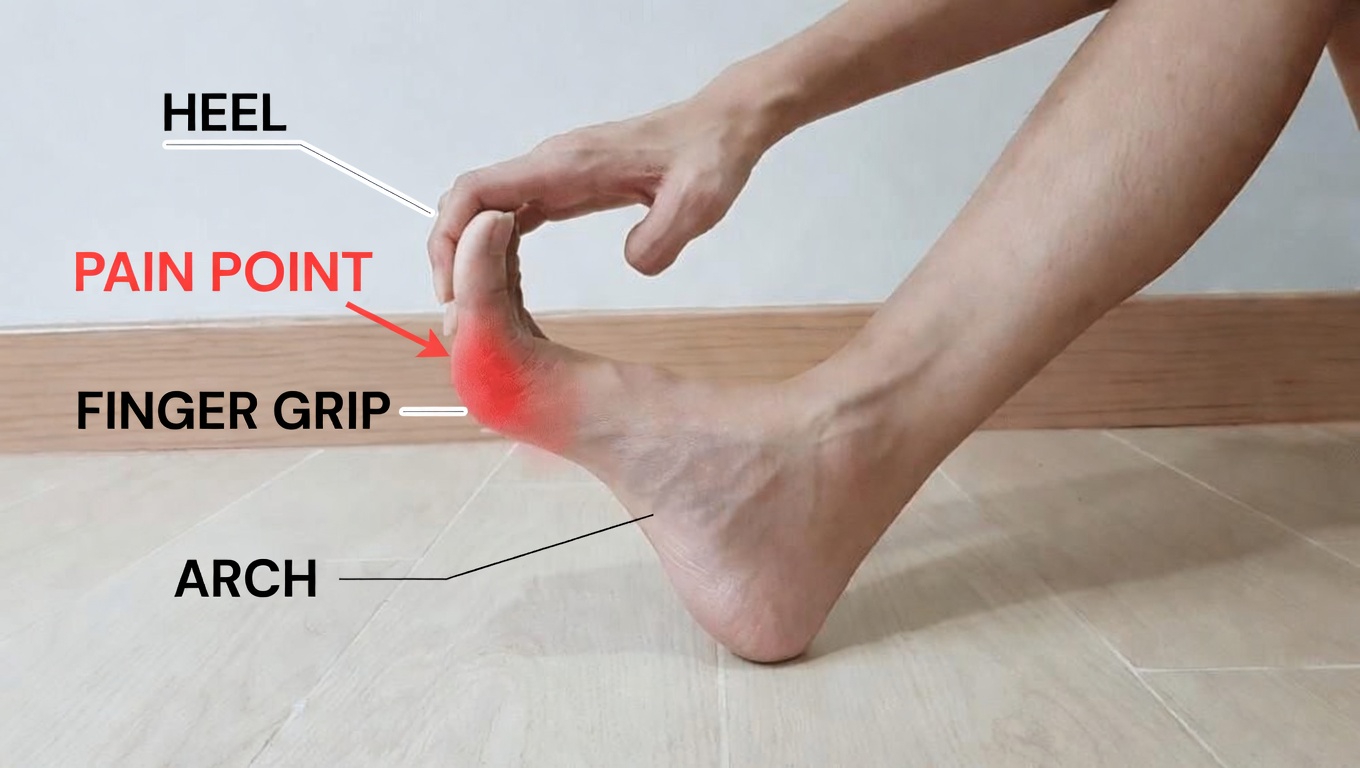
3. Burning or Sore Feet
Some people with low B12 describe their feet as hot, tender, or strangely painful even without much activity. Others notice a burning feeling that makes walking uncomfortable.
This symptom is also connected to changes in nerve health. If your feet regularly ache or burn without a clear explanation, it may be worth considering whether nutrient levels are playing a role.
4. Ongoing Fatigue That Sleep Does Not Improve
Persistent exhaustion is one of the most common signs of low vitamin B12. You may sleep through the night and still wake up tired, or feel worn out after simple daily tasks.
This can happen because low B12 may interfere with the production of healthy red blood cells, making it harder for oxygen to move efficiently through the body. As a result, you may feel physically and mentally depleted even when you are getting enough rest.
5. A Red, Smooth, or Painful Tongue
Vitamin B12 deficiency can sometimes affect the tongue. It may appear unusually red, feel sore, become swollen, or lose its normal texture and look smoother than usual.
This condition, often called glossitis, can make eating and speaking uncomfortable. Although it does not get as much attention as fatigue or tingling, it is a well-documented symptom in medical references.
6. Brain Fog and Difficulty Concentrating
If you find yourself forgetting small things more often, losing track of conversations, or struggling to stay mentally sharp, low B12 could be contributing.
Vitamin B12 supports healthy brain function, and lower levels have been associated with cognitive changes such as poor concentration and mental fog. This is more than ordinary distraction for many people—it can feel like a real drop in clarity.
7. Mood Changes, Irritability, or Low Motivation
A shift in mood without an obvious cause may also be connected to low vitamin B12. Some people report feeling more irritable, emotionally flat, or unusually low in motivation.
Because B12 plays a role in brain chemistry, reduced levels may influence how you feel emotionally. Of course, mood changes can have many causes, but B12 is one possible factor worth considering.
8. Dizziness or Trouble With Balance
Feeling unsteady, stumbling more often, or experiencing occasional dizziness can also be a sign. Balance depends in part on healthy nerve communication, and B12 supports that system.
When nerve function is affected, coordination may feel slightly “off,” making things like walking across a room or climbing stairs seem more difficult than usual.
Symptoms People Often Misread
These signs are easy to mistake for unrelated issues. Here is how they are commonly misunderstood:
- Tingling or burning feet → often blamed on shoes, exercise, or posture, but may reflect nerve-related nutrient needs
- Yellowish eyes or skin → sometimes dismissed as tiredness, though it can relate to red blood cell breakdown
- Brain fog → frequently attributed to stress, even though nutrient deficiencies may contribute
- Persistent fatigue → often assumed to be from poor sleep, despite continuing even after rest
Why These Signs Should Not Be Ignored
Research from organizations such as the National Institutes of Health shows that vitamin B12 is deeply involved in nerve health and red blood cell formation. When levels drop, the body may send warning signs long before the issue becomes severe.
The good news is that many people begin to feel better when they consistently support their B12 intake. Improvements may not happen overnight, but steady changes in diet and daily habits can make a noticeable difference over time.
Simple Ways to Support Healthy Vitamin B12 Levels
You do not need an extreme routine to improve your B12 intake. These practical habits can help:
- Eat B12-rich foods such as eggs, salmon, beef liver, and fortified cereals several times per week
- If you follow a vegan or plant-based diet, choose fortified plant milks or nutritional yeast, and consider discussing supplements with a healthcare professional
- Notice how your body responds after adding more B12-containing foods, especially changes in energy, focus, or tingling
- Try not to skip meals regularly, including breakfast, since consistency may help support nutrient intake
- Schedule a routine health check each year, especially if you are over 50 or have digestive issues that could affect absorption
These are small, realistic steps that can fit into a busy lifestyle and still offer meaningful support.
Who Is More Likely to Have Low Vitamin B12?
Some groups are more likely to develop low B12 levels and may need to be especially mindful:
- Adults over age 50, since stomach acid tends to decline with age
- People following vegan or strict vegetarian diets
- Those with digestive disorders that interfere with nutrient absorption
- Individuals who use heartburn medications for a long period
Understanding your personal risk can help you stay proactive and avoid bigger problems later.
Final Thoughts: Pay Attention to the Signals
These eight unusual symptoms may be your body’s way of asking for more vitamin B12 support. Whether it is a yellowish tint in the eyes, tingling in the feet, lingering fatigue, or brain fog, they can all connect back to this important nutrient.
Catching the signs early and making simple, consistent changes may help you feel more energized, focused, and steady in everyday life. The key is to listen to your body now instead of waiting for symptoms to become harder to ignore.
FAQ
Can I get enough vitamin B12 from food alone?
Yes, many people can meet their B12 needs through a balanced diet that includes animal products or fortified foods. However, people on plant-based diets may need fortified foods more deliberately or may want to speak with a healthcare provider about supplements.
Who is most likely to develop low vitamin B12?
Older adults, vegans, strict vegetarians, people with digestive absorption issues, and those taking long-term heartburn medication are among the groups at higher risk.
How quickly can low B12 symptoms appear?
Symptoms often develop slowly over time rather than all at once. That is one reason B12 deficiency can go unnoticed in the early stages.
Can fatigue from low B12 feel severe?
Yes. Many people describe it as deep tiredness that does not improve much with sleep or rest, especially when red blood cell production is affected.
Should I ignore mild tingling if it comes and goes?
No. Even occasional tingling in the hands or feet can be worth paying attention to, especially if it keeps happening or is paired with fatigue, brain fog, or balance issues.