Dragging yourself out of bed every morning can feel impossible when exhaustion never seems to go away. Maybe your back hurts, your hips feel stiff, and even basic daily tasks seem harder than they should. When your body feels off without a clear reason, it is natural to start searching for answers.
One commonly overlooked factor may be low vitamin D. This issue affects millions of people, and the symptoms are not always obvious. The encouraging part is that recognizing the early warning signs can help you make simple lifestyle changes that support better health. And yes, one everyday habit may play a bigger role than you think.
What Vitamin D Does in the Body
Vitamin D is widely known as the sunshine vitamin because your skin produces it after exposure to sunlight. It plays an essential role in:
- Bone strength
- Muscle performance
- Immune defense
- Nerve support
When vitamin D levels fall too low, the body can begin sending subtle signals. These signs are easy to miss because they often resemble stress, aging, or other everyday health complaints. Studies suggest that vitamin D deficiency is more widespread than many people realize, especially during darker seasons or among people who spend little time outside.
8 Unusual Signs of Low Vitamin D
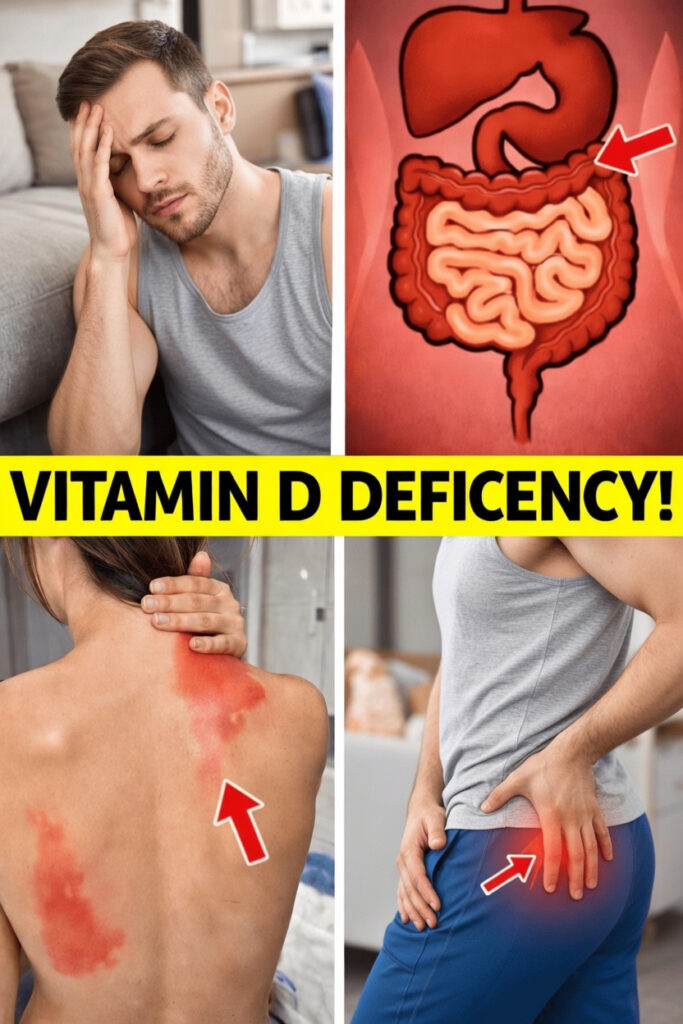
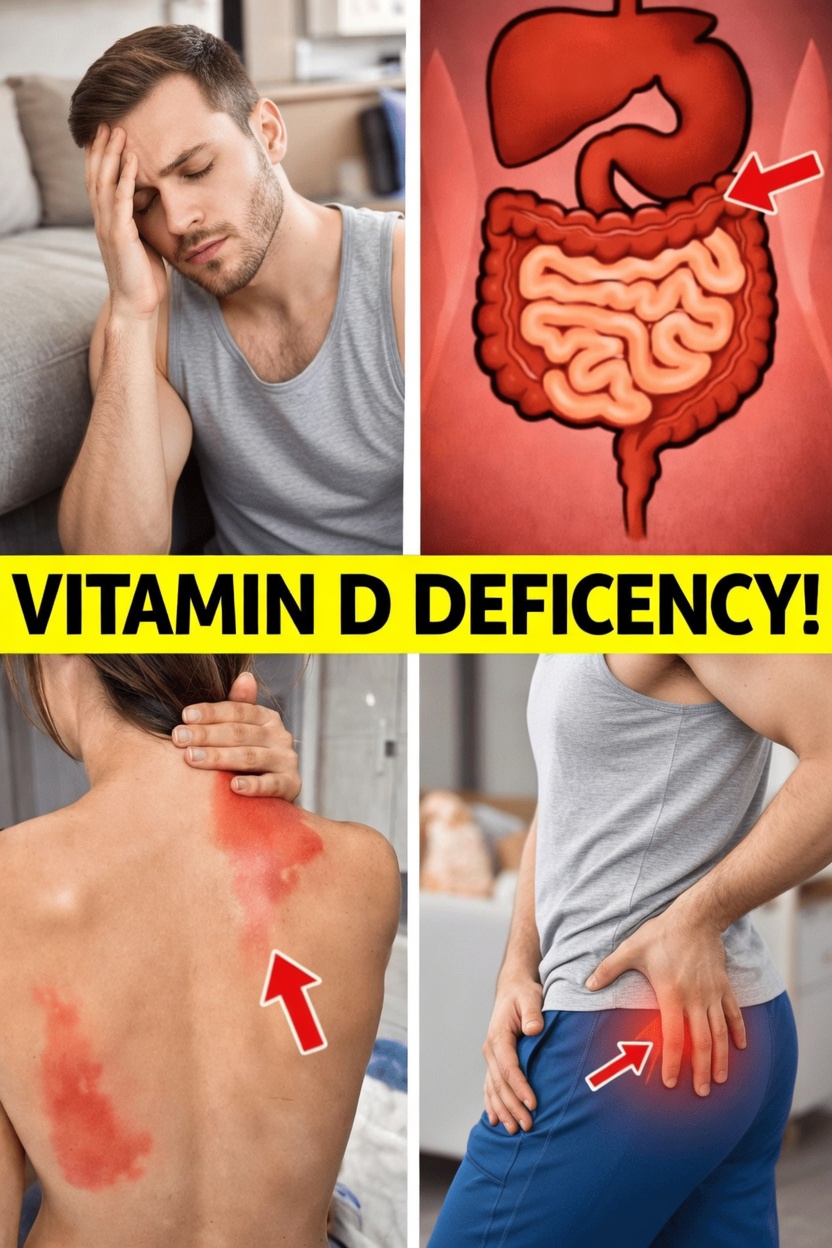
Some warning signs of vitamin D deficiency are well known, but others are less expected. Below are eight symptoms that may be worth paying attention to. While research has linked low vitamin D to these issues, symptoms can vary from person to person.
1. Ongoing Fatigue That Rest Does Not Relieve
If you wake up tired, stay tired, and never seem to recharge, low vitamin D may be part of the picture. This type of fatigue often feels deeper than ordinary sleepiness and can affect concentration, motivation, and mood.
Vitamin D is involved in cellular processes related to energy. When levels are too low, your body may feel run down even if you are getting enough sleep. Many people assume this exhaustion is just due to stress or getting older, but it can persist until the underlying cause is addressed.
2. Recurring Headaches Without a Clear Cause
Frequent headaches that come and go for no obvious reason can be frustrating. Some people notice them after spending long hours indoors or later in the day.
Although headaches are not exclusive to vitamin D deficiency, experts note that vitamin D contributes to healthy nerve and muscle function. That may help explain why low levels are sometimes associated with persistent head discomfort. Because headaches have many possible causes, this clue is often missed.
3. Back Pain or Bone Aches That Gradually Get Worse
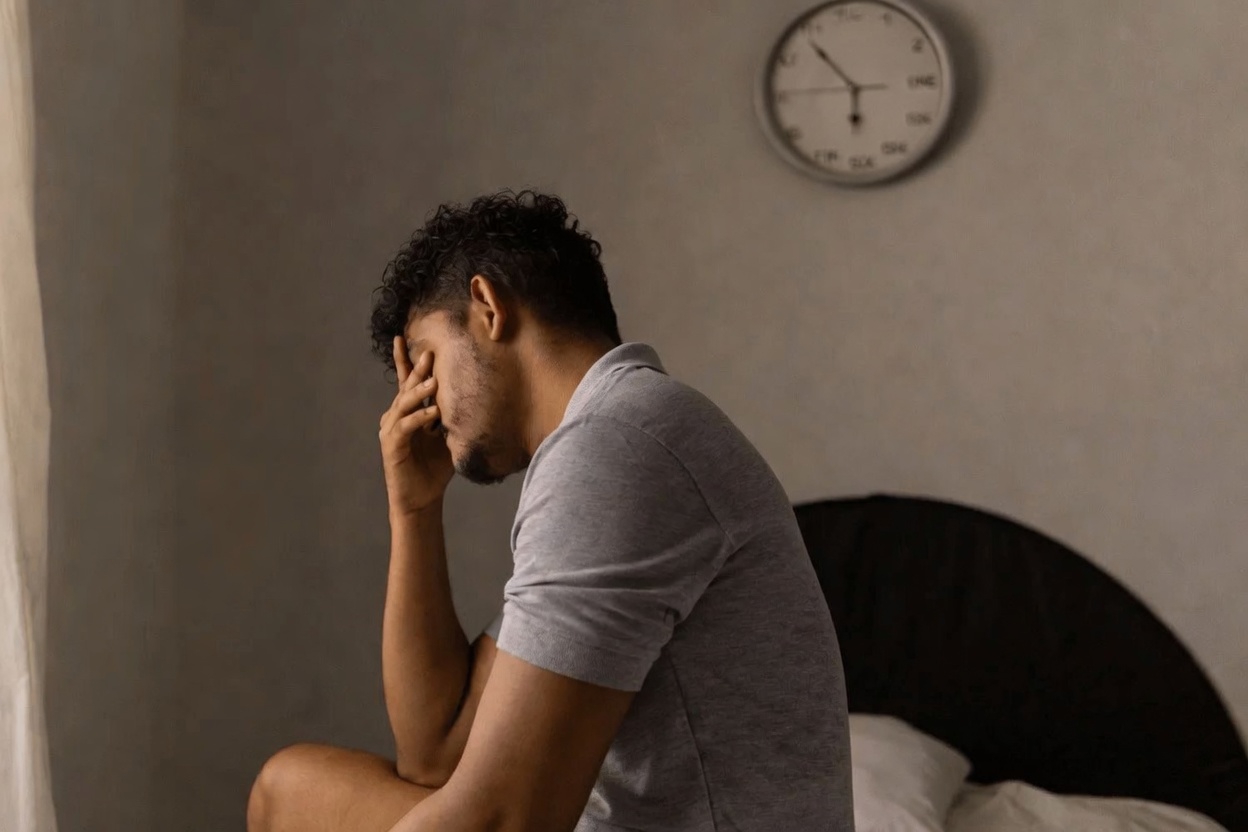
If your lower back or bones hurt despite no injury or heavy activity, it may be worth taking seriously. This discomfort can feel deep, dull, and constant rather than sharp or sudden.
Low vitamin D has been linked to reduced bone support and changes in calcium absorption. It may also affect the muscles that support the spine. As a result, sitting, standing, or moving around for long periods can become increasingly uncomfortable. Many people brush this off as normal wear and tear, even when it keeps getting worse.
4. Muscle Weakness or Soreness, Especially in the Hips and Legs
Do stairs feel more difficult than they used to? Do your legs seem unusually heavy after a short walk? Some people with low vitamin D notice weakness, cramping, or aching in the hips, thighs, or calves.
Because vitamin D helps regulate muscle function and contraction, inadequate levels may contribute to reduced strength and lingering soreness. This sign often develops slowly, which is why many blame inactivity rather than a nutrient issue.
5. Mood Changes and Feeling Unusually Low
Vitamin D deficiency may also show up emotionally. You might feel more irritable, down, or mentally foggy even when nothing specific seems wrong.
Researchers have examined the connection between vitamin D and mood because of its role in brain function and chemical signaling. While low mood can have many causes, some people report feeling more balanced once their vitamin D status improves. It is an important sign to notice, especially if it appears alongside physical symptoms.
6. Catching Colds Often or Recovering Slowly
If it seems like you get every cold going around and need extra time to bounce back, your immune system may need support. Vitamin D helps regulate immune responses, and low levels may make it harder for the body to fight off common infections efficiently.
This can feel like a random problem on its own, but when paired with fatigue, body aches, or muscle weakness, it may point to a broader pattern.
7. Hair Thinning or Slower Hair Growth
Hair changes can be unsettling. You may notice more shedding than usual, reduced thickness, or slower regrowth over time.
Although hair loss can be caused by hormones, stress, and other nutritional issues, studies suggest that vitamin D may also play a role in follicle health. Because this symptom is less commonly discussed, it is often overlooked as a possible clue.
8. Digestive Upset or Tingling in the Hands and Feet
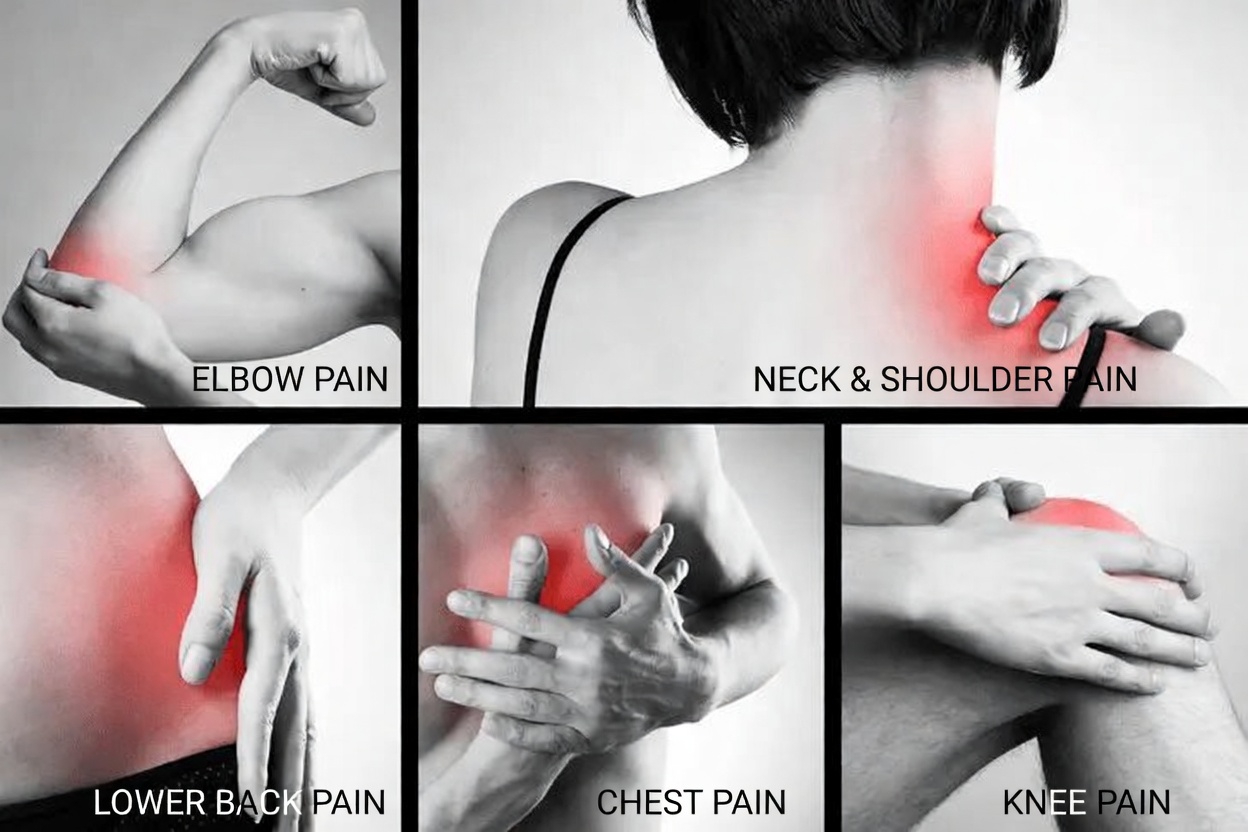
Some people with low vitamin D report occasional stomach discomfort or unusual sensations such as pins and needles in their hands or feet. These symptoms may appear off and on and may not seem connected to anything specific.
Vitamin D supports both gut health and nerve function in complex ways. While these are not the most typical signs, they are among the stranger symptoms sometimes associated with deficiency.
Why Symptoms of Low Vitamin D Happen
These signs do not usually appear all at once. They may develop gradually and overlap with many other common concerns, which is why they are easy to ignore.
Vitamin D is necessary for proper calcium absorption and helps support bones, muscles, and nerves. When levels drop, the body may struggle in these systems, leading to fatigue, weakness, pain, and other symptoms. Researchers continue studying these links, but one thing is clear: noticing the pattern early is an important first step.
Who Is More Likely to Have Low Vitamin D?
Some people are more likely to develop vitamin D deficiency because of lifestyle, age, or health conditions. You may be at higher risk if any of the following apply to you:
- You spend little time outdoors
- You live in a northern region with limited sunlight
- You regularly use sunscreen or keep most of your skin covered outside
- You have darker skin, which can reduce vitamin D production from sunlight
- You are over 50
- You have limited mobility
- You follow a strict vegan diet without fortified foods
- You have digestive disorders that affect nutrient absorption
If several of these risk factors sound familiar, it may be worth paying closer attention to how your body feels.
Easy Ways to Support Healthy Vitamin D Levels
Improving vitamin D status does not always require major changes. Small, steady habits can make a meaningful difference over time.
Get Some Sunlight Most Days
Try spending 10 to 30 minutes outdoors on most days when possible, with your arms or legs exposed. The right amount depends on your skin tone, location, and time of year, but natural sunlight is one of the best ways to support vitamin D production.
Add More Vitamin D Foods to Your Diet
Including vitamin D-rich foods in regular meals can also help. Good options include:
- Fatty fish, such as salmon and mackerel
- Egg yolks
- Fortified milk
- Fortified plant-based milk alternatives
- Mushrooms exposed to sunlight
- Fortified orange juice
- Fortified cereals
Consistency matters more than perfection. A balanced daily routine is often the most effective approach.
Ask Your Doctor About Testing or Supplements
If you suspect your levels may be low, talk with your healthcare provider. A simple blood test can help determine whether vitamin D deficiency is contributing to your symptoms. If needed, your doctor can recommend a supplement based on your personal health needs.
When to See a Doctor
If several of these symptoms are ongoing, do not ignore them. A medical checkup can help rule out other causes and determine whether low vitamin D is involved.
Your healthcare provider can review your symptoms, order testing if appropriate, and suggest a treatment plan that fits your age, lifestyle, and overall health. Early action can make it easier to prevent more serious issues later on.
What These 8 Signs May Be Telling You
Recognizing these unusual signs can help you better understand what your body may be asking for. Low vitamin D can affect energy, mood, muscles, bones, immunity, and more. The good news is that small daily adjustments may lead to noticeable improvements over time.
Listening to your body matters. If something feels off, paying attention now could help you feel more like yourself again.
Frequently Asked Questions
Can low vitamin D affect sleep?
Some people with low vitamin D say they experience poor sleep, restlessness, or difficulty staying asleep. More research is still needed, but supporting healthy vitamin D levels through sun exposure, diet, and medical guidance may help overall wellness, including sleep habits.
How much sunlight do I need each day?
This depends on your skin tone, where you live, the season, and how much skin is exposed. For many adults, 10 to 20 minutes of midday sunlight on the face and arms may be a useful starting point. Be sure to balance sun exposure with proper skin protection.
Are there foods that naturally contain vitamin D?
Yes. Some of the best natural sources include fatty fish, egg yolks, and certain mushrooms. Many people also rely on fortified foods such as milk, plant-based beverages, cereals, and orange juice to help meet their needs.