Stroke Warning Signs: 8 Early Clues to Watch For and 9 Ways to Reduce Your Risk
Stroke is still one of the world’s top causes of death and lasting disability. It often happens without warning, and in a single moment it can affect movement, speech, memory, and independence. That possibility is frightening, especially because stroke has become so common. What many people do not realize, however, is that the body may sometimes show subtle warning signals days or even weeks in advance.
In this article, you’ll learn about eight possible early stroke warning signs that some people experience in the month before a stroke. You’ll also find nine simple, research-supported habits that can help protect both heart and brain health. Be sure to read through to the end, because the final tip is often the most overlooked.
Why Early Stroke Signs Matter
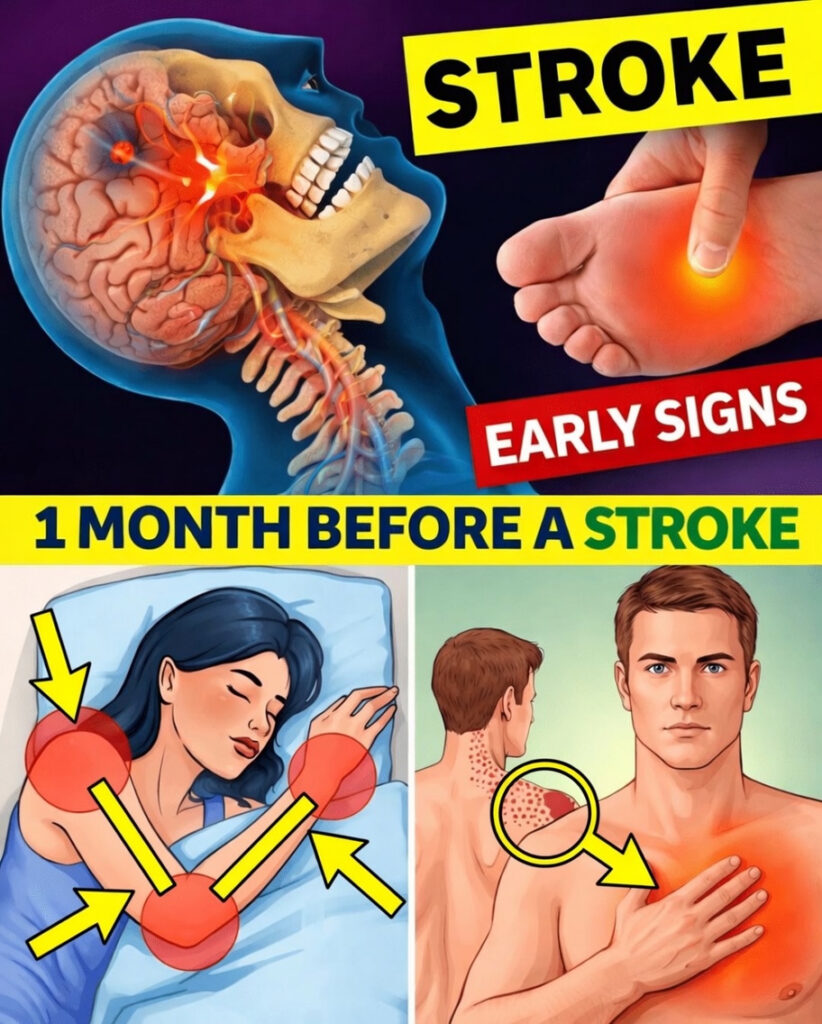
Major stroke symptoms usually appear suddenly and intensely. But health experts point out that transient ischemic attacks (TIAs)—often called mini-strokes—and other mild neurological changes can sometimes happen beforehand. Groups such as the American Heart Association emphasize that spotting these signs early and managing risk factors can improve outcomes.
The goal is not to panic. The goal is to stay informed. Recognizing unusual symptoms early gives you a better chance to seek medical care before a more serious event occurs.
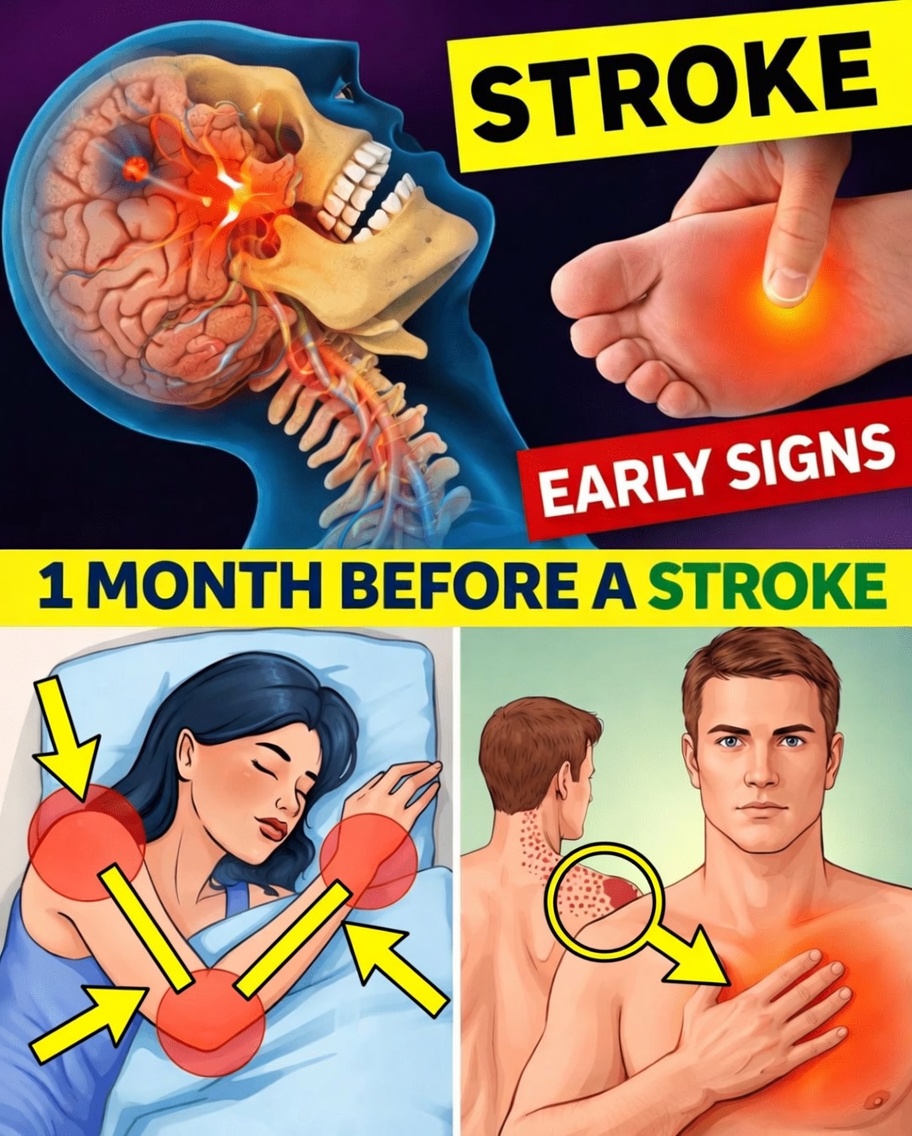
8 Early Warning Signs That May Happen Before a Stroke
These symptoms do not always mean a stroke is coming. Still, they should not be ignored, especially if they recur, affect one side of the body, or appear alongside other changes.
1. Ongoing or Unusual Headaches
A headache that feels different from your normal pattern may be an early signal. It may become more intense, happen more often, or show up without any obvious cause. In some cases, these headaches may be linked to changes in blood flow or pressure in the brain.
Pay attention if:
- The pain is stronger than usual
- Over-the-counter medication no longer helps
- It wakes you up at night
- It keeps returning without explanation
2. Sudden Vision Changes
Vision problems can be another early clue. This may include:
- Blurry vision
- Double vision
- Brief loss of sight in one or both eyes
Some people describe it as a shadow or curtain moving across their vision. Others think they simply need to blink or rub their eyes. Because it may come and go quickly, it is easy to dismiss.
3. Temporary Numbness or Weakness, Especially on One Side
One of the most recognized warning signs is a strange sensation of heaviness, tingling, weakness, or numbness in the:
- Face
- Arm
- Hand
- Leg
- Foot
These episodes may last only minutes or a few hours before fading. You may notice difficulty holding objects, a weaker grip, or one side of the body feeling “off.” When symptoms affect only one side, that detail is especially important.
4. Unusual Fatigue or Poor Sleep
Feeling deeply tired despite getting enough rest can sometimes be an early warning. Some people say they wake up feeling weak, heavy, or unable to move comfortably, especially in the arms and shoulders. Others notice they are dropping things more often or needing more naps during the day without any clear reason.
While fatigue has many possible causes, unexplained exhaustion paired with other symptoms deserves attention.

5. Dizziness or Balance Problems
A sudden spinning feeling, unsteadiness, or trouble walking normally can appear before a stroke. This might feel like:
- Losing balance without warning
- Feeling lightheaded when standing
- Veering while walking
- Brief episodes of spinning or disorientation
Unlike common everyday dizziness, these episodes may happen suddenly, disappear, and later return.
6. Slurred Speech or Trouble Finding Words
Speech changes are classic signs of a TIA or stroke. You may notice that:
- Your words come out slurred
- You speak more slowly than normal
- You have trouble forming sentences
- You mix up words
- Others tell you that you sound different
Even if the problem improves quickly, it should never be ignored.
7. Confusion or Short-Term Memory Issues
Early brain-related changes can sometimes appear as brief mental fog. This may involve:
- Forgetting recent conversations
- Struggling to follow simple instructions
- Feeling confused for short periods
- Having unusual trouble concentrating
Because many people blame stress or tiredness, these episodes often go unreported. If they happen repeatedly, especially with other symptoms, they need evaluation.
8. Tingling or Discomfort in the Limbs While Resting
Some individuals notice a pins-and-needles sensation, odd aching, or discomfort in the arms, shoulders, legs, or feet, especially when lying down or just waking up. This can overlap with numbness and weakness, and it becomes more concerning when it keeps returning on the same side of the body.
Why These Signs Are Often Missed
One reason early stroke symptoms are so dangerous is that they are often temporary. A person may feel strange for a few minutes, then return to normal and assume it was nothing serious. But repeated episodes can signal reduced blood flow or developing vascular problems.
Awareness matters most when it leads to action.
9 Everyday Tips to Help Lower Stroke Risk
Healthy habits cannot promise complete prevention, but large studies consistently show that they can reduce many stroke risk factors. The good news is that most of these steps are practical and affordable.
1. Check Your Blood Pressure Regularly
High blood pressure is one of the biggest stroke risks. Use a home monitor and measure it at the same time each day, such as every morning. Follow your doctor’s target range and work on small habits that help, including:
- Reducing salt
- Staying active
- Taking medications as prescribed
2. Eat a Heart-Healthy Diet
Build meals around foods that support circulation and overall cardiovascular health. A helpful approach includes:
- Filling half your plate with vegetables and fruit
- Choosing whole grains instead of refined grains
- Eating fatty fish a couple of times per week
- Limiting heavily processed foods
A Mediterranean-style diet is widely supported by research for lowering stroke-related risk factors.
3. Exercise on Most Days
Aim for at least 30 minutes of movement on most days of the week. Good options include:
- Brisk walking
- Swimming
- Cycling
- Light aerobic exercise
If needed, split it into shorter sessions. Three 10-minute walks still count. What matters most is consistency.
4. Work Toward a Healthy Weight
If you are carrying extra weight, even a modest loss can improve important numbers like blood pressure and blood sugar. Losing just 5% to 10% of body weight can make a meaningful difference.
5. Stop Smoking and Avoid Secondhand Smoke
Smoking damages blood vessels and increases stroke risk with every cigarette. If quitting feels difficult, support tools can help, such as:
- Smoking cessation programs
- Nicotine replacement products
- Mobile apps
- Guidance from your doctor
Avoiding secondhand smoke is also important.
6. Keep Alcohol Intake Moderate
If you drink alcohol, moderation matters. General guidance is:
- Up to one standard drink per day for women
- Up to two standard drinks per day for men
Some people find it easier to cut back by replacing alcoholic drinks with sparkling water, lemon water, or other low-sugar alternatives.
7. Control Blood Sugar, Especially if You Have Diabetes
Diabetes significantly raises stroke risk when blood sugar is not well managed. Follow your treatment plan, monitor levels regularly, and attend routine appointments. Even if you do not have diabetes, reducing refined sugar is still beneficial for overall health.
8. Manage Cholesterol Levels
Healthy cholesterol levels help protect blood vessels. To support better numbers:
- Eat more oats, beans, nuts, and fiber-rich foods
- Limit fried and highly processed foods
- Get blood work done as recommended
- Take prescribed medication if needed
Many people benefit from combining diet changes with medical treatment.
9. Stay on Top of Checkups and Reduce Stress
Do not skip regular medical visits. Annual checkups can catch issues like:
- High blood pressure
- Irregular heartbeat
- Diabetes
- Elevated cholesterol
Stress management matters too. Ongoing stress can quietly raise blood pressure over time. Helpful options include:
- Deep breathing for 10 minutes a day
- Meditation or mindfulness apps
- Spending time outdoors
- Taking breaks from screens
- Getting adequate sleep
Small Changes Add Up
One of the best things about these stroke prevention tips is that they do not need to happen all at once. Most cost little or nothing, and they can be added gradually into your current routine. Start with one or two changes this week, then build from there.
What to Do If You Notice These Symptoms
If you experience any of these warning signs—even if they disappear quickly—contact your doctor or go to the nearest emergency room. When it comes to stroke, time is brain. Fast treatment can help prevent a more serious event and reduce long-term damage.
It can also help to keep a symptom journal. Write down:
- The date and time
- What you felt
- How long it lasted
- Which side of the body was affected
- Any other symptoms that happened at the same time
This information can help healthcare providers identify important patterns more quickly.
Frequently Asked Questions
Can stroke warning signs really appear a month in advance?
In some cases, yes. Certain people experience transient symptoms days or even weeks before a stroke, often related to TIAs or worsening risk factors. However, every stroke is different, and many still occur suddenly without earlier warning.
What if I only have one or two of these signs?
Even one recurring symptom is worth discussing with a healthcare professional. Early evaluation can uncover treatable issues such as high blood pressure, circulation problems, or an irregular heartbeat.
Are these 9 tips enough to completely prevent a stroke?
No habit plan can remove all risk. Age, genetics, and medical history also play a role. Still, following these strategies consistently—alongside proper medical care—can significantly lower your chances.
Final Thoughts
Stroke is serious and often frightening, but awareness can be powerful. By learning to recognize early warning signs and making realistic lifestyle changes, you give yourself the best chance to protect your health. Small actions taken early may have a life-changing impact later.