Worried About a Heart Attack? Everyday Habits Can Lower Your Risk
Chest pain, sudden shortness of breath, or the fear that a heart attack could happen without warning can make anyone feel vulnerable—especially when heart disease remains one of the world’s biggest health threats. The good news is that much of your risk is influenced by daily choices. Research suggests that a handful of realistic lifestyle habits, when combined, may significantly reduce heart attack risk.
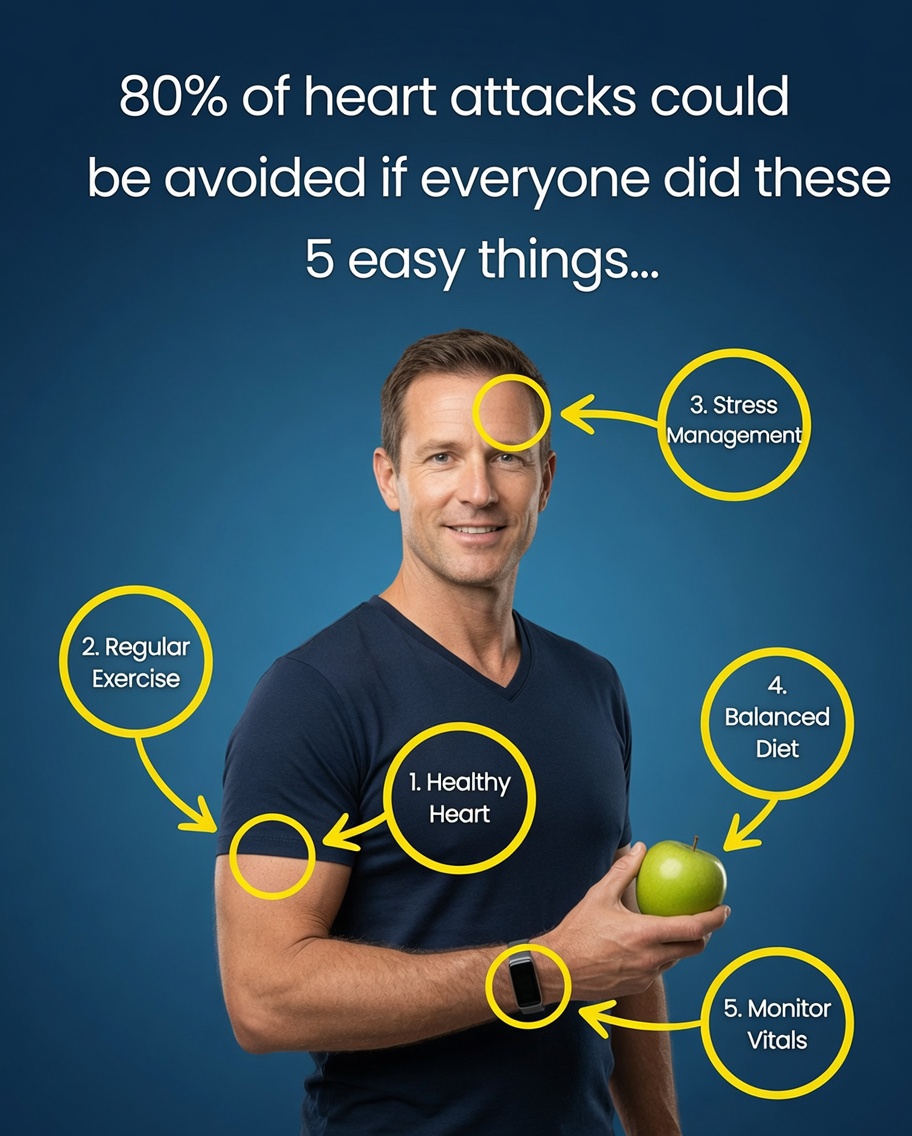
Heart attacks don’t always arrive with clear warning signs, and that uncertainty can be emotionally exhausting. Yet many cardiovascular events are strongly linked to factors people can change—such as smoking, activity level, diet, and body fat distribution. If you’re trying to reduce heart attack risk, the “small stuff” you do every day matters more than it seems. Consistency often beats intensity.

The Study That Put “Low-Risk Habits” Under the Spotlight
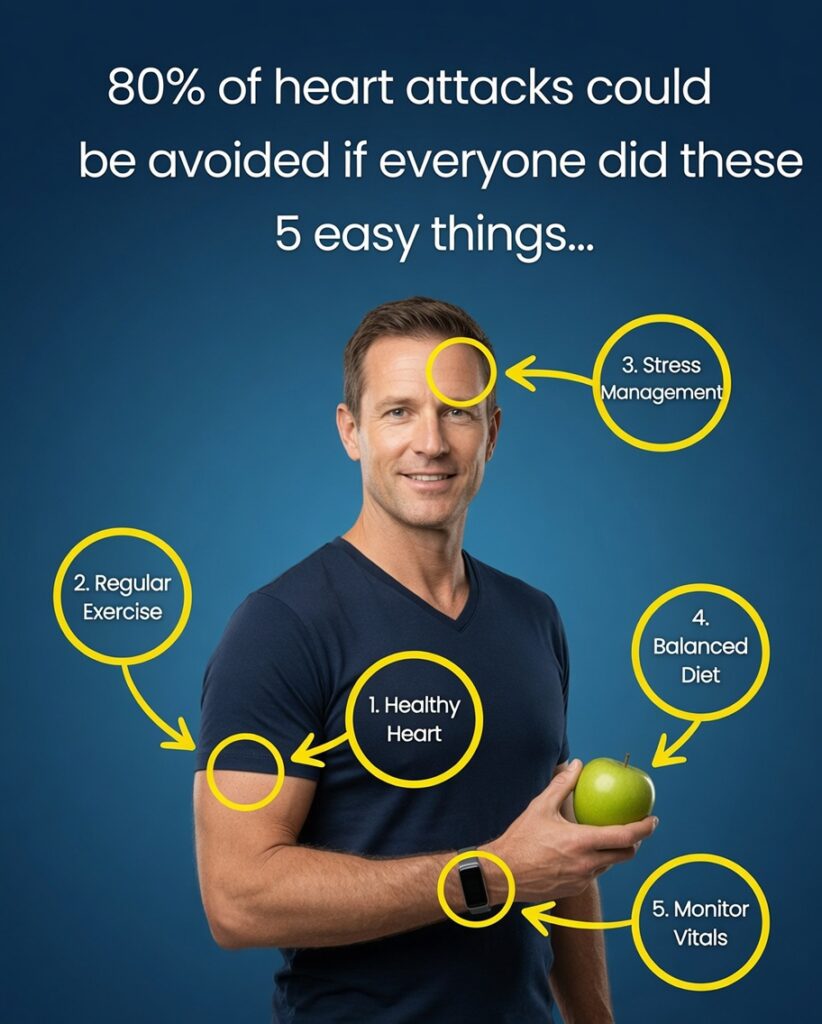
A major long-term study from the Karolinska Institute tracked thousands of men and found a striking pattern: men who followed five low-risk habits had up to a 79% lower rate of first-time heart attacks compared with those who didn’t. Lead researcher Agneta Åkesson reported that even specialists were surprised by how large the combined effect was.
While this research focused on men, similar trends have appeared in studies involving women and mixed populations—making the takeaway relevant for anyone aiming to reduce heart attack risk.

What makes these findings especially encouraging is that the habits are not extreme. They’re practical, repeatable behaviors that can fit into real life—without complicated plans or drastic restrictions.
The 5 Lifestyle Habits That May Help Reduce Heart Attack Risk
Below are the five habits highlighted in the research, explained in plain terms—along with why each one matters for heart health.

1) Don’t Smoke (And Avoid Secondhand Smoke)
Smoking may feel like an everyday routine, but it steadily damages blood vessels and accelerates plaque buildup in the arteries. If your goal is to reduce heart attack risk, quitting smoking is one of the highest-impact moves you can make.
Benefits can begin quickly after you stop, and avoiding secondhand smoke also matters. Tobacco exposure is consistently associated with inflammation and arterial injury—two major contributors to cardiovascular disease.

2) Keep Alcohol Low (If You Drink at All)
In the original study, moderate alcohol intake (roughly up to 1–2 drinks per day) appeared in the “low-risk” pattern. However, expert guidance has evolved in recent years.
Many modern health organizations now emphasize that alcohol’s potential cardiovascular benefits are uncertain and may be outweighed by other risks. If you choose to drink, strict moderation is key—and for many people, drinking less (or not at all) is a safer choice.
3) Maintain a Healthy Waist Size
A growing waistline isn’t only about appearance—it often signals increased visceral fat, which surrounds internal organs and is strongly linked to metabolic and cardiovascular risk. Keeping waist circumference within a healthy range was part of the low-risk profile.
In the cited research, a commonly used cutoff was about under 37 inches (94 cm) for men, with lower targets typically recommended for women. Monitoring waist size can be a practical way to track health changes beyond the scale.

4) Be Physically Active Most Days
Long hours of sitting can drain energy and negatively affect circulation. Regular movement helps improve blood pressure, supports healthier cholesterol levels, strengthens the heart muscle, and improves insulin sensitivity—all of which can reduce heart attack risk.
The study’s activity pattern included roughly 40 minutes of daily movement (such as brisk walking or cycling) plus additional exercise during the week. The key is making activity routine rather than occasional.

5) Choose a Heart-Healthy Diet (Mediterranean-Style Works Well)
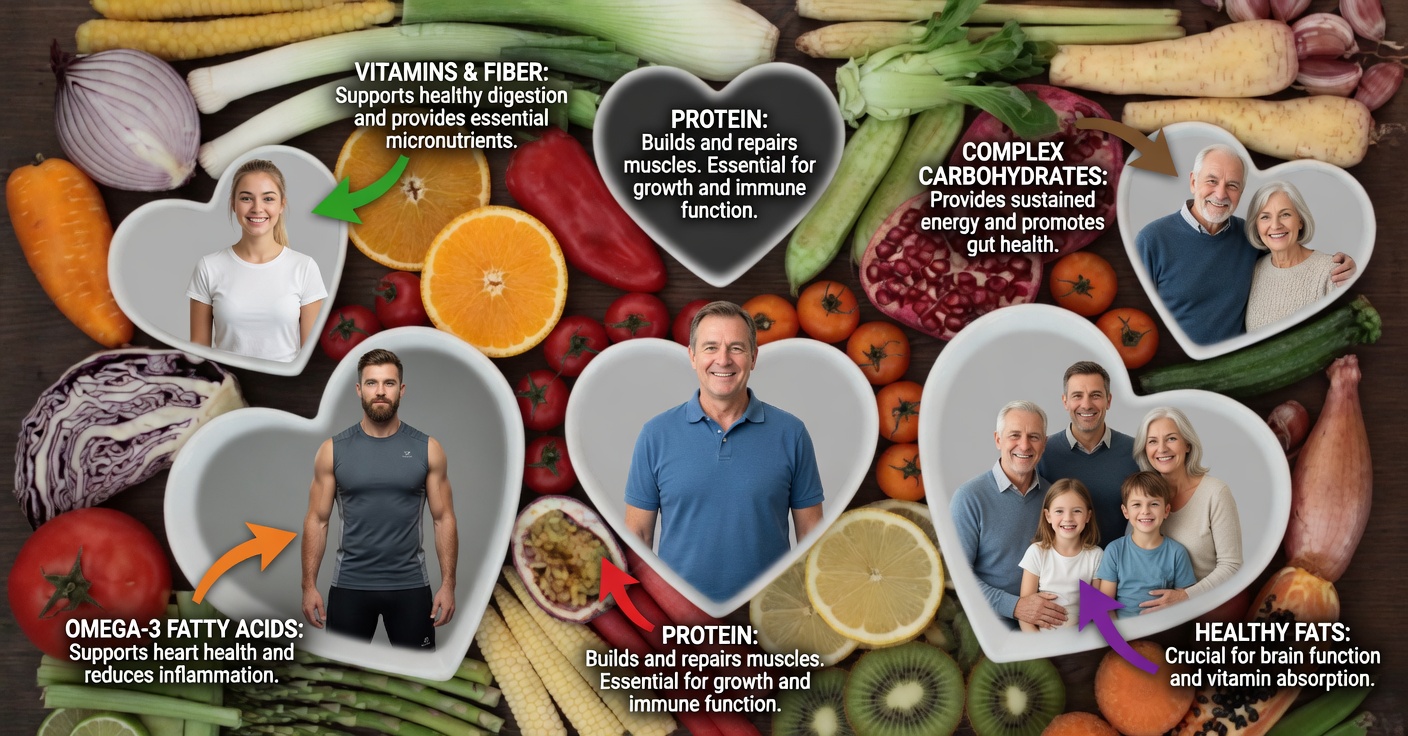
Diet can feel like the hardest habit to change—especially with constant access to ultra-processed foods. But research repeatedly links a Mediterranean-style eating pattern with lower rates of cardiovascular events.
To reduce heart attack risk, prioritize:
- Fruits and vegetables
- Whole grains
- Nuts and legumes
- Fish
- Olive oil and other unsaturated fats
- Fewer highly processed foods and added sugars
Many people find this approach satisfying because it focuses on what to add—nutrient-dense foods—rather than constant restriction.
Common Barriers vs. Heart-Protective Habits
- Sedentary schedule → daily walking or cycling helps strengthen circulation
- Frequent processed meals → Mediterranean-style choices support healthier blood vessels
- Smoking or secondhand smoke exposure → full avoidance improves artery health quickly
- Increasing belly fat → portion balance + movement reduces visceral fat accumulation
- Drinking without limits → moderation (or none) reduces cardiovascular strain
Recognizing these trade-offs can make the path to reduce heart attack risk feel clearer and more manageable.
Simple Ways to Start Today (Without Overwhelm)
Small changes are often the most sustainable. Consider starting with:
- Walk 20–30 minutes most days, then gradually increase duration or intensity
- Build meals around plants: make half your plate vegetables and fruit
- Measure waist circumference occasionally and adjust portions if it’s trending upward
- If you smoke, use quit-support tools (counseling, programs, or medical help)
- If you drink, track servings and experiment with cutting back
Final Thoughts
Building habits to reduce heart attack risk isn’t about perfection—it’s about stacking small, protective behaviors over time. Research suggests that when these five habits are combined, the impact may be far greater than any single change alone. While nothing can guarantee outcomes, many people feel more confident and in control when they commit to consistent, heart-supportive routines.
Frequently Asked Questions
Can these habits really reduce risk that much?
Evidence suggests the combined effect can be substantial, though results vary between individuals. Consistency over time is what matters most.
What if I already have heart-related concerns?
These habits may support overall cardiovascular health, but you should discuss any major changes with your clinician—especially if you have symptoms, take medication, or have been diagnosed with a heart condition.
Is moderate alcohol still recommended?
Guidance has shifted. Many organizations now advise limiting alcohol heavily or avoiding it, since potential benefits may not outweigh other well-established risks.
Medical disclaimer: This article is for informational purposes only and does not replace professional medical advice. If you have symptoms (such as chest pain, shortness of breath, or fainting) or need personalized guidance, consult a qualified healthcare provider.