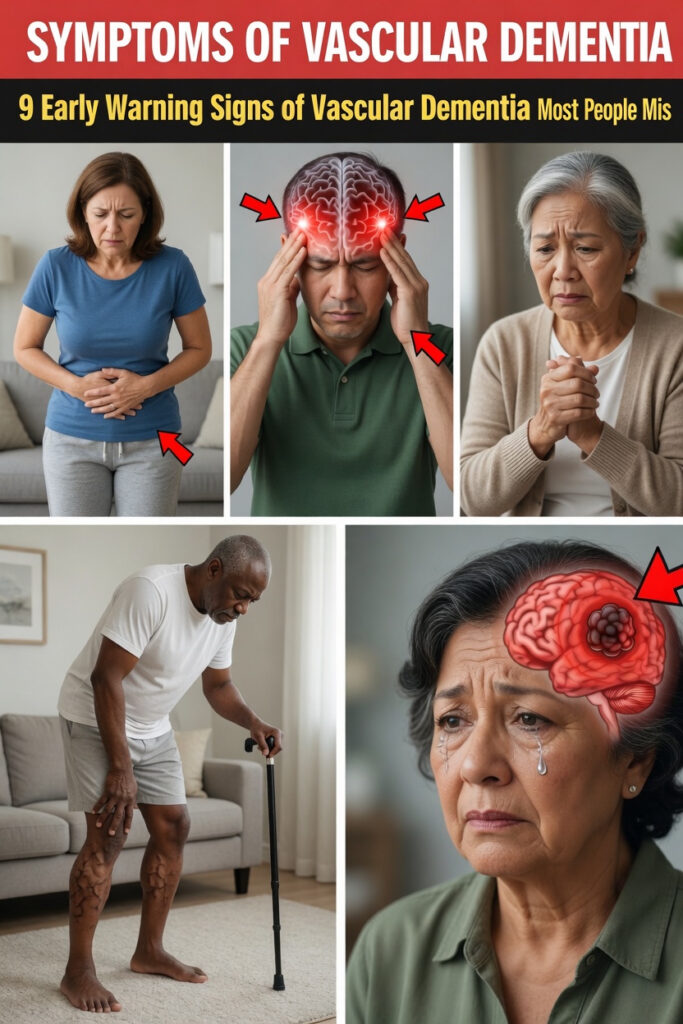
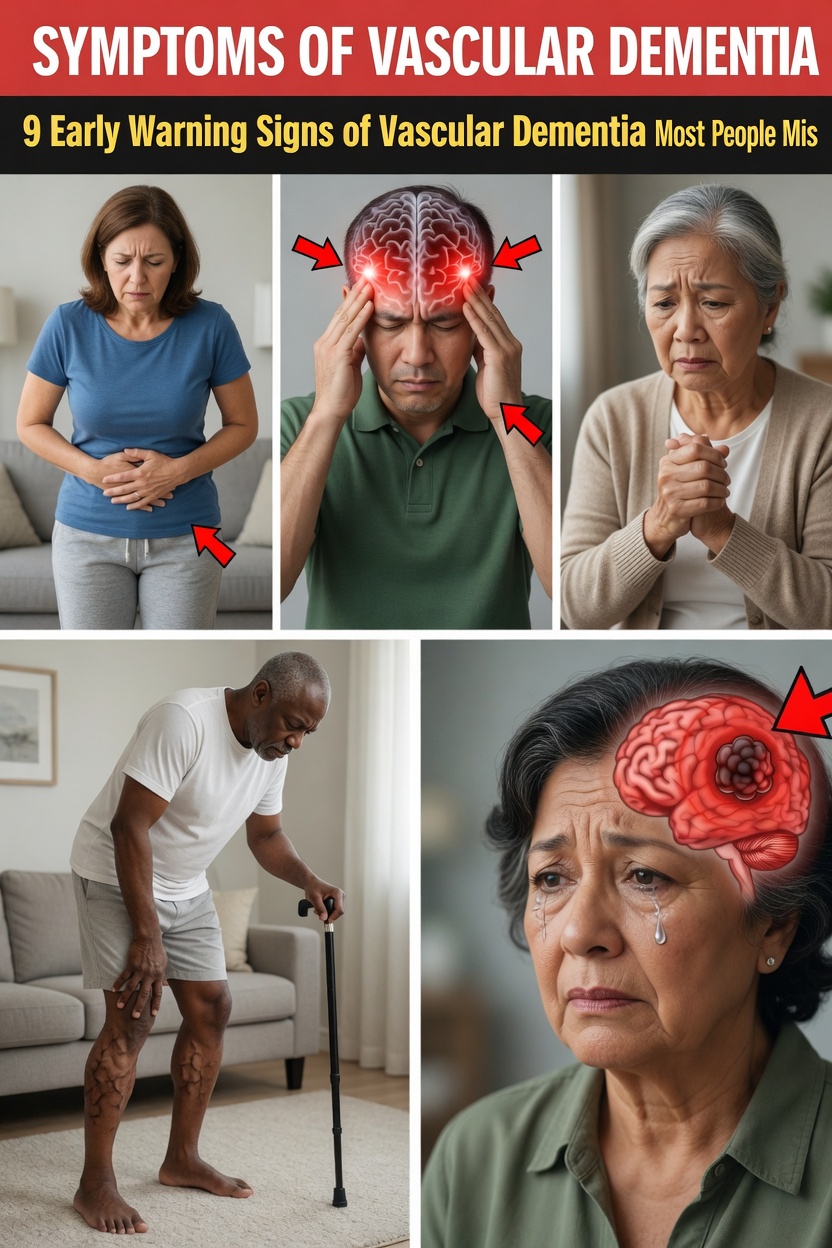
Many families begin to notice subtle changes in an older parent or grandparent: walking becomes slower, confusion appears from time to time, or the hands seem less steady than they once were. It is common to dismiss these shifts as a normal part of aging, stress, or minor health issues. But when several of these changes start appearing together, they may point to early problems with blood flow to the brain, which can lead to vascular dementia symptoms that affect thinking, mobility, and everyday life.
The encouraging part is that noticing these signs early can help families speak more clearly with healthcare professionals and look into the right support. What surprises many people, however, is that one of the most important warning signs often goes unnoticed until it begins interfering with daily independence in obvious ways.
What Is Vascular Dementia and Why Early Recognition Matters
Vascular dementia happens when brain cells are damaged because the brain is not getting enough blood flow. This may be caused by small strokes or long-term blood vessel disease. The Mayo Clinic and the NHS identify it as one of the most common forms of dementia after Alzheimer’s disease.
Unlike some other types of dementia, vascular dementia often develops in stages. A person may experience both cognitive changes and physical symptoms. Recognizing the pattern early is not about fear—it is about understanding what may be happening so families can prepare, ask informed questions, and seek proper medical advice.
9 Early Warning Signs of Vascular Dementia Many People Miss
Below are nine commonly overlooked signs based on established medical knowledge. These symptoms are for informational purposes only and should not replace professional medical evaluation.
- Slower thinking and delayed responses
- Difficulty planning or organizing daily activities
- Changes in walking or balance
- Trouble concentrating or maintaining attention
- Mood changes, including irritability or apathy
- Mild memory problems, especially with recent events
- Weakness or numbness in the arms, hands, or legs
- Difficulty finding words while speaking
- Bladder control problems or sudden urgency
Each symptom may seem minor on its own, but together they can reveal a more meaningful pattern.
1. Slower Thinking
You may notice that your loved one needs more time to process a question or respond during conversation. This is not simply forgetfulness or lack of interest. Reduced blood flow can slow how quickly the brain handles information. According to the National Institute on Aging, slower processing speed may appear early in vascular dementia, sometimes even before major memory loss.
2. Trouble Planning and Organizing
Tasks that used to feel routine may suddenly become difficult. A person might struggle to follow a recipe, manage bills, organize paperwork, or complete familiar steps in order. These are known as executive function problems, and they are often among the early vascular dementia symptoms because they involve brain regions that depend heavily on healthy circulation.

3. Changes in Walking or Balance
This is one of the most commonly missed early signs. A loved one may begin shuffling, walking more unsteadily, or relying on a cane more often. Families frequently assume this is due to arthritis, sore joints, weak knees, or simple aging.
In vascular dementia, though, walking and balance issues may be directly connected to changes in the brain’s motor-control pathways. Because this symptom is so often explained away, it may go unnoticed until mobility and independence are clearly affected.
4. Difficulty Staying Focused
Some people experience short periods of confusion while doing everyday tasks or seem to drift away during conversations. Trouble paying attention is not always just distraction. It can be linked to small blood vessel changes affecting the brain areas responsible for concentration and focus.
5. Mood Changes or Apathy
Emotional changes can be another early clue. A person may become unusually irritable, withdrawn, uninterested, or emotionally flat. Depression is also common in early vascular dementia because changes in blood flow may affect parts of the brain involved in mood regulation.
6. Mild Memory Lapses
Occasional forgetfulness happens to everyone, especially with age. But if someone frequently forgets recent conversations, misplaces important items, or repeats questions—and these problems appear alongside other symptoms—it deserves attention. In the early stages of vascular dementia, memory problems are often present but may be less severe than they are in Alzheimer’s disease.
7. Weakness or Numbness in the Limbs
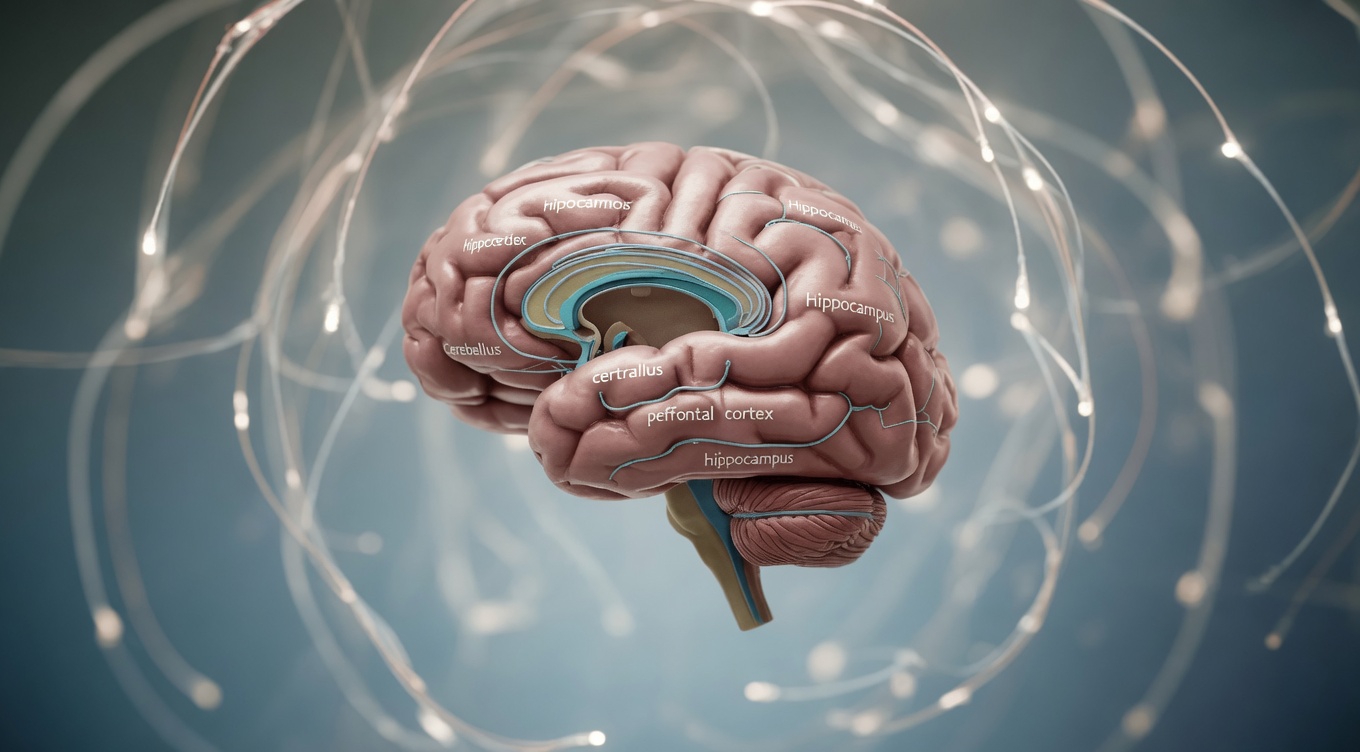
A person may notice reduced grip strength, clumsiness, or a strange sensation in one arm or leg. Sometimes it feels like tingling, “pins and needles,” or slight weakness on one side of the body. These symptoms can reflect small areas of vessel damage in the brain and should not be ignored.
8. Trouble Finding the Right Words
Another warning sign is difficulty expressing thoughts clearly. Someone may pause often while speaking, search for everyday words, or accidentally use the wrong term. These language disruptions can happen when blood supply to speech-related brain regions becomes inconsistent.
9. Bladder Control Problems
Unexpected urgency, more frequent accidents, or loss of bladder control can sometimes develop even when there is no known urinary condition. This may happen because the brain areas that regulate bladder function are vulnerable to circulation problems.
Why Vascular Dementia Symptoms Are So Often Overlooked
Many families assume these changes are simply part of getting older or are caused by unrelated health issues. However, research from the Alzheimer’s Association and Mayo Clinic shows that vascular dementia can worsen in noticeable steps, especially after small vascular events.
That is why isolated incidents may not tell the full story. What matters most is whether a pattern is developing over time.
Practical Steps You Can Take Now
If several of these symptoms sound familiar, there are some simple and useful actions you can start right away:
- Keep a symptom journal with dates, situations, and examples
- Arrange a routine medical check-up, especially to review blood pressure, cholesterol, and heart health
- Encourage gentle daily movement, such as short walks, to support circulation
- Choose heart-healthy foods, including vegetables, fruits, and whole grains
- Stay socially and mentally engaged through conversations, games, hobbies, or other meaningful activities
These steps support overall health and can also provide doctors with clearer information if an evaluation becomes necessary.
Daily Habits That Support Brain and Blood Vessel Health
Small lifestyle choices can have a lasting impact on vascular and cognitive health. Many experts recommend simple habits such as:
- Drinking enough water
- Managing stress levels
- Avoiding smoking
- Staying physically active
- Following a heart-friendly diet
Because the brain depends on healthy blood flow, caring for cardiovascular health is also a way to support long-term brain function.
Final Thoughts: Awareness Comes First
Recognizing these nine early signs of vascular dementia can help families respond with clarity instead of uncertainty. The goal is not to create fear, but to open the door to support, medical guidance, and better planning. If you notice a repeated pattern in yourself or someone you love, the next smart step is to speak with a qualified healthcare provider.
FAQ
How is vascular dementia different from Alzheimer’s disease?
Vascular dementia often includes more physical symptoms early on, such as changes in gait, balance, or movement. It may also progress in stages related to blood flow problems. Alzheimer’s disease usually begins with more noticeable memory loss.
Can these early symptoms appear suddenly after a stroke?
Yes. In some cases, signs become clear soon after a stroke or another vascular event. In other people, symptoms develop gradually over time due to ongoing small vessel damage.
When should a family speak to a doctor about possible vascular dementia symptoms?
If several symptoms continue over time and begin affecting daily routines or independence, it is wise to bring them up during a medical appointment so a healthcare professional can evaluate the full situation.
Disclaimer
This article is for informational purposes only and does not replace professional medical advice, diagnosis, or treatment. Always consult a qualified healthcare provider about any symptoms or health concerns affecting you or someone you love.