Knee Discomfort: Simple, Evidence-Informed Ways to Support Stronger Knees
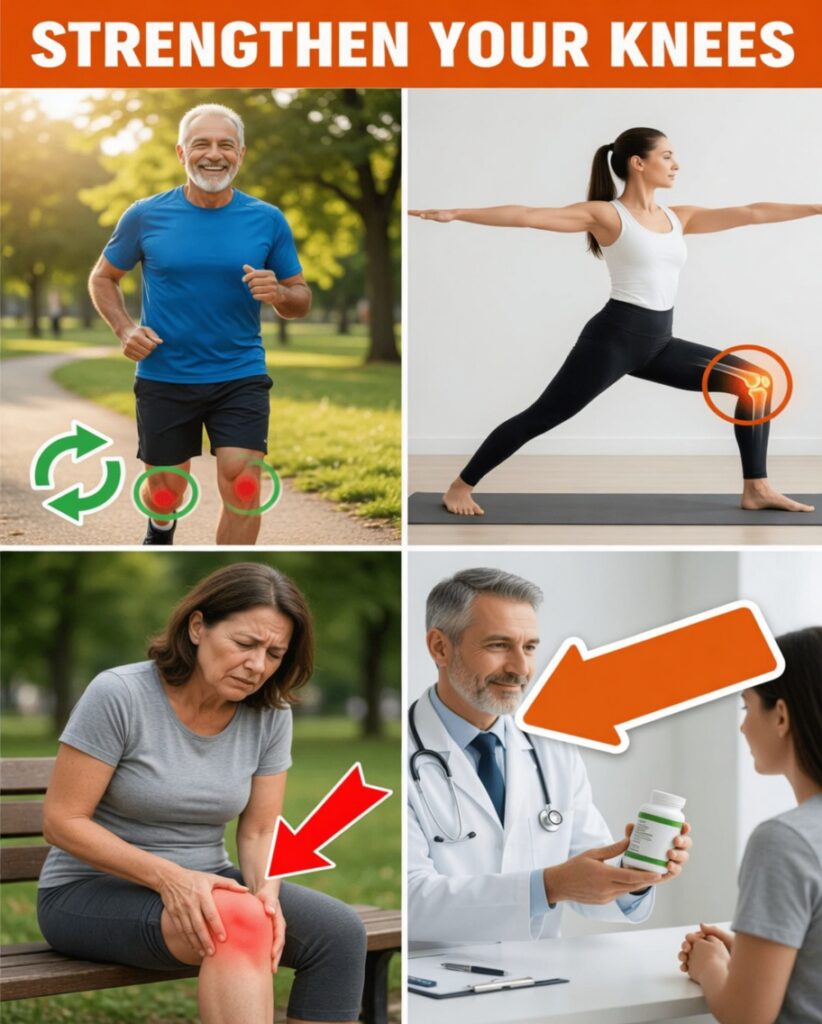
Knee discomfort can turn everyday moments—climbing stairs, standing up from a chair, or taking a relaxing walk—into something tiring and discouraging. With age, it’s common for adults to notice knee stiffness, reduced stability, or weakness as cartilage and ligaments experience natural wear over time. The good news: a few straightforward, evidence-based habits may gently support knee strength and improve joint comfort when practiced consistently.
Health guidance from trusted organizations such as the Mayo Clinic and the Arthritis Foundation often emphasizes a balanced lifestyle that includes movement, nutrition, and smart daily choices. Below are nine practical strategies you can begin safely and build on over time.
1) Choose Low-Impact Movement to Protect the Joints
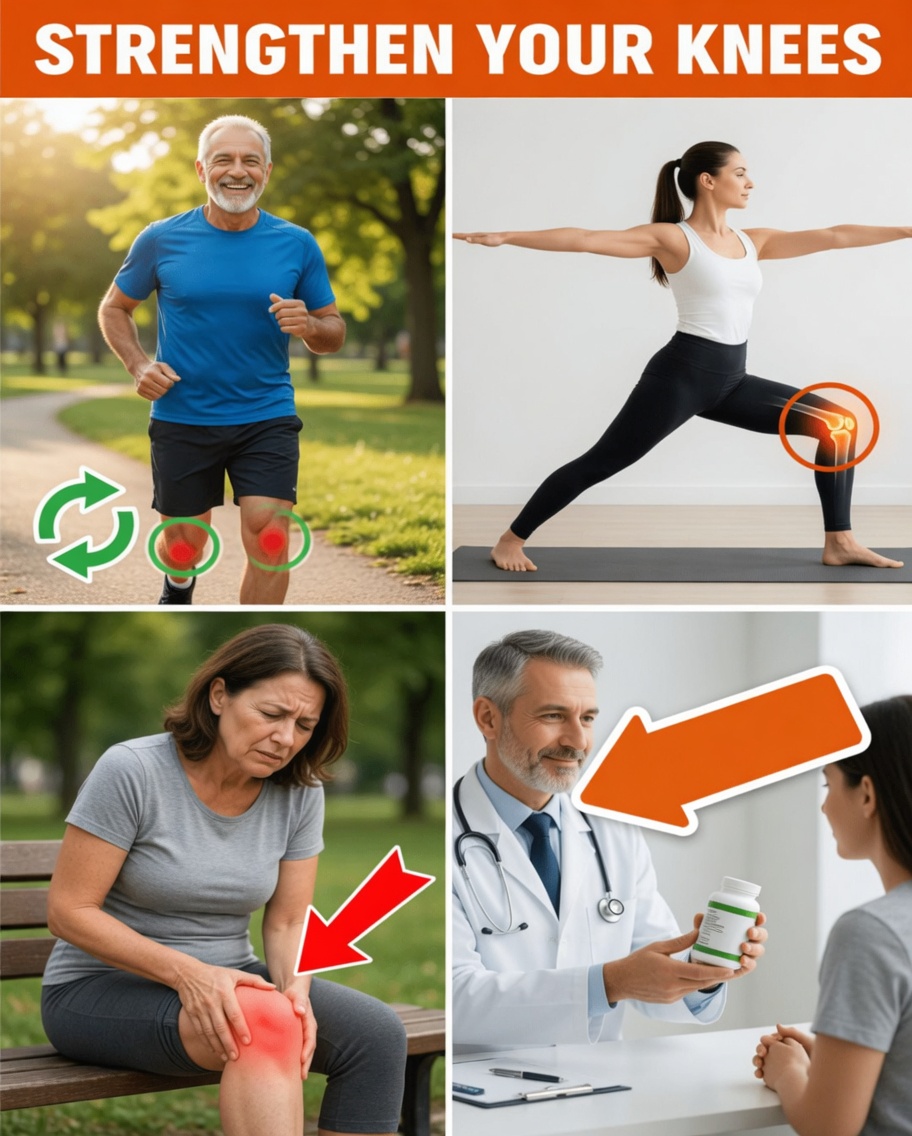
When knees feel stiff, high-impact workouts may seem intimidating. Low-impact activities—such as walking, cycling, swimming, or water aerobics—can help strengthen the muscles around the knee without excessive joint stress.
Research suggests that gentle, consistent activity may support blood flow, stability, and function. Many people do best by starting small and increasing duration gradually.
2) Add Gentle Stretching to Improve Flexibility
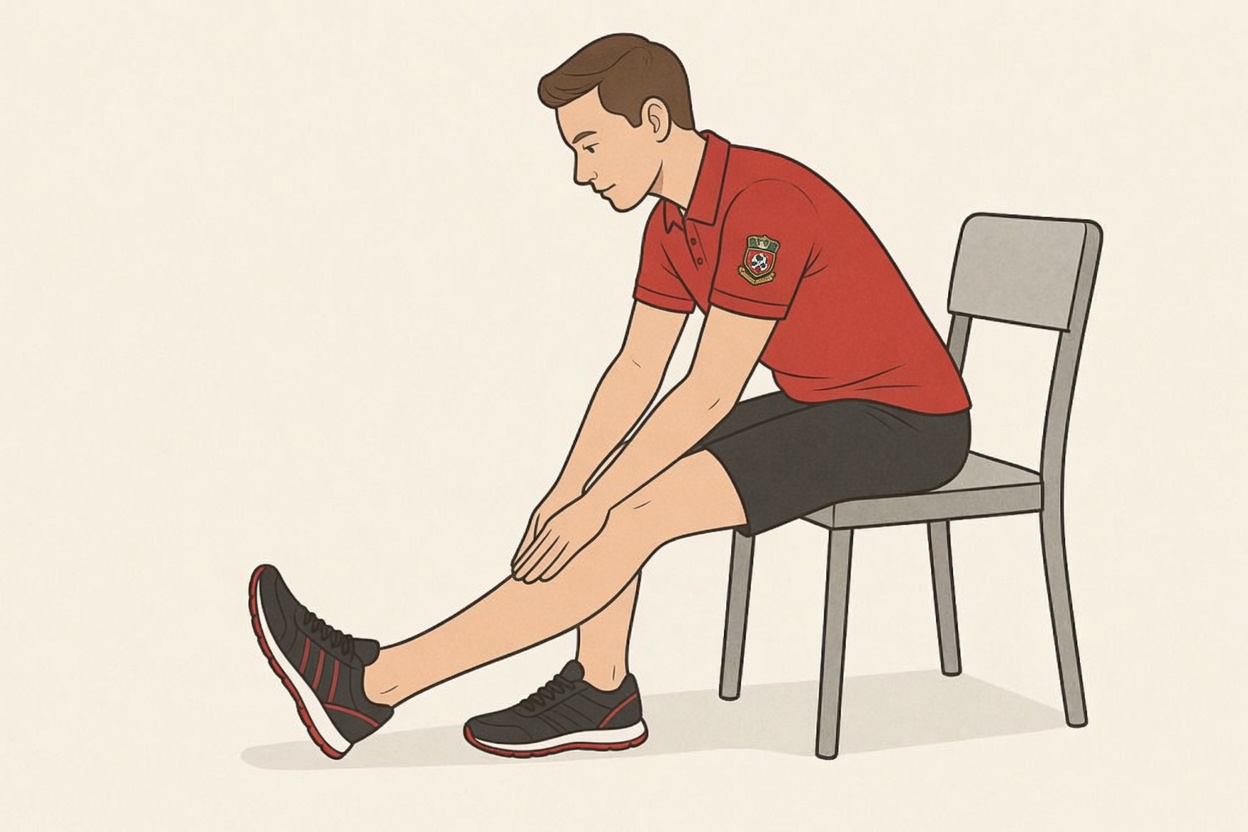
A tight posterior chain (especially hamstrings) or overly tense quadriceps can increase the pulling forces around the knee, making movement feel restricted or achy. Regular stretching may improve flexibility and help reduce strain on the joint.
Physical therapy guidance commonly recommends holding comfortable stretches for 20–30 seconds, avoiding bouncing, and staying within a pain-free range.
3) Use Bodyweight Strengthening to Support the Knee
Knee discomfort can worsen when surrounding muscles are weak, particularly the quadriceps, hamstrings, and glutes. Simple bodyweight exercises—such as partial squats, sit-to-stands, or controlled leg raises—may build strength that contributes to better joint support.
Studies on low-resistance strength training suggest that consistent practice can improve knee stability and confidence in daily movement. Start slowly, focus on form, and keep the range of motion comfortable.

4) Eat Nutrient-Dense Foods That May Help Calm Inflammation
Inflammation can amplify joint soreness and make movement feel more painful. An eating pattern rich in omega-3 fatty acids and antioxidants—including fatty fish, berries, leafy greens, olive oil, and nuts—may support a healthier inflammatory response.
Nutrition research frequently associates anti-inflammatory dietary patterns with potential benefits for overall joint health. Small changes (like adding berries to breakfast or fish once weekly) can complement your movement routine.
5) Stay Hydrated to Support Joint Lubrication
Joints depend on adequate fluid balance to help cartilage stay resilient and to support natural cushioning. When you’re dehydrated, joints may feel less “smooth,” which can add to daily discomfort for some people.
A practical approach is to sip water consistently throughout the day rather than trying to catch up all at once.

6) Maintain a Healthy Weight to Reduce Knee Stress
Knees carry a significant load, and extra body weight can increase pressure during standing, walking, and stairs. Gradual, sustainable weight management may meaningfully reduce stress on the knee joint.
The Arthritis Foundation notes that even modest weight loss can lessen knee load and improve comfort for many individuals—especially when paired with strengthening and mobility work.
7) Wear Supportive Footwear for Better Alignment
Shoes influence posture and alignment from the ground up. Poorly supportive footwear may shift gait mechanics and increase strain through the knee. Shoes with good cushioning, appropriate arch support, and a stable base can help distribute impact more evenly.
Many podiatry recommendations highlight footwear as a simple but important factor in day-to-day joint comfort.
8) Consider Physical Therapy–Style Targeted Exercises
If knees feel unstable—especially when bending, rising from a chair, or climbing stairs—targeted exercises often used in rehabilitation can be helpful. Movements such as straight leg raises, gentle step-ups, and controlled strengthening drills may improve stability and functional strength.
Rehabilitation research supports the value of targeted training, and professional guidance can help you choose the right exercises for your body and avoid aggravating pain.
9) Think Carefully About Joint-Support Supplements
Some people explore supplements such as glucosamine or collagen to support cartilage or joint comfort. Evidence is mixed, and results vary widely between individuals.
Following Mayo Clinic–style guidance, it’s best to discuss supplements with a healthcare provider first—especially if you take medications or have underlying conditions. Supplements may be an add-on for some, but they are not a replacement for movement and nutrition.
Quick Overview: Knee-Supporting Habits at a Glance
- Low-impact activities: Build strength with less joint stress; start with 15–20 minutes of walking
- Gentle stretching: Improve flexibility; hold 20–30 seconds daily
- Bodyweight exercises: Strengthen supportive muscles; try 10 controlled reps, use a chair if needed
- Nutrient-rich foods: Support inflammation balance; add berries or fish weekly
- Hydration: Support joint lubrication; drink consistently (often suggested: around 8 cups/day, depending on needs)
- Healthy weight: Reduce knee load; start with small, sustainable changes
- Supportive footwear: Improve alignment and impact distribution; choose cushioned, supportive shoes
- Targeted rehab exercises: Build stability; follow reputable PT guidance
- Supplements: Potential extra support; consult a clinician first
Simple Ways to Start Today
- Daily movement: Pair a 10-minute walk with gentle hamstring and quad stretching
- Meals: Add one anti-inflammatory choice daily (berries, nuts, leafy greens, salmon)
- Basics: Drink water regularly and check whether your shoes provide real support
- Track progress: Note knee comfort weekly and adjust intensity as needed
For knee health, consistency tends to matter more than intensity.
Frequently Asked Questions About Knee Strength and Comfort
-
How long until knee comfort may improve?
Many people notice gradual changes over weeks to months with consistent habits, though results vary by individual and underlying cause. -
Are these habits safe if I already have knee pain?
Start gently, avoid pushing through sharp pain, and stop if symptoms worsen. For personalized advice, consult a healthcare professional. -
Can supplements replace exercise for knee support?
No. Supplements may complement a broader plan, but movement, strength work, and nutrition remain core strategies.
Moving Toward Healthier, More Comfortable Knees
These nine habits—from low-impact exercise and stretching to supportive nutrition and footwear—offer accessible ways to support knee strength and reduce day-to-day discomfort. Small steps, repeated regularly, can add up to meaningful changes over time.
This article is for informational purposes only and is not a substitute for professional medical advice. Results vary. Please consult your healthcare provider for personalized guidance on knee or joint concerns.