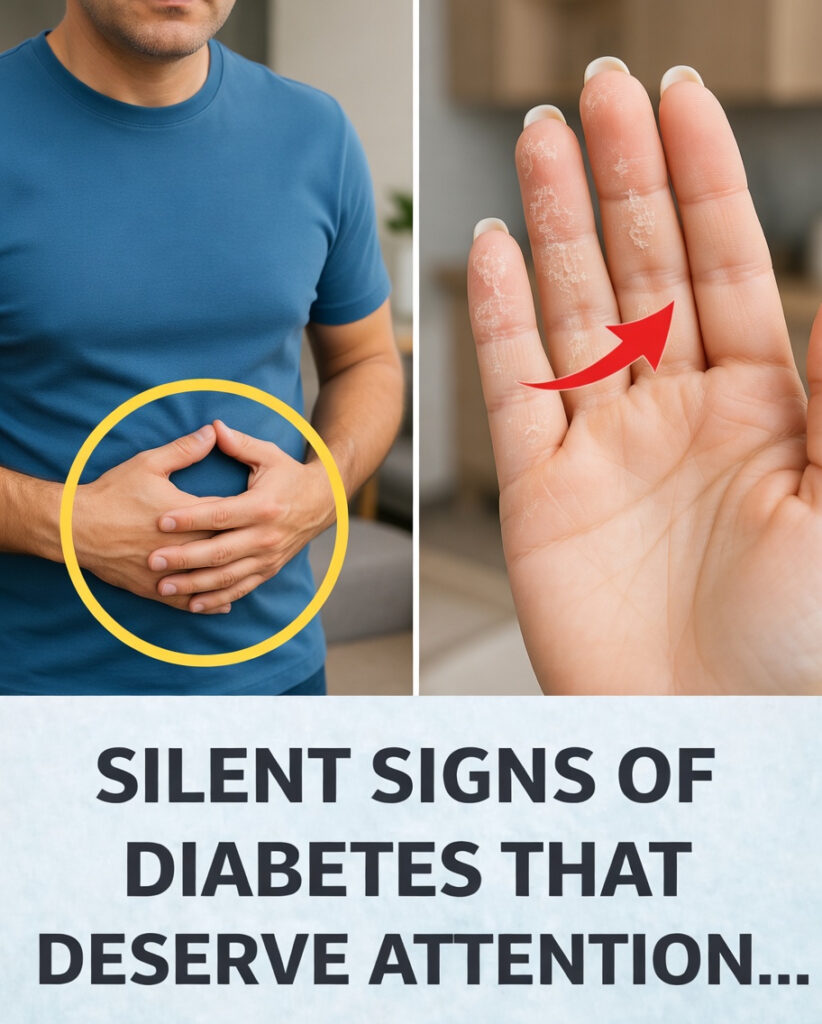
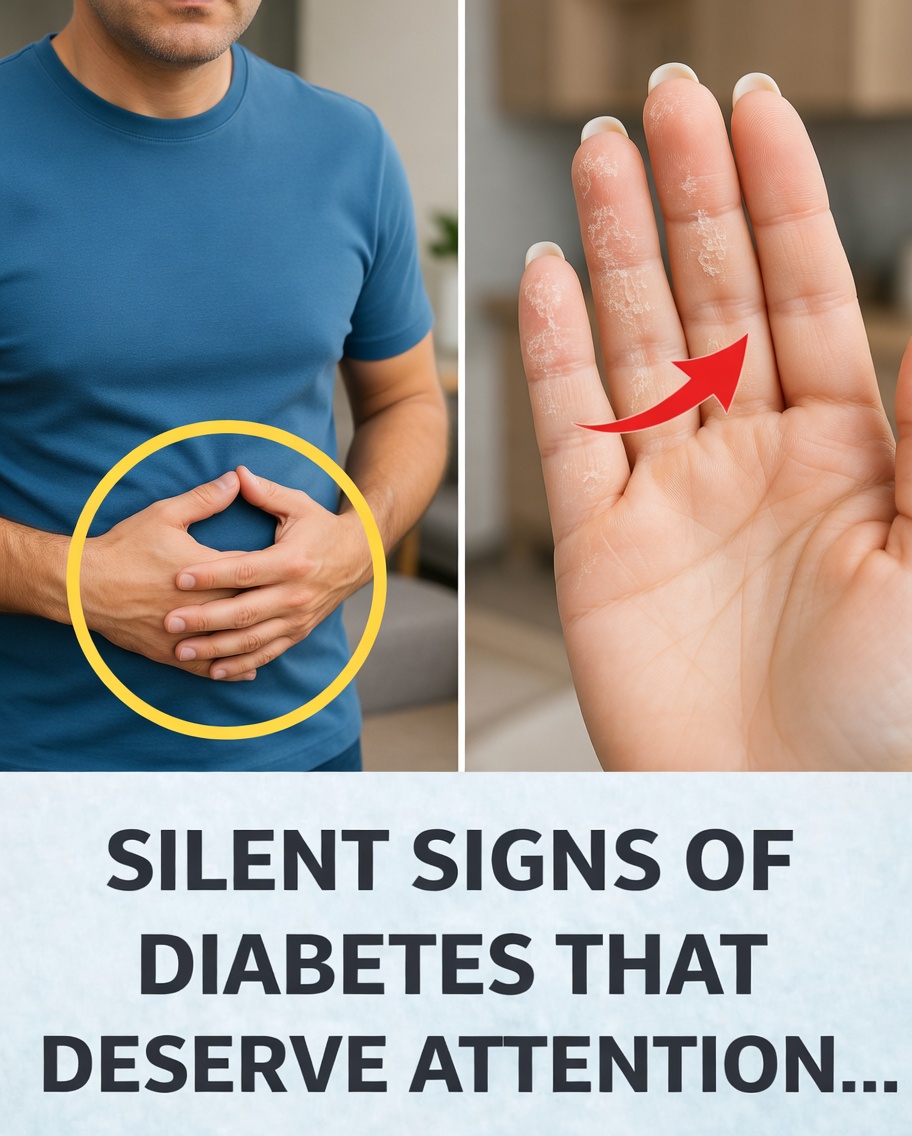
9 Early Signs Your Body May Be Struggling With Blood Sugar Control
Many people move through the day feeling slightly different than usual—more tired, thirstier, or surprised that a small cut is taking longer to heal. Because these changes seem minor, they are often blamed on stress, aging, lack of sleep, or not drinking enough water. However, they can sometimes be early signs that the body is having trouble managing blood sugar.
Major health organizations report that millions of people live with high blood sugar for years without knowing it, mainly because the warning signs can start out mild. Recognizing these clues early can help you take smarter steps for your health. There is also one simple daily habit that many people ignore, yet it can help you notice patterns sooner and feel more in control—keep reading to the end to learn what it is.
Why High Blood Sugar Can Cause These Symptoms
When blood sugar rises above a healthy range, the body has to work harder to handle the extra glucose. The kidneys begin pulling more water from the body to remove that excess sugar, which can lead to increased thirst, more frequent urination, and low energy. These reactions are the body’s way of trying to rebalance itself, but over time they can become exhausting if the underlying issue is not addressed.
The challenge is that these symptoms often look like normal everyday problems. A demanding schedule, poor sleep, or dehydration can create similar experiences. That is why it helps to understand the most common signs experts often point to.
1. Constant Thirst
If you keep drinking water but still feel thirsty, it may be worth paying attention. Elevated blood sugar can pull fluid from body tissues, leaving you dehydrated even when you are trying to hydrate.
Common experiences include:
- Thirst that returns quickly after drinking
- A dry mouth that lasts much of the day
- Wanting cold drinks more often than usual
2. Urinating More Often
Frequent bathroom trips—especially waking up several times overnight—can be another early clue. As the kidneys filter out extra glucose, they also produce more urine. This often creates a cycle of urination and thirst.
People often notice:
- More daytime bathroom visits without drinking extra fluids
- Nighttime urination that interrupts sleep
- A clear change from their usual routine
3. Ongoing Fatigue Despite Rest
Sleeping enough but still feeling worn out by midday is frustrating. When glucose is not being used efficiently by cells, the body may struggle to produce steady energy. Blood sugar swings are often linked to this type of persistent tiredness.
This fatigue can also make ordinary tasks feel harder than they normally do.

4. Feeling Hungry Soon After Eating
It can be confusing to feel hungry not long after a meal. If the body is not using glucose properly, cells may still signal for more fuel, even when you have eaten enough.
This may look like:
- Cravings after what should have been a satisfying meal
- Sudden and strong hunger
- Trouble staying full for very long
5. Unexpected Weight Changes
Losing or gaining weight without major changes in diet or exercise can be another sign. In some cases, the body starts using fat and muscle for energy when glucose is not available to cells efficiently, which may lead to weight loss. In other situations, increased hunger and extra eating can contribute to weight gain.
6. Blurry or Fluctuating Vision
If your vision sometimes seems fuzzy or harder to focus, blood sugar changes may be part of the reason. Shifts in body fluid can temporarily affect the lens of the eye, causing vision to change from time to time.
Health experts often recommend monitoring this symptom closely, especially when it appears alongside others on this list.
7. Tingling, Burning, or Numbness in the Hands and Feet
A mild pins-and-needles sensation may not seem serious at first. But over time, prolonged high blood sugar can affect nerves, often beginning in the fingers or toes.
Possible sensations include:
- Tingling in the feet or hands
- Occasional numbness
- A burning feeling in the extremities
8. More Frequent Infections
Getting infections more often than usual may also be connected to blood sugar issues. Higher glucose levels can affect how well the body defends itself in certain areas.
Examples may include:
- Recurrent urinary discomfort
- Skin problems that take longer to clear
- Gum or oral health concerns
- Yeast infections occurring more often than before
9. Cuts and Sores That Heal Slowly
A small scrape or cut that lingers for weeks instead of days is another sign worth noticing. Changes in circulation and immune function related to blood sugar can slow the body’s natural repair process.
Quick Comparison of Common Blood Sugar Warning Signs
-
Constant thirst
- Why it may happen: The body loses more fluid while trying to remove excess glucose
- Daily impact: You may feel the need to keep a water bottle nearby all day
-
Frequent urination
- Why it may happen: The kidneys are working harder to filter out extra sugar
- Daily impact: Sleep and routines may be disrupted
-
Persistent fatigue
- Why it may happen: Cells are not getting energy efficiently
- Daily impact: Motivation and focus may drop
-
Increased hunger
- Why it may happen: Glucose is not being used properly for fuel
- Daily impact: More snacking without real satisfaction
-
Slow-healing wounds
- Why it may happen: Reduced circulation and slower repair processes
- Daily impact: Even minor injuries may become more concerning

Simple Steps You Can Start Today
Noticing symptoms is useful, but taking action matters even more. These practical habits can help you stay aware and support better daily health:
- Track your routine: Write down thirst, urination, meals, and energy levels for one week in a notebook or an app. Patterns are often easier to spot when recorded.
- Hydrate consistently: Drink water regularly, but also notice whether thirst continues despite good hydration.
- Add light movement: A short walk after meals may help the body use glucose more effectively. Even 10 to 15 minutes can be a good start.
- Build balanced meals: Focus on vegetables, lean protein, healthy fats, and whole grains. Smaller balanced meals may support steadier energy.
- Protect sleep and reduce stress: Poor sleep and chronic stress can affect blood sugar regulation, so simple calming routines can help.
One of the most useful habits is combining these observations with regular conversations with a healthcare professional. Guessing rarely gives the same clarity as tracking symptoms and sharing them with a doctor.
Why Early Awareness Matters
Health professionals consistently emphasize the value of noticing blood sugar changes early. Earlier action can support better day-to-day management through lifestyle changes, monitoring, and medical guidance. It may also help reduce the risk of long-term complications affecting the heart, eyes, kidneys, and nerves.
Many people who respond early to these warning signs say they feel more confident, more energetic, and more in control of their routines.
Daily Awareness Checklist
- Check in with your body at the same times each day
- Record symptoms objectively, without overthinking them
- Book a routine health check if several signs continue for more than a couple of weeks
- Bring your notes to a healthcare appointment
- Stay consistent with small habits, because they add up over time
Final Thoughts
Everyday symptoms like unusual thirst, frequent urination, lingering fatigue, blurred vision, or slow-healing cuts should not always be dismissed. Listening to these signals can be an important step toward understanding your health and supporting better blood sugar control.
The simple habit many people overlook is this: track your daily patterns. A few notes each day about thirst, energy, meals, and bathroom trips can reveal useful trends much earlier than memory alone. Combined with professional guidance, that awareness can make a meaningful difference.
Frequently Asked Questions
What should I do if I notice several of these signs?
If multiple symptoms continue, it is a good idea to speak with a healthcare professional. They may recommend tests, including a blood sugar check, to better understand what is happening.
Do these symptoms look the same for everyone?
No. Some people notice very mild or gradual changes, while others experience clearer symptoms. Age, activity level, and overall health can all influence how these signs appear.
Are these signs linked to only one type of blood sugar problem?
Not necessarily. These symptoms can appear in different blood sugar-related conditions, although the timing and severity may vary. That is why early awareness and individualized medical advice are so important.