
9 Inflammatory Foods to Avoid If You Have Arthritis (and What to Eat Instead)
Living with arthritis often means dealing with daily joint pain, stiffness, and fatigue that can make even simple tasks feel exhausting. While no single food will cure arthritis, what you eat can significantly influence inflammation levels, joint comfort, and overall quality of life.
One powerful — and often overlooked — strategy is to reduce or eliminate certain common foods that may aggravate inflammation. Below are 9 key foods to avoid if you have arthritis, plus simple, realistic swaps you can start using today.
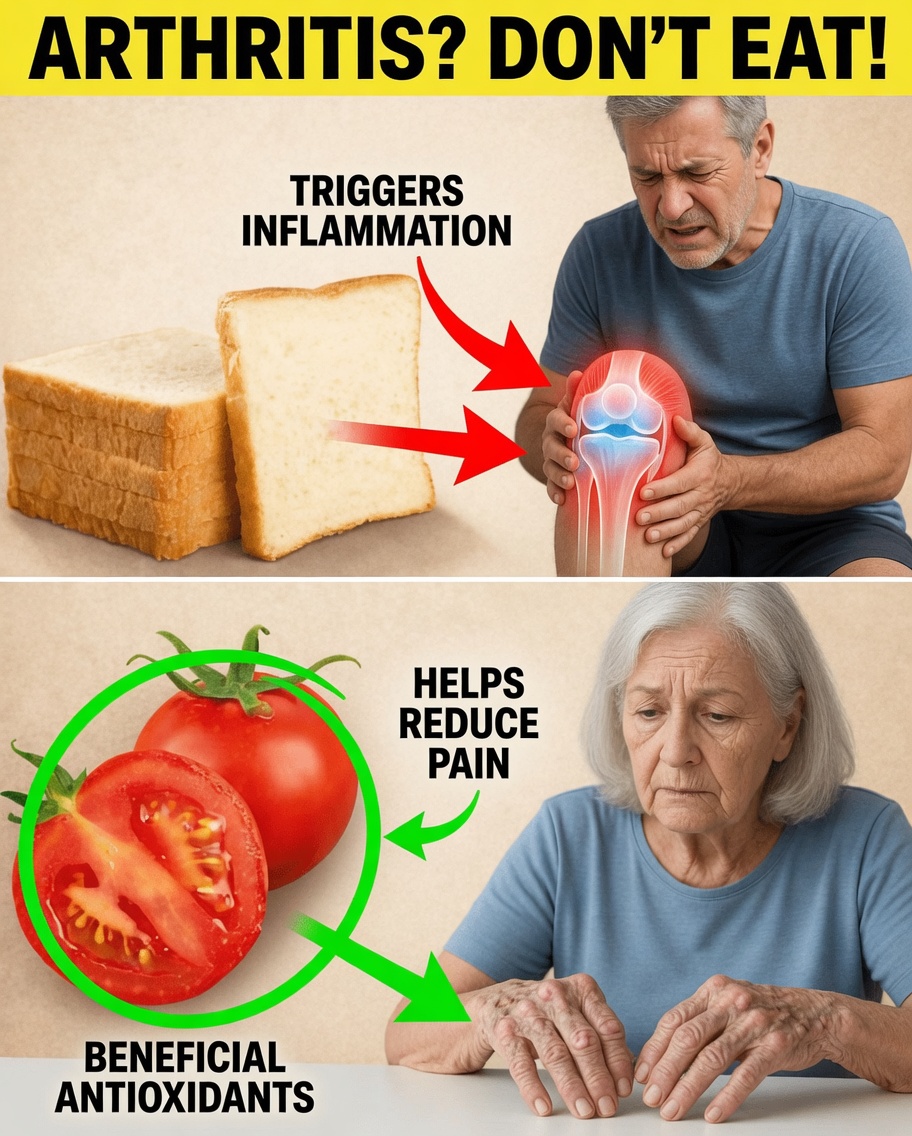
1. Processed and Fried Foods
Fast food, packaged snacks, frozen dinners, and other highly processed or deep-fried items can drive inflammation and worsen joint pain.
These foods often contain:
- Trans fats and unhealthy oils that promote inflammatory responses
- High levels of sodium, which can contribute to fluid retention and swelling
- Excess calories that may lead to weight gain and increased pressure on weight-bearing joints
Better alternative:
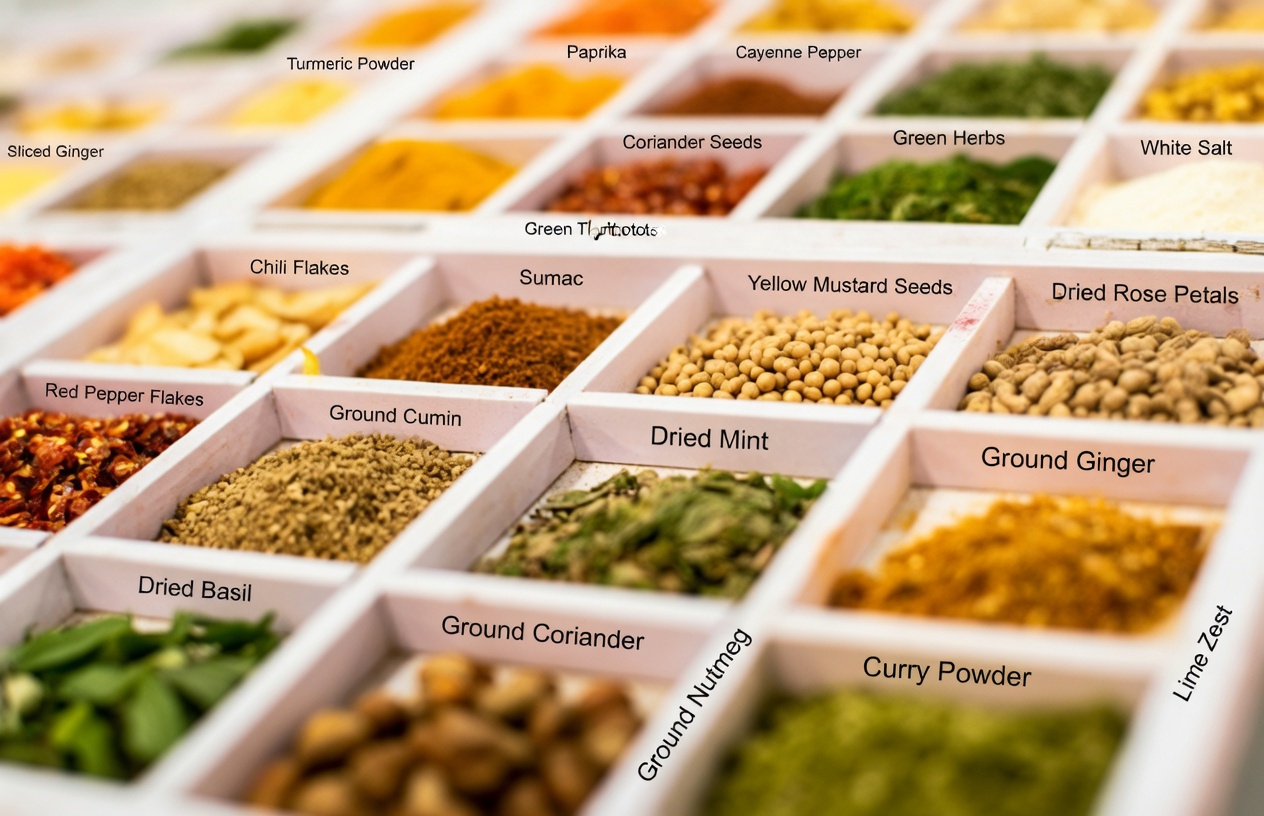
Prioritize home-cooked meals made from fresh, whole ingredients. Bake, steam, or grill foods instead of frying, and season with herbs and spices rather than relying on processed sauces.

2. Sugar and Sugary Drinks
Regular consumption of sugary sodas, candies, pastries, and other sweets can increase inflammatory markers in the body, making arthritis symptoms more intense.
High sugar intake can:
- Trigger cytokines that fuel inflammation
- Worsen joint pain and stiffness
- Contribute to weight gain, putting additional stress on hips, knees, and ankles
Better alternative:
Reach for naturally sweet options such as fresh fruit, or use small amounts of honey or maple syrup when needed. Choose water, sparkling water, or unsweetened herbal tea instead of sugary drinks.
3. Refined Carbohydrates
White bread, white rice, standard pasta, and many baked goods are refined carbohydrates that can spike blood sugar and promote inflammation.
These foods may:
- Increase inflammatory cytokine activity
- Leave you with energy highs and crashes, worsening fatigue
- Exacerbate swelling and discomfort in already sensitive joints
Better alternative:
Choose whole-grain options such as:
- Brown or wild rice
- Quinoa, barley, or oats
- Whole wheat or multigrain bread and pasta
These provide fiber, steadier energy, and better support for overall metabolic and joint health.

4. Dairy Products
Some people with arthritis find that dairy products like milk, cheese, yogurt, and butter can aggravate joint pain and stiffness, potentially due to sensitivity to certain dairy proteins.
For some forms of inflammatory arthritis, such as rheumatoid arthritis, dairy may:
- Intensify inflammation in susceptible individuals
- Contribute to increased joint discomfort and stiffness
Because responses to dairy are highly individual, it can be useful to experiment and see how your body reacts.
Better alternative:
Try plant-based milk and dairy substitutes, such as:
- Almond, soy, oat, or coconut milk
- Dairy-free yogurt and cheese alternatives
Monitor your symptoms to see if reducing dairy leads to noticeable improvements.
5. Red and Processed Meats
Red meats (such as beef and lamb) and processed meats (like sausages, bacon, and deli meats) often contain high levels of saturated fat and compounds called advanced glycation end products (AGEs), both of which can promote inflammation.
These meats may:
- Raise inflammatory markers in the body
- Increase joint pain and swelling
- Add to the overall burden on your joints and cardiovascular system
Better alternative:
Opt for leaner, less inflammatory protein sources, including:
- Fatty fish (salmon, mackerel, sardines) rich in omega-3 fatty acids
- Skinless chicken or turkey
- Plant-based proteins like lentils, beans, chickpeas, and tofu

6. Alcohol and Beer
Excessive alcohol — especially beer — can be problematic for people with arthritis, particularly gout.
Alcohol can:
- Raise uric acid levels and purine load, triggering gout flares
- Increase general inflammation and worsen joint stiffness
- Contribute to fatigue, poor sleep, and reduced recovery
Even moderate drinking may aggravate symptoms in some individuals.
Better alternative:
Stay well hydrated with:
- Water
- Herbal teas
- Infused water with lemon, cucumber, or berries
If you drink alcohol, discuss safe and appropriate limits with your healthcare provider.
7. High-Sodium Foods
Many packaged and restaurant foods are loaded with salt, which can worsen arthritis symptoms.
Common high-sodium culprits include:
- Canned soups and instant noodles
- Processed meats and salty snacks
- Many sauces, condiments, and ready-made meals
Too much sodium can:
- Cause water retention and joint swelling
- Make stiffness and pain feel more intense
Better alternative:
Flavor your food with:
- Fresh or dried herbs (basil, oregano, thyme, rosemary)
- Spices (turmeric, cumin, paprika, ginger)
- Citrus juice, garlic, or vinegar
Check labels and choose low-sodium or no-salt-added options whenever possible.
8. Vegetable Oils High in Omega-6
Certain common cooking oils are high in omega-6 fatty acids, which, in excess and without enough omega-3s, can promote inflammation.
Oils to use cautiously include:
- Corn oil
- Soybean oil
- Sunflower and safflower oils (regular, not high-oleic varieties)
An imbalanced omega-6 to omega-3 ratio is associated with increased inflammatory activity and can make arthritis symptoms more noticeable.
Better alternative:
Use oils with a better fatty acid profile, such as:
- Extra-virgin olive oil
- Avocado oil
- Flaxseed or walnut oil (best used cold, not for high-heat cooking)
These choices can support a more anti-inflammatory diet pattern.
9. Artificial Additives and Preservatives
Many processed foods contain artificial additives, preservatives, and flavor enhancers such as monosodium glutamate (MSG). For some people with arthritis, these ingredients may trigger or intensify inflammation.
They can be found in:
- Packaged snacks
- Instant meals and seasonings
- Processed sauces, dressings, and fast food
These additives may contribute to more frequent or more intense flare-ups.
Better alternative:
Focus on minimally processed, whole foods:
- Fresh vegetables and fruits
- Whole grains, legumes, nuts, and seeds
- Fresh meats and fish rather than processed versions
Reading ingredient labels carefully helps you avoid unwanted additives and better protect your joint health.

Practical Tips to Start Changing Your Arthritis Diet
Small, steady changes are easier to maintain than a complete overhaul. Here are some simple ways to begin:
-
Keep a food and symptom journal for one week.
Note what you eat and when flare-ups occur. Look for patterns between certain foods and increased pain or stiffness. -
Tackle one category at a time.
For example, start by cutting back sugary drinks this week, then refined carbs the next week, and so on. -
Work with a professional.
A registered dietitian or nutritionist familiar with arthritis can help design a sustainable, anti-inflammatory eating plan tailored to your needs. -
Combine diet with gentle movement.
Low-impact activities like walking, swimming, or yoga can support joint function and complement your nutrition changes.
Quick Comparison: Foods to Avoid vs. Healthier Swaps
| Foods to Avoid (Arthritis Triggers) | Better Alternatives for Joint Health |
|---|---|
| Processed snacks and fried foods | Home-cooked meals, roasted veggies, grilled proteins |
| Sugary sodas, candies, pastries | Fresh fruits, water, herbal teas |
| White bread, white rice, regular pasta | Whole-grain bread, brown rice, quinoa, whole-grain pasta |
| Full-fat processed red and deli meats | Fatty fish, lean poultry, beans, lentils |
| High-sodium canned and packaged foods | Low-sodium or homemade versions, herbs and spices |
| Oils high in omega-6 (corn, soybean, etc.) | Olive oil, avocado oil, flaxseed or walnut oil |
| Foods with artificial additives and MSG | Fresh, whole foods with simple ingredient lists |
Final Thoughts
Adjusting your diet will not cure arthritis, but reducing these 9 common trigger foods can help lower inflammation and may ease some of the daily pain, stiffness, and fatigue you experience. Over time, many people notice improved comfort, more consistent energy, and a greater sense of control over their symptoms.
Use these guidelines alongside — not instead of — your medical treatment plan, and always talk with your healthcare provider before making major dietary changes.
Frequently Asked Questions
Can avoiding these foods completely stop arthritis symptoms?
No. Arthritis is a complex condition influenced by many factors, including genetics, activity level, and overall health. However, many people find that limiting inflammatory foods and focusing on a more anti-inflammatory eating pattern can reduce flare-ups, ease pain, and improve day-to-day function.
How soon might I notice changes in my arthritis discomfort?
This varies from person to person. Some people notice subtle improvements in joint stiffness and energy within 1–2 weeks of changing their diet, while for others it may take several weeks or months. Consistency is key — track your symptoms over time to see how your body responds.
Do I need to avoid all 9 food categories completely?
Not necessarily. Some people are more sensitive to certain foods than others. Use the list as a guide, experiment with reducing or eliminating one category at a time, and pay attention to how your joints feel. A personalized approach usually works best.
Should I talk to my doctor before changing my diet?
Yes. Especially if you take medications for arthritis, gout, or other conditions, consult your doctor or a registered dietitian. They can help ensure your new eating plan is safe, balanced, and supportive of your overall treatment strategy.