9 Overlooked Menopause Symptoms Many Women Don’t Expect
Many women in their 40s and 50s begin noticing physical and emotional changes that seem to appear out of nowhere. While hot flashes and poor sleep are widely discussed, there are several lesser-known menopause symptoms that can feel confusing, irritating, and even alarming.
These changes are often driven by shifting hormone levels, especially estrogen, which affects far more than reproductive health. Hormonal fluctuations can influence the heart, skin, joints, mood, digestion, memory, and more, creating symptoms that may seem unrelated at first.
The good news is that recognizing these signs early can help you take simple, practical steps to feel more balanced again. And near the end, we’ll cover one easy daily habit many women say offers steady, long-term support.
Why These Unexpected Menopause Symptoms Happen
During perimenopause and menopause, estrogen and other hormone levels naturally decline. Because these hormones help regulate many systems throughout the body, the transition can lead to a broad range of effects beyond the classic symptoms.
Health organizations such as the Mayo Clinic note that hormonal changes during this stage can impact cardiovascular function, skin health, cognition, digestion, emotional stability, and musculoskeletal comfort. That’s why menopause can show up in ways many women do not immediately recognize.
Although these symptoms can feel isolating, they are common. Once you understand what may be happening, it becomes easier to respond with daily habits that support your body and mind.
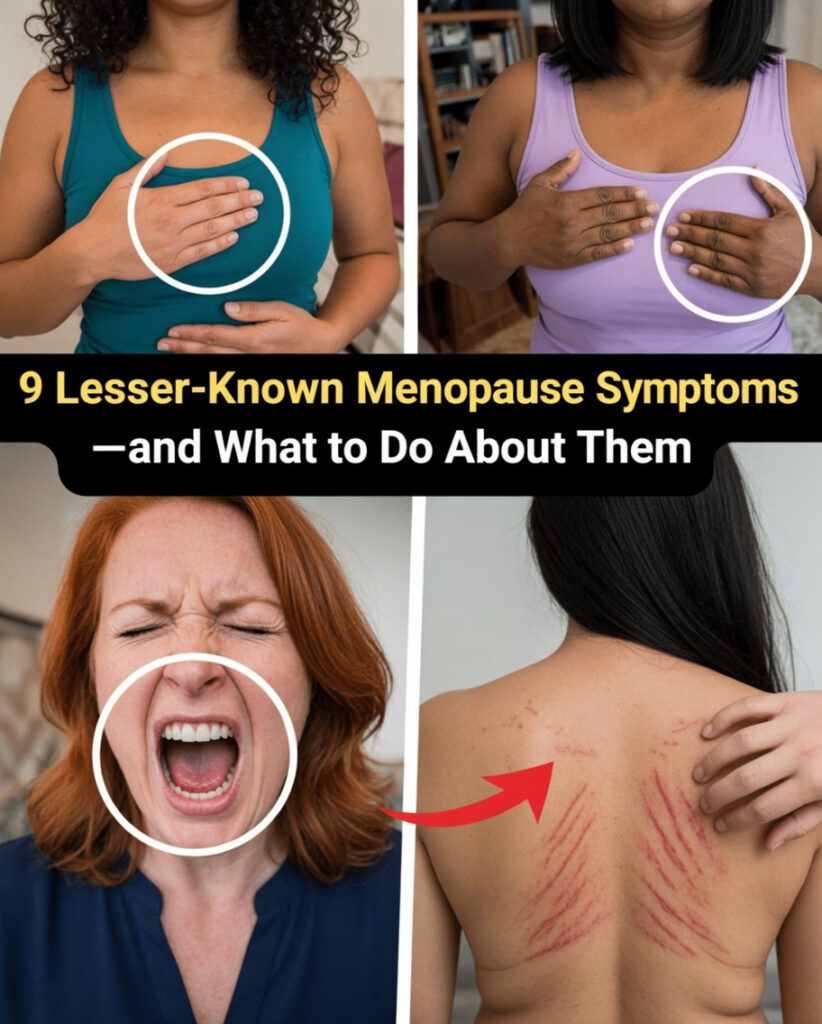
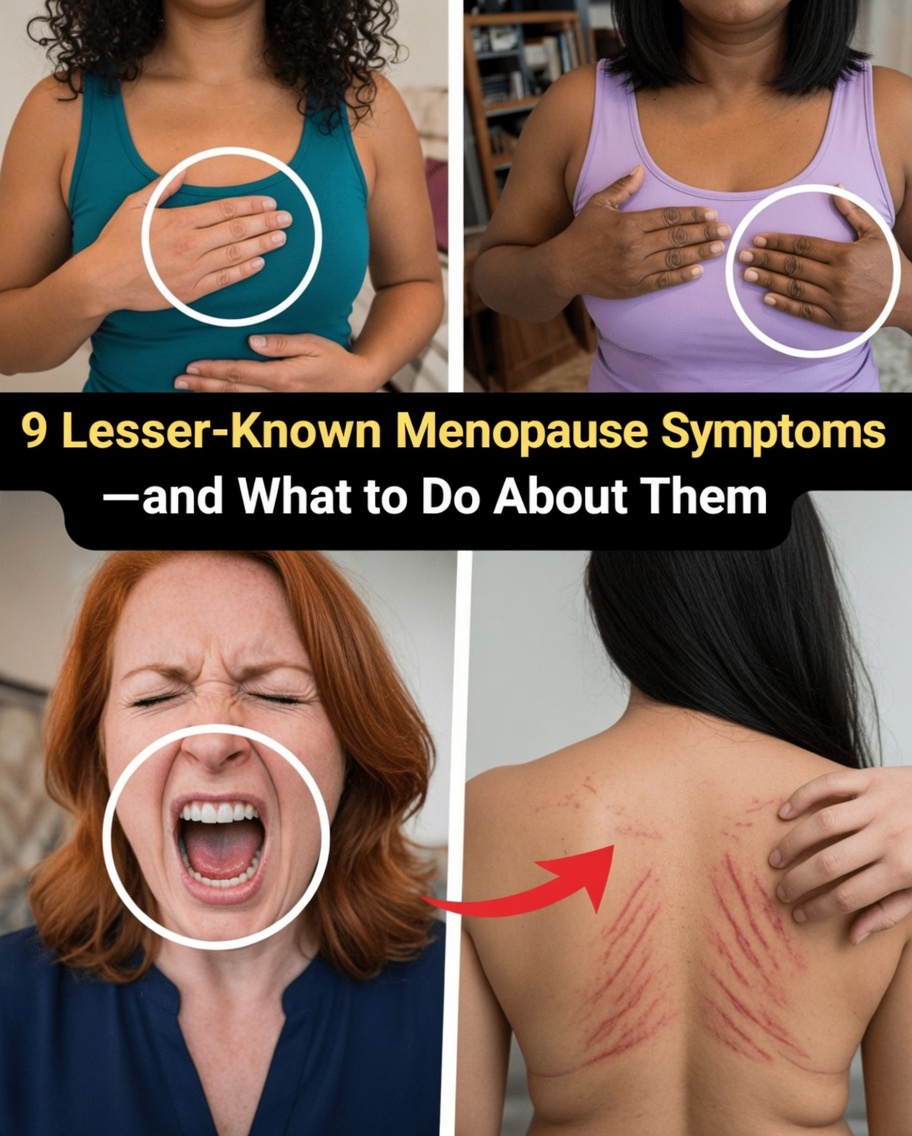
1. Heart Palpitations
A sudden pounding, fluttering, or skipped-beat sensation in your chest can be unsettling, especially if it happens while you are resting. In many cases, these palpitations are linked to hormonal shifts that affect the cardiovascular system.
Research suggests that as many as 40% of women in perimenopause experience this symptom. In menopause-related cases, it is often harmless, but it is still important to mention it to a healthcare professional.
What may help
- Reduce caffeine and alcohol intake, as both can trigger episodes.
- Use slow, deep breathing when the sensation begins.
- Stay active with moderate exercise such as walking.
- Track when symptoms happen so you can identify patterns and discuss them with your doctor if needed.
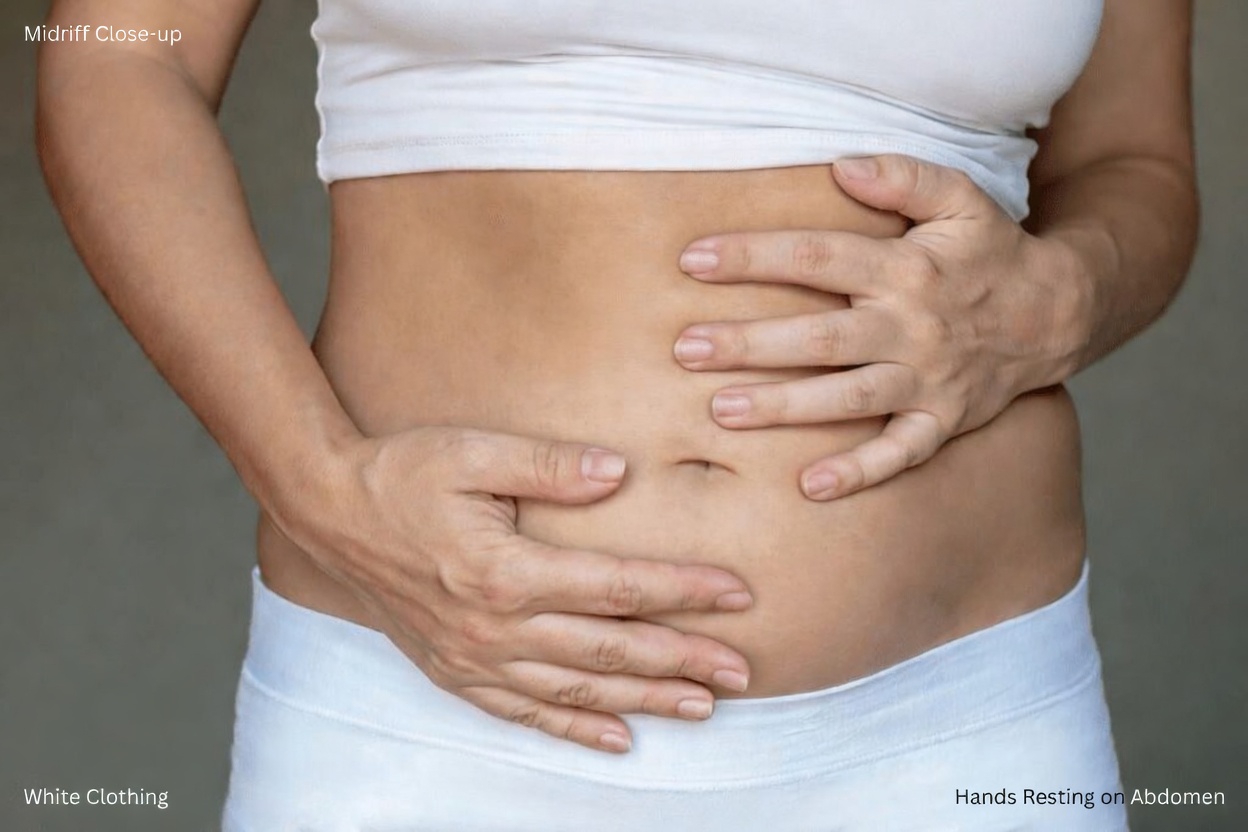
2. Belly Bloating and Midsection Changes
You may notice your waistband feels tighter or your stomach seems more bloated even though your eating habits have not changed much. Hormonal fluctuations can affect both fat distribution and digestion, which is why the midsection often changes during this time.
This can be frustrating, especially when you are trying to maintain your usual shape and energy. Fortunately, small adjustments can often improve comfort.
Practical ways to ease bloating
- Eat smaller meals more often instead of very large portions.
- Increase fiber gradually to support digestion.
- Take a gentle walk after meals.
- Include flavonoid-rich foods, such as citrus fruits, as part of a balanced diet. Some research suggests they may support vascular comfort.

3. Itchy Skin or Crawling Sensations
If your skin suddenly feels dry, prickly, or as if something is crawling on it, you are not imagining it. Lower estrogen levels reduce moisture and collagen in the skin, which can make it thinner, drier, and more sensitive.
For many women, this becomes one of the most irritating surprises of menopause. The most effective approach is usually consistent, gentle skin care.
Daily tips for relief
- Apply fragrance-free moisturizer immediately after bathing.
- Choose lukewarm showers instead of hot water.
- Wear soft, breathable fabrics.
- Drink enough water throughout the day.
4. Irritability and Sudden Mood Changes
Feeling unusually short-tempered, emotional, or overwhelmed by small things can be one of the hardest parts of this transition. Hormones influence brain chemicals involved in emotional regulation, so these reactions are physical, not simply a matter of willpower.
Mood swings can affect work, family life, and self-confidence. Building supportive routines can help stabilize your emotional baseline.
Ways to support emotional balance
- Protect your sleep with a relaxing bedtime routine.
- Move your body regularly, even if it is only 20 minutes of yoga or stretching.
- Use mindfulness, breathing breaks, or journaling to process feelings.
- Reach out to trusted friends, or seek professional support if symptoms persist.
5. Brain Fog and Forgetfulness
Walking into a room and forgetting why, losing your train of thought, or struggling to find the right word can all be part of menopause-related brain fog. Estrogen helps support cognitive sharpness, so lower levels can affect memory and concentration.
This can be especially discouraging when it begins to interfere with work or daily tasks. The reassuring part is that healthy routines often improve mental clarity.
Strategies for clearer thinking
- Follow a consistent daily routine to reduce mental overload.
- Stimulate your brain with reading, puzzles, or learning something new.
- Include foods rich in B vitamins, such as leafy greens.
- Avoid multitasking whenever possible and give yourself patience during this stage.
6. Joint Pain and Muscle Stiffness
Aching knees, sore hands, back discomfort, or tight muscles can develop even without injury or extra physical strain. Lower estrogen may contribute to inflammation and affect connective tissue, making joints and muscles feel less comfortable.
This symptom can make normal movement feel harder than it used to. Gentle, regular motion is often one of the best first steps.
Helpful habits
- Stretch daily or try gentle yoga.
- Maintain a healthy weight to reduce pressure on joints.
- Use warm baths or a heating pad for relief.
- Wear supportive shoes and use posture-friendly chairs.
7. Burning Mouth or Changes in Taste
Some women experience a burning, tingling, or unusual taste in the mouth during menopause. Although it is not widely discussed, this symptom may be related to hormonal effects on oral tissues and nerve sensitivity.
It can make eating, drinking, or speaking uncomfortable, but it often improves over time with supportive care.
Simple relief ideas
- Sip cold water regularly or suck on ice chips.
- Avoid spicy or acidic foods if they make symptoms worse.
- Use a gentle toothpaste and maintain good oral hygiene.
- Stay well hydrated and consider using a humidifier at night.
8. Dizziness or Brief Vertigo
Lightheadedness or a short spinning sensation can also appear during the menopause transition. Hormonal changes may affect balance, blood flow, and inner-ear function, making these episodes more common than many women realize.
Because dizziness can feel unsettling, especially while walking or driving, it helps to take simple precautions.
Ways to stay steady
- Stand up slowly after sitting or lying down.
- Drink enough fluids throughout the day.
- Avoid sudden head movements when possible.
- Practice simple balance exercises, such as briefly standing on one foot.
- Keep track of episodes and bring them up at your next medical appointment.
9. Thinning Hair and Brittle Nails
More hair in the shower drain or nails that chip and split easily can also be linked to menopause. Estrogen supports hair growth and nail strength, so declining levels may show up in these visible ways.
Because these changes affect appearance, they can take a toll on confidence. The encouraging part is that supportive nutrition and gentle care can make a difference.
Daily habits that help
- Eat enough protein and include biotin-rich foods like eggs and nuts.
- Choose mild hair products without harsh chemicals.
- Keep nails trimmed and moisturized.
- Limit heat styling and avoid tight hairstyles that pull on the hair.
Lifestyle Habits That Can Help Across All 9 Symptoms
There is no single solution for every menopause symptom, but certain habits can improve several of them at once. Research consistently points to exercise, nutritious eating, stress management, and quality sleep as key tools for navigating this transition more comfortably.
High-impact habits to focus on
- Aim for at least 150 minutes of moderate exercise each week, including both cardio and strength work.
- Fill half your plate with colorful vegetables, fruits, and whole grains.
- Practice stress-reducing techniques like meditation or deep breathing for 10 minutes a day.
- Prioritize 7 to 9 hours of sleep in a cool, dark, quiet room.
Natural Ingredients and Nourishing Support
Many women also explore natural ways to complement healthy lifestyle changes. A nutrient-dense routine that includes protein, fiber, healthy fats, leafy greens, seeds, nuts, and antioxidant-rich produce may support energy, skin, hair, mood, and digestion during menopause.
If you are considering supplements or herbal ingredients, it is always wise to speak with a qualified healthcare provider first, especially if you take medication or have underlying health concerns.
One Everyday Habit That Can Make a Real Difference
One of the most helpful daily habits for many women is simply taking a walk every day.
A consistent walk can support heart health, reduce stress, improve mood, ease bloating, help joints stay mobile, sharpen thinking, and promote better sleep. It does not need to be intense to be effective. Even 20 to 30 minutes of walking most days can provide steady support across many of the symptoms listed above.
Final Thoughts
Menopause can bring changes that feel unexpected, especially when they do not match the symptoms everyone talks about. Heart palpitations, itchy skin, bloating, mood swings, brain fog, joint aches, burning mouth, dizziness, and hair or nail changes are all symptoms many women experience during this phase.
Understanding these lesser-known signs can help you respond sooner, feel more in control, and build supportive habits that fit into everyday life. Small steps done consistently often make the biggest difference.