
Subtle Memory Changes After 50: When to Consider the Early Signs of Alzheimer’s Disease
Many adults over 50 experience small lapses—forgetting a recent conversation, misplacing an item, or losing track of a simple plan. While these moments can be harmless, repeated patterns may also reflect early signs of Alzheimer’s disease that shouldn’t be ignored. When you find yourself asking the same question again or feeling unusually unsettled by “simple” forgetfulness, it can affect confidence and create a sense of isolation.
Learning how to recognize the early signs of Alzheimer’s disease gives individuals and families a chance to respond sooner, build supportive habits, and feel more in control. The final section includes a quick daily check you can use to track changes more calmly and consistently.

Why Noticing the Early Signs of Alzheimer’s Disease Matters
After 50, it’s easy to label forgetfulness as “normal aging.” However, certain recurring patterns are more consistent with early signs of Alzheimer’s disease, which research associates with changes in brain function. These signs often appear gradually, but when overlooked, they may eventually interfere with independence and everyday safety.
Awareness matters for another reason: people who can describe specific changes—when they started, how often they happen, and what they affect—tend to have clearer, more productive conversations with healthcare professionals. It’s worth pausing and asking: are these moments occasional, or are they starting to disrupt routine life?

The Key Difference: Typical Aging vs. Early Signs of Alzheimer’s Disease
What surprises many families is that early signs of Alzheimer’s disease often stand out not because someone forgets once in a while, but because the forgetfulness interrupts familiar tasks. Instead of “Where did I put my keys?” it becomes “I can’t remember what I was doing, even with reminders,” or “I can’t complete something I’ve done for years.”
When families learn what to look for, they frequently report feeling less overwhelmed—and better prepared to take practical next steps.
Sign #1: Memory Loss That Disrupts Daily Life
One of the most recognized early signs of Alzheimer’s disease is difficulty remembering recent information—such as appointments, recent conversations, or plans—while older memories may remain clearer. This goes beyond occasional forgetfulness and can start to affect everyday organization, like planning a short outing or keeping track of routine responsibilities.
Many people describe this as a persistent “mental fog” that creates stress and chips away at self-trust. A helpful approach is simple tracking: writing a brief evening note about any moments that felt noticeably different can reveal patterns over time.

A practical self-check:
- Notice whether these memory disruptions happen more than once per week
- Rate your dependence on reminders (phone alerts, sticky notes, repeated calls) on a 1–10 scale
Sign #2: Word-Finding Problems and Interruptions in Speech
Another common and frustrating change involves language—struggling to recall a familiar word, name, or phrase mid-sentence. These early signs of Alzheimer’s disease can make conversations feel stressful, sometimes leading people to withdraw socially to avoid embarrassment.
Gentle practice can help you monitor changes without pressure. For example, describing objects out loud (a “naming exercise”) may support awareness and confidence, especially when done consistently.
Try tracking:
- How many “tip-of-the-tongue” moments occur in a typical day
- Whether the difficulty is occasional or increasingly frequent
Sign #3: Difficulty Planning or Solving Problems
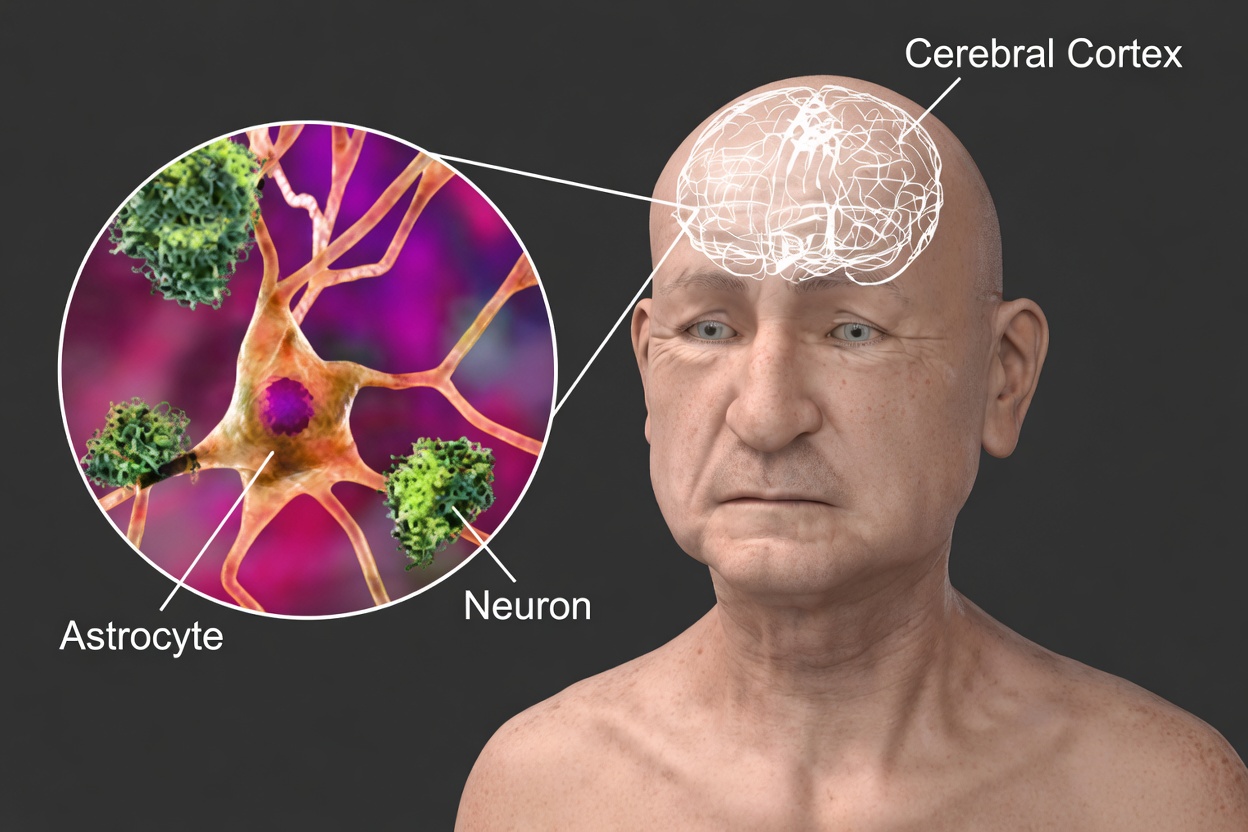
Challenges with planning—like following a well-known recipe, managing a household budget, or keeping steps in order—can also be early signs of Alzheimer’s disease. Tasks that used to feel automatic may suddenly feel overwhelming, triggering self-doubt or frustration.
Breaking activities into smaller steps often reduces stress and helps maintain independence. Some people find that timers, simple apps, or written checklists make routines easier to manage.
Ask yourself:
- Do routine decisions take noticeably longer than before?
- Do multi-step tasks feel more confusing or draining than they used to?
Sign #4: Misplacing Items in Unusual Locations
Putting everyday objects in illogical places—like keys in the refrigerator or a wallet in the pantry—can feel especially alarming. This pattern is often mentioned among early signs of Alzheimer’s disease because it differs from ordinary misplacement: the location doesn’t make sense, and retracing steps becomes difficult.
A calming, practical strategy is to create “designated homes” for essential items (keys, glasses, phone) and reinforce the habit consistently.
A quick way to monitor it:
- Keep a short daily log of unusual misplacements
- Rate frequency on a 1–10 scale to see whether it’s becoming more common
Sign #5: Confusion About Time or Place
Losing track of dates, mixing up time, or feeling disoriented in a familiar area can be early signs of Alzheimer’s disease that raise safety concerns. These moments may create sudden panic—during routine drives, regular appointments, or ordinary errands—often leading to fewer outings and increased isolation.
Helpful anchors include digital calendars, clearly visible clocks, and consistent routines that reduce decision fatigue. Families often find that a predictable schedule restores a greater sense of stability.

Reflect on:
- How often you feel uncertain about the day, time, or sequence of events
- Whether familiar places ever feel unexpectedly unfamiliar
Sign #6: Mood or Personality Shifts
Emotional and behavioral changes can be overlooked, yet they’re frequently reported as early signs of Alzheimer’s disease. Increased irritability, withdrawal, sudden suspicion, or a noticeable change in personality can strain relationships and leave loved ones confused about what’s happening.
Supportive habits—like gentle physical activity, regular social check-ins, and calmer communication—may help reduce tension while you track patterns. Compassionate conversations matter, especially when emotional shifts are new or escalating.
A simple tracking idea:
- Check your emotional steadiness weekly (e.g., calm, anxious, irritable, withdrawn) and note any triggers
Sign #7: Poor Judgment or Uncharacteristic Decision-Making
Changes in judgment—making choices that feel out of character or unusually risky—can also be among the early signs of Alzheimer’s disease. This may show up in everyday decisions, especially when the person would previously approach the same situation with more caution or clarity.
If you notice repeated questionable choices, document what happened and when. Patterns and context can be valuable when discussing concerns with a clinician.

A Quick Daily Check to Track the Early Signs of Alzheimer’s Disease (2 Minutes)
Use this short, consistent routine once per day—ideally in the evening:
- Memory: Did you forget something important today (appointment, plan, conversation)?
- Language: Did you struggle to find common words or names more than usual?
- Tasks: Did a familiar activity feel confusing or unusually hard to complete?
- Items: Did you lose something and find it in a strange place?
- Orientation: Did you feel unsure about time, date, or a familiar location?
- Mood: Did you feel noticeably more irritable, suspicious, or withdrawn than usual?
- Judgment: Did you make a decision that felt unusually unlike you?
Then write a single line: “Today felt normal / slightly off / clearly off” and, if relevant, a brief note about what triggered it.
Final Thought
Not every lapse is a warning sign, and occasional forgetfulness is common. Still, if these patterns are persistent, increasing, or interfering with daily life, taking them seriously can reduce anxiety and help you seek the right support sooner. Recognizing the early signs of Alzheimer’s disease is not about panic—it’s about clarity, preparation, and protecting quality of life.