Foot Numbness and Tingling After 60: How Everyday Foods Can Make It Better (or Worse)
Waking up with pins-and-needles, reduced sensation, or a “buzzing” feeling in your feet can make mornings stressful and nights less restorative. For many adults over 60, foot numbness and tingling isn’t just a small inconvenience—it can chip away at confidence, balance, and the freedom to enjoy simple activities like walking, gardening, or playing with grandkids.
The encouraging part: without drastic dieting, small, enjoyable food swaps can support circulation, reduce inflammation, and help you feel steadier day to day. Stay to the end for a simple evening habit (involving dates and smarter choices) that many seniors say helps them wake up feeling more stable and less bothered by tingling.
The Everyday Impact of Foot Numbness and Tingling in Seniors
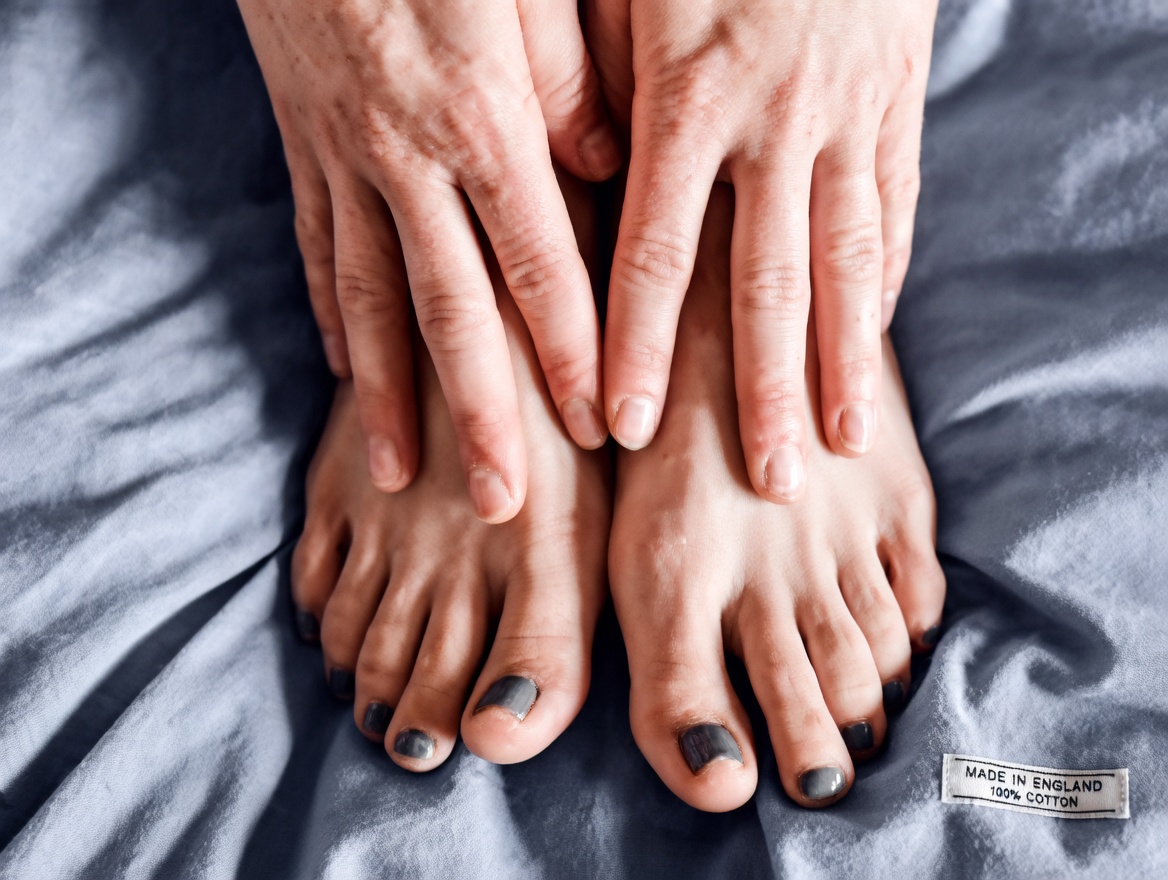
Foot numbness and tingling often begins quietly—maybe a mild “asleep” feeling after sitting—then gradually becomes more frequent. Over time, it can affect how far you feel comfortable walking and how confident you feel on stairs or uneven ground.
Many researchers point to age-related changes such as:
- Inflammation, which can irritate nerves
- Circulation shifts, which can reduce steady oxygen and nutrient delivery to the smallest nerve endings
- Blood sugar instability, which may worsen nerve sensitivity over time
But there’s another factor people often overlook: what’s on your plate every day.
How Your Diet Can Influence Nerve Comfort in Your Feet
Nerves rely on consistent blood flow, oxygen, and nutrients. When your meals regularly trigger blood sugar spikes, excess inflammation, or fluid retention, the result may show up as more noticeable numbness, tingling, or burning sensations in the feet (often discussed in connection with peripheral neuropathy).
This doesn’t mean food is the only cause—far from it. But for many seniors, diet is a practical place to start because:
- Small changes are easier than big lifestyle overhauls
- You can track how you feel after specific meals
- Gentle improvements often build confidence and momentum
The surprising truth is that awareness alone—simply noticing patterns—can reduce anxiety and help you feel more in control.

15 Common Foods Seniors May Want to Limit (and What to Choose Instead)
Below are 15 popular foods that may worsen inflammation, circulation issues, or blood sugar swings—factors often linked with tingling and numbness in the feet. You don’t need to eliminate everything; even reducing a few can make a difference.
1) Processed meats
Items like bacon, hot dogs, and deli meats often contain preservatives and excess sodium that may negatively affect circulation.
- Try instead: fresh turkey, beans, or lentils
2) White bread and refined pasta
Highly refined grains can raise blood sugar quickly, which may aggravate nerve discomfort.
- Try instead: whole grains, quinoa, or whole-wheat pasta
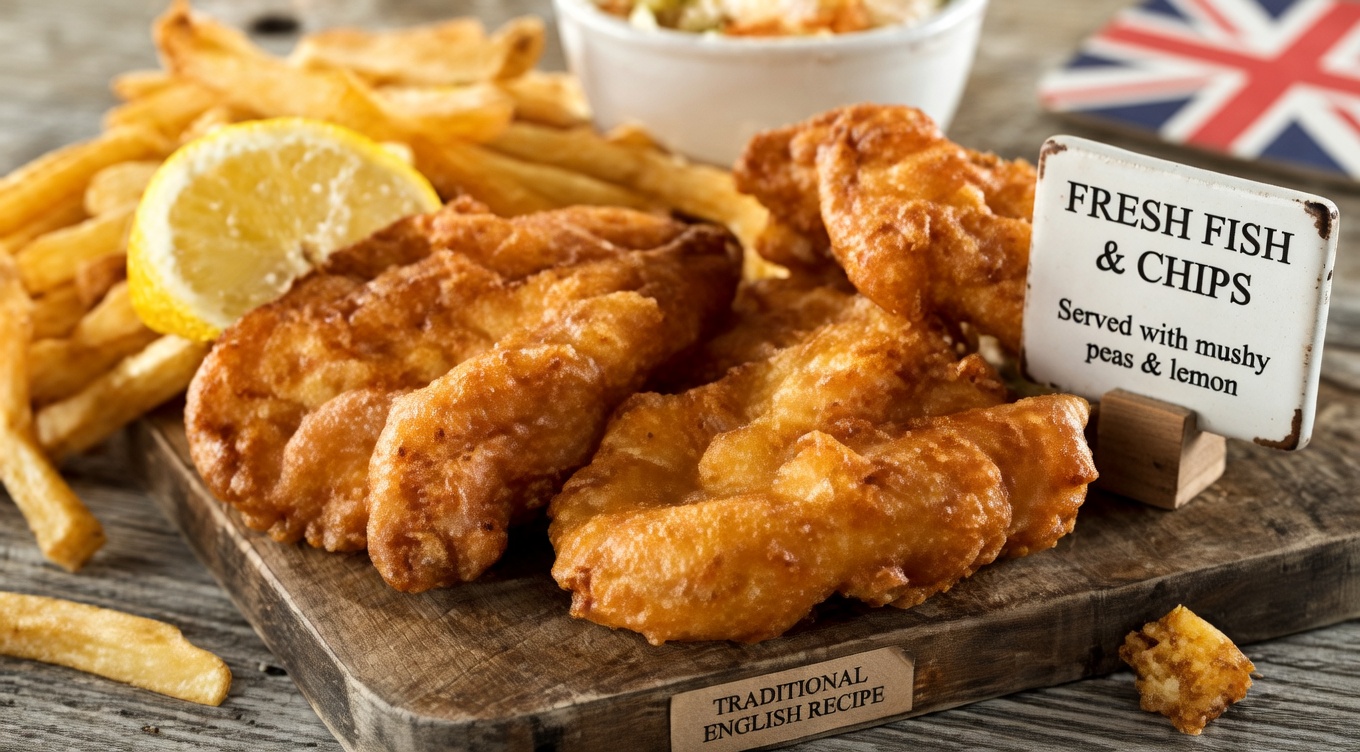
3) Deep-fried foods
Fried foods tend to be high in unhealthy fats that can drive inflammation.
- Try instead: oven-roasted or air-fried options with olive oil
4) Alcohol (even moderate amounts)
Alcohol can interfere with nutrient status—especially B vitamins—important for nerve function.
- Try instead: keep alcohol occasional; alternate with water or herbal tea
5) Sugary desserts and soda
Sugar spikes can increase inflammatory stress and may intensify tingling.
- Try instead: berries, plain yogurt with cinnamon, or a small piece of 70%+ dark chocolate
6) Excess salt
Too much sodium can contribute to water retention and swelling, potentially affecting circulation.
- Try instead: season with garlic, rosemary, pepper, lemon, or herbs
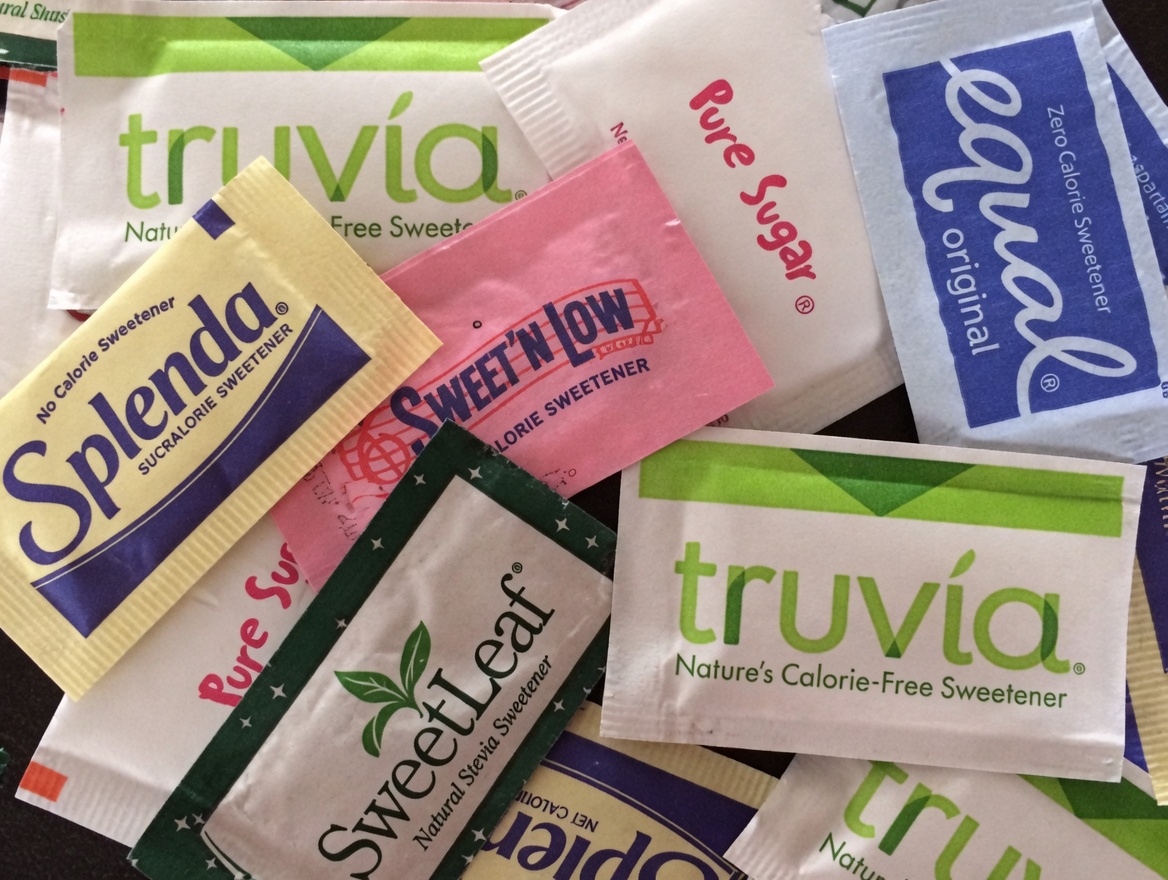
7) Artificial sweeteners (for sensitive individuals)
Some people report worse symptoms with certain sweeteners, possibly due to individual sensitivity.
- Try instead: stevia, or small amounts of honey if it fits your needs
8) Red meat (especially fatty cuts)
Higher saturated fat intake may affect cholesterol and blood flow in some people.
- Try instead: salmon, sardines, chia seeds, or flaxseed (omega-3 sources)
9) Canned soups and packaged meals
These are often high in sodium and additives.
- Try instead: homemade soup using low-sodium broth and vegetables
10) White rice
White rice digests quickly and can create blood sugar ups and downs.
- Try instead: brown rice, barley, or other high-fiber grains
11) High-fat dairy (cream, butter, full-fat cheese)
In some diets, high saturated fat may increase inflammation markers.
- Try instead: low-fat Greek yogurt, kefir, or unsweetened plant-based milk
12) Fast food burgers and fries
This combination of refined carbs, salt, and unhealthy fats may promote systemic inflammation.
- Try instead: home-cooked versions with lean protein and baked potatoes
13) Energy drinks
They often combine caffeine and sugar, which can create “crash” patterns and stress the system.
- Try instead: lemon-cucumber infused water or unsweetened tea
14) Margarine and shortening
Hydrogenated or highly processed fats may negatively affect blood vessels.
- Try instead: olive oil, avocado, or nut butters
15) Sugary breakfast cereals
Many cereals are dessert-level sweet, setting up a morning blood sugar spike.
- Try instead: plain oats topped with berries and nuts
Nerve-Friendly Food Swaps (Quick Reference)
| Category | Foods to Limit | Better Choices |
|---|---|---|
| Carbs | White bread, refined pasta, white rice | Oats, quinoa, brown rice, barley |
| Fats | Fried foods, margarine/shortening | Olive oil, avocado, nuts |
| Protein | Processed meats, fatty red meat | Fish, lentils, fresh turkey |
| Drinks | Soda, energy drinks, frequent alcohol | Herbal tea, infused water, water |
| Snacks | Sugary desserts, sweet cereals | Berries, dark chocolate, nuts |
These simple comparisons make shopping and meal planning easier—especially if you’re aiming to reduce foot tingling and numbness without feeling deprived.
Simple Daily Steps to Support More Comfortable Feet
You don’t need perfection. Start with one or two changes and pay attention to how your body responds over 1–2 weeks.
- Replace sugary cereal with oats + berries to support steadier blood sugar.
- Cook with herbs and spices instead of relying on salt.
- Choose baked or air-fried meals more often than deep-fried foods.
- Swap soda and energy drinks for infused water to support hydration and circulation.
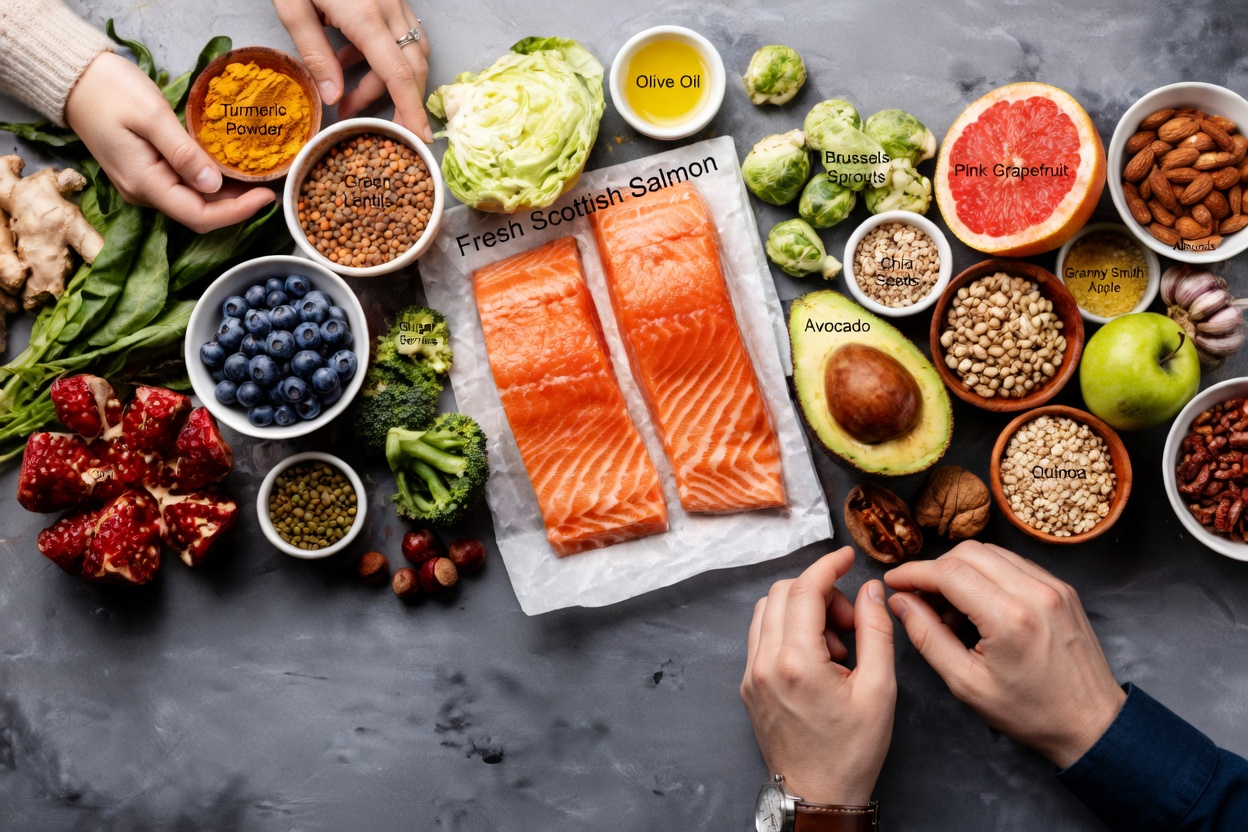
- Add omega-3-rich fish twice per week (or use flax/chia if you prefer plant options).
The “Evening Habit” Many Seniors Like: A Smarter Sweet Bite with Dates
If you crave something sweet at night, try this gentle routine: 1–2 dates paired with a handful of walnuts or almonds, plus a glass of water or herbal tea. Many older adults say this helps them avoid late-night snacking on sugary desserts and wake up feeling steadier.
Why it may help:
- Dates offer sweetness with fiber, which can feel gentler than candy or cookies
- Nuts add healthy fats that can slow the sugar hit
- Hydration supports circulation overnight
If you manage diabetes or have specific medical restrictions, consider checking with a clinician or dietitian—especially when adjusting evening carbs.
Key Takeaway
Foot numbness and tingling can feel discouraging, but your daily meals are one of the most practical tools you can control. By reducing common triggers (high sugar, excess salt, ultra-processed fats) and choosing more supportive alternatives (whole grains, omega-3s, hydration), many seniors find their feet feel calmer—and their confidence improves with it.