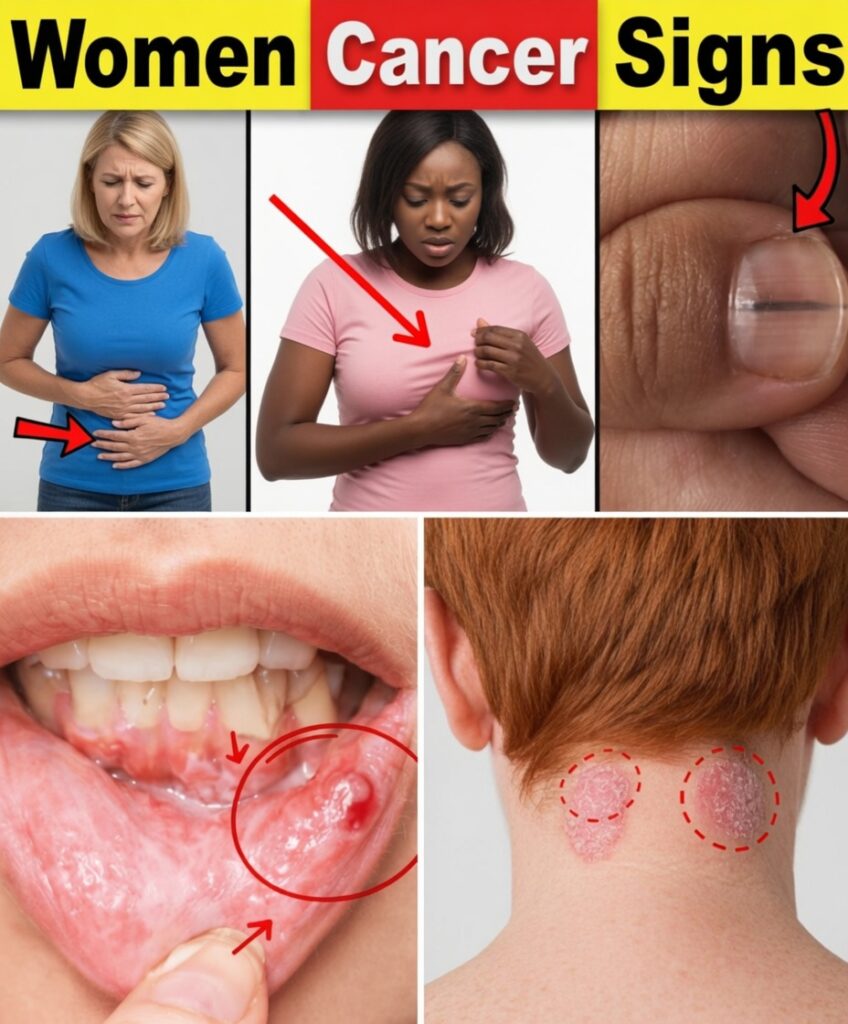
Subtle Body Changes Can Feel Small—Until the Worry Grows
When life is packed with deadlines, family needs, and nonstop errands, it’s easy to brush off small physical changes. But “minor” symptoms—like feeling exhausted even after a full night’s sleep or staying uncomfortably bloated for days—can quietly fuel anxiety over time. Many women wonder if it’s just stress, while a deeper concern lingers: What if it’s something more serious?
Learning the warning signs of cancer in women doesn’t mean living in fear. It means noticing your body early, staying calm, and knowing when to take practical next steps. The biggest shift often comes from one simple, overlooked habit: tracking symptoms consistently so vague worries turn into clear, actionable information.
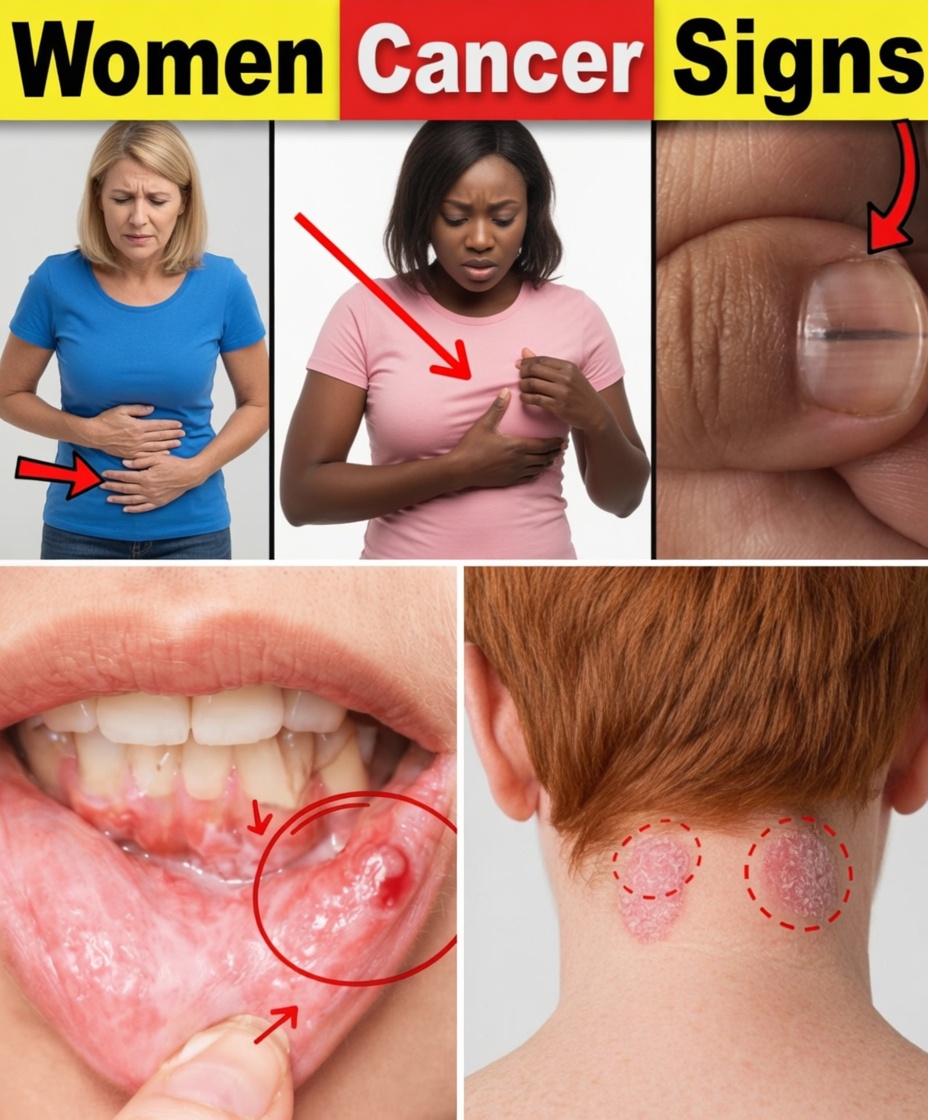
The Silent Struggle: Why Women Often Miss Early Cancer Symptoms
Women’s bodies change frequently due to menstrual cycles, pregnancy, perimenopause, menopause, and many other life stages. Because of that, it can feel “normal” to explain away unusual symptoms—especially when you’re busy and everyone else seems to come first.
Multiple health surveys and clinical observations show a common pattern: many women delay getting checked because they’re managing responsibilities, minimizing their own discomfort, or hoping symptoms will disappear. Unfortunately, that delay can also increase emotional stress—the exhausting loop of pushing through the day while quietly thinking, What if I waited too long?
Awareness is powerful, but it works best when paired with a method. Small details—when recorded over time—can reveal patterns that a packed schedule might otherwise hide.
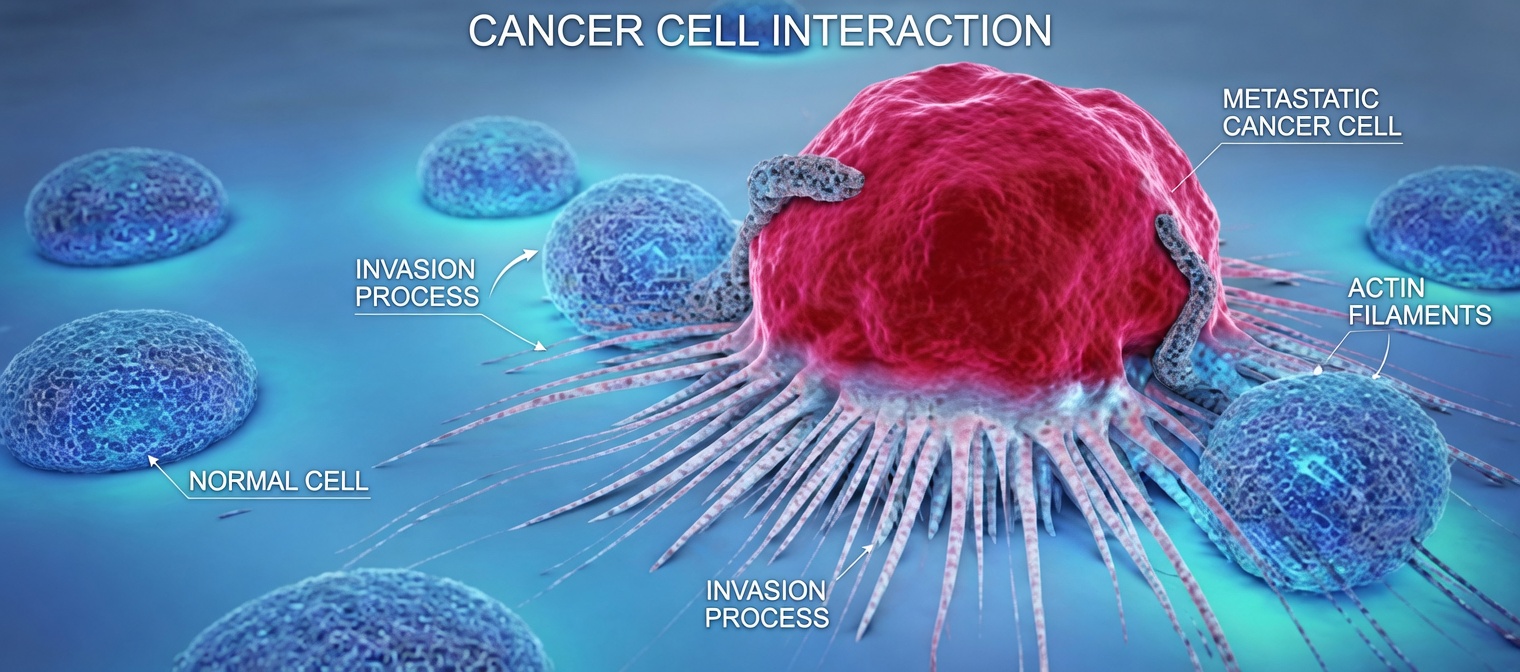
1) Unusual Vaginal or Rectal Bleeding
Spotting between periods or any bleeding after menopause is often blamed on hormones. However, new or unexpected bleeding is one of the most important cancer warning signs to take seriously—especially if it repeats.
- Postmenopausal bleeding should be discussed with a healthcare professional promptly.
- Bleeding that is new, heavier than usual, or persistent deserves attention.
A simple self-check: Rate the change from 1–10 (1 = barely noticeable, 10 = very different than your normal). If it keeps happening, don’t “wait it out.”
2) Unexplained Weight Loss
Losing weight without changing diet or activity can feel like a pleasant surprise—until fatigue, weakness, or loss of appetite shows up too. Unintentional weight loss (often cited as 10 pounds/4–5 kg or more) can be linked to many health issues, including cancer, and it’s worth documenting early.
Ask yourself:
- Has my weight dropped noticeably without trying?
- Do I feel weaker or less energetic than usual?

3) Breast Changes or Ongoing Breast Pain
Many breast symptoms fluctuate with the menstrual cycle, but some changes shouldn’t be dismissed as “just hormones,” especially when they persist or feel new.
Pay attention to:
- A new lump or thickening
- Skin texture changes (dimpling, redness)
- Nipple changes (inversion, discharge)
- Pain that doesn’t match your normal cycle pattern
The goal isn’t panic—it’s familiarity. Knowing what’s normal for you makes it easier to spot what isn’t.
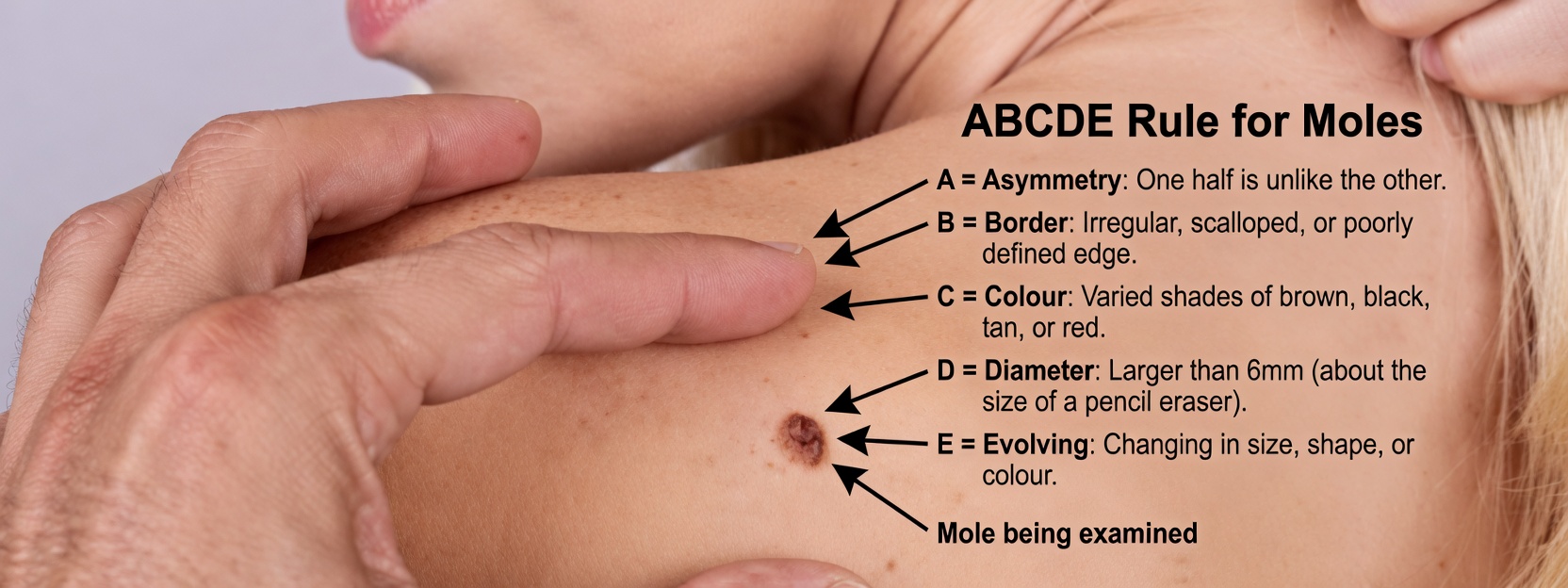
4) Changes in Moles or Skin Spots
Skin changes can hide in plain sight. A mole that starts to itch, bleed, grow, or change color may be easy to ignore—until the worry shows up later during a mirror check.
Dermatologists often recommend the ABCDE guide for melanoma awareness:
- Asymmetry
- Border irregularity
- Color variation
- Diameter change
- Evolving (any change over time)
Do a quick scan today: have you noticed any spot that is clearly changing?
5) Persistent Bloating or Pelvic Pain
Occasional bloating is common, but ongoing bloating, pelvic pressure, or feeling full quickly can interfere with meals, workouts, and everyday comfort. When these symptoms last beyond a couple of weeks, it’s worth tracking rather than repeatedly blaming food, stress, or your period.
Quick rating:
- Bloating frequency (1–5): 1 = rare, 5 = constant
If it’s frequent, start logging it and consider a medical discussion.
Mid-Article Check-In: A 60-Second Reflection
Pause for a moment and lock in what you’ve noticed so far:
- How many warning signs have been covered? 5
- Which symptom feels most relevant to you right now?
- Rate your awareness now vs. when you started (1–10).
- Which symptom category do you think could affect sleep next?
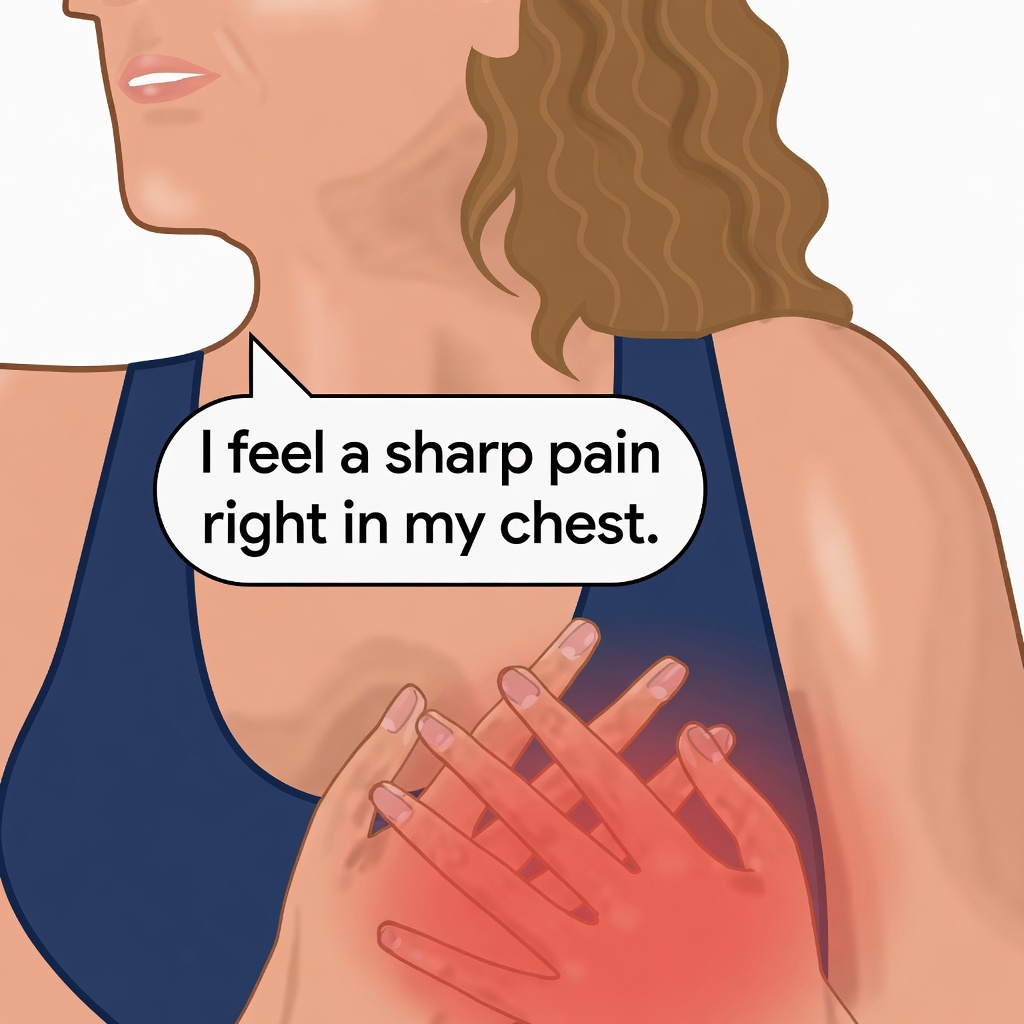
6) Extreme, Unrelenting Fatigue
Being tired is normal. Unrelenting fatigue—the kind that doesn’t improve with rest—can be different. It often brings guilt (“I should have more energy”) and steals time and patience from the people you love.
Consider tracking:
- Daily energy level (1–10)
- Whether rest actually helps
- Any new shortness of breath or weakness
Persistent fatigue deserves a thoughtful evaluation, especially when it’s new for you.
7) Irregular, Heavy, or Unusually Painful Periods
Cycles can shift over time, but extremes aren’t something you have to “just live with.” Heavier bleeding, longer periods, new severe cramping, or significant irregularity can disrupt work, travel, and mental well-being.
If your period has clearly changed:
- Record start/end dates
- Note flow intensity and pain level
- Track clotting or spotting between periods
Routine checkups can provide reassurance—and earlier answers.
8) Drenching Night Sweats
Waking up soaked can destroy sleep quality and leave you drained the next day. While night sweats can have many explanations (including menopause), repeated drenching sweats, particularly alongside other symptoms, should be logged and discussed.
Tracking tip:
- Note how often it happens per week
- Record whether you also had fever, weight change, or fatigue
9) Swollen Lymph Nodes That Don’t Go Away
Lymph nodes can swell during infections, but lumps in the neck, armpits, or groin that persist (often longer than about two weeks) should not be ignored.
Log:
- Location and size (even “pea-sized” vs “grape-sized” helps)
- Painful vs painless
- Whether it’s shrinking, stable, or growing
10) Blood in Stool (Not Always “Just Hemorrhoids”)
Even small traces of blood can be alarming—and many people delay care due to embarrassment. While benign causes exist, blood in stool is a core symptom to record and evaluate, especially if it repeats.
What to note:
- Color (bright red vs darker)
- Frequency
- Any change in bowel habits (constipation, diarrhea, narrower stools)
Screening can bring clarity and long-term peace of mind.

11) A Chronic Cough That Lasts for Weeks
A cough that drags on—especially without clear cold symptoms—can disrupt sleep, conversations, and daily life. If it persists for weeks, it’s worth documenting rather than endlessly waiting for it to fade.
Track:
- Duration (how many days/weeks)
- Any chest pain, wheezing, or shortness of breath
- Whether it worsens at night
12) New or Worsening Headaches That Change Your Pattern
Headaches happen for many reasons, but a noticeable shift in frequency, intensity, or type matters—especially if it’s sudden or paired with other changes (vision issues, nausea, weakness, or confusion).
Write down:
- When it starts and how long it lasts
- Triggers (if any)
- Pain severity (1–10)
- What helps (or doesn’t)

The Often-Missed Habit That Turns Concern Into Clear Next Steps: Track Your Symptoms
The most practical way to support early cancer detection—without spiraling into fear—is to keep a simple record. Many women “mentally note” symptoms, but memory gets blurry when weeks pass and life stays hectic. A short symptom log creates clarity for you and your clinician.
Use any method that’s easy enough to maintain (notes app, calendar, journal). Track:
- What happened (symptom description)
- When it started and how often it appears
- Severity rating (1–10 or 1–5)
- What makes it better or worse
- What else is happening (sleep changes, stress spikes, cycle timing)
This approach doesn’t diagnose cancer—but it helps you recognize patterns, communicate clearly at appointments, and make timely decisions. If a symptom is persistent, worsening, or clearly “not normal for you,” reaching out sooner can protect both your health and your peace of mind.