
Many adults live with the daily pressure of chronic kidney disease (CKD)—often quietly. When the kidneys struggle to clear minerals efficiently, potassium and phosphorus can build up and contribute to fatigue, swelling, and that lingering “heavy” or foggy feeling. Even a simple, comforting bowl of rice can raise an important question: is this meal helping you feel nourished, or adding extra work for your kidneys?
Before you read on, take a quick self-check: after most meals, how “light” and energized do you feel on a scale from 1–10? Keeping your mineral load lower—without making eating miserable—can sometimes start with small, practical staples. For many people following a CKD-friendly diet, choosing the right rice is one of those simple shifts.
Why Rice Often Fits a Kidney-Friendly Eating Pattern
If you’re trying to manage CKD, it can be discouraging to eat “healthy” and still feel bloated or drained. One reason is that kidney function affects how your body handles minerals—especially potassium (filtered by the kidneys) and phosphorus (which can accumulate in CKD).
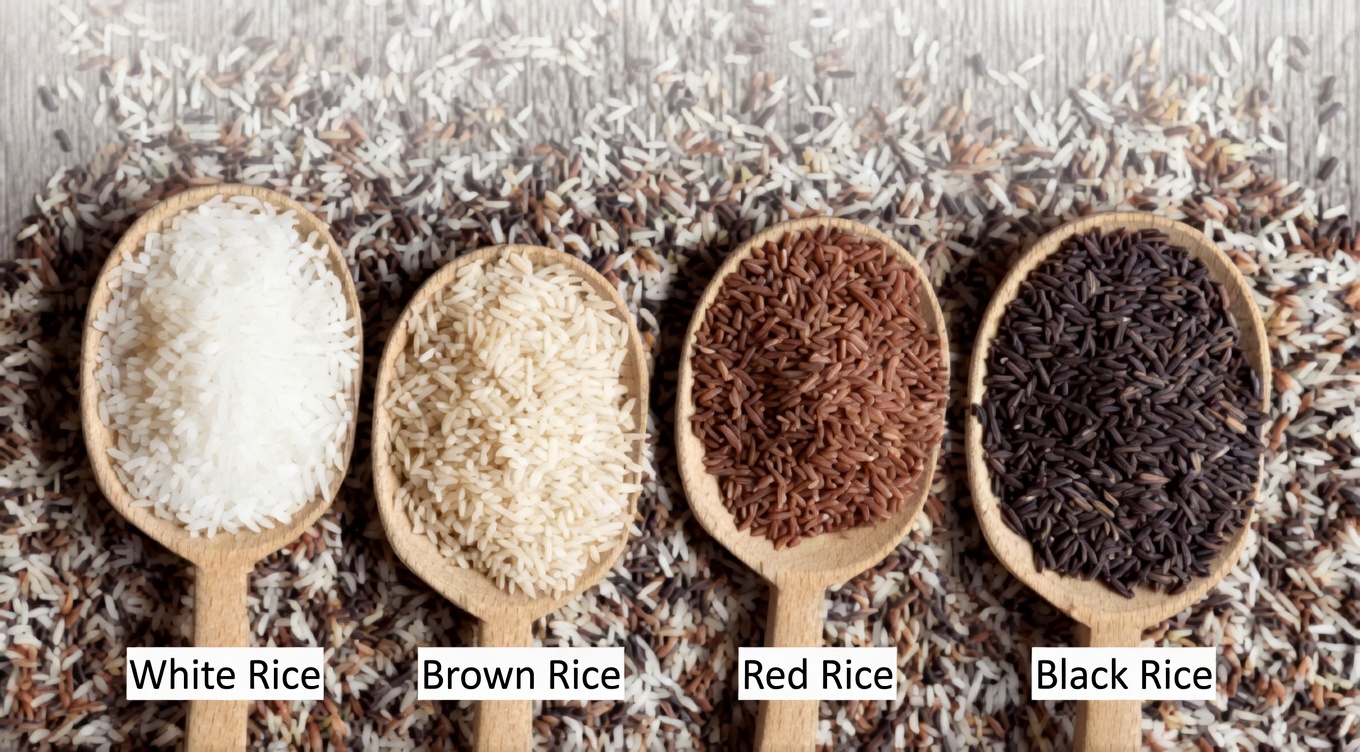
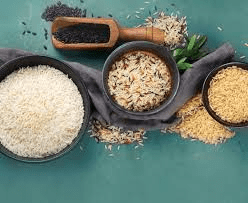
Rice is widely used in renal meal planning because it provides steady carbohydrates for energy and is naturally low in fat. However, not all rice is equal. In general, white rice varieties are often preferred in kidney diets because milling removes the bran and germ—parts of the grain where minerals are more concentrated. Educational resources such as DaVita and guidance aligned with the National Kidney Foundation commonly reference white rice as a practical option when aiming to reduce potassium and phosphorus intake.
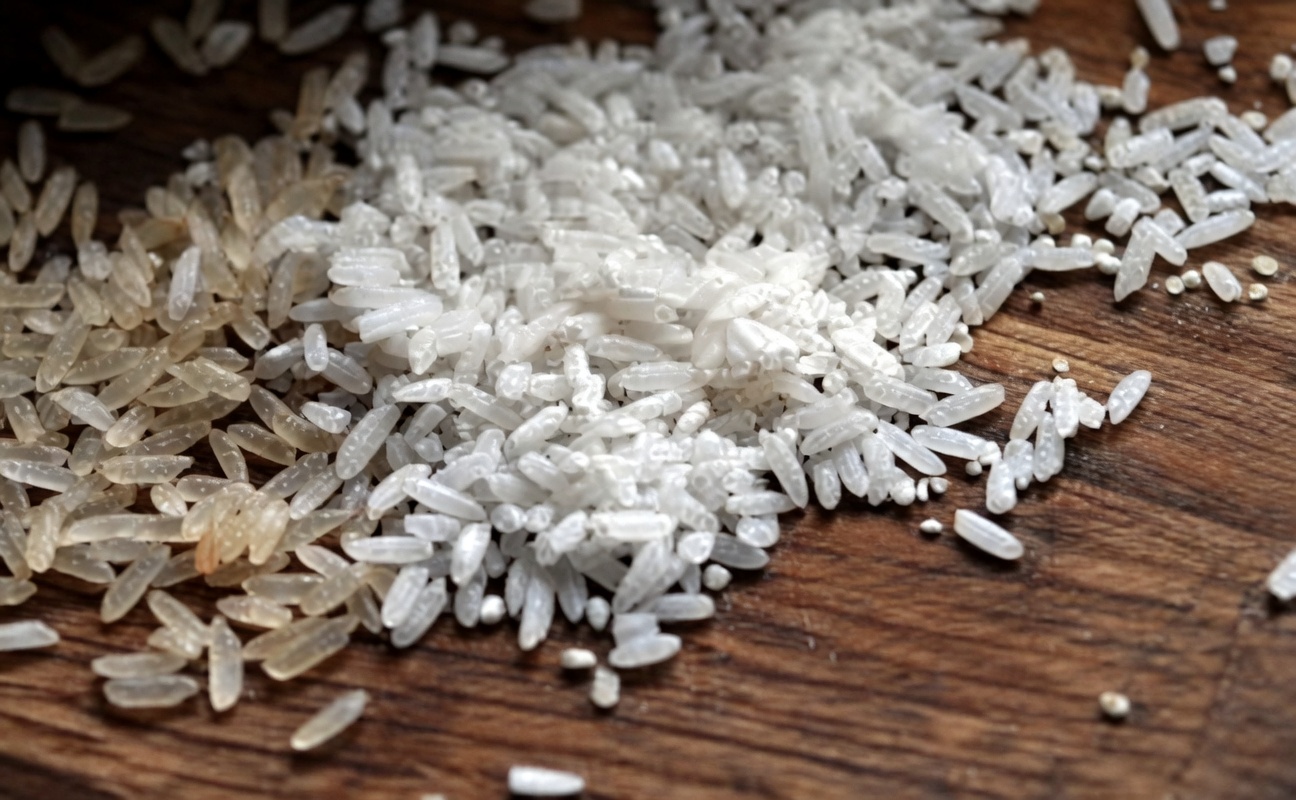
Preparation Matters: Small Cooking Habits That Can Make Rice Easier on CKD
The type of rice matters—but so does how you cook it. Rinsing and cooking techniques can help remove excess surface starch and small amounts of leachable components. For many people, these habits also make meals feel less stressful: you’re not “guessing,” you’re using a repeatable method.
Key idea: a kidney-friendly rice routine is usually about consistency, portions, and preparation—not extreme restriction.
Top 3 Kidney-Friendly Rice Choices Many People Use in CKD Diets
Below are three commonly chosen options for people aiming for lower-mineral, kidney-supportive meals, while still enjoying satisfying food.
1) White Rice: A Simple, Low-Mineral Base
When meals regularly leave you feeling weighed down, starting with the basics can help. White rice is often recommended in renal-friendly meal plans because it tends to be lower in potassium and phosphorus than whole-grain options like brown rice.
- Approximate minerals (per 1 cup cooked):
- Potassium: ~50–55 mg
- Phosphorus: ~60–70 mg
- Why it helps: The milling process removes mineral-rich outer layers, which can reduce the burden of mineral management for kidneys.
If your post-meal “lightness score” is consistently low, white rice is often the most straightforward foundation to test with mindful portions.
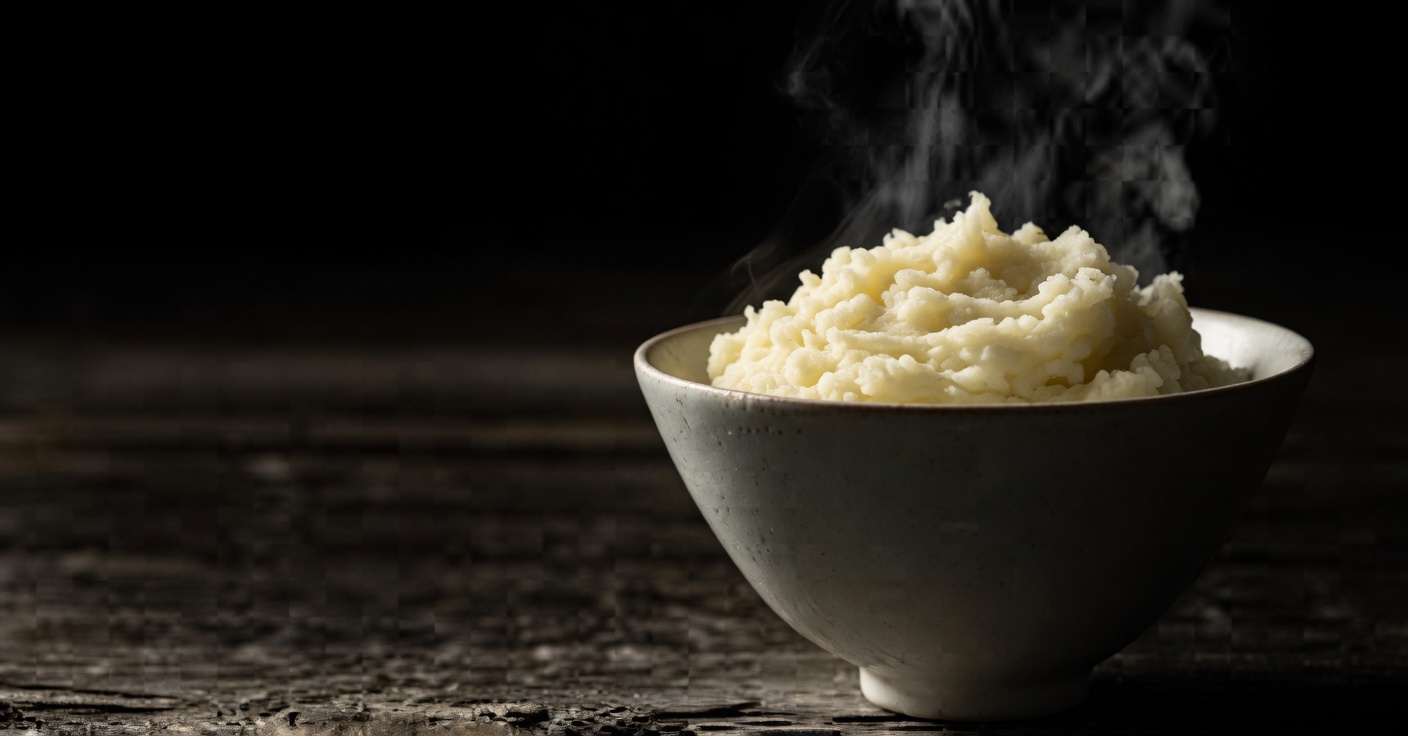
2) White Basmati Rice: Steadier Energy for Daily Rhythm
For many adults with CKD, energy crashes can feel worse when combined with the mental load of diet management. White basmati rice typically has mineral levels similar to standard white rice, and it’s known for a moderate glycemic index (GI) (often cited around 50–58), which may help support more stable energy for some people.
- Taste and texture: Fluffy grains, lightly aromatic
- Why people like it: It can be easier to build satisfying meals without feeling “heavy,” especially when paired with kidney-appropriate sides.
Quick self-check: How often do energy dips disrupt your day (1–5)? If the answer is “often,” basmati may be a more balanced-feeling swap.
3) White Jasmine Rice: Comforting Texture and Gentle Digestion
When digestion feels sensitive—especially with CKD-related bloating concerns—food texture can matter more than you expect. White jasmine rice is soft, slightly sticky, and typically similar to other white rice types in mineral content.
- Taste and texture: Soft, fragrant, comforting
- Why it may work well: Many people find it easy to eat and easy to pair with simple, kidney-conscious dishes, supporting a calmer eating routine.
Try rating your digestive comfort after meals (1–10). If meals often feel like a chore, jasmine rice may provide a more soothing experience while still aligning with kidney-friendly goals.
Quick Comparison: Kidney-Friendly Rice at a Glance
| Rice Type | Potassium (per cup cooked, approx.) | Phosphorus (per cup cooked, approx.) | Glycemic Index (approx.) | Best For |
|---|---|---|---|---|
| White Rice | 50–55 mg | 60–70 mg | Medium–High | Lower-mineral everyday base |
| White Basmati | Similar to white rice | Similar to white rice | 50–58 | More stable energy and balance |
| White Jasmine | Similar to white rice | Similar to white rice | Medium | Comforting texture and easier-feeling digestion |
Practical Tips: How to Make These Rice Choices Work in Real Life
A CKD-friendly diet is easier to follow when the steps are simple and repeatable. Use these strategies to keep rice supportive—not stressful.
- Rinse thoroughly (3–5 times) before cooking to remove excess starch and improve texture.
- Cook in plenty of water, then drain (when appropriate for your recipe) for lighter, fluffier rice.
- Keep portions moderate: many people do well starting around ½ to 1 cup cooked per meal, adjusted to lab values and medical guidance.
- Pair with kidney-supportive sides, such as lower-potassium vegetables (for example, cabbage or bell peppers), and appropriate proteins recommended for your plan.
- Consider enriched white rice if available: it may provide added B vitamins without significantly increasing potassium or phosphorus (always check labels and your dietary plan).
A Gentle 30-Day Implementation Timeline
-
Weeks 1–2:
- Portion: ½–⅔ cup cooked
- Focus: rinse well, keep recipes simple
- Goal: notice whether meals feel less “heavy”
-
Weeks 3–4:
- Portion: ⅔–1 cup cooked
- Focus: pair with low-potassium sides and consistent meal timing
- Goal: smoother daily energy and better comfort
-
Week 5 and beyond:
- Routine: maintain consistent portions, rotate rice types (white, basmati, jasmine)
- Goal: sustainable habits that support long-term balance
Final Takeaway: Rice as a Practical Ally in a CKD Diet
For many people managing chronic kidney disease, choosing white rice, white basmati, or white jasmine can be a realistic way to support kidney-focused goals—primarily by keeping potassium and phosphorus lower than many whole-grain alternatives. When combined with smart preparation and portion control, rice can remain a comforting staple that fits into a kidney-conscious lifestyle.
FAQ
What makes white rice more kidney-friendly than brown rice?
In many cases, white rice contains less potassium and phosphorus because the mineral-rich bran and germ are removed during milling. This can make it easier to manage mineral intake in a CKD diet compared with brown rice.
How often can I eat these rice types if I have CKD?
Many people include rice regularly while keeping portions controlled (often ½–1 cup cooked), but the best frequency depends on your CKD stage, medications, and lab results. Follow your clinician or renal dietitian’s guidance.
Does rinsing rice reduce minerals?
Rinsing mainly removes surface starch and may reduce small amounts of leachable components. It’s a simple habit that often improves texture and supports a more consistent kidney-friendly cooking routine.
Medical Disclaimer
This content is for informational purposes only and is not medical advice. Nutrition needs differ by CKD stage, lab values, and treatment plan. Consult your healthcare provider or a registered dietitian before changing your diet.