
A Simple Morning Upgrade for Steady Energy, Digestion, and Heart Support
As the years go by, it’s common to notice small changes—like feeling a bit sluggish after meals, wanting more consistent energy, or wishing digestion felt easier while juggling a busy schedule. These concerns can become more noticeable with age, especially when your nutrient needs remain high but your body may not absorb certain nutrients as efficiently as it once did.
One of the simplest, most practical ways to support everyday wellness is to add a small portion of nutrient-dense seeds to your morning routine. Even one or two spoonfuls can deliver a concentrated blend of fiber, healthy fats, plant protein, and essential minerals. The three standout options are chia seeds, flaxseeds, and pumpkin seeds—and below you’ll find exactly why they matter and how to use them daily.
Why Chia, Flax, and Pumpkin Seeds Are Smart for Long-Term Wellness
Bringing these three seeds into your breakfast is an easy way to increase nutrients that many adults struggle to get enough of over time—especially fiber, omega-3 fats, magnesium, and zinc. If your energy feels inconsistent or you want more daily “stability” (without complicated supplements or restrictive plans), these seeds offer gentle nutritional support that fits into nearly any eating style.
Research continues to highlight the value of nutrient-rich whole foods in supporting key areas of well-being, including:
- Heart and cardiovascular markers
- Digestive regularity
- More balanced energy throughout the day
Making them part of your morning can also turn nutrition into a consistent habit—one that pays off gradually over weeks and months.
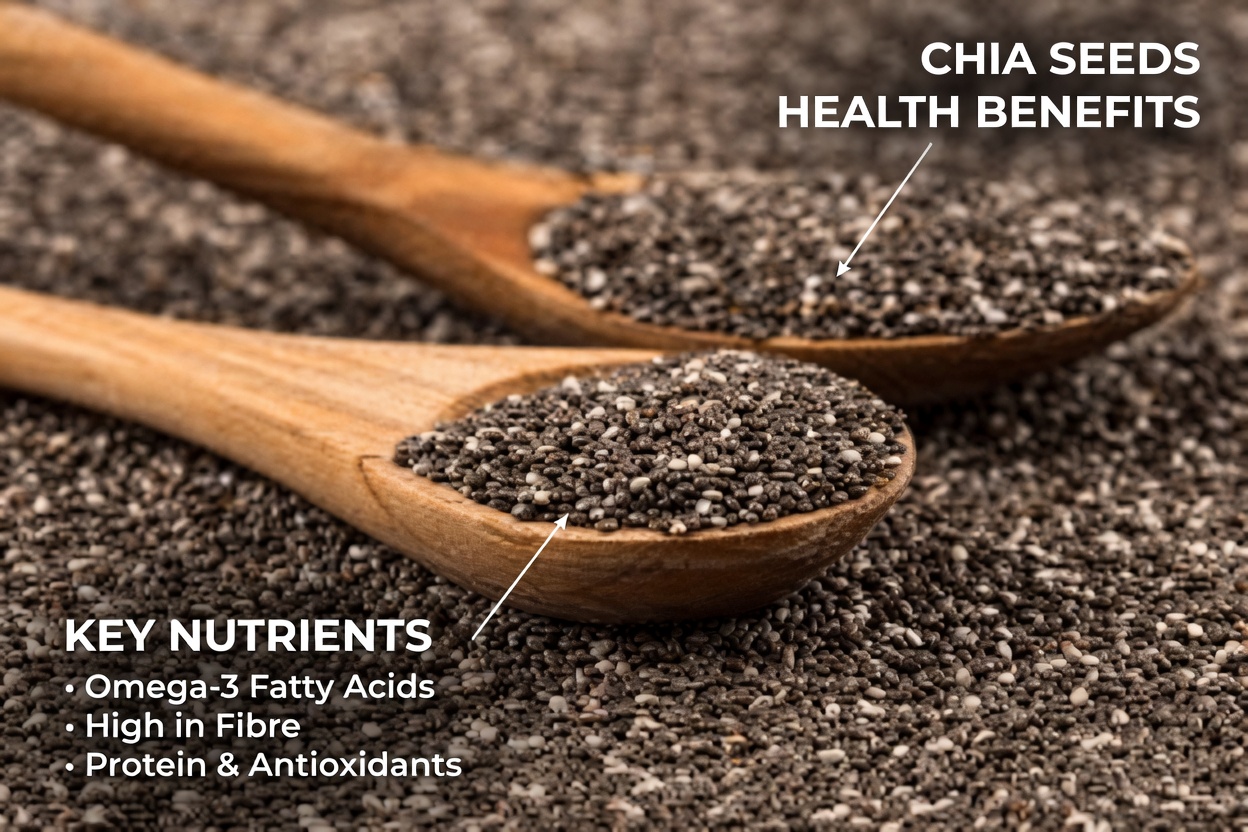
Chia Seeds: Omega-3s + Fiber for Fullness and Digestive Comfort
Chia seeds are known for a uniquely dense nutrient profile. In a small serving, they provide:
- Alpha-linolenic acid (ALA), a plant-based omega-3 fat
- Soluble fiber that absorbs water and forms a gel-like texture
- Complete plant protein
- Key minerals such as calcium and magnesium
- Naturally occurring antioxidants
People who experience heaviness after eating or want steadier morning energy often appreciate chia’s combination of fiber and protein, which can help you feel satisfied longer and reduce rapid spikes and dips in energy.
Studies also associate chia’s fiber with supporting comfortable digestion by increasing stool bulk and softness, while its omega-3s and antioxidants contribute to protection against everyday oxidative stress that tends to rise with normal aging.
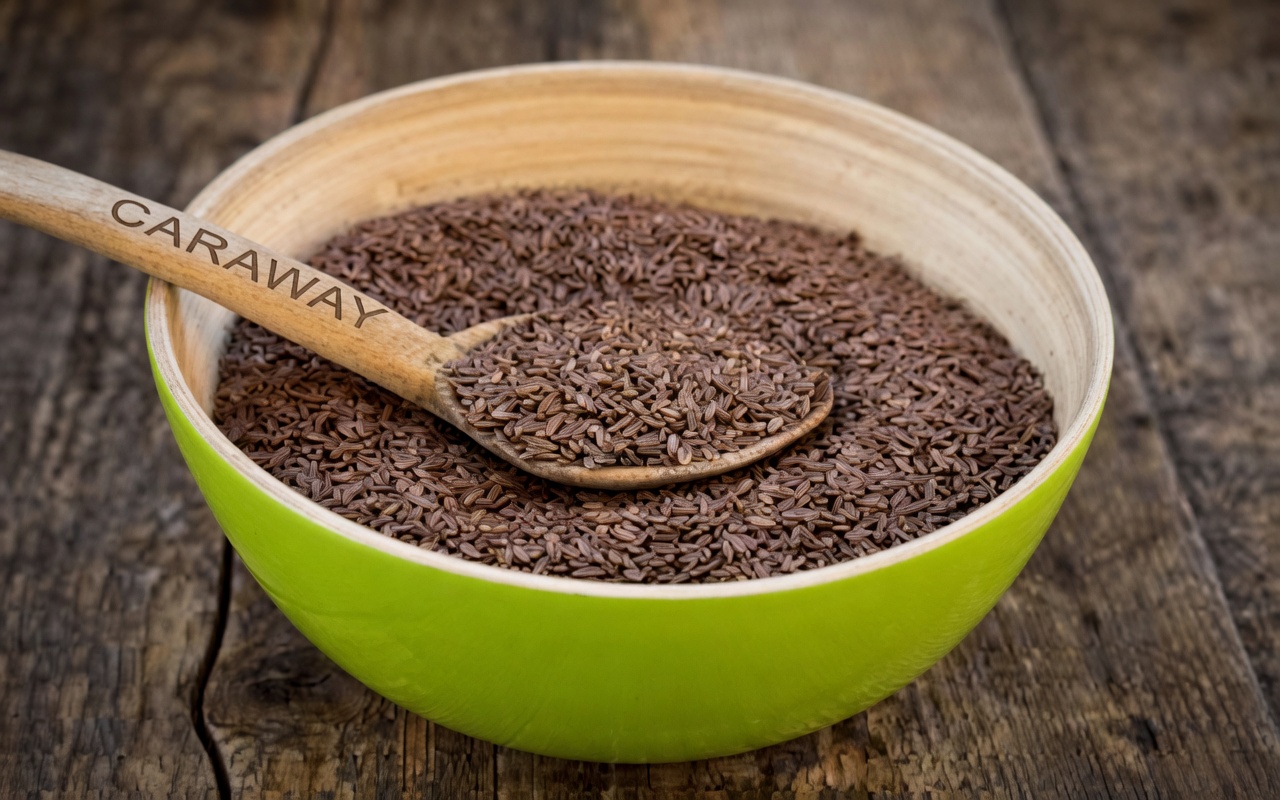
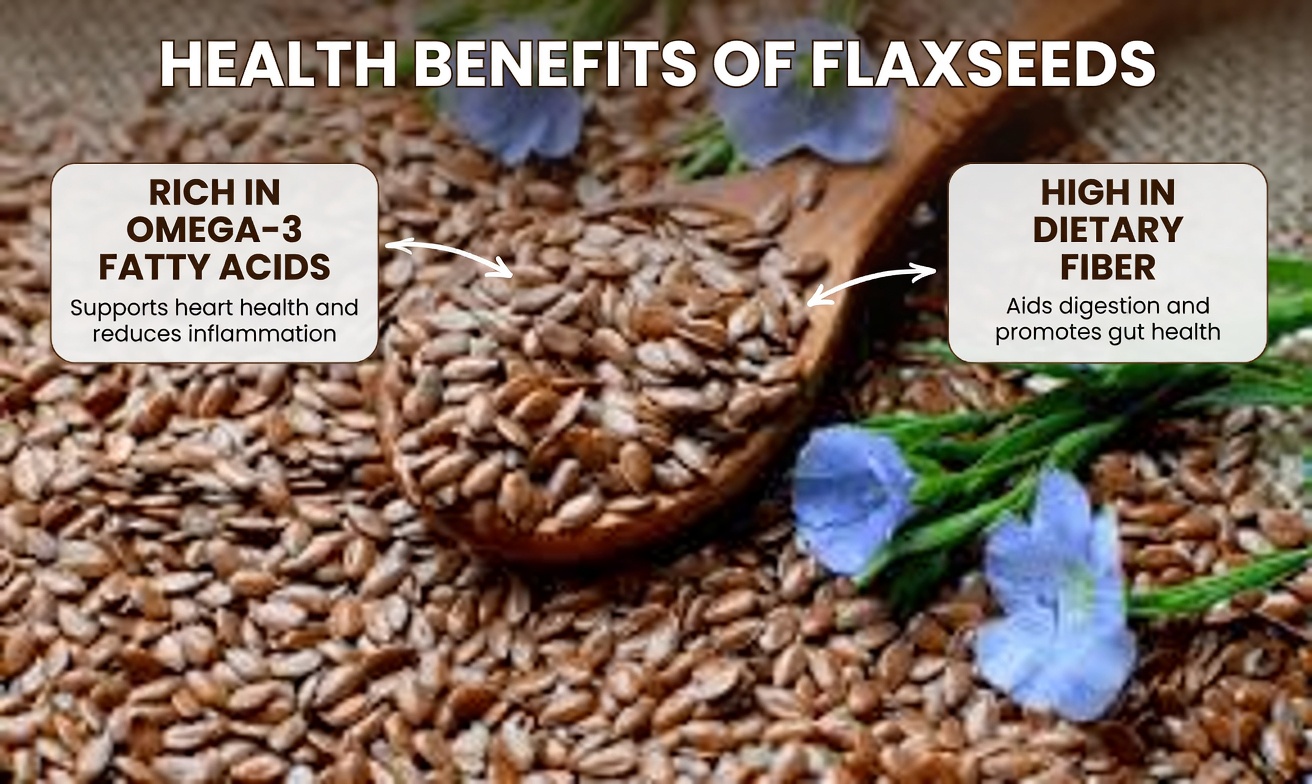
Flaxseeds: Lignans, Fiber, and Omega-3s for Daily Balance
Flaxseeds (also called linseeds) bring their own set of strengths—especially for those who want broad, everyday support. They contain:
- ALA omega-3 fats
- Soluble fiber for digestive regularity
- Lignans, plant compounds valued for antioxidant activity
Flax is often included in wellness routines because its fiber and lignans have been linked in research to supportive effects on heart health markers, including helping maintain cholesterol and blood pressure within normal ranges as part of an overall healthy lifestyle.
One key tip: ground flaxseed is generally more useful than whole flax because grinding improves nutrient availability and makes flax easier for the body to access.
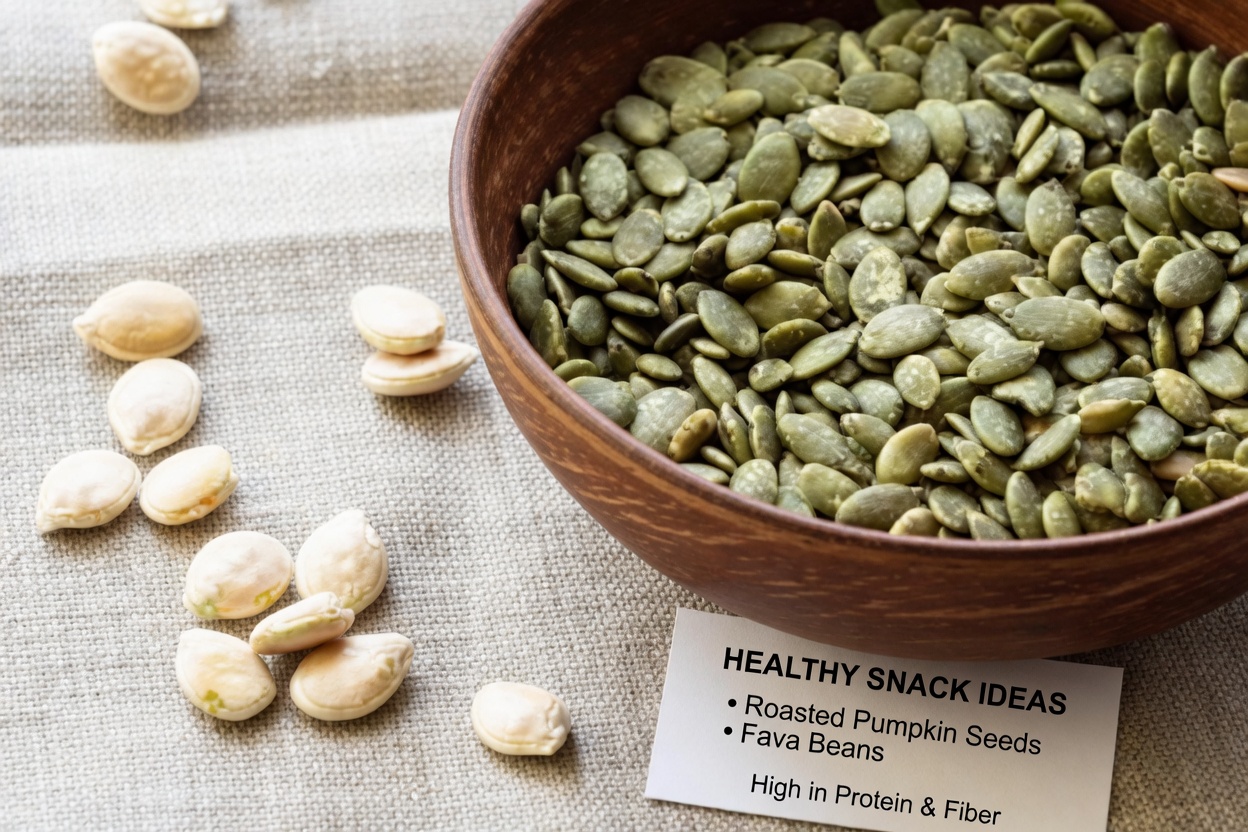
Pumpkin Seeds: Mineral-Rich Support with Zinc and Magnesium
Pumpkin seeds (pepitas) stand out for their mineral density and satisfying texture. They provide:
- Magnesium, important for muscle function, bone maintenance, and energy production
- Zinc, which supports normal immune function
- Healthy unsaturated fats
- Plant protein and fiber
- Antioxidants that support overall cellular health
For many adults, magnesium and zinc become especially valuable over time—supporting everything from daily energy production to immune resilience. Pumpkin seeds are also easy to enjoy because they add a pleasant crunch and a naturally nutty flavor.

How These Seeds Work Together to Support Healthy Aging
When combined, chia seeds, flaxseeds, and pumpkin seeds offer a complementary mix of:
- Omega-3 fats (especially ALA)
- Fiber for digestive comfort and steadier glucose response
- Antioxidants to support resilience over time
- Minerals (notably magnesium, zinc, calcium)
Small daily servings can contribute meaningful support for:
- Digestive regularity
- Stable energy and fewer “crashes”
- Heart-friendly nutrition patterns
- Immune health support
Quick nutrient snapshot (about 1 ounce each)
- Chia seeds: ~10g fiber, high ALA omega-3s, ~5g protein, calcium + magnesium
- Ground flaxseeds: ~8g fiber, high ALA omega-3s, lignans for antioxidant support
- Pumpkin seeds: high magnesium + zinc, ~5–7g protein, healthy fats for satiety
Mixing or rotating them can keep breakfast interesting while increasing nutrient variety.
Easy Morning Ways to Eat Chia, Flax, and Pumpkin Seeds
Adding these seeds is simple, and you don’t need large amounts. If you’re increasing fiber, start small and let your body adapt.
Simple daily ideas
- Mix 1 tablespoon chia + 1 tablespoon ground flax into yogurt or overnight oats, then top with pumpkin seeds for crunch.
- Blend 1–2 tablespoons chia into a smoothie (fruit, spinach, plant milk), and add ground flax for a nutrition boost.
- Sprinkle pumpkin seeds over avocado toast or cereal and stir in ground flax for a mild, nutty flavor.
- Make chia pudding: soak 2 tablespoons chia in milk overnight, then add ground flax and finish with pumpkin seeds on top.
Hydration note
Because chia and flax are fiber-rich, they work best when you’re drinking enough fluids. Increasing water intake can improve comfort as your fiber intake rises.
Practical tips for best results
- Grind flaxseeds (or buy pre-ground) to improve absorption.
- Soak chia seeds if you prefer a gentler texture and easier digestion.
- Choose raw or lightly roasted pumpkin seeds to preserve nutrients.
- Store seeds in the fridge or freezer to help keep their oils fresh.
Why This Morning Habit Is Worth Starting Now
Nutrition doesn’t have to be complicated. Eating chia seeds, flaxseeds, and pumpkin seeds in the morning is a straightforward, affordable routine supported by nutritional science. With consistent use over time, this small habit can contribute to the kind of day-to-day wellness many people seek as they age—more stable energy, smoother digestion, and greater overall comfort.
Frequently Asked Questions
How much should I eat each day?
Begin with 1–2 tablespoons total per day (combined across chia, flax, and pumpkin). Increase gradually and stay well-hydrated.
Do I need to soak or grind them?
- Chia: soaking is optional but often improves texture and comfort.
- Flax: grinding is strongly recommended for better nutrient access.
- Pumpkin seeds: can be eaten whole, raw, or lightly roasted.
Are these seeds safe for everyone?
Most people tolerate them well. However, if you have digestive sensitivity, allergies, or take medications, speak with a qualified healthcare professional before making significant dietary changes.
Medical Disclaimer
This article is for informational purposes only and does not provide medical advice. Adding seeds to your diet should complement a balanced nutrition plan and healthy lifestyle, not replace professional care. Consult a qualified healthcare provider before changing your diet, particularly if you have medical conditions, allergies, or take prescription medications.