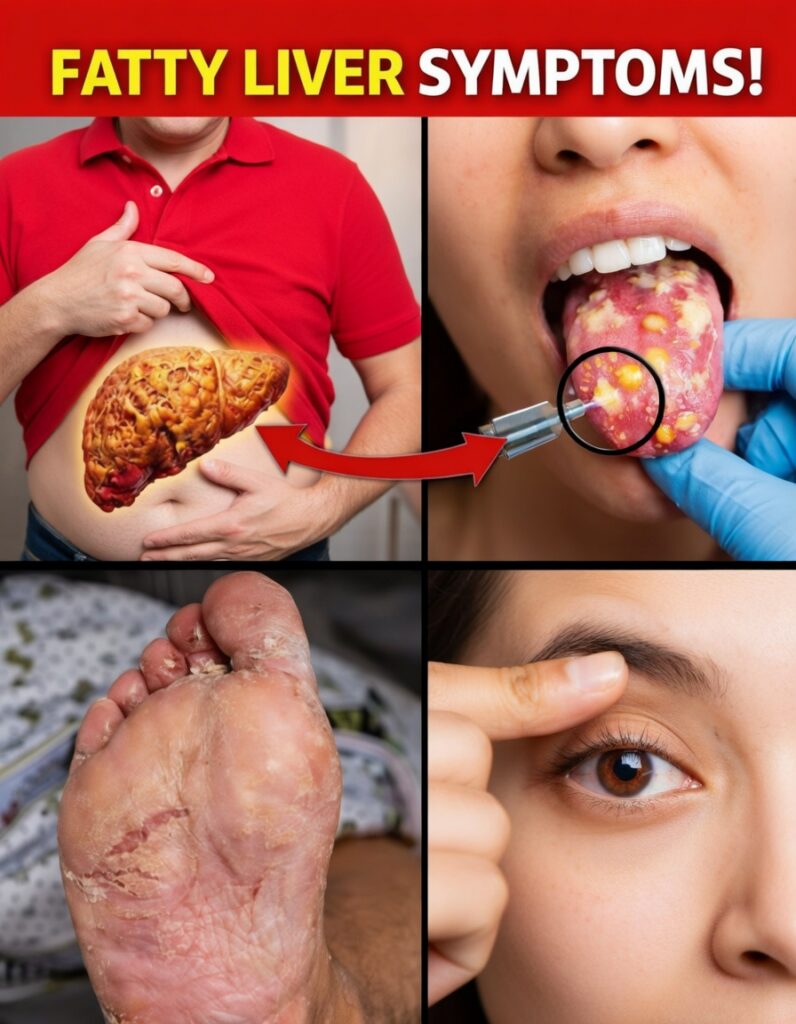
Waking up tired day after day—despite a full night of sleep—can make everything feel harder, from work deadlines to simple errands. When that ongoing fatigue comes with a tight feeling in your abdomen or mild discomfort after meals, it’s easy to blame stress, busy schedules, or aging. However, these small changes can sometimes be your body’s early way of hinting at something underlying, including fatty liver.
The good news is that steady, realistic food choices can meaningfully support liver health over time. Below are clear signs to watch for and practical diet ideas many people find surprisingly manageable.
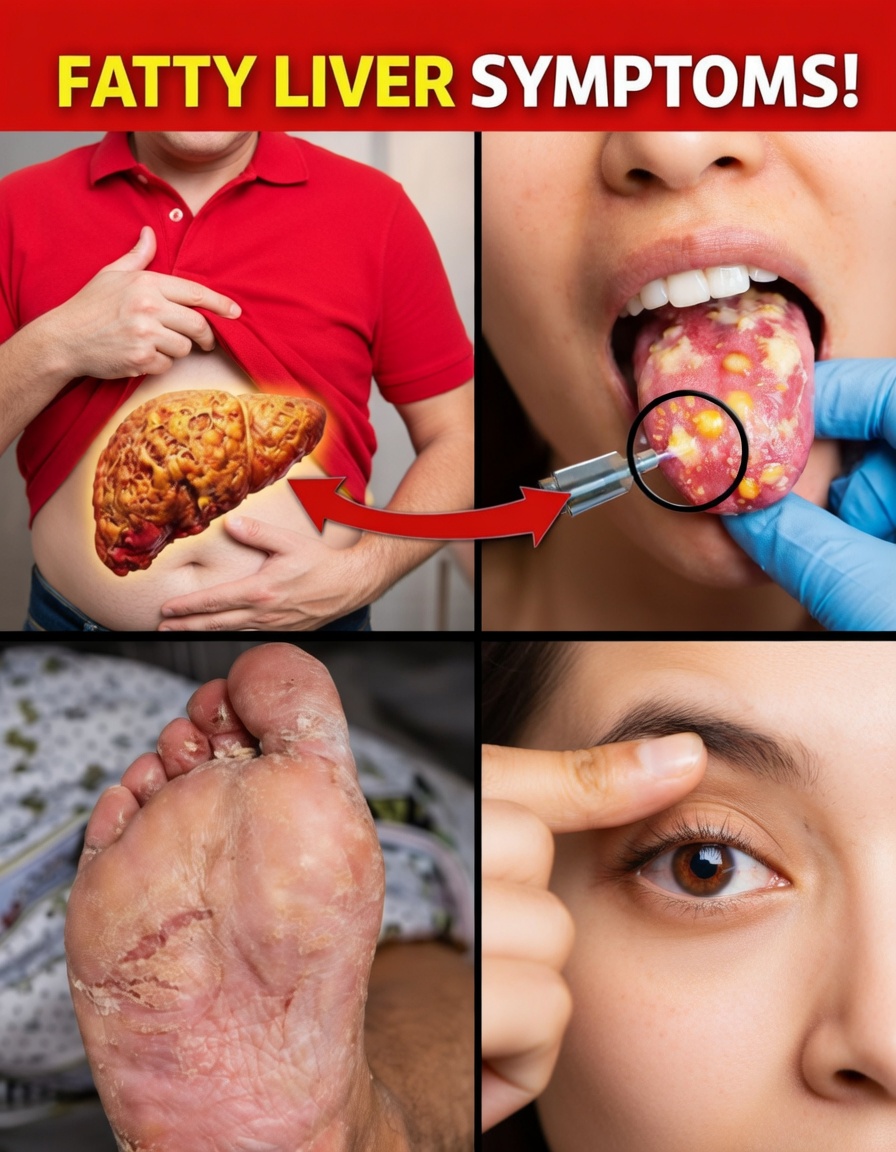
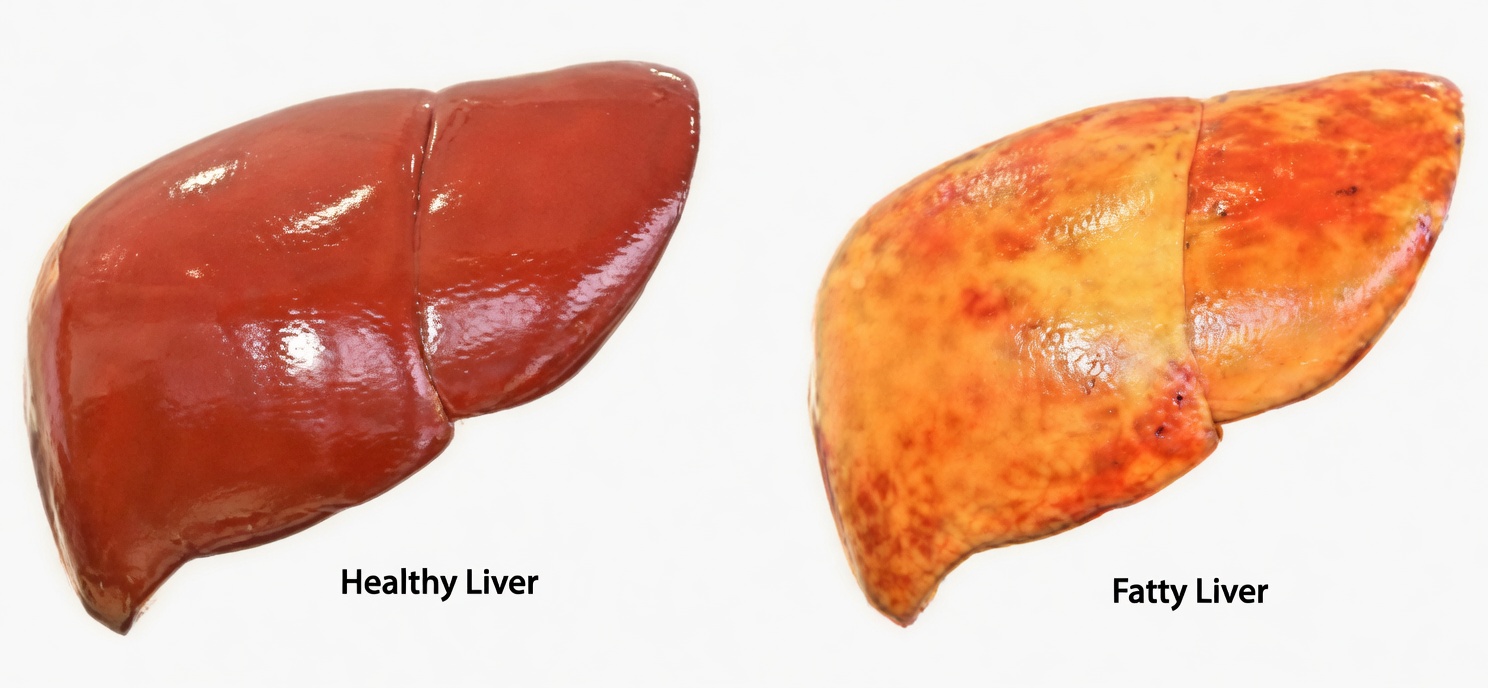
Understanding Fatty Liver (and Why Catching It Early Matters)
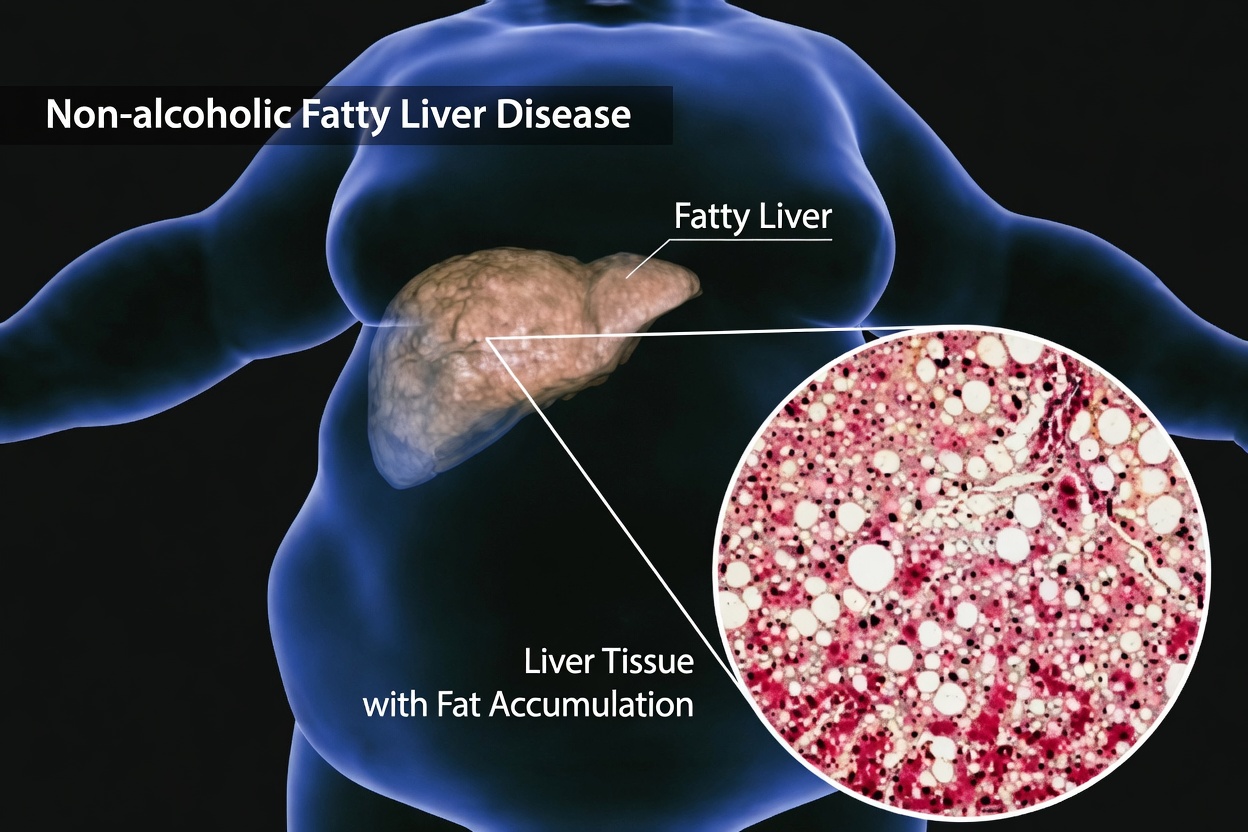
Fatty liver disease often develops quietly, especially in the beginning—so it’s common for people to feel “off” for months (or longer) before connecting symptoms to liver health. One common form, non-alcoholic fatty liver disease (NAFLD), is frequently linked with patterns such as:
- Increased belly fat (central weight gain)
- Insulin resistance or unstable blood sugar
- A diet high in ultra-processed foods
- Little to no heavy alcohol use
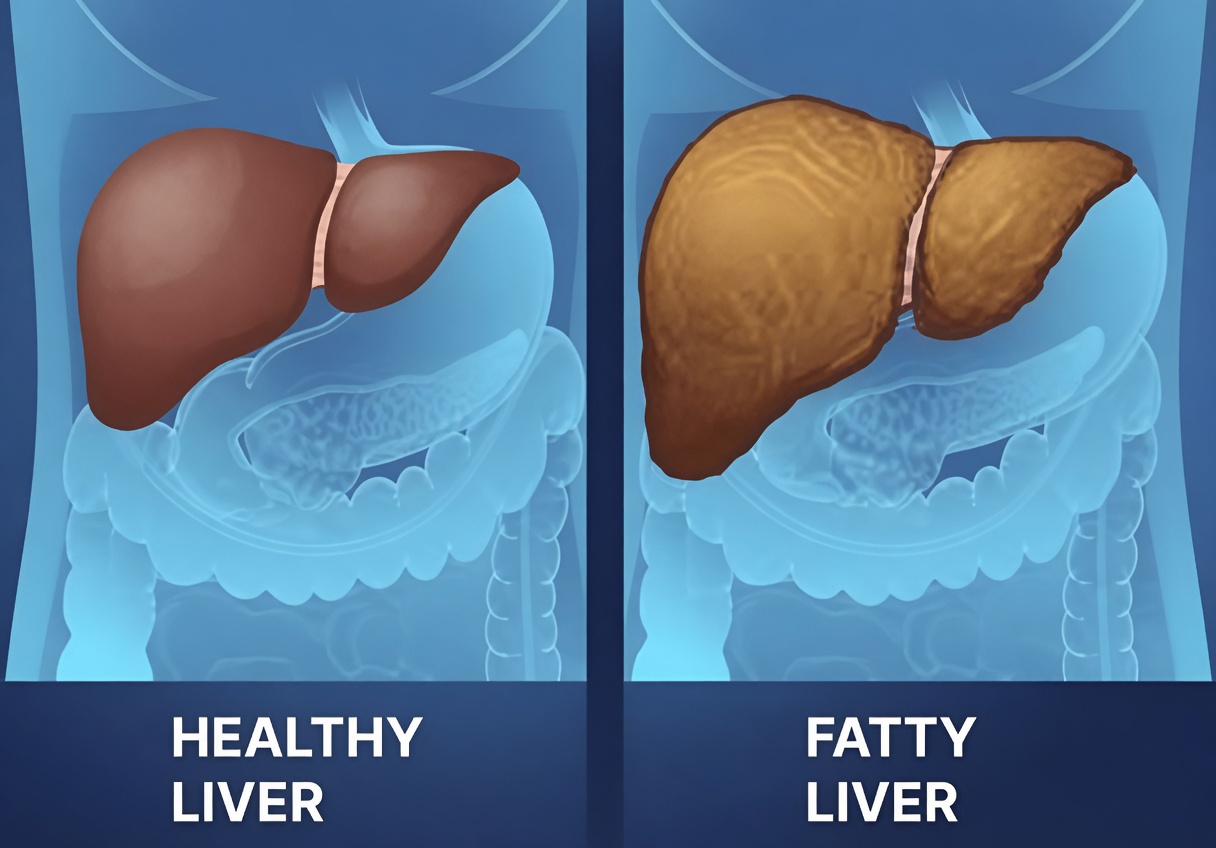
When excess fat builds up inside liver cells, the liver may struggle to perform key jobs efficiently, including nutrient processing, blood-sugar regulation, and inflammation control. That slowdown can show up as general fatigue and digestive discomfort—symptoms that feel vague, but persistent.
Research suggests that addressing risk factors early may help improve liver-related markers, which is why recognizing potential fatty liver symptoms sooner rather than later can be important.
14 Warning Signs That May Be Associated With Fatty Liver
Early symptoms of fatty liver can look like everyday issues—easy to ignore until they start stacking up. The signs below are not diagnostic, but they can help you recognize patterns worth discussing with a healthcare professional.
Common “Everyday” Signs People Often Dismiss
-
Ongoing fatigue even after sleeping well
Feeling unrefreshed in the morning is one of the most frequently reported complaints connected to fatty liver in research. -
Stubborn belly weight that won’t budge
Central fat gain can align with metabolic changes often seen alongside fatty liver. -
Mild discomfort or pressure in the upper right abdomen
A subtle ache or fullness (especially after meals) may reflect liver strain in some individuals. -
Brain fog or reduced concentration
Difficulty focusing has been linked to inflammatory and metabolic patterns associated with fatty liver. -
Unexplained itching
Itching—sometimes worse at night, especially on palms or soles—may relate to bile flow changes in some liver conditions. -
Bloating after small meals
Sluggish digestion and increased bloating can sometimes occur when bile production or flow is affected. -
Mild nausea after eating
Feeling “off,” particularly after heavier or richer meals, may occur in some cases.
Less Common but Meaningful Signals
-
Bruising more easily than usual
Because the liver supports clotting processes, some people may notice bruises after minor bumps. -
Darker urine even with adequate fluids
A deeper urine color can sometimes occur with liver-related changes. -
Pale or light-colored stools
Changes in stool color may reflect issues related to bile movement. -
Getting full quickly or lower appetite
Early fullness can reflect digestive shifts that sometimes accompany liver concerns.
Symptoms That Need Prompt Medical Attention
-
Ongoing abdominal swelling (beyond typical bloating)
Persistent distension should be evaluated by a clinician. -
Yellowing of the skin or eyes (jaundice)
This can signal a serious issue and requires immediate medical care. -
Confusion, major mental changes, or extreme drowsiness
Significant cognitive symptoms are urgent and should not be delayed.
These signs can appear for many reasons—not only fatty liver. Still, noticing patterns can help you seek timely testing and guidance.
A Practical Food Approach to Support Liver Health
One encouraging aspect of fatty liver is that lifestyle habits—especially diet—often matter. You don’t need perfection. The goal is to reduce metabolic strain by focusing on:
- More whole foods
- Fewer ultra-processed products
- Steadier blood sugar patterns
- Balanced fats (not “no fat”)
Research frequently highlights certain foods associated with healthier liver markers and metabolic support.
Everyday Foods Linked to Better Liver Markers
-
Extra virgin olive oil
A source of monounsaturated fats and antioxidants; often used as a primary cooking or dressing oil. -
Coffee (moderate amounts, unsweetened)
Multiple studies associate coffee intake with healthier liver enzyme patterns. -
Green tea
Contains catechins that may support metabolic health. -
Cruciferous vegetables (broccoli, cauliflower, cabbage)
Provide fiber and plant compounds connected to liver-supportive pathways. -
Garlic and onions
Flavorful sources of sulfur-containing compounds. -
Fatty fish (salmon, sardines, mackerel)
Omega-3 fats are associated with inflammation support. -
Whole grains (oats, quinoa, brown rice)
Helpful for steadier blood sugar and better satiety. -
Berries and citrus
Nutrient-dense choices that provide antioxidants without relying on added sugar.
Liver-Supportive Foods at a Glance
- Olive oil: monounsaturated fats, polyphenols → supports healthier fat metabolism → drizzle on vegetables or salads
- Coffee: antioxidants → linked to improved liver enzymes → 1–2 cups daily, unsweetened
- Green tea: catechins → metabolic support → drink plain in the afternoon
- Broccoli/cauliflower: fiber, glucosinolates → supports detox pathways and fullness → steam or roast
- Garlic/onions: sulfur compounds → nutrient and flavor boost → add to soups, stir-fries, sauces
- Salmon: omega-3s → inflammation support → aim for twice per week
- Oats/quinoa: fiber → steadier blood sugar → breakfast base or side dish
- Berries/citrus: vitamin C, polyphenols → antioxidant support → fresh snack or smoothies
Simple Ways to Get Started (Without Overhauling Your Life)
- Replace one processed snack per day with a whole-food option (fruit, yogurt, nuts, or veggies).
- Make half your plate vegetables at lunch and dinner.
- Add a 20–30 minute walk most days to support overall metabolism.
- Prioritize hydration and consistent sleep timing.
Final Thoughts on Possible Fatty Liver Symptoms
Noticing potential fatty liver signs is not a reason to panic—it’s a chance to act early. By paying attention to your body and gradually adding liver-supportive foods, many people report better energy and improved comfort over time.
Pick one or two changes that feel realistic, stay consistent, and track your energy, digestion, and how you feel after meals.
FAQ
How fast can dietary changes influence fatty liver symptoms?
Some people notice improved digestion or energy within weeks to a few months, but results vary. Medical follow-up helps track real progress.
Can these foods completely reverse fatty liver?
They may support improvement—especially in earlier stages—but outcomes are best when paired with professional care and broader lifestyle changes.
If I suspect fatty liver, should I cut out all fats?
No. Research often supports healthy fats (like olive oil and omega-3-rich fish) as part of a liver-supportive eating pattern.
Disclaimer: This article is for informational purposes only and does not diagnose, treat, cure, or prevent any disease. Always consult a qualified healthcare provider for personalized advice—especially if you have ongoing symptoms, concerning signs, or existing medical conditions.