Seeing higher-than-ideal numbers on your blood pressure monitor can be genuinely unsettling. It’s common to start thinking about long-term heart health—especially if you also deal with occasional headaches, tiredness, or that “off” feeling that interrupts your day. While medication can be essential for many people, it’s also understandable to want supportive, gentler strategies you can control. The good news: evidence-backed lifestyle changes can help lower blood pressure naturally, and their combined effect is often more meaningful than any single tactic on its own.
Why Lowering Blood Pressure Naturally Matters to So Many People
If elevated blood pressure has you worried about your cardiovascular future, you’re not alone. Many people look for ways to lower blood pressure naturally because daily habits can influence underlying drivers such as blood vessel tension, fluid balance, and inflammation. When these factors improve, blood vessels tend to function better—supporting overall heart health.
Just as important, natural approaches can restore a sense of agency. Instead of feeling controlled by numbers, you build routines that reduce uncertainty, support steadier energy, and ease the mental load that often comes with repeated high readings.
Weight Management and Blood Pressure: Why Small Changes Help
Extra body weight—particularly around the abdomen—can add strain to the cardiovascular system and contribute to higher readings. Research consistently suggests that even modest weight loss may support lower systolic blood pressure, and in many studies, each kilogram lost is associated with a small but meaningful improvement.
Beyond blood pressure, gradual weight management often improves mobility, stamina, and confidence—making the goal of lowering blood pressure naturally feel more achievable and less discouraging.
Reduce Sodium, Increase Potassium: A Practical Nutrition Strategy
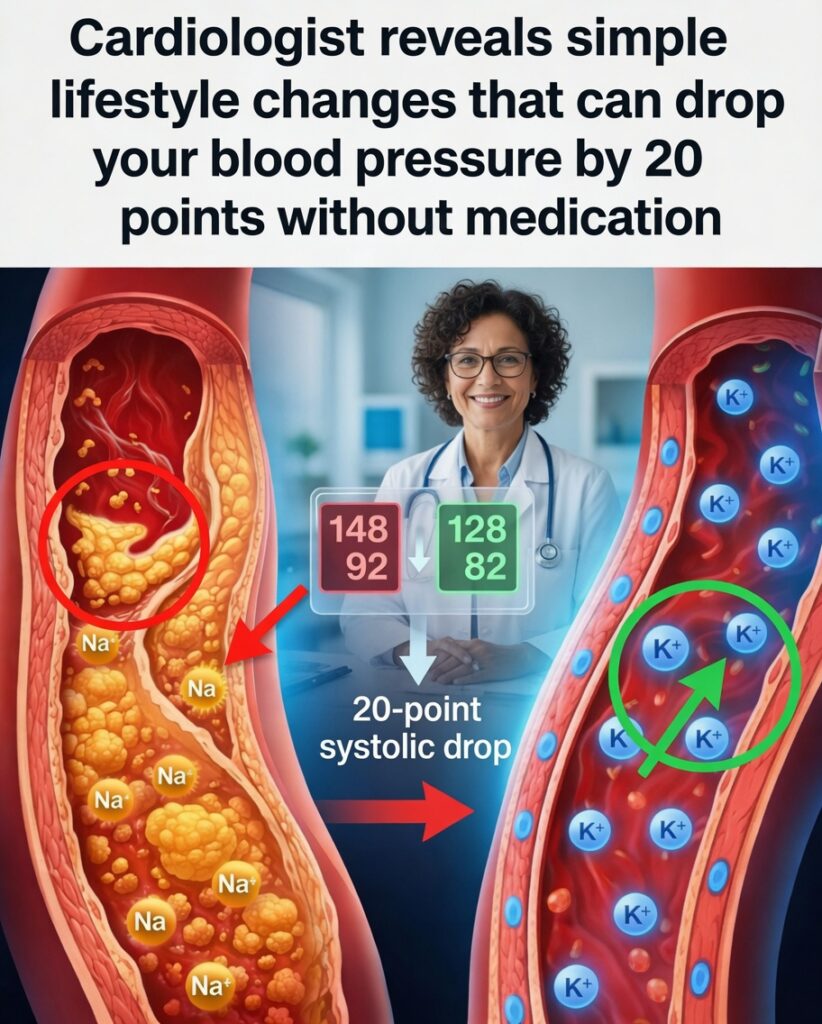
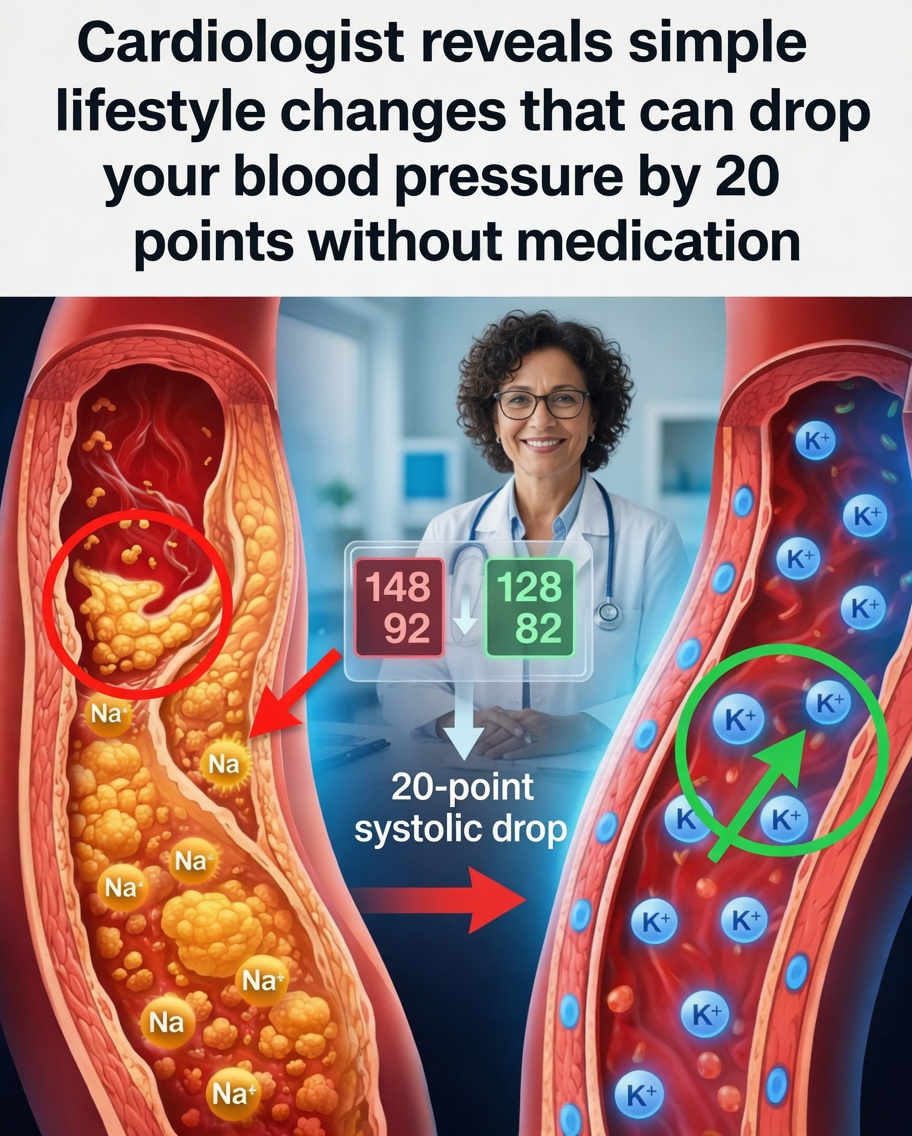
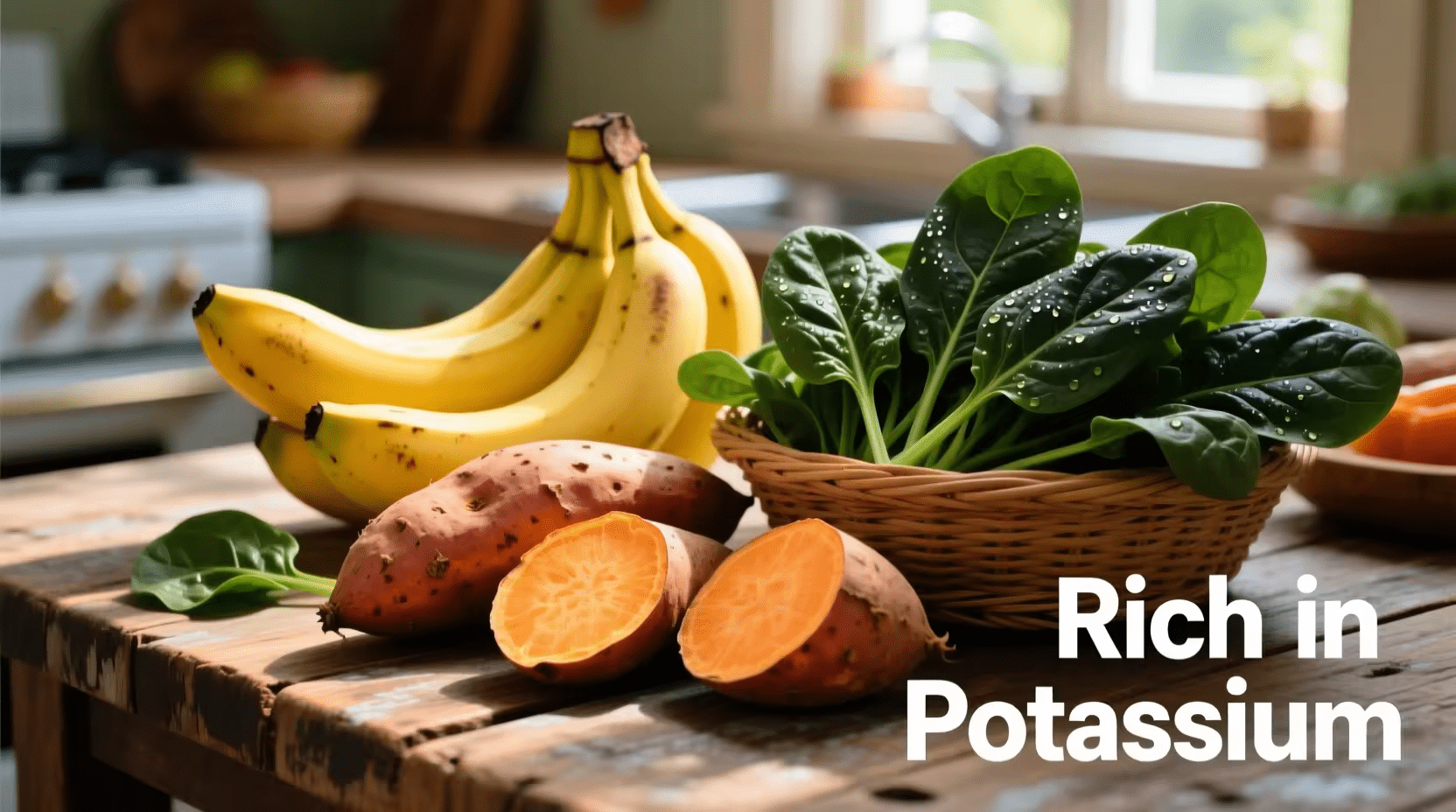
Salt hides in many packaged and restaurant foods, and excess sodium can contribute to higher blood pressure by affecting fluid balance. A helpful counter-strategy is to cut back on sodium while boosting potassium, since potassium supports healthier vessel relaxation and balance.
Here’s a simple overview many people find useful:
- Reducing daily sodium
- May support healthier readings by improving fluid regulation
- Increasing potassium intake
- Helps support smoother vessel function through relaxation of vessel walls
Potassium-rich choices include leafy greens, beans, yogurt, and fruits like bananas and oranges. With the right swaps, lowering blood pressure naturally can feel more nourishing than restrictive.
The DASH Eating Pattern: A Proven Way to Lower Blood Pressure Naturally
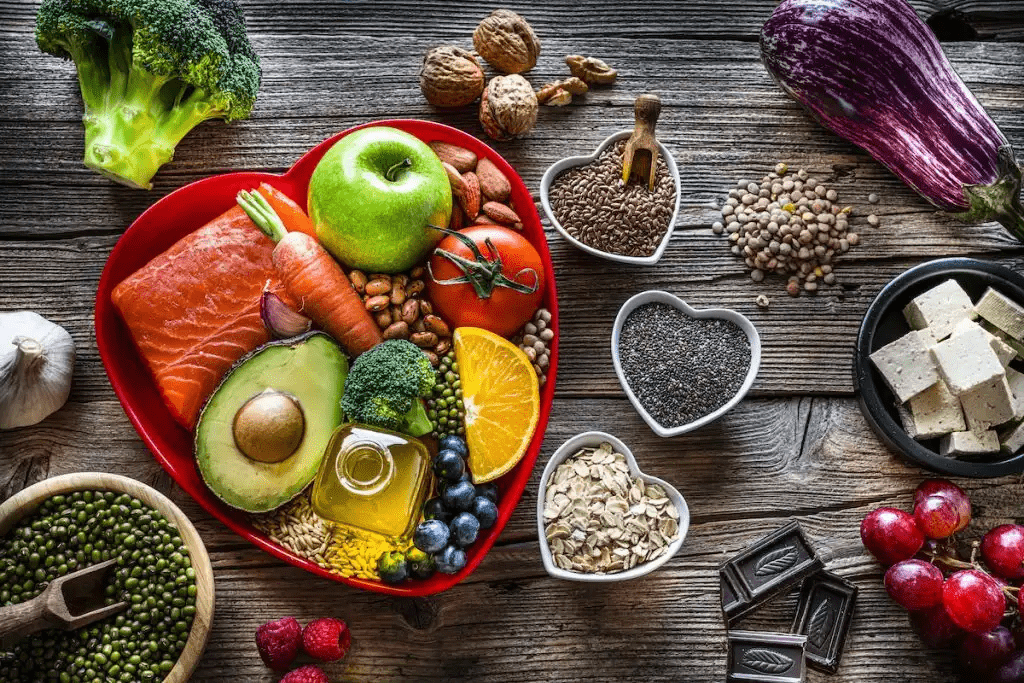
Diet changes can feel frustrating when they sound like endless “don’ts.” The DASH diet (Dietary Approaches to Stop Hypertension) is different: it emphasizes what to add more of—whole, minimally processed foods—while naturally limiting the items most associated with higher blood pressure.
Core DASH-style habits include:
- More vegetables and fruits
- Lean proteins (fish, poultry, legumes)
- Whole grains
- Reduced ultra-processed foods and excess sodium
Many people stick with DASH because it’s flexible and satisfying. When meals are colorful, filling, and enjoyable, lowering blood pressure naturally becomes sustainable instead of a temporary push.
Supplements That May Support Blood Pressure (Use Carefully)
If lifestyle changes are underway but readings remain stubborn, certain supplements may offer additional support for some people—especially:
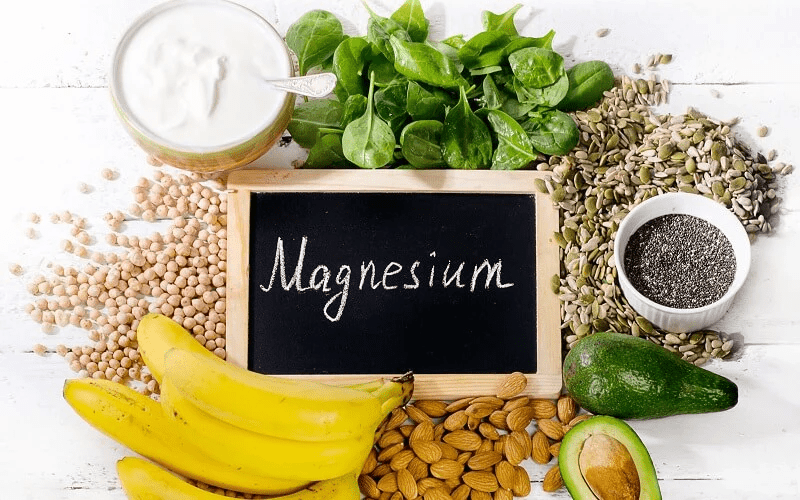
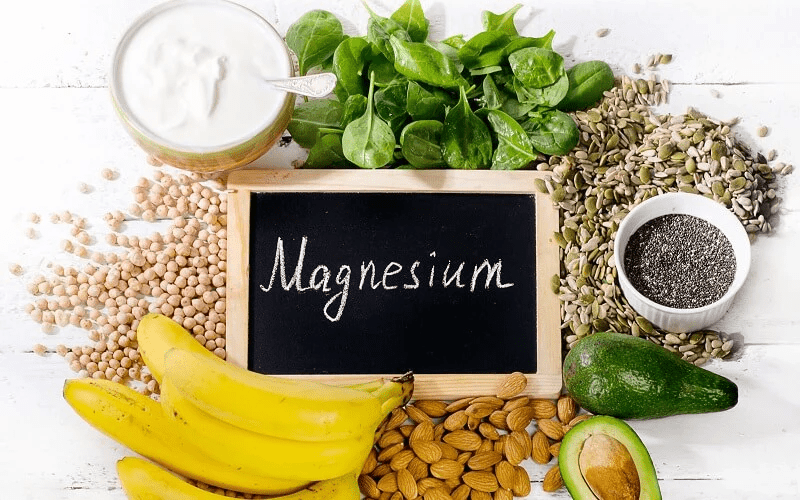
- Magnesium, which can support muscle and blood vessel relaxation
- Omega-3 fatty acids, which may support healthier inflammation balance and cardiovascular function
Because supplements can interact with medications or underlying conditions, speak with your clinician before starting anything new—especially if you’re already managing hypertension.
Alcohol in Moderation: A Simple Adjustment With Real Impact
Alcohol can be part of social life, yet it may also influence blood pressure—particularly when intake becomes excessive. Drinking more than moderate amounts can contribute to temporary vessel constriction and less stable readings over time.
For many, reducing alcohol is a relief: it’s a clear, measurable step toward lowering blood pressure naturally without needing to overhaul everything at once.
Exercise and Daily Movement: One of the Strongest Natural Tools
When you feel tired or overwhelmed, exercise can sound intimidating. But consistent, moderate movement strengthens the heart and supports better blood vessel flexibility—two key factors for healthier blood pressure.
Options that commonly support efforts to lower blood pressure naturally include:
- Aerobic activity (brisk walking, swimming, cycling)
- Builds cardiovascular endurance and may improve systolic pressure
- Resistance training (light weights, bands, bodyweight exercises)
- Adds complementary benefits for overall strength and metabolic health
- Enjoyable movement (dancing, gardening, active hobbies)
- Improves consistency because it doesn’t feel like punishment
Many people also notice mood and energy improvements—benefits that make it easier to maintain the routine long-term.
Stress and Sleep: The Missing Pieces for Lowering Blood Pressure Naturally
Chronic stress and poor sleep can keep blood pressure elevated and intensify health anxiety. Supporting the nervous system with better rest and calming practices often helps the body regulate more effectively.
Helpful approaches include:
- A consistent sleep schedule and a calmer bedtime routine
- Relaxation practices (breathing exercises, gentle stretching, meditation)
- Reducing late-day caffeine and screen time when possible
When sleep and stress are addressed, many people feel that lowering blood pressure naturally becomes more complete—because the foundation is stronger.
Practical Steps to Start Lowering Blood Pressure Naturally Today
To begin without feeling overwhelmed:
- Track your blood pressure at home (and record time, food, stress, and sleep patterns).
- Choose 1–2 changes to focus on first (for example: daily walks + less sodium).
- Build gradually, reassessing every few weeks based on your readings and how you feel.
Small, consistent improvements are often the most durable path to lowering blood pressure naturally.
FAQ: Lowering Blood Pressure Naturally
How quickly can blood pressure improve with lifestyle changes?
Some people see changes within a few weeks, while others need a few months. Results depend on consistency, baseline readings, and overall health.
Can I lower blood pressure naturally without medication?
Some people with mildly elevated blood pressure may improve significantly with lifestyle measures alone. Always monitor with a healthcare professional to ensure you’re staying in a safe range.
If I already take blood pressure medication, do natural strategies still help?
Yes. Healthy habits often complement treatment. However, discuss changes with your clinician, especially if readings begin to drop, since medication may need adjustment.
Final Thoughts on Lowering Blood Pressure Naturally
High readings can feel heavy—but they don’t have to leave you powerless. With practical, evidence-based lifestyle tools, many people regain control while supporting long-term heart health. Start with the changes that feel most realistic for you, and let consistency do the work.
Medical disclaimer: This article is for informational purposes only and does not provide medical advice. Consult a qualified healthcare professional before changing your diet, exercise, supplements, or routine—especially if you have medical conditions or take medications.