
Unexplained weight shifts, ongoing digestive discomfort, or persistent fatigue are common experiences—and in many cases, they’re linked to everyday causes such as diet changes, stress, sleep issues, or minor illnesses. However, when these problems continue without an obvious explanation, it’s natural to wonder whether something deeper is going on. Many pancreatic health symptoms are nonspecific, meaning they can look like a wide range of common conditions. Medical organizations also note that pancreatic cancer is rare, but paying attention to symptoms that persist can support timely medical review and peace of mind.
Below is an evidence-informed overview of symptoms sometimes discussed in relation to pancreatic concerns, along with practical next steps.

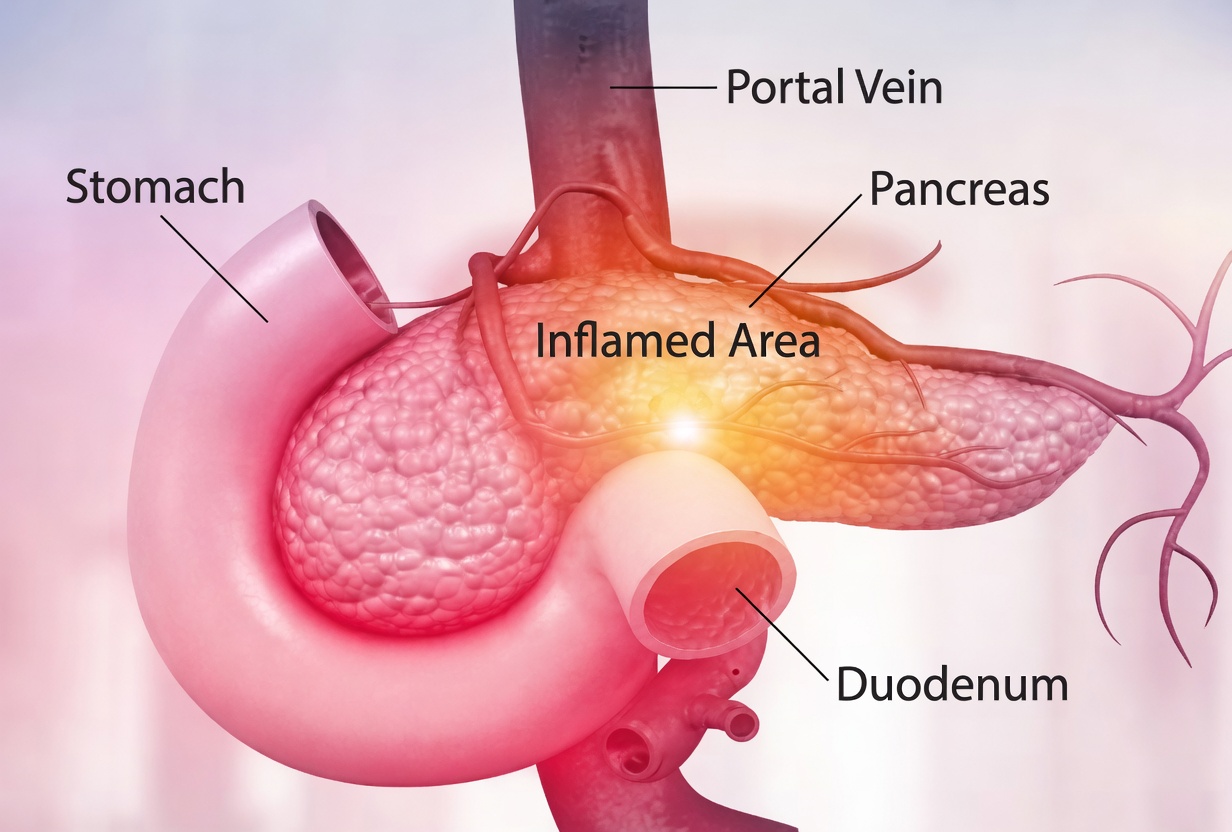
The Pancreas: What It Does—and Why Symptoms Can Be Easy to Miss
The pancreas plays two major roles:
- Digestion: It releases enzymes that help break down fats, proteins, and carbohydrates.
- Blood sugar control: It produces hormones (including insulin) that regulate glucose.
Because of where the pancreas sits in the body and how its functions connect to multiple systems, early issues may cause subtle, vague symptoms. Sources such as the Mayo Clinic point out that some pancreatic conditions—including cancer—may not trigger obvious changes in the earliest stages. That’s why the key focus is not any single sensation, but symptoms that linger, worsen, or cluster together.
Professional evaluation remains the most reliable way to understand what’s going on.
Why “Pancreatic Health Symptoms” Often Overlap With Common Problems
Symptoms like abdominal discomfort, appetite changes, nausea, and low energy are extremely common and often harmless. They may reflect:
- Dietary intolerance
- Viral illnesses
- Acid reflux or gastritis
- Medication side effects
- Stress-related digestive changes
- Sleep disruption or anemia
At the same time, medical groups such as the American Cancer Society emphasize that while pancreatic cancer is uncommon, knowing which symptoms are sometimes associated can help people decide when to check in with a clinician—often to rule out serious causes quickly.
The goal is awareness without panic: listen to your body, and seek guidance when symptoms don’t resolve.
8 Symptoms Sometimes Linked to Pancreatic Health Concerns
Reputable medical sources commonly mention the following pancreatic health symptoms. Most of them have many non-serious explanations, but they may deserve attention when they persist, progress, or appear together.
-
Unexplained weight loss
- Losing weight without changes in diet or activity can occur in many conditions, but it’s worth noting when it continues.
-
Signs of jaundice
- Yellowing of the skin or eyes, sometimes accompanied by itchy skin, can be related to bile flow problems.
-
Upper abdominal pain or discomfort that may radiate to the back
- Often described as dull or persistent, and may feel worse after eating for some people.
-
Ongoing digestive changes
- Indigestion, nausea, bloating, or stools that are greasy or pale may be discussed when symptoms don’t improve.
-
New blood sugar issues
- New-onset diabetes or sudden worsening blood sugar control—especially without typical risk factors—can prompt a medical conversation.
-
Noticeable urine or stool color changes
- Dark urine together with pale stools can sometimes point to bile duct blockage patterns.
-
Persistent fatigue
- A deep tiredness that doesn’t improve with rest and affects daily function.
-
Reduced appetite or feeling full quickly
- A gradual decline in appetite or early satiety, particularly if paired with weight loss.
Individually, these symptoms rarely indicate a serious disease. Their significance increases most when they are persistent, unexplained, or combined.
Common Causes vs. When Symptoms May Deserve a Medical Review
-
Weight loss
- Common benign causes: stress, diet change, increased activity
- Consider evaluation when: unintentional and ongoing
-
Jaundice (yellowing)
- Common benign causes: some infections or medication-related effects
- Consider evaluation when: paired with dark urine or pale stools
-
Abdominal/back discomfort
- Common benign causes: indigestion, reflux, muscle strain
- Consider evaluation when: persistent, worsening, or triggered after meals
-
Digestive symptoms
- Common benign causes: intolerance, stomach virus, IBS-like patterns
- Consider evaluation when: greasy stools, chronic nausea, or symptoms lasting weeks
-
Fatigue
- Common benign causes: poor sleep, stress, anemia
- Consider evaluation when: ongoing despite adequate rest
-
Appetite changes
- Common benign causes: mood changes, medications, short-term illness
- Consider evaluation when: combined with unexplained weight loss
Keeping track of patterns can make a medical appointment more efficient and accurate.
Practical Steps If You Notice Persistent Pancreatic Health Symptoms
If symptoms continue or feel unusual, these actions can help you respond calmly and effectively:
- Track details: duration, severity, triggers (meals, alcohol, stress), and what improves or worsens symptoms.
- Review personal risk factors: family history, smoking, heavy alcohol use, long-term pancreatitis history, or new blood sugar changes.
- Schedule a medical visit for symptoms that are unexplained, persistent, or occurring in combination.
- Ask about appropriate testing if symptoms last for weeks or escalate (your clinician may consider blood work, imaging, or other assessments).
- Maintain supportive habits in the meantime: balanced meals, hydration, gentle activity, and consistent sleep.
Getting checked early often leads to reassurance—and if something needs treatment, earlier evaluation is beneficial.
Supporting Overall Pancreatic and Digestive Wellness
While symptoms should be evaluated based on your individual situation, general guidance from medical organizations commonly includes:
- Avoiding tobacco
- Limiting alcohol
- Eating a fiber-rich, balanced diet
- Maintaining a healthy weight and regular physical activity
These steps support digestive and metabolic health broadly, not just the pancreas.
Final Thoughts on Pancreatic Health Awareness
Being attentive to ongoing changes is a form of responsible self-care. Most pancreatic health symptoms have benign, treatable explanations, but persistent or clustered symptoms deserve professional input. A qualified healthcare provider can evaluate your personal context, rule out serious concerns, and guide next steps.
Frequently Asked Questions
-
How common is pancreatic cancer compared with these symptoms?
Pancreatic cancer is rare. These symptoms far more often come from non-cancerous, treatable causes—medical evaluation helps clarify what’s most likely. -
When should pancreatic-related symptoms prompt urgent care?
Seek immediate medical help for severe abdominal pain, sudden jaundice, or rapid, significant changes in your condition. -
Can lifestyle factors affect pancreatic health symptoms?
Yes. Diet quality, physical activity, alcohol use, and tobacco exposure can influence digestive health and blood sugar regulation, and improving these habits may help while you address concerns with a clinician.
Medical disclaimer: This article is for informational purposes only and does not replace professional medical advice, diagnosis, or treatment. The symptoms discussed have many possible causes, most of them benign and unrelated to cancer. Always consult a qualified healthcare professional promptly for persistent, worsening, or concerning symptoms. Do not self-diagnose or delay care based on this content.