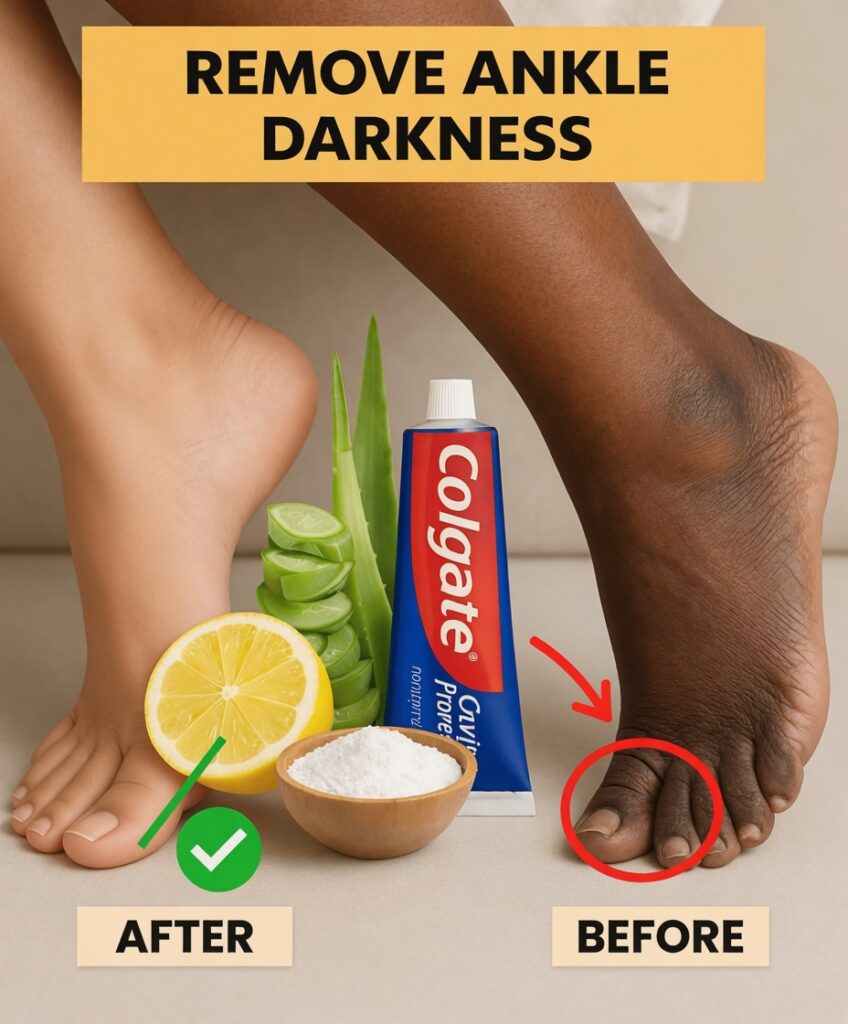
Dry, cracked heels can be uncomfortable and confidence-shaking, turning something as simple as walking barefoot into a painful or awkward experience. Because it’s so common, many adults look for fast at-home solutions—one of the most talked-about being the toothpaste for cracked heels trend. Before trying it, it helps to understand why it became popular, where it falls short, and what gentler, more reliable options can support smoother-looking skin.
Cracked Heels: What They Are and Why They Happen
Cracked heels form when the skin on the heel becomes very dry and thick, eventually splitting into small fissures that can feel rough, sting, or even become sore. Several everyday factors can contribute, including:
- Dehydration or generally dry skin
- Standing or walking for long periods, especially on hard surfaces
- Cold, dry, or windy weather
- Shoes that don’t support the heel well or leave it exposed
Because discomfort can build over time, people often search for quick fixes. The idea of using toothpaste for cracked heels appeals to many because it feels cooling and seems “active,” but professionals typically favor consistent moisturizing and gentle exfoliation for longer-term improvement.
The Viral “Toothpaste for Cracked Heels” Hack: What People Do
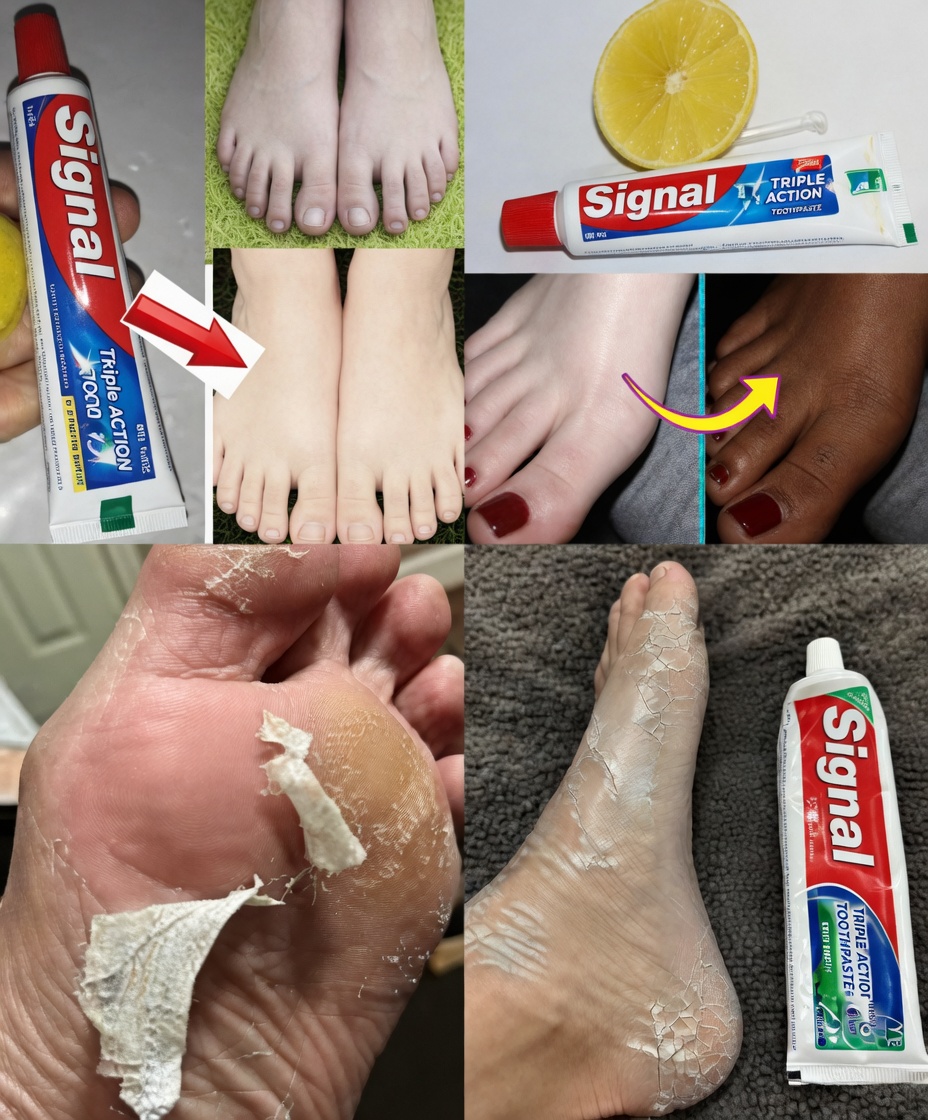
The common version of this hack is straightforward: people apply white toothpaste to their heels—often overnight—then rinse it off in the morning. Online posts frequently credit the sensation to ingredients like menthol, which can feel refreshing.
Others mix toothpaste with additional ingredients, assuming its mild abrasives will “scrub away” dead skin. The key issue is that toothpaste is designed for teeth, not for skin. While it may create a temporary cooling feeling, skincare research does not support toothpaste as a dependable or safe long-term method for treating cracked heels. Results are inconsistent, and any “fresh” feeling tends to fade quickly.
Risks and Downsides of Using Toothpaste on Cracked Heels
Toothpaste formulas may include fluoride, menthol, fragrance, and abrasive particles, which can be irritating—especially on skin that is already dry, thickened, or split. Potential problems include:
- Redness or irritation
- Increased dryness (making cracking worse)
- Stinging or discomfort, especially when fissures are present
If your heels are already compromised, toothpaste may aggravate the area rather than help it. Dermatology guidance commonly discourages this approach due to the lack of evidence and the higher chance of irritation.
If someone is still determined to try it, patch testing is the minimum precaution—but gentler, proven routines usually offer more reliable support.
Gentle, Evidence-Based Care for Cracked Heels
For most people, the best approach to cracked heel care focuses on two pillars: hydration and mild exfoliation.
-
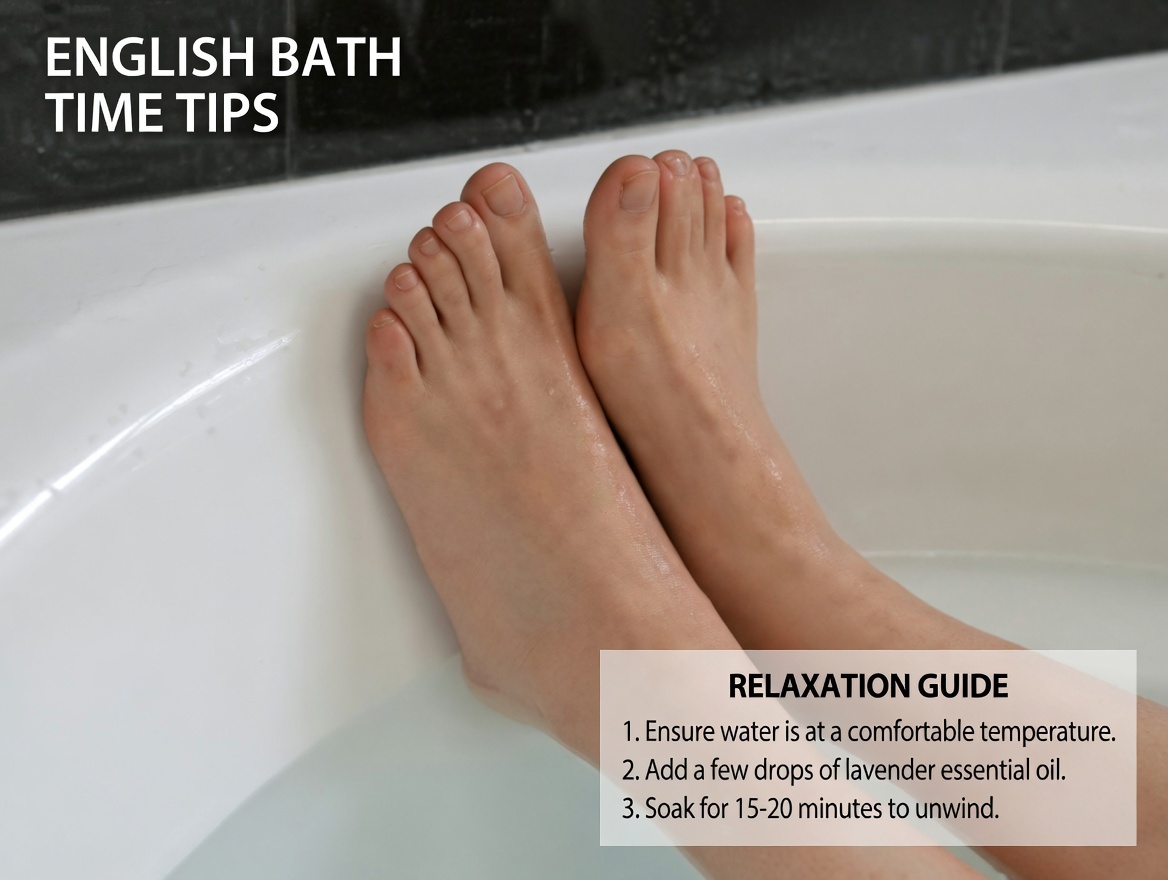
Soak your feet regularly
Warm water helps soften thick, dry skin so it’s easier to manage. -
Exfoliate carefully
After soaking, use a pumice stone gently—avoid aggressive scrubbing. -
Moisturize deeply
Apply a thick, fragrance-free cream (or an occlusive like petroleum jelly) to help lock in hydration, especially overnight.
With steady habits, many people notice their heels feel smoother and more comfortable over time.
Toothpaste vs. Recommended Cracked Heel Methods
-
Toothpaste for cracked heels
- Potential benefit: temporary cooling sensation
- Drawbacks/risks: irritation, drying, not formulated for skin
- Best for: curiosity only (not a go-to solution)
-
Warm soaks + pumice stone
- Potential benefit: softens thick skin and helps remove dead skin
- Drawbacks/risks: minimal if done gently
- Best for: consistent, safe exfoliation
-
Thick moisturizers (e.g., petroleum jelly)
- Potential benefit: strong moisture barrier, helpful overnight
- Drawbacks/risks: may feel greasy
- Best for: dryness and overnight hydration
-
Over-the-counter heel balms
- Potential benefit: targeted ingredients (often including urea)
- Drawbacks/risks: can cost more
- Best for: persistent roughness and ongoing dryness
A Simple Routine for Healthier-Looking Heels
-
Daily: Hydration
- Apply a thick moisturizer after bathing
- What you may notice: less tightness and reduced dryness
-
2–3 times per week: Exfoliation
- Soak feet for 10–15 minutes, then gently use a pumice stone
- What you may notice: smoother texture over time
-
Ongoing: Maintenance
- Wear supportive shoes and stay hydrated
- What you may notice: improved comfort and more resilient skin
Practical Tips You Can Start Today (Without Toothpaste)
- Soak feet in warm water for 10–15 minutes
- Gently exfoliate using a pumice stone
- Pat dry and apply a thick, fragrance-free moisturizer
- Wear cotton socks overnight to help seal in moisture
- Repeat consistently for best results
Many people see softer-feeling heels by sticking to this simple, low-irritation routine.
Conclusion: Choosing Reliable Cracked Heel Care
The toothpaste for cracked heels trend may feel novel and temporarily cooling, but it’s not a proven skin-safe strategy and may cause irritation. In contrast, time-tested methods—warm soaking, gentle exfoliation, and deep moisturizing—offer more dependable support for smoother, more comfortable heels. Listening to your skin and prioritizing gentle, evidence-based habits usually delivers the best long-term results.
Frequently Asked Questions
-
Is toothpaste for cracked heels safe to use regularly?
It’s generally not recommended. Toothpaste can irritate skin, especially if heels are already cracked. For ongoing or severe issues, consult a healthcare professional. -
What works better than toothpaste for cracked heels?
Consistent moisturizing, regular warm soaks, and gentle exfoliation are typically safer and more effective options. -
How long does it take to improve cracked heels?
With steady care, many people notice improvement within a few weeks. More severe cracking may require medical guidance.
Disclaimer: This content is for informational purposes only and is not a substitute for professional medical advice. Consult a qualified healthcare provider for personalized recommendations related to foot care or skin concerns.