Frequent nighttime trips to the bathroom—and the annoying sense that your bladder never fully empties—can erode sleep quality and confidence for many men as they get older. These are classic lower urinary tract symptoms often linked to benign prostatic hyperplasia (BPH), a highly common, non-cancerous enlargement of the prostate. Increasingly, research suggests that a simple dietary addition—pumpkin seeds—may provide gentle, natural support for prostate health and urinary comfort.
Understanding BPH and Why Pumpkin Seeds Are Studied
Benign prostatic hyperplasia (BPH) develops gradually as the prostate enlarges and may press against the urethra. This can contribute to:
- A weaker urine stream
- Urgency or frequent urination
- Difficulty fully emptying the bladder
Studies commonly report that more than half of men in their 60s experience symptoms consistent with BPH. Contributing factors may include hormonal changes (including DHT activity), inflammation, and oxidative stress.
Pumpkin seeds attract interest because they naturally contain:
- Zinc
- Phytosterols
- Beneficial fats
- Antioxidants (including vitamin E and carotenoids)
Clinical research (including trials published in outlets such as Urologia Internationalis) suggests that consistent use of pumpkin seeds may help improve certain urinary symptoms for some men.
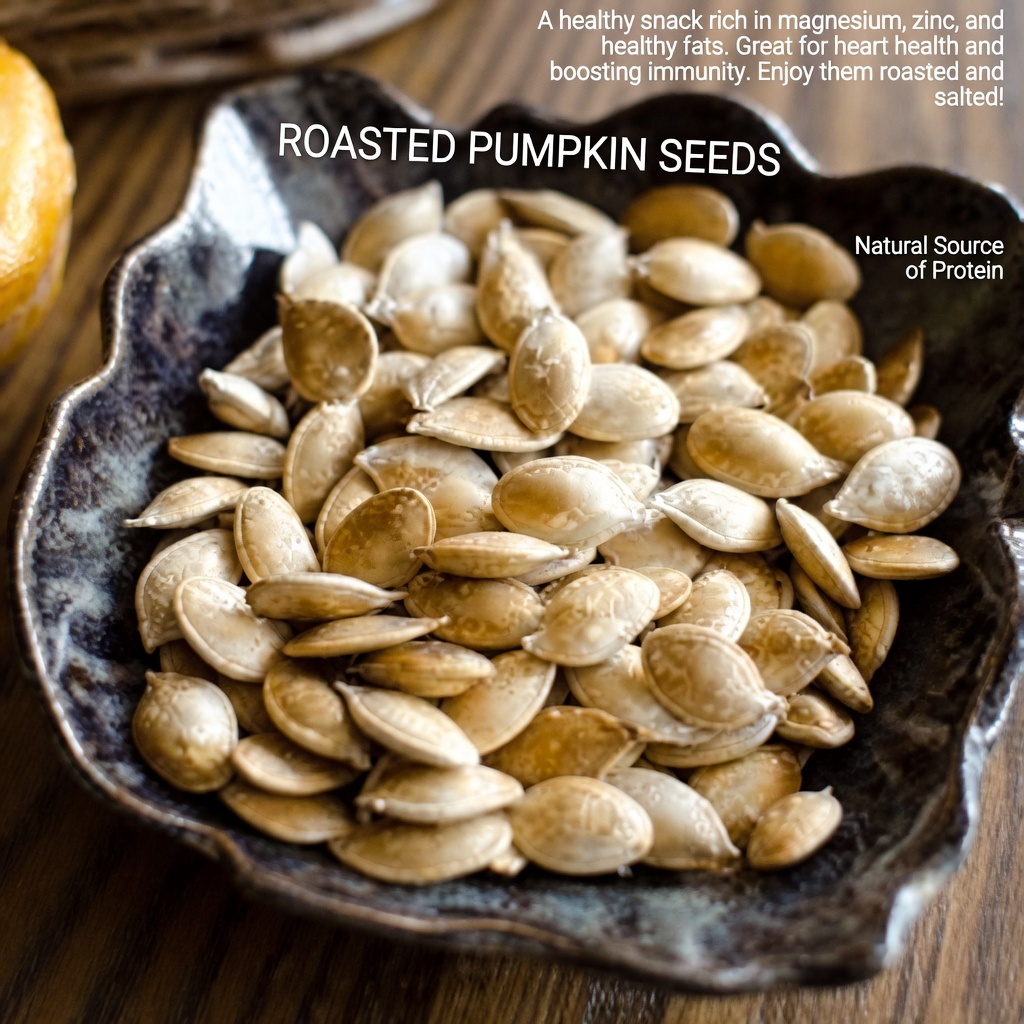
9 Potential Ways Pumpkin Seeds May Support Prostate-Related Symptoms
The benefits below reflect findings from research and long-standing traditional use. Results vary by individual, and pumpkin seeds are best viewed as supportive nutrition—not a cure.
9. Fewer nighttime bathroom trips (nocturia)
Waking repeatedly can interrupt deep sleep and leave you drained the next day. Some studies associate pumpkin seed intake with reduced nocturia frequency, which may improve rest.
8. Gentle support for hormonal balance
The phytosterols in pumpkin seeds may interact with pathways related to DHT, a hormone often discussed in prostate enlargement. Reviews suggest they may help support hormonal equilibrium.
7. Mild anti-inflammatory effects
Low-grade inflammation is frequently linked with urinary discomfort. Antioxidants—such as vitamin E—may help calm oxidative and inflammatory stress.
6. Better urinary flow and easier emptying
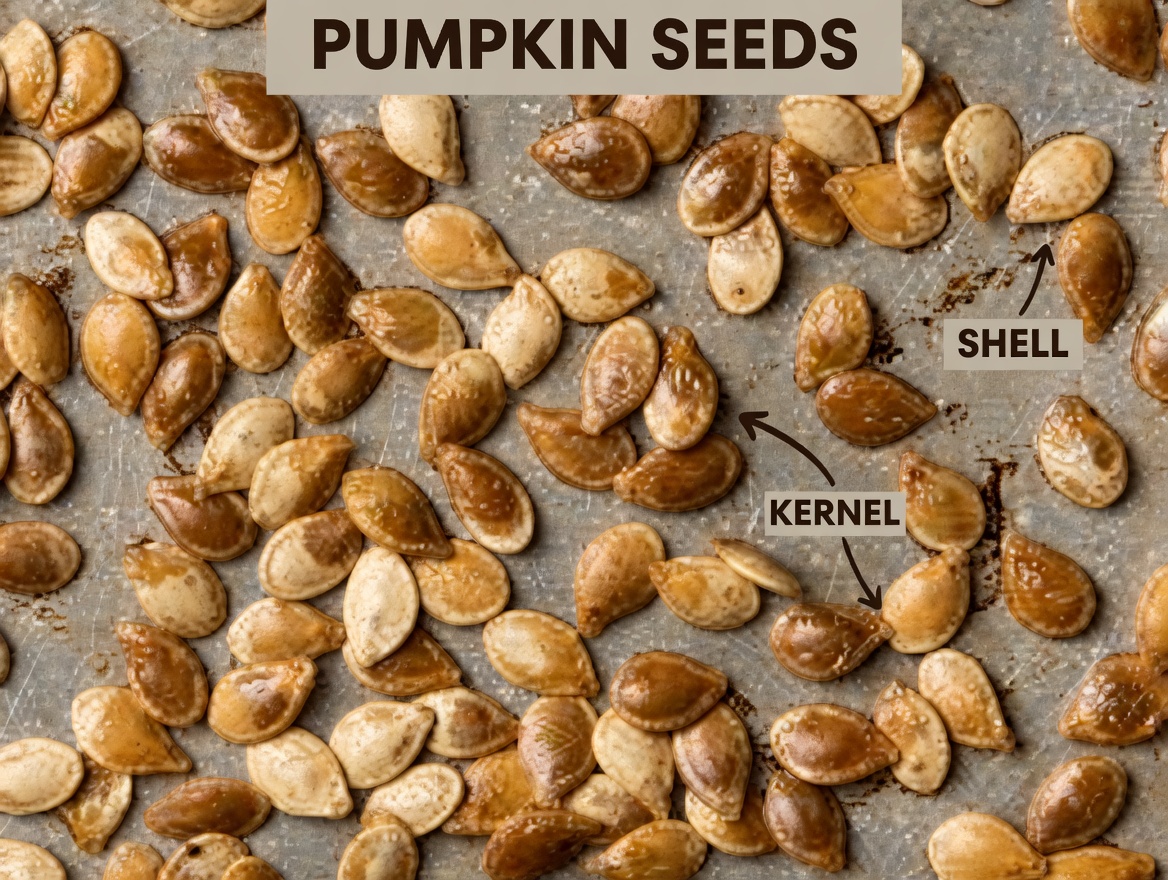
Clinical comparisons indicate that, over weeks to months, pumpkin seeds may support a stronger urine stream and a more comfortable sense of bladder emptying.
5. Improved daytime energy
When nighttime disruptions decrease, many people feel more refreshed. Pumpkin seeds also provide magnesium, a nutrient often associated with energy metabolism and overall vitality.
4. Added cardiovascular support
Pumpkin seeds contain heart-healthy fats, and cardiovascular wellness shares overlapping lifestyle factors with long-term prostate comfort (diet quality, inflammation control, metabolic health).
3. Deeper, more continuous sleep
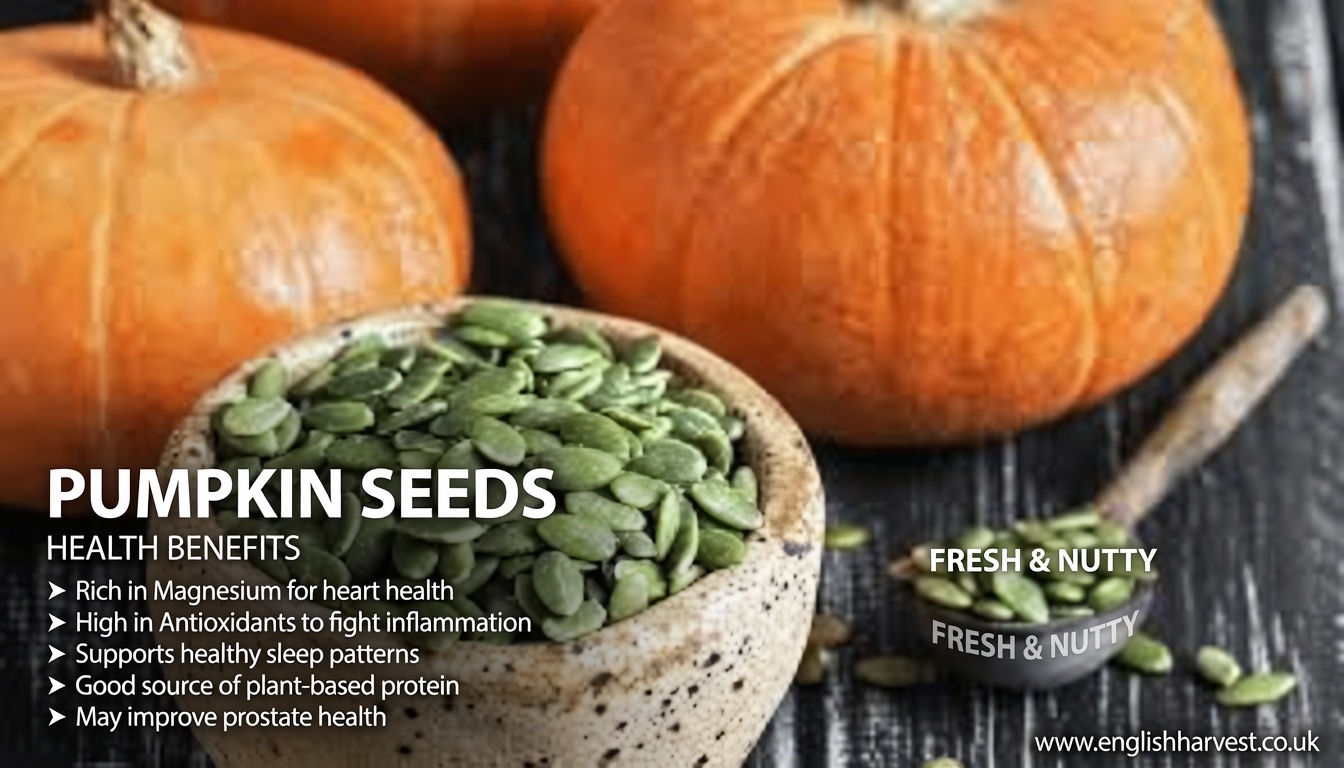
By easing urgency and nighttime frequency for some men, pumpkin seeds may help create conditions for more restorative sleep.
2. A natural source of zinc
The prostate concentrates zinc, and adequate intake is considered important for normal gland function. Pumpkin seeds are one of the most convenient food sources to help maintain zinc levels.
1. Antioxidant protection tied to healthy aging
Compounds such as carotenoids and other antioxidants in pumpkin seeds may provide broad support against oxidative stress often associated with aging-related changes.
Easy Ways to Add Pumpkin Seeds to Your Routine
Consistency matters more than perfection. A practical target used in many studies is 1–2 ounces (30–60 g) per day—roughly a small handful.
Try these simple options:
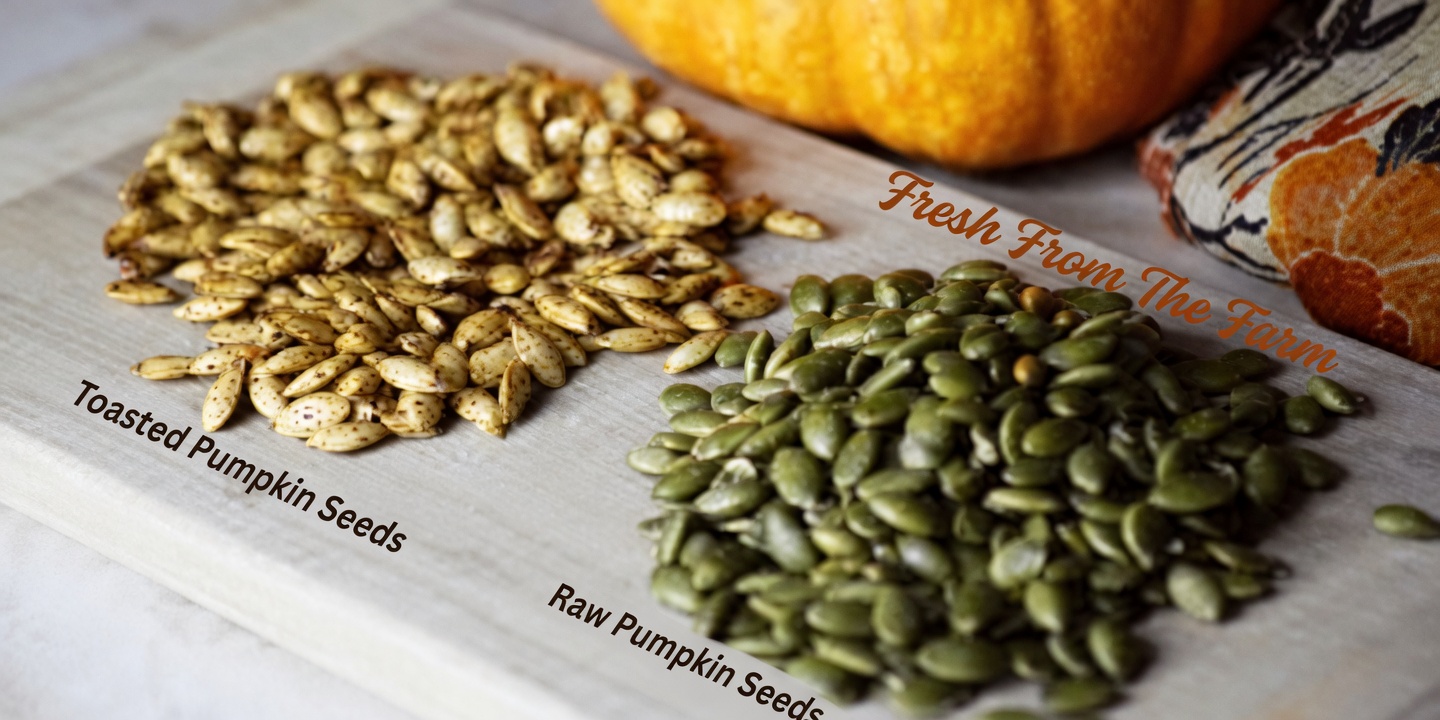
- Snack on raw or lightly roasted pumpkin seeds
- Sprinkle them on salads, oatmeal, or yogurt
- Blend into smoothies for extra nutrients
- Use pumpkin seed oil in salad dressings (avoid heating it)
- Choose unsalted varieties to keep sodium moderate
For freshness, store pumpkin seeds in a cool, dark place—or refrigerate them, especially after opening.
Quick Guide to Pumpkin Seed Forms
-
Raw pumpkin seeds
- Texture/flavor: firm, mildly nutty
- Best use: smoothies, toppings
- Notes: often considered best for preserving nutrients
-
Roasted (unsalted) pumpkin seeds
- Texture/flavor: crunchier, richer flavor
- Best use: snacks, salads
- Notes: convenient daily option
-
Pumpkin seed oil
- Texture/flavor: rich taste, green hue
- Best use: cold dressings (no heat)
- Notes: concentrated—use small amounts
Final Thoughts
Adding pumpkin seeds for BPH support is a straightforward, food-based strategy that research suggests may help many men improve urinary comfort, reduce nighttime urination, and support overall prostate health. For best results, combine this habit with a balanced diet, regular physical activity, and routine medical checkups.
Frequently Asked Questions
How many pumpkin seeds should I eat daily?
Many studies use 1–2 ounces (30–60 grams) per day. Start with a small handful and adjust based on how you tolerate them.
Can pumpkin seeds replace medication for BPH?
No. Pumpkin seeds are a complementary food, not a replacement for medical treatment. Follow your clinician’s recommendations.
Do pumpkin seeds cause side effects?
They’re generally well tolerated, but very large amounts may cause digestive discomfort. Anyone with a seed allergy should avoid them.
Medical disclaimer: This article is for informational purposes only and does not provide medical advice. Talk with a qualified healthcare professional before making dietary changes, especially if you have prostate symptoms or take medications.