Milia: Why Those Tiny White Bumps Keep Coming Back (and How to Help Smooth Your Skin)
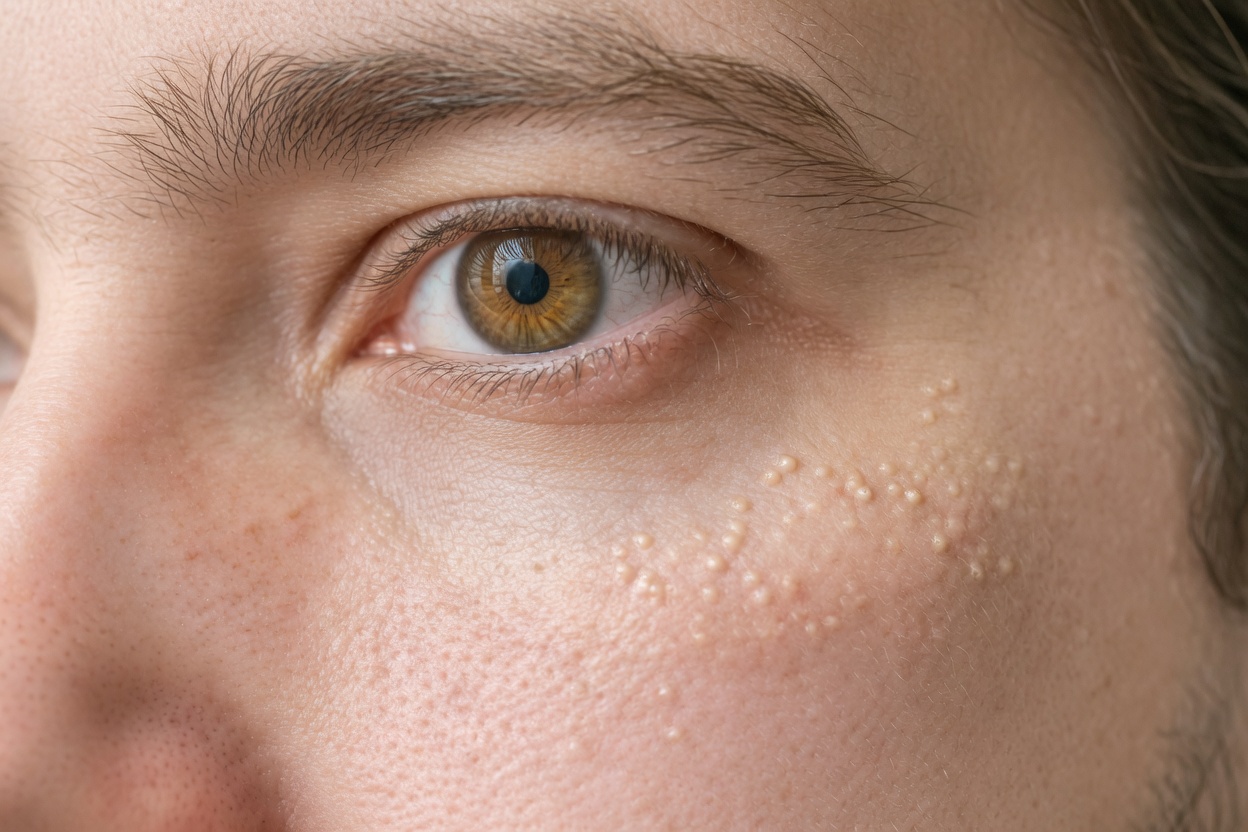
Small, white bumps on the face can feel never-ending—especially when they show up around the eyes or across the cheeks and refuse to disappear, no matter how carefully you cleanse. Many adults (often in their 30s and beyond) notice that milia create a bumpy texture that makes makeup sit unevenly and chips away at confidence with every close-up mirror check. Even worse, repeated “fixes” can leave skin irritated, red, and extra sensitive, making the bumps look more noticeable than before.
The good news: once you understand what milia actually are, it becomes much easier to choose gentle, effective habits that support a smoother-looking complexion—without damaging your skin barrier.
Why Milia Is Often Confused with Acne (and Why That Backfires)
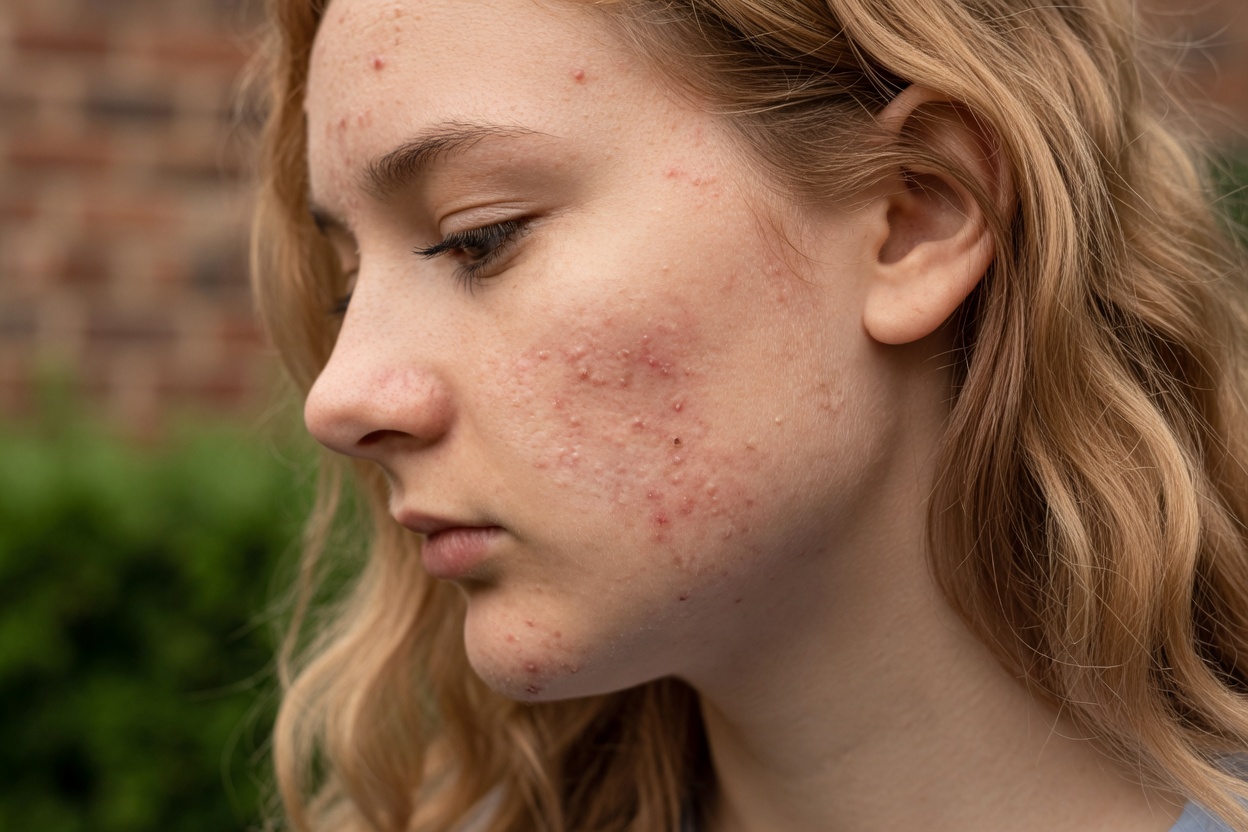
It’s easy to assume these bumps are acne—until you realize they don’t behave like pimples. Milia are not acne. They are tiny keratin-filled cysts sitting just under the surface of the skin. That’s why they feel firm and don’t “pop” like a whitehead.
When milia is mistaken for acne, people often reach for harsh solutions—strong spot treatments, aggressive scrubs, or repeated picking. Unfortunately, this can inflame delicate areas (especially around the eyes), disrupt the skin barrier, and make texture concerns feel worse.
A key mindset shift is simple but powerful: treat milia as a keratin-trapping issue—not an “oil-and-bacteria” acne problem. That change alone helps prevent unnecessary irritation and opens the door to more supportive skincare choices.
What Are Milia? Common Causes and Why They Love the Face
Milia form when keratin (a natural protein in skin) becomes trapped beneath the outer layer instead of shedding normally. They can appear suddenly, and they often cluster in areas where skin is thin or prone to buildup.
Common categories include:
- Primary milia: Often develop “on their own” due to natural skin processes.
- Secondary milia: Can show up after skin trauma or irritation (including burns, over-exfoliation, some procedures), or when the surface layer thickens and traps keratin.
Why do they frequently appear around the eyes and cheeks?
- The skin is thinner and more delicate.
- Heavy or overly occlusive products (especially rich eye creams) can increase the chance of keratin getting trapped.
- Sun exposure can contribute to surface thickening over time, which may make buildup more likely.
If you’ve been layering thick creams and noticing more bumps in the same areas, it’s not “your fault”—it’s often a product-and-skin-behavior mismatch. The empowering part is that small routine adjustments can make a real difference.
Why Viral “Overnight Milia Remedies” Can Do More Harm Than Good
Quick-fix trends promise instant results—gritty scrubs, DIY mixtures, heavy ointment layering, or at-home “extraction” hacks. But for milia, these approaches frequently backfire.
Common problems with DIY milia tricks:
- More occlusion: Heavy, greasy layers can trap keratin even further, making milia more stubborn.
- Barrier disruption: Abrasive scrubs and harsh powders can cause redness, dryness, and sensitivity—making bumps stand out more.
- Infection/scarring risk: Trying to force removal at home, especially near the eyes, can lead to lasting marks or irritation.
When it comes to milia removal and milia skincare, consistency tends to beat intensity. Gentle, repeatable habits are usually the safer path—especially for thin facial areas.
A Gentle Skincare Routine to Support Skin Turnover (Without Overdoing It)
If milia has become a recurring issue, the goal is to support gradual, steady skin renewal while protecting your barrier. Think “low and slow,” not “strong and fast.”
Here are routine-friendly options many people use to help improve the look of milia-related texture:
- Gentle retinoids (night use): Support skin renewal over time and can help reduce the look of buildup.
- Light AHAs (careful frequency): Help smooth the surface by encouraging shedding of dead skin cells.
- Non-occlusive moisturizers: Hydrate without heavily coating the skin, which can reduce the chance of trapping keratin.
- Consistent sunscreen: Helps protect skin from damage that can worsen uneven texture.
Important: Patch test and introduce one new product at a time. Overloading your routine can trigger irritation—especially when you’re already frustrated and tempted to do “everything at once.”
Real-Life Progress: What “Milia Improvement” Often Looks Like
Many people feel discouraged because milia doesn’t respond like acne—it tends to improve gradually. One common pattern is that texture looks more even over weeks to months once the routine becomes less occlusive and more consistent with gentle turnover support.
For example, some individuals report that switching from heavy eye-area products to a lighter moisturizer and using a mild retinoid at night helps bumps fade slowly, with fewer new ones forming. The most consistent theme in these wins is not an overnight miracle—it’s patient, steady care that avoids irritation.
Milia can be persistent, but it doesn’t have to be permanent in your story.

Daily Habits That Can Help Minimize the Appearance of Milia
Small daily choices can influence whether milia keeps reappearing—especially around delicate areas.
Consider these milia-friendly habits:
- Use a warm compress (gentle): A warm (not hot) compress can soften the area and make skincare feel more comfortable—without forcing extraction.
- Choose non-comedogenic products: Look for lightweight formulas, particularly near the eyes and cheeks.
- Hydrate consistently: Well-supported skin barriers are less reactive and often look smoother.
- Wear broad-spectrum sunscreen daily: Helps prevent damage that can contribute to uneven texture.
- Avoid picking or scraping: This reduces inflammation and lowers the risk of marks.
If your routine feels “aggressive,” scaling back can be the simplest shift that changes everything: protect your skin barrier first, then support slow renewal.
When to See a Professional for Milia
If milia lingers despite a careful routine—or if bumps sit close to the lash line—professional support is often the safest option. Dermatology professionals can confirm whether the bumps are milia (and not something else) and use precise methods to remove them while reducing the risk of scarring.
Consider booking a consultation if:
- The bumps persist for months with no improvement
- They are near the eyes or in sensitive zones
- You feel tempted to extract them yourself
- The texture is affecting your comfort or confidence
Professional care can be direct and efficient—but it works best when paired with a maintenance routine that discourages buildup from returning.
Prevention: How to Help Keep Milia from Coming Back
Once you identify your likely triggers, prevention becomes much easier. The most common long-term supports include:
- Switching to lighter, non-occlusive products around the eyes
- Keeping exfoliation gentle and consistent, not intense and sporadic
- Maintaining daily sun protection
- Reviewing products that may be “too rich” for your skin type or climate
Think in terms of a 30-day rhythm: fewer new bumps, calmer skin, and less time spent worrying about texture.
Comparing Approaches to Managing Milia Appearance
| Approach | Evidence Level | Safety Profile | Long-Term Support for Skin |
|---|---|---|---|
| Harsh DIY methods (scrubs, forcing extraction) | Low | Risky | Often temporary or irritating |
| Gentle, consistent skincare | Strong | High | Preventive and balancing |
| Professional care (dermatology removal) | High | Excellent | Direct and effective |
Advanced Tips to Support Skin Prone to Milia
| Tip | Why It Helps for Milia-Prone Skin |
|---|---|
| Use eye-area products sparingly | Reduces product buildup that can trap keratin |
| Avoid overly heavy occlusives in hot/humid weather | Helps prevent “sealed-in” buildup on thin facial skin |
| Introduce actives slowly (1 at a time) | Lowers the chance of irritation that makes texture look worse |
| Prioritize barrier support (gentle cleanser + moisturizer) | A healthier barrier tolerates renewal-focused products better |
| Reassess makeup and sunscreen textures | Some formulas layer thickly and can contribute to congestion-like texture |