Why Tooth Discoloration Happens—and Why “Instant Whitening” Sounds So Tempting
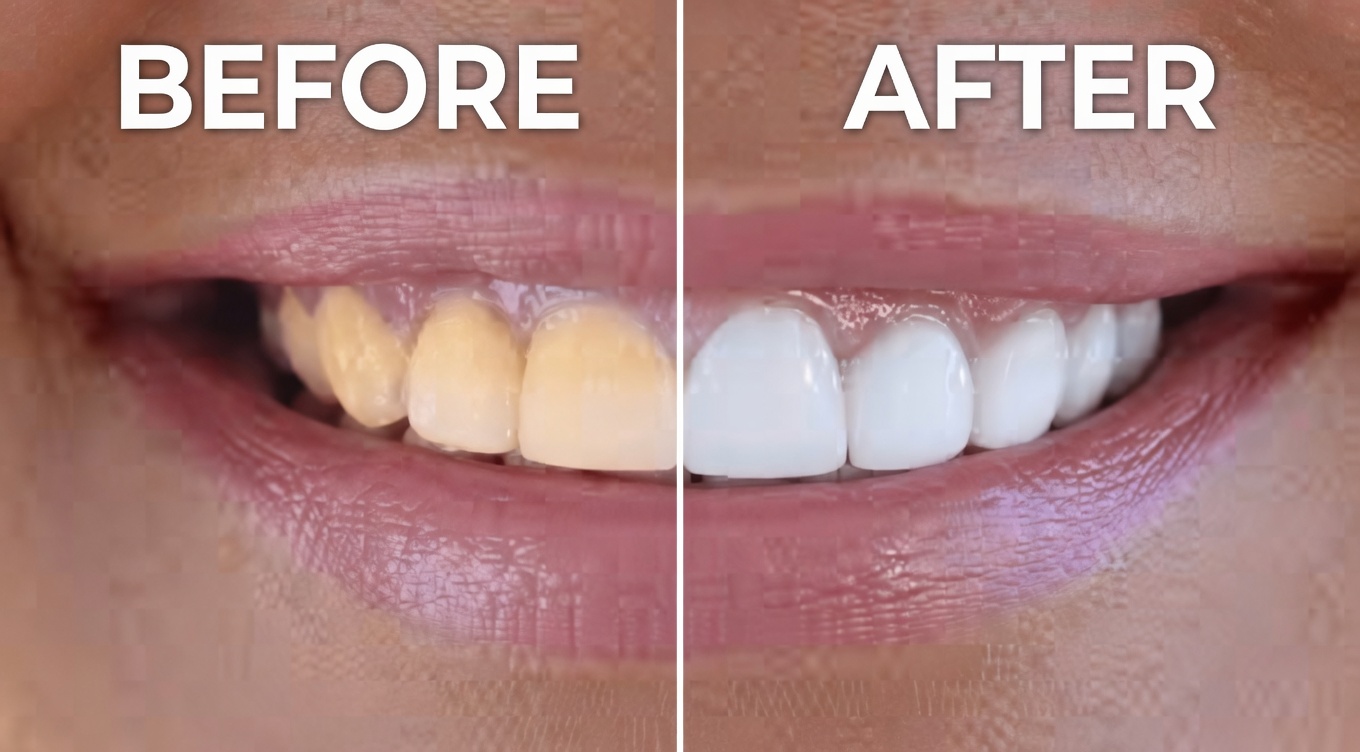
Visible staining from coffee, tea, red wine, smoking, and natural aging affects a huge number of adults. As stains build up, teeth can look duller in photos and make people feel hesitant to smile during conversations.
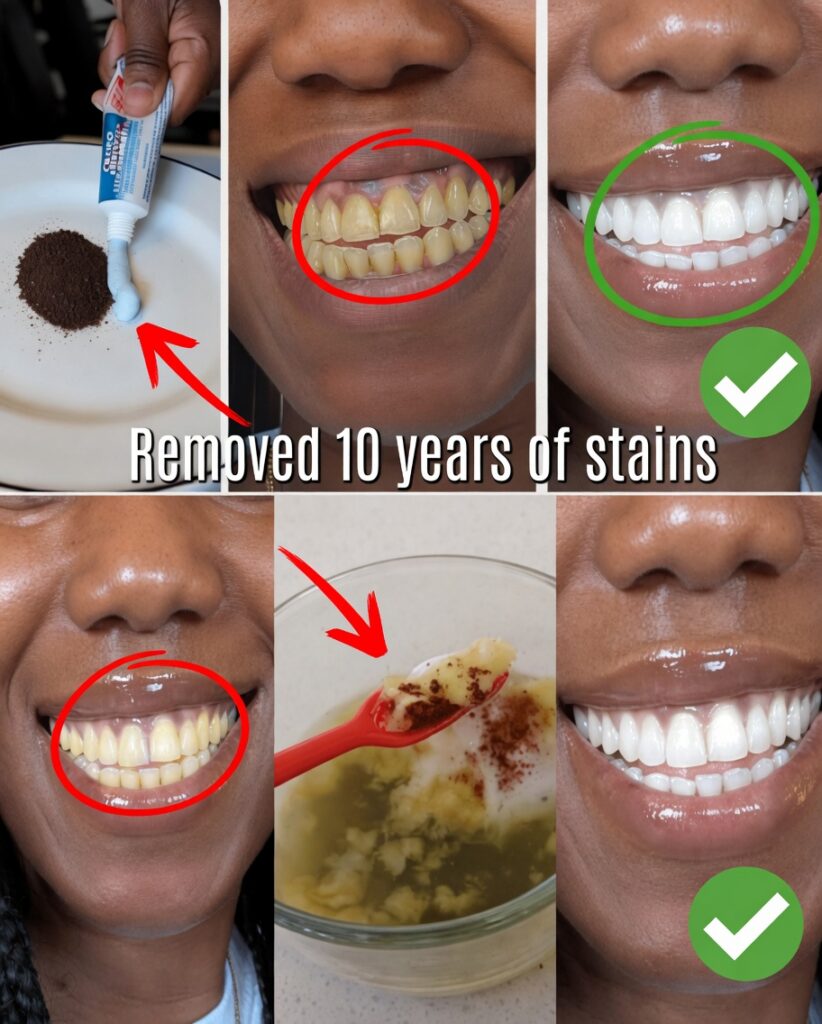
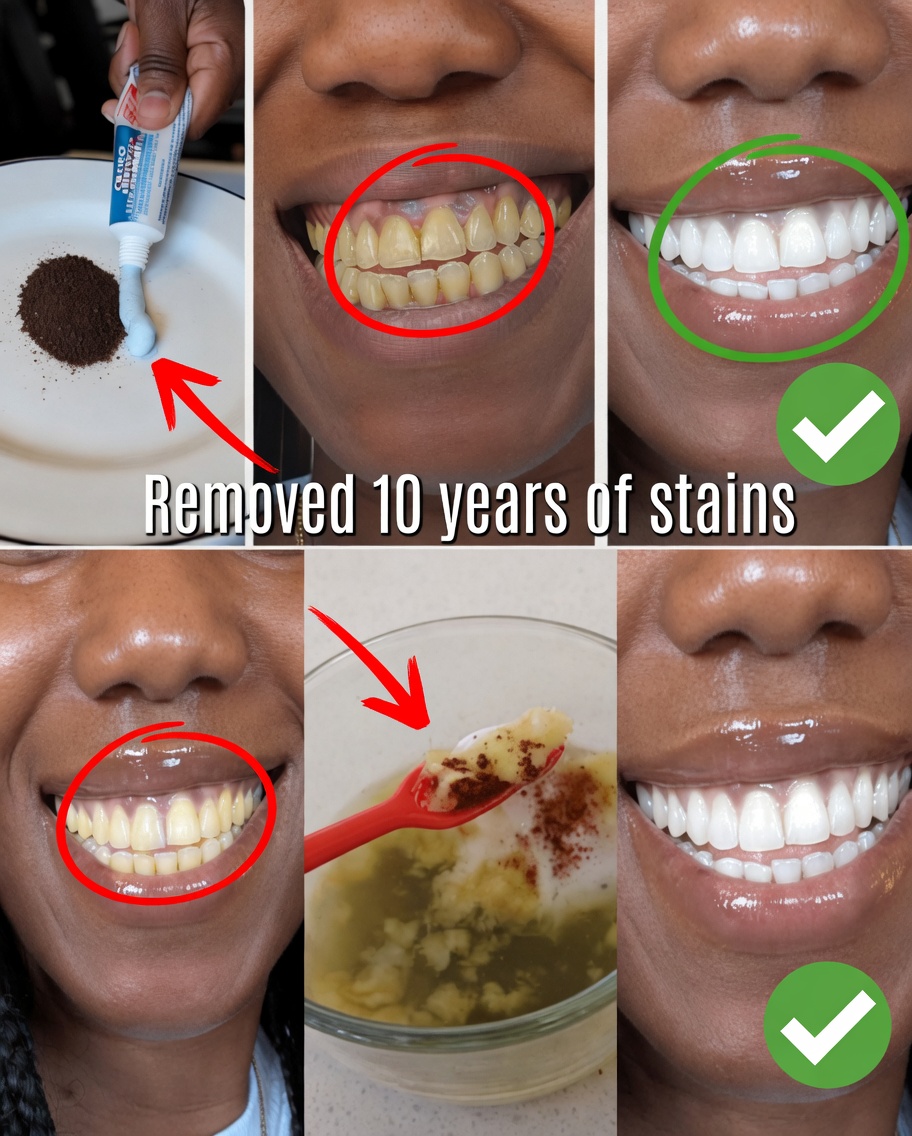
Because of that, many search for quick at-home teeth whitening tricks that promise dramatic results “in minutes.” Catchy claims like “erase 10 years of stains in 2 minutes” spread fast online—but most dental guidance points to a more realistic truth: gentle methods can help surface stains gradually, while deep discoloration usually requires time and consistency.
Surface vs. Deep Stains: What You Can (and Can’t) Fix Quickly
Most everyday discoloration is extrinsic staining—pigments from food and drinks that settle on the outer enamel layer over time. This is the type most likely to improve with better hygiene and mild polishing.
Deeper shade changes can come from intrinsic causes (aging, medication history, trauma, enamel thinning), and those typically won’t disappear in two minutes. Even effective whitening approaches often need repeated sessions, not a single “miracle” step.
The Banana Peel Whitening Trend: Claims vs. Evidence
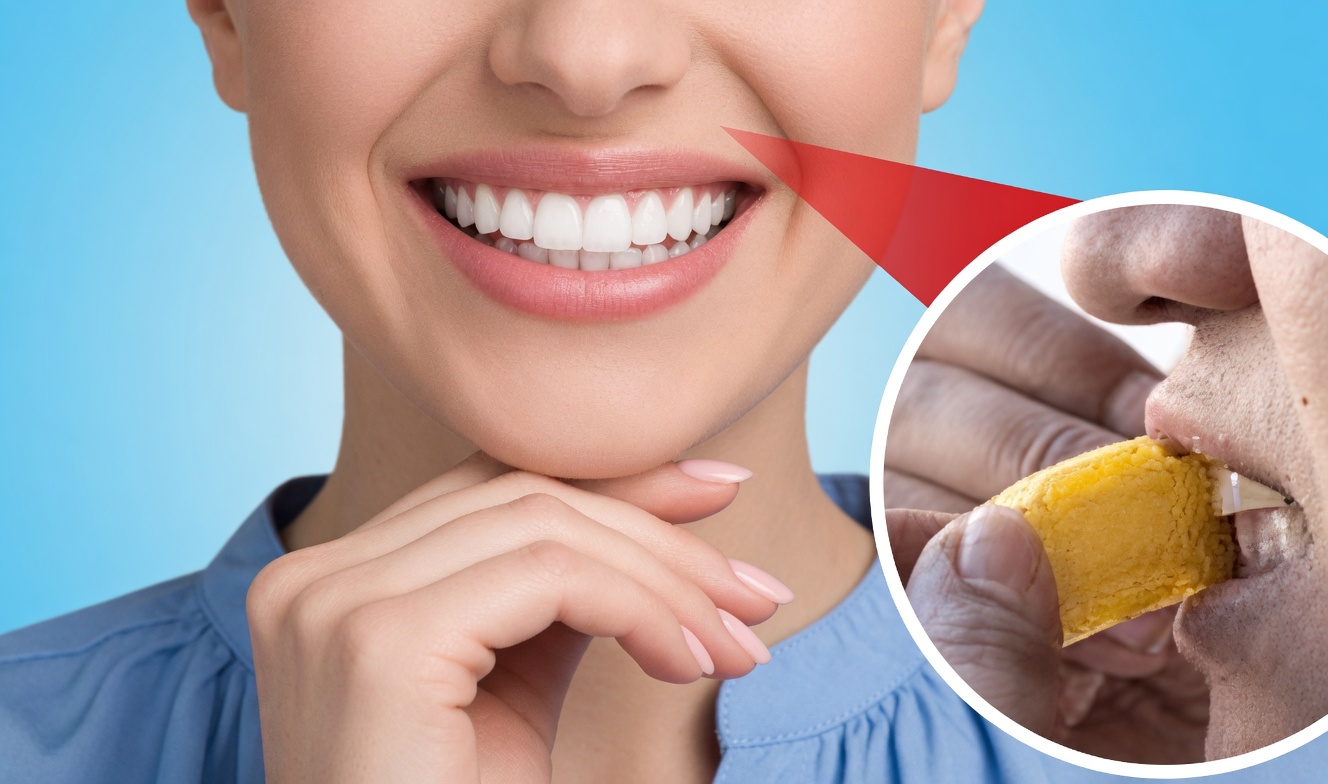
One of the most viral natural methods is banana peel teeth whitening. The common advice is to rub the inside of a banana peel on teeth for a few minutes each day. Supporters often point to minerals like potassium and magnesium, suggesting they “pull stains out” naturally.
In reality, scientific findings do not support banana peel as a meaningful whitening method. Reviews and lab-style comparisons generally show little to no measurable whitening from banana peel alone. Some tests even report a slightly more yellow look—likely influenced by natural pigments. Any “improvement” is more plausibly explained by gentle friction, similar to basic brushing that removes minor surface debris.
In short: banana peel rubbing may feel harmless and fresh, but it doesn’t outperform standard oral care for stain reduction.
Popular Natural Ingredients People Mix for Teeth Brightening
DIY whitening recipes frequently combine kitchen staples. Here’s what people use most often—and what it may (or may not) do:
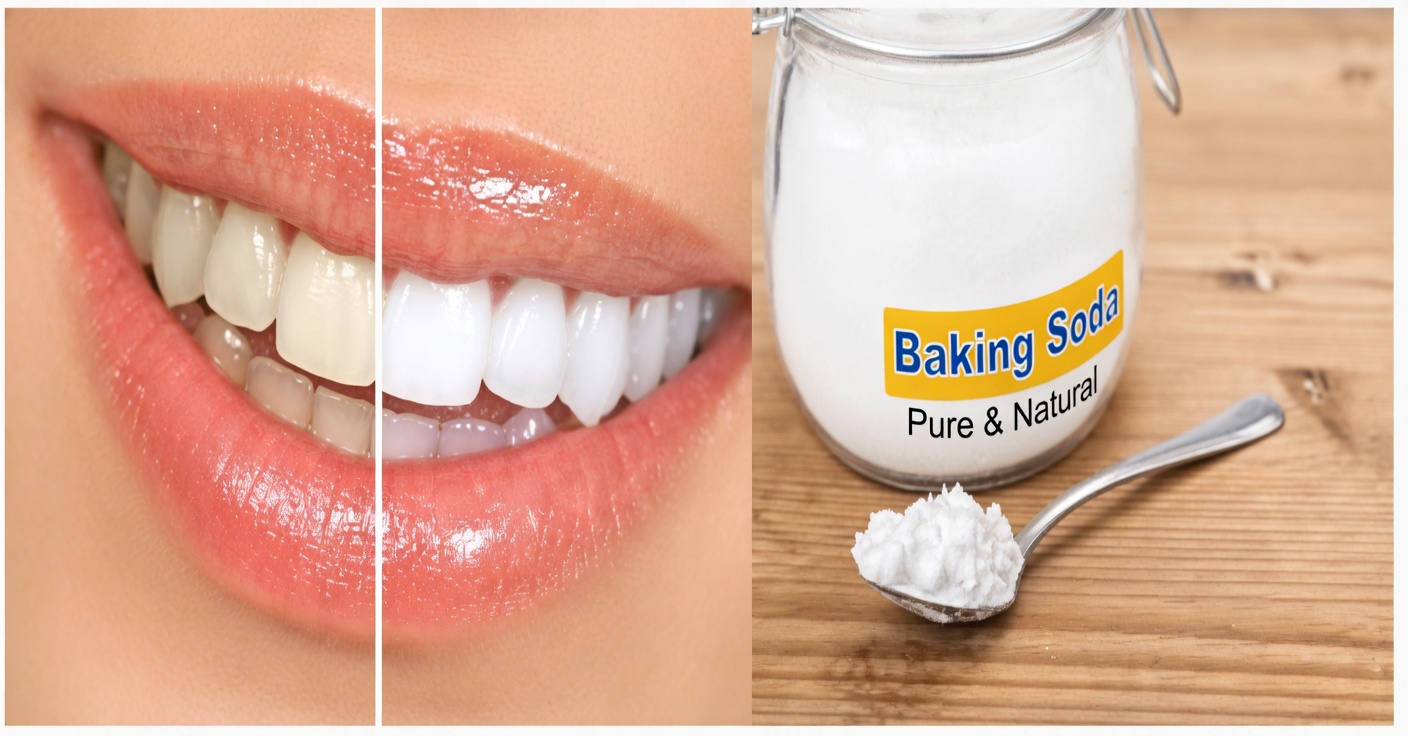
- Baking soda: A mild abrasive that can polish surface stains over time when used carefully.
- Lemon juice: Acidic and may create a temporary “brighter” look, but the enamel erosion risk is high if used repeatedly.
- Sea salt: Adds grit for polishing and may offer minor antibacterial support, but it’s not a proven whitener.
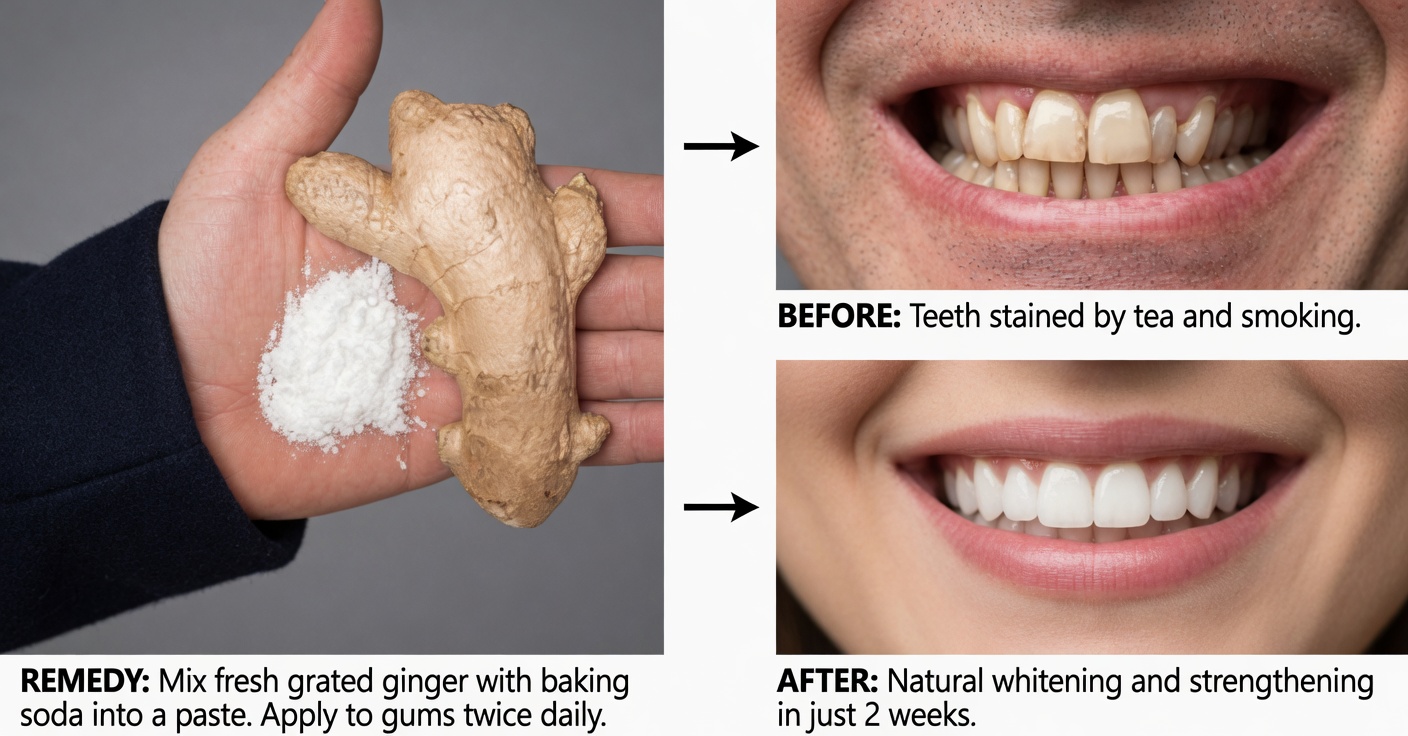
- Fresh ginger: Commonly included for a “clean” sensation and possible anti-inflammatory properties, not for true whitening.
Among these, baking soda has the most consistent support for mild surface stain improvement—provided it’s not overused.
A Simple, Gentle At-Home Polish Paste (Realistic Results Only)
If you want a cautious DIY option, think of it as light polishing, not bleaching. This approach aims to help with minor surface dullness, not deep discoloration.
Ingredients
- 1 teaspoon baking soda
- A few drops of water or a small amount of your regular toothpaste (helps texture and keeps fluoride in the routine)
- Optional (use sparingly):
- A tiny pinch of sea salt
- One drop of lemon juice (not recommended for frequent use due to acidity)
How to Use
- Mix into a smooth paste.
- Put a pea-sized amount on a soft toothbrush.
- Brush gently in small circles for 1–2 minutes.
- Use 2–3 times per week (not daily).
- Rinse well and brush afterward with your regular fluoride toothpaste.
Why “2-Minute Miracle” Whitening Claims Usually Don’t Deliver
Viral whitening hacks often rely on personal anecdotes rather than broad evidence. Trusted dental guidance (including major professional organizations) consistently emphasizes that meaningful stain removal typically comes from:
- Proven abrasives used correctly (for surface stain polishing), and/or
- Bleaching agents designed for enamel safety (often with dentist guidance)
Natural methods may help with small improvements—especially when paired with good habits—but they rarely produce dramatic, instant changes.
Safer, Evidence-Based Habits for Gradual Whitening
For a brighter smile without damaging enamel, focus on routine and prevention:
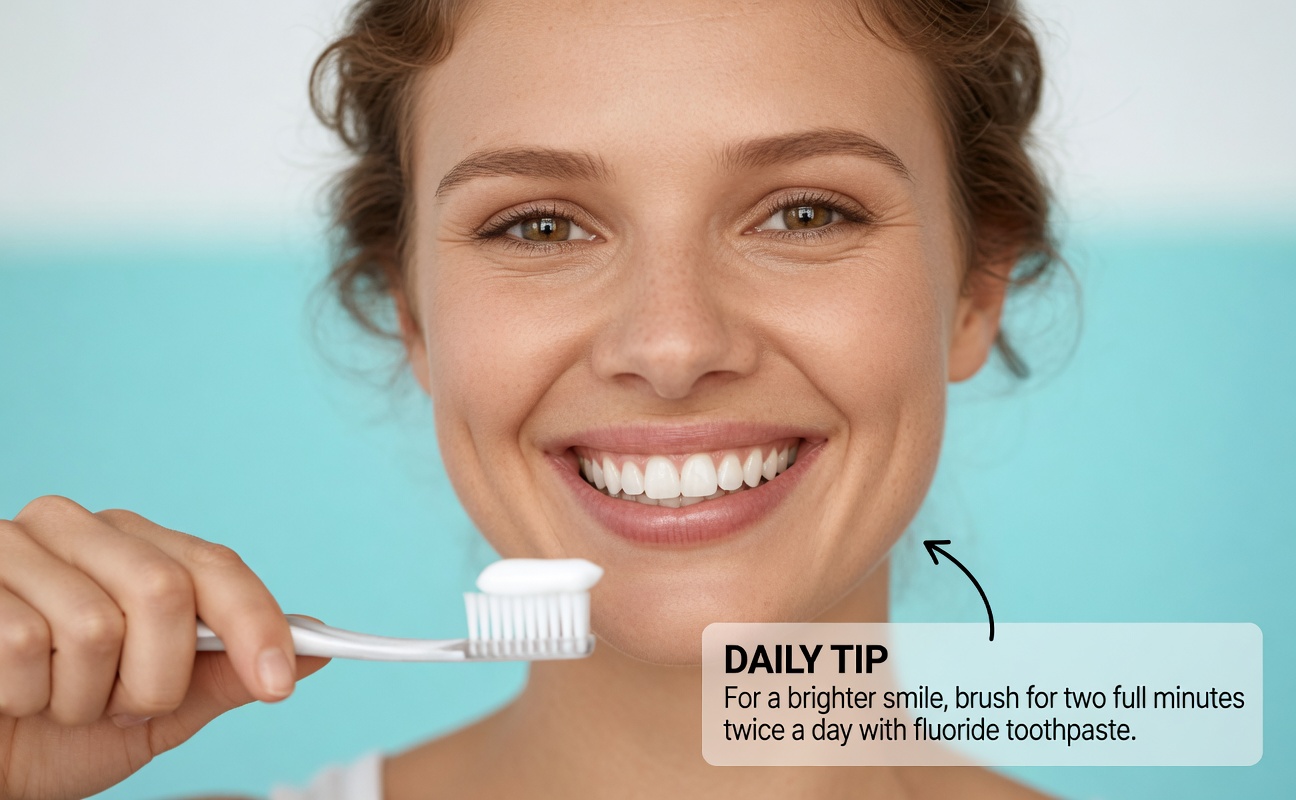
- Brush twice daily with a whitening toothpaste using mild abrasives
- Floss daily and consider an antiseptic mouthwash to reduce plaque buildup
- Reduce staining drinks/foods—and rinse with water after coffee, tea, or wine
- Use dentist-approved OTC whitening strips if you want stronger surface stain reduction (watch for sensitivity)
These methods target the real cause of dullness while keeping enamel health a priority.
Quick Comparison of Common Whitening Approaches
-
Banana peel rubbing (2 minutes)
- Surface stain improvement: minimal
- Risk: low
- Evidence: very limited
-
Baking soda paste (1–2 minutes, a few times/week)
- Surface stain improvement: mild to moderate
- Risk: low if infrequent and gentle
- Evidence: moderate
-
Whitening strips (about 30 minutes)
- Surface stain improvement: moderate to good
- Risk: moderate (often sensitivity)
- Evidence: strong
-
Professional whitening
- Surface stain improvement: high
- Risk: low under supervision
- Evidence: strong
Extra Ways to Support a Brighter Smile Naturally
- Prioritize consistency over intensity—avoid aggressive daily scrubbing.
- Eat crunchy produce like apples, carrots, and celery to help clean tooth surfaces.
- Stay hydrated to support saliva production, which naturally washes away particles and acids.
FAQ: Quick Natural Teeth Brightening
Does a 2-minute banana peel rub remove old stains?
Most research suggests little to no effect beyond mild mechanical cleaning. It doesn’t match the dramatic claims.
Can DIY pastes harm enamel if used too often?
Yes—especially with acidic ingredients like lemon. Overuse can weaken enamel and increase sensitivity.
What’s the safest place to start at home?
Start with excellent daily hygiene, and if you experiment, use baking soda sparingly. For personalized guidance—especially with significant discoloration—consult a dentist.
A More Reliable Path to a Confident Smile
Lasting results come from sustainable habits, not overnight promises. With gentle, consistent care, many people see gradual improvement in surface stains. If discoloration feels severe or persistent, a dental professional can recommend the safest and most effective option for your specific needs.